A Flooded Basement in Doylestown, PA: A Real Emergency Response

Homeowners are often told that help is only a phone call away when water damage strikes. Unfortunately, that isn’t always the case.

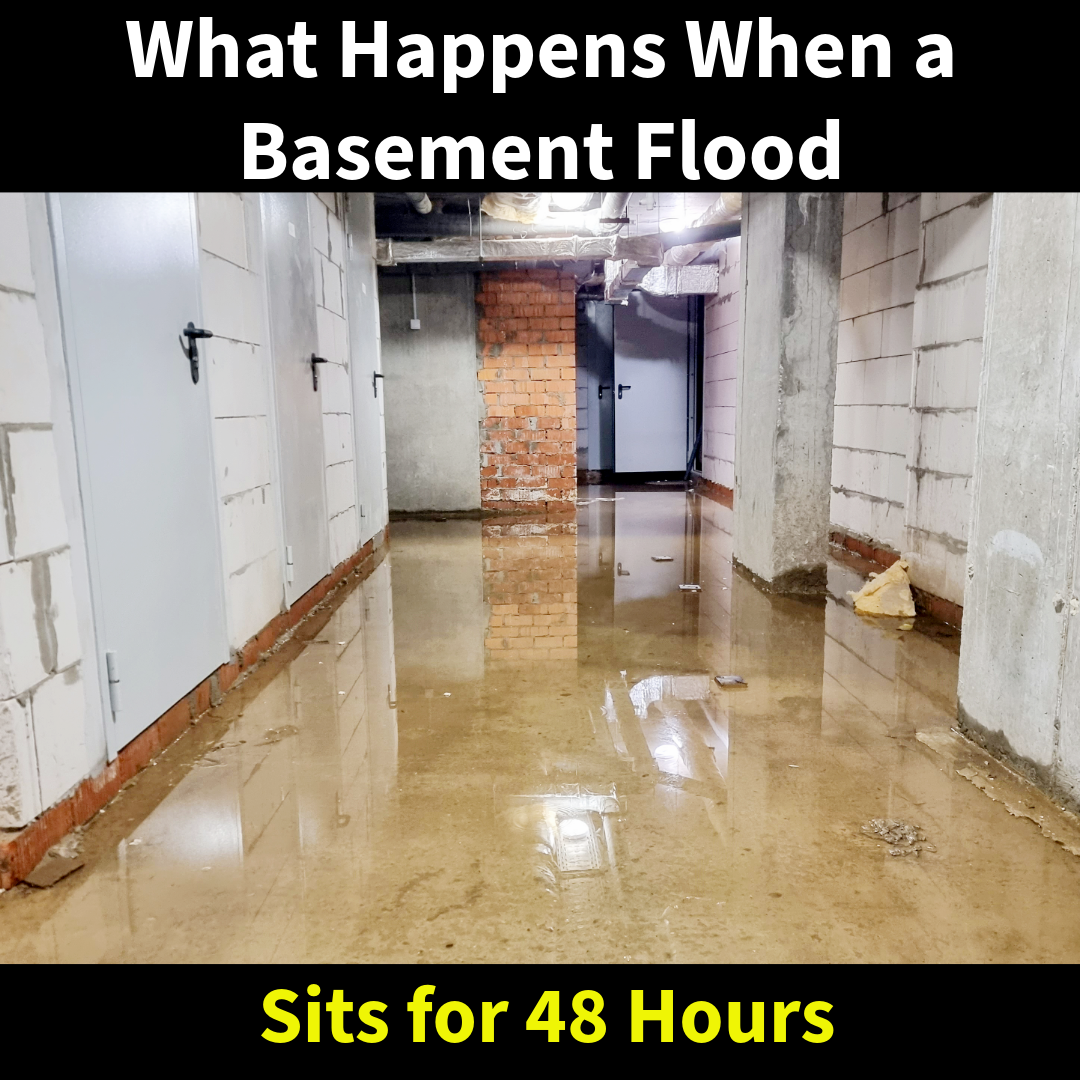
Recently, a homeowner in Doylestown, PA experienced a flooded basement after a supply line burst. What followed is a situation we see far too often — multiple companies advertising “emergency water damage restoration,” but no one actually provides the service they claim.


As water continued to spread through the basement, the homeowner began calling local companies that claimed to offer emergency water damage services. Three different companies told her they could not come out that day, or that it would be many hours before anyone could respond.

By that point, frustration had set in. Water damage is stressful enough on its own, and being told repeatedly that help isn’t available only makes the situation worse. When she finally contacted our team, we responded immediately. Despite a 45-minute drive, we arrived within an hour and a half and began addressing the situation right away.


Upon arrival, our priority was to stabilize the loss. We extracted the standing water, removed damaged materials, and began proper structural drying of the basement. Quick response matters in water damage situations. The longer moisture remains in building materials, the greater the risk of secondary damage, including mold growth and structural deterioration.


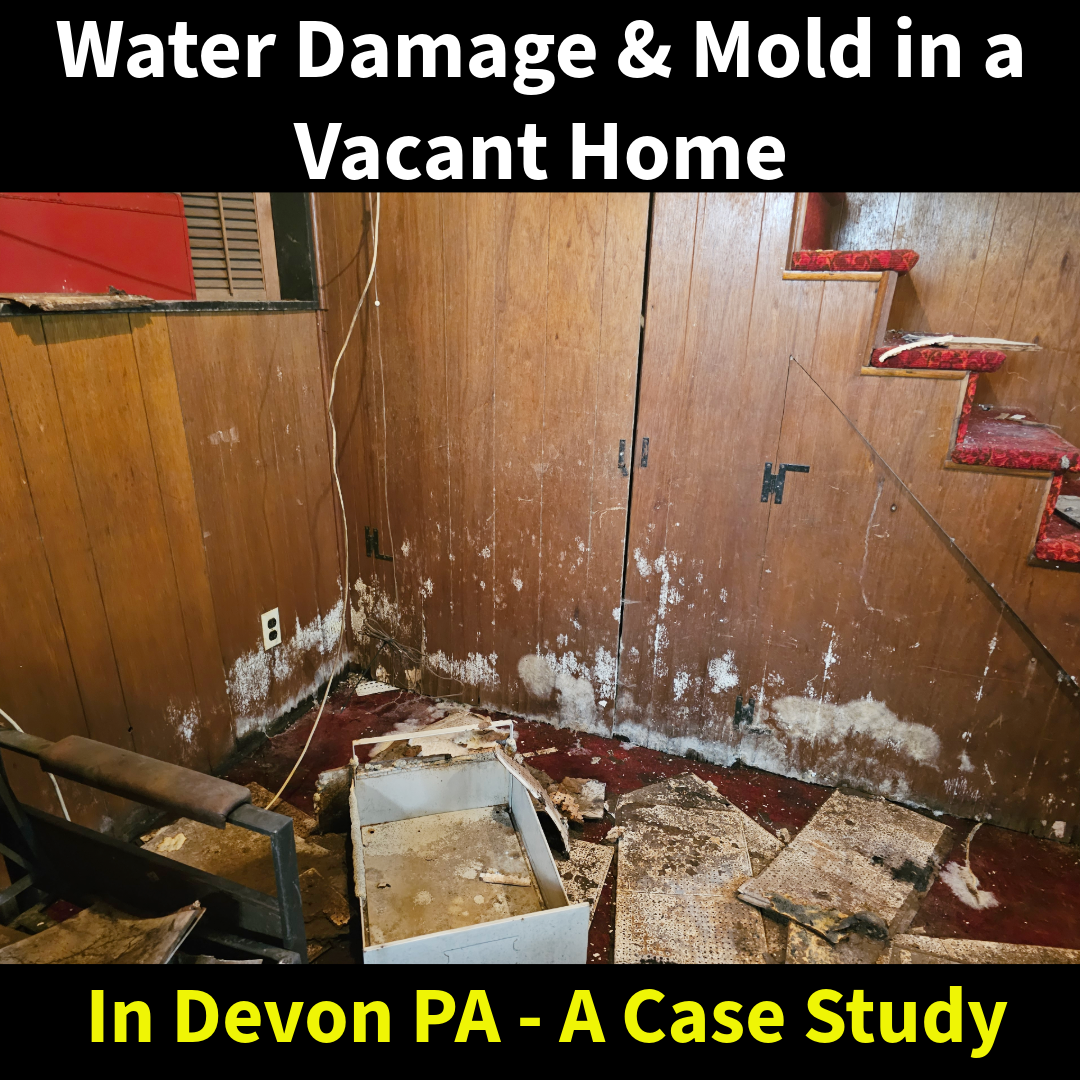
As drying progressed, we discovered hidden mold growth that had not been disclosed during the home’s sale. The homeowner had mentioned that she often felt unwell when spending time in the basement, and the presence of mold helped explain those symptoms.

This is not uncommon in basements that have experienced past moisture issues that were never properly addressed. Mold is frequently hidden behind finished walls, flooring, or insulation and may not be visible or noticeable without a thorough evaluation.


In addition to the mold, we identified poor electrical lines and unsafe connections in the basement. These conditions posed a potential fire hazard, especially in an area that had just been exposed to water. Water damage often reveals problems unrelated to the original loss. Addressing these issues early can prevent much more serious problems down the road.


Another major source of stress for the homeowner was insurance. She had no idea that the damage from the burst supply line could be covered under her policy. We explained the process, helped her document the loss properly, and assisted her in filing the claim. The claim was approved, and she was ultimately paid for both the remediation work and the reconstruction. Understanding what is and isn’t covered can make a significant difference in how a homeowner experiences a loss.


What began as an extremely frustrating situation — with no companies able to respond — turned into a manageable experience once the right team became involved. Water damage is always stressful, but having someone take responsibility for the process, explain each step, and help carry the loss through to a paid-out claim can make a major difference for homeowners.

This Doylestown case is a good reminder that not all “emergency services” are actually available when emergencies happen, and that fast response, thorough evaluation, and proper documentation matter just as much as the cleanup itself.

What to Check in Your Home After a Winter Storm

Winter storms can leave behind more than snow and ice. Freezing temperatures, heavy snowfall, and thawing conditions often cause hidden water damage that isn’t immediately visible once the storm passes. Many homeowners don’t realize there’s a problem until days—or even weeks—later, when leaks, staining, or mold appear. Taking time to check key areas of your home after a winter storm can help catch water damage early and prevent more serious issues.


Freezing temperatures can stress plumbing systems, especially pipes located in exterior walls, basements, crawlspaces, garages, and other unheated areas.

After a winter storm, pay attention to:

  • Changes in water pressure
  • Unusual noises when water is running
  • Slow leaks around sinks, toilets, or appliances
  • Damp spots on walls or ceilings near plumbing lines

Even pipes that did not fully burst may have small cracks that begin leaking once temperatures rise.


Snow accumulation and freeze-thaw cycles can lead to roof leaks and ice dam formation. Water intrusion from above often shows up first on ceilings or in attic spaces.

Check for:

  • Discoloration or staining on ceilings
  • Peeling paint or bubbling drywall
  • Damp insulation in attic areas
  • Water marks near attic access panels

These signs may indicate slow roof leaks that started during or after the storm.


Basements and crawlspaces are especially vulnerable after winter storms due to frozen pipes, foundation seepage, and melting snow around the home.

Look for:

  • Standing water or damp concrete
  • Musty or damp odors
  • Wet insulation or exposed framing
  • Water around sump pumps or floor drains

Because these areas are often unfinished, moisture problems can go unnoticed without a careful inspection.


Ice dams commonly form along roof edges when snow melts and refreezes. This can force water under shingles and into the home.

After a storm, check for:

  • Large icicles along roof edges
  • Ice buildup in gutters
  • Water stains on exterior siding
  • Drips or leaks near exterior walls

Roof-related water damage often appears inside the home long after the snow has melted.


Winter water damage is often hidden. Heating systems may dry surfaces while moisture remains trapped inside walls, insulation, and flooring. Without proper moisture detection, damage can continue to spread even after conditions improve. Early identification can help prevent mold growth, structural damage, and costly repairs. Painting over leaks especially on drywall is a mistake that could be costly later, as mold will continue to develop on the backside of the drywall and in the edn require more mold remediation.


If you notice any signs of water intrusion after a winter storm—or if your home experienced frozen pipes, roof snow buildup, or recent thawing—calling a professional promptly allows for quick assessment and documentation. Fast response can make a significant difference in limiting damage and preventing long-term issues. Putting it off for later will only cost more in the long run.


Winter storms don’t always cause immediate or obvious damage. Taking the time to inspect key areas of your home after freezing temperatures and snowfall can help catch problems early and avoid bigger issues down the road. When in doubt, a professional inspection can provide peace of mind and ensure hidden moisture isn’t left behind. And when moisture does occur, having proper water damage restoration completed will save you time, money and even larger problems down the road.

Why Sewage Losses Happen – Causes, Risks, and the Right Way to Clean Them

When most people think of water damage, they picture a burst pipe or a leaky roof. But sewage losses are far more dangerous and destructive. Unlike clean or gray water leaks, sewage water (also known as Category 3 water) is highly contaminated and requires immediate professional cleanup. Understanding why sewage losses happen — and how to respond — can help protect your health, your home, and your investment.


What Is a Sewage Loss?

A sewage loss occurs when wastewater backs up into a home or business instead of draining properly. This water isn’t just dirty — it contains harmful bacteria, viruses, parasites, and chemical contaminants. Because sewage can spread quickly through flooring, walls, and personal belongings, every hour of delay makes cleanup more complex and costly.


The Most Common Causes of Sewage Losses

  1. Aging or Damaged Sewer Lines
    Many properties still rely on older clay, cast iron, or Orangeburg pipes that deteriorate over time. Cracks, collapses, and corrosion can all cause sewage to back up into a property.
  2. Tree Root Intrusion
    Roots naturally seek moisture and can break into underground sewer pipes through tiny cracks or loose joints. Once inside, they expand, creating blockages that force sewage back into the property.
  3. Heavy Rains and Flooding
    When municipal sewer systems are overwhelmed by storms or snowmelt, excess water can push sewage backwards into homes — particularly basements and first floors.
  4. Clogs from Improper Disposal
    Flushing non-flushable items like wipes, paper towels, hygiene products, or pouring grease down drains creates blockages that prevent proper flow. Over time, this leads to sudden and messy backups.
  5. Sewer Line Breaks or Misalignment
    Shifting soil, construction activity, or poor installation can cause joints to separate, collapse, or misalign. This restricts sewage flow and increases the risk of backups.

Why Sewage Backups Are So Dangerous

  • Serious Health Hazards
    Category 3 water contains pathogens that can cause gastrointestinal illness, skin infections, and respiratory problems. Direct contact or even airborne exposure can be harmful.
  • Extensive Property Damage
    Sewage water saturates drywall, flooring, insulation, and furniture. Most porous materials must be removed, not just cleaned, to prevent long-term contamination.
  • Lingering Odors and Hidden Contamination
    Even after water is removed, dangerous bacteria can remain inside building materials, causing odors and long-term health risks if not properly treated.

Why Professional Cleanup Is Essential

Sewage losses are not a DIY job. Shop-vacs, mops, and household disinfectants cannot fully sanitize a contaminated area. Professional sewage cleanup includes:

  • Full Safety Precautions – Crews wear PPE including respirators, gloves, and protective suits.
  • Specialized Extraction – Industrial pumps and vacuums remove contaminated water quickly.
  • Controlled Demolition – Unsalvageable materials such as carpet, insulation, and drywall are safely removed.
  • Disinfection & Sanitization – EPA-approved disinfectants are applied to all affected surfaces.
  • Structural Drying – Dehumidifiers and air movers prevent mold growth after cleanup.

Protecting Your Property from Future Sewage Losses

While not all sewage losses are preventable, there are steps you can take to reduce risk:

  • Schedule routine inspections of older sewer lines.
  • Avoid planting trees near underground sewer pipes.
  • Install a backwater valve to prevent municipal backups during storms.
  • Never flush wipes, feminine products, or paper towels — even if labeled “flushable.”
  • Properly dispose of cooking grease instead of pouring it down drains.

Fast Response Matters

Every minute counts during a sewage loss. Delaying cleanup can mean higher repair costs, more property damage, and greater health risks.

At MSI, our trained teams are available 24/7 for emergency sewage cleanup and water damage restoration. We follow strict industry standards to remove hazardous water, sanitize the property, and restore it safely — giving you peace of mind when you need it most.

Call MSI today at 215-339-1769 for immediate sewage cleanup services.

Preventing and Addressing Frozen Pipes: Winter Water Damage Solutions

Winter brings challenges for homeowners, and frozen pipes are among the most common culprits behind water damage during the colder months. Here, we’ll explore why pipes freeze, how to prevent it, and what to do if disaster strikes.

Why Do Pipes Freeze?

When temperatures drop, the water inside pipes can freeze and expand, increasing pressure and potentially causing the pipes to burst. Vulnerable areas include uninsulated spaces like basements, attics, and exterior walls.

How to Prevent Frozen Pipes

  1. Insulate Your Pipes: Wrap pipes in unheated areas with foam insulation to retain warmth.
  2. Keep the Heat On: Maintain consistent heating throughout your home, even when you’re away.
  3. Let Faucets Drip: A slow drip keeps water moving, reducing the chance of freezing.
  4. Seal Gaps: Close gaps around windows, doors, and pipes that allow cold air to seep inside.

Recognizing Frozen Pipes

Common signs include:

  • No water or reduced water flow.
  • Frost on exposed pipes.
  • Unusual noises when turning on faucets.

What to Do If a Pipe Freezes

  1. Turn Off the Water: Locate and shut off the main water supply to minimize potential flooding.
  2. Thaw the Pipe Safely: Use a hairdryer or heat tape—never an open flame—to warm the pipe gradually.
  3. Call a Professional: If you’re unsure how to proceed or suspect a burst pipe, seek professional help immediately.

Addressing Burst Pipes and Water Damage

When a pipe bursts, immediate action is crucial to mitigate water damage:

  • Remove Standing Water: Mop or use a wet/dry vacuum to prevent further damage.
  • Dry Affected Areas: Use fans and dehumidifiers to reduce moisture and prevent mold growth.
  • Contact Water Damage Specialists: Professionals can ensure thorough drying, structural repairs, and mold prevention.

Why Professional Water Damage Restoration Matters

Quick and professional restoration prevents long-term damage like warped flooring, weakened foundations, and mold infestations. That’s where our team at MSI comes in. Our expert team provides comprehensive water damage restoration services, from water extraction and drying to mold prevention and dehumidification. We’re committed to restoring your home quickly and safely, so you can have peace of mind this winter.

Winter doesn’t have to spell disaster for your home. By taking preventative measures and knowing how to respond when pipes freeze or burst, you can safeguard your property against water damage.

How to Prevent Mold Growth After Water Damage

Water damage can wreak havoc on your home, and one of its most persistent and hazardous consequences is mold growth. Mold can start growing within 24-48 hours after water exposure, causing health risks and structural damage if left unchecked. Fortunately, with prompt action and the right steps, you can prevent mold from taking hold in your home.

Here’s a comprehensive guide to preventing mold growth after water damage.

1. Act Fast: Time is Critical

Mold thrives in moist environments, so addressing water damage quickly is essential. The longer water sits, the more likely mold spores will spread and grow.

What to Do:

  • Begin water removal immediately.
  • Contact a professional restoration company if the damage is extensive.

2. Remove Standing Water

Standing water creates an ideal breeding ground for mold. Use tools like wet/dry vacuums, mops, and towels to remove as much water as possible.

Pro Tip: If the area is heavily flooded, call a professional for safe and efficient water extraction.

3. Dry the Area Thoroughly

Even after water is removed, damp materials and surfaces can still promote mold growth.

Steps to Take:

  • Use fans and dehumidifiers to speed up the drying process.
  • Open windows and doors to improve ventilation (weather permitting).
  • Remove soaked carpets, padding, and furniture to dry them separately.

Key Tip: Monitor humidity levels using a hygrometer. Keep indoor humidity below 50% to inhibit mold growth.

4. Dispose of Unsalvageable Items

Some materials are difficult to dry completely and may need to be discarded to prevent mold.

Items to Watch:

  • Water-damaged drywall and insulation.
  • Carpets and rugs soaked for over 24-48 hours.
  • Upholstered furniture and porous items like books or cardboard.

Pro Tip: Always follow local disposal regulations for damaged items.

5. Clean and Disinfect Affected Areas

Cleaning surfaces after water damage helps remove any mold spores that may have already settled.

What to Use:

  • A mix of detergent and water for general cleaning.
  • A solution of one cup of bleach to one gallon of water for hard surfaces (never mix bleach with ammonia or other cleaners).

Important: Wear protective gear, such as gloves and masks, when cleaning to avoid exposure to mold spores.

6. Inspect Hidden Areas

Mold often grows in hidden places, such as behind walls, under flooring, or in HVAC systems.

Key Areas to Check:

  • Inside wall cavities.
  • Underneath carpets and floorboards.
  • Behind large furniture or appliances.

Tip: If you suspect mold in hidden areas, consider hiring a professional for a thorough inspection.

7. Replace and Repair Damaged Materials

Some materials, like drywall, insulation, and wood, can retain moisture even after drying. Replacing them reduces the risk of future mold growth.

What to Replace:

  • Severely water-damaged drywall and insulation.
  • Warped wood or compromised structural materials.

8. Prevent Future Water Damage

The best way to combat mold is by stopping water damage before it starts.

Preventative Measures:

  • Fix leaky roofs, pipes, and appliances promptly.
  • Ensure gutters and downspouts direct water away from your home.
  • Seal windows, doors, and foundations to prevent water infiltration.

9. Use Mold-Resistant Products

When rebuilding after water damage, opt for mold-resistant materials to safeguard your home.

Options Include:

  • Mold-resistant drywall.
  • Mold-inhibiting paint.
  • Moisture-resistant flooring.

10. Call in the Professionals

If the water damage is extensive or mold growth has already begun, it’s best to consult experts. Professional restoration companies have the tools, training, and experience to safely and effectively handle water damage and mold prevention.

Benefits of Professional Help:

  • Industrial-grade drying and dehumidification equipment.
  • Specialized cleaning solutions and techniques.
  • Peace of mind knowing your home is safe and mold-free.

Why Mold Prevention Matters

Mold not only damages your home but can also pose significant health risks, including:

  • Respiratory problems.
  • Allergic reactions.
  • Aggravation of asthma symptoms.

Preventing mold growth after water damage protects both your property and your family’s health.

We’re Here to Help

Dealing with water damage can be overwhelming, but you don’t have to face it alone. At Mold Solutions & Inspections, we specialize in water damage restoration and mold prevention, offering fast and effective solutions to protect your home.

Contact us today for expert assistance, and let us restore your home to its original condition—mold-free and safe!