Most Asked Questions About Water Damage

Water damage is one of the most stressful problems a homeowner can face. It often happens suddenly, spreads quickly, and leaves people unsure of what to do next or who to trust.

Below are the most common questions homeowners ask about water damage, answered clearly and honestly based on real-world experience.


The first priority is safety. If there is standing water near electrical outlets, panels, or appliances, power should be shut off if it can be done safely. If the source of the water is still active, such as a burst pipe or supply line, it should be stopped immediately. Once the source is controlled, avoid moving water around with household fans or shop vacuums. This can spread moisture into areas that were previously dry. Early decisions often determine whether damage stays manageable or becomes much worse.


Not every water issue requires an immediate response, but many do. Burst pipes, flooded basements, appliance failures, and roof leaks during storms should be treated as emergencies because water continues to migrate through building materials even after it stops flowing. Water trapped inside walls, floors, and insulation can cause damage long after the visible water is gone. Delays often lead to mold growth, structural deterioration, and higher repair costs.


Water damage begins immediately. Within hours, moisture starts soaking into drywall, wood framing, subfloors, and insulation. Within a day or two, materials can begin to swell, warp, or break down. If drying is incomplete, mold can begin growing within days under the right conditions. What homeowners often don’t realize is that water does not stay where it is visible. It travels through gravity, capillary action, and air movement, reaching areas that appear unaffected at first glance.


In many cases, yes — but it depends on the cause. Sudden and accidental events such as burst pipes, supply line failures, or appliance malfunctions are often covered. Long-term leaks, maintenance issues, or pre-existing damage may not be. Many homeowners don’t realize coverage exists until someone explains it to them. Proper documentation, timing, and clear communication with the insurance company can make a significant difference in how a claim is handled.


That depends on the extent of the damage. Small spills or isolated surface water may be manageable. However, once water enters walls, floors, basements, or crawlspaces, professional drying equipment and monitoring are often necessary. Professional restoration is not just about removing water. It involves measuring moisture, controlling humidity, and verifying that materials are actually dry — not just dry to the touch.


Drying time varies depending on the materials affected, the amount of water involved, and environmental conditions. Some situations can be stabilized in a few days, while others take longer. Proper drying requires more than time. It requires the right equipment, correct placement, and ongoing monitoring. Drying without verification often leads to problems returning later.


Yes. Mold does not require flooding to grow. It requires moisture, time, and organic materials. If water damage is not dried properly, mold can begin growing behind walls, under floors, or in insulation without being visible or noticeable. Early and thorough drying greatly reduces this risk.


No — and this is one of the most important things homeowners should understand. Some companies respond quickly, document thoroughly, and dry properly. Others focus on speed without accuracy, or billing without verification. Over-billing, incomplete drying, and improper equipment use are common problems in this industry.

Some companies lack the proper drying equipment for the size or type of loss. Others use untrained or uncertified workers who don’t understand moisture behavior, building materials, or safety concerns. In some cases, work is rushed or documented poorly, creating insurance issues later. A proper water damage response involves trained technicians, appropriate equipment, moisture monitoring, and clear documentation — not just fans and dehumidifiers.


One common mistake is assuming the problem is solved once the visible water is gone. Another is relying solely on household fans or dehumidifiers. Waiting too long to address hidden moisture is another frequent issue. Homeowners are also sometimes pressured into unnecessary work or confused by unclear explanations. Lack of transparency often leads to frustration and unexpected costs.


Signs of unresolved water damage can include persistent odors, humidity issues, recurring mold, warped materials, or discomfort when spending time in certain areas of the home. In some cases, health symptoms or repeated issues point to moisture that was never properly addressed.


If water damage affects structural materials, basements, finished areas, or continues to cause problems after cleanup, professional evaluation is often appropriate.

Water damage is stressful, but understanding what actually matters — response time, proper drying, trained workers, and clear documentation — can help homeowners avoid unnecessary complications.

A Flooded Basement in Doylestown, PA: A Real Emergency Response

Homeowners are often told that help is only a phone call away when water damage strikes. Unfortunately, that isn’t always the case.

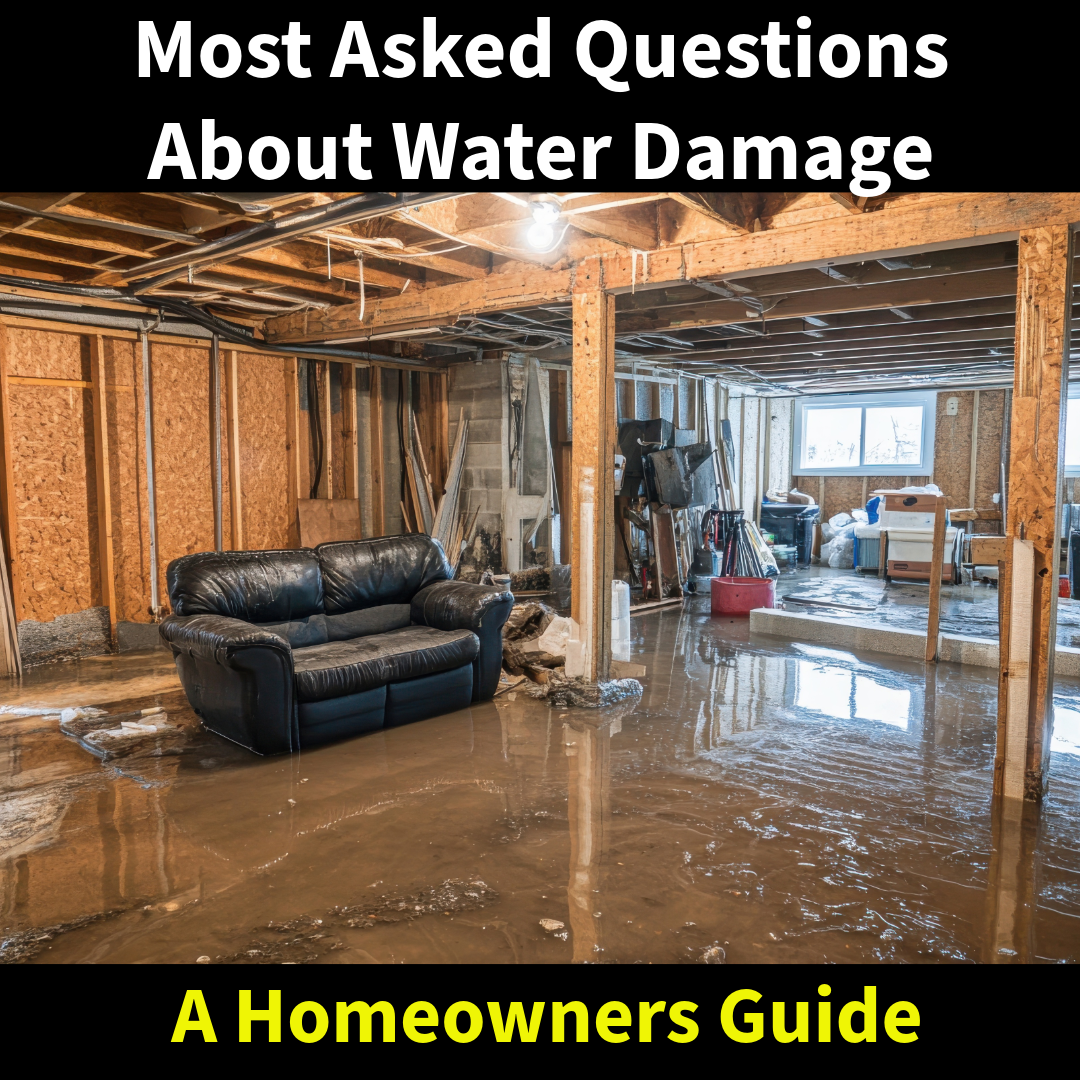
Recently, a homeowner in Doylestown, PA experienced a flooded basement after a supply line burst. What followed is a situation we see far too often — multiple companies advertising “emergency water damage restoration,” but no one actually provides the service they claim.


As water continued to spread through the basement, the homeowner began calling local companies that claimed to offer emergency water damage services. Three different companies told her they could not come out that day, or that it would be many hours before anyone could respond.

By that point, frustration had set in. Water damage is stressful enough on its own, and being told repeatedly that help isn’t available only makes the situation worse. When she finally contacted our team, we responded immediately. Despite a 45-minute drive, we arrived within an hour and a half and began addressing the situation right away.


Upon arrival, our priority was to stabilize the loss. We extracted the standing water, removed damaged materials, and began proper structural drying of the basement. Quick response matters in water damage situations. The longer moisture remains in building materials, the greater the risk of secondary damage, including mold growth and structural deterioration.


As drying progressed, we discovered hidden mold growth that had not been disclosed during the home’s sale. The homeowner had mentioned that she often felt unwell when spending time in the basement, and the presence of mold helped explain those symptoms.

This is not uncommon in basements that have experienced past moisture issues that were never properly addressed. Mold is frequently hidden behind finished walls, flooring, or insulation and may not be visible or noticeable without a thorough evaluation.


In addition to the mold, we identified poor electrical lines and unsafe connections in the basement. These conditions posed a potential fire hazard, especially in an area that had just been exposed to water. Water damage often reveals problems unrelated to the original loss. Addressing these issues early can prevent much more serious problems down the road.


Another major source of stress for the homeowner was insurance. She had no idea that the damage from the burst supply line could be covered under her policy. We explained the process, helped her document the loss properly, and assisted her in filing the claim. The claim was approved, and she was ultimately paid for both the remediation work and the reconstruction. Understanding what is and isn’t covered can make a significant difference in how a homeowner experiences a loss.


What began as an extremely frustrating situation — with no companies able to respond — turned into a manageable experience once the right team became involved. Water damage is always stressful, but having someone take responsibility for the process, explain each step, and help carry the loss through to a paid-out claim can make a major difference for homeowners.

This Doylestown case is a good reminder that not all “emergency services” are actually available when emergencies happen, and that fast response, thorough evaluation, and proper documentation matter just as much as the cleanup itself.

PANS in Children: Can Mold Exposure Worsen Symptoms at Home?

Parents of children with PANS (Pediatric Acute-onset Neuropsychiatric Syndrome) often describe the experience as overwhelming and confusing. Symptoms can appear suddenly, change rapidly, and seem difficult to manage—even with appropriate medical care. What many families don’t realize is that environmental factors inside the home may play a role in symptom severity, especially for children who are already dealing with immune and neurological inflammation.

One environmental factor that is frequently overlooked is mold exposure. This blog is not about diagnosing or treating PANS. Instead, it is meant to help parents understand why the home environment matters, and why mold exposure may be something worth ruling out when symptoms persist or worsen.


PANS is a clinical condition characterized by the sudden onset of neuropsychiatric symptoms in children, which may include:

  • Obsessive-compulsive behaviors
  • Anxiety or panic
  • Mood changes or irritability
  • Regression in behavior or academic performance
  • Sensory sensitivities or cognitive “fog”

Researchers believe PANS involves neuroinflammation and immune system dysregulation, often following infections or other immune triggers. Every child’s presentation is different, and treatment typically involves medical oversight.


Children with PANS are often more sensitive to stressors, particularly those that affect the immune system. While infections are well recognized, environmental exposures inside the home are often missed.

Homes can contain:

  • Allergens
  • Irritants
  • Airborne particles
  • Hidden moisture and microbial growth

For a child already experiencing inflammation, these exposures may increase the body’s overall inflammatory burden, potentially making symptoms more difficult to manage.


Mold does not cause PANS.
However, mold exposure may act as an environmental stressor for some children with immune sensitivity.

Mold releases:

  • Spores
  • Microscopic fragments
  • In some cases, mycotoxins

These substances can trigger immune responses, particularly in sensitive individuals. In children already dealing with neuroinflammation, additional immune activation may worsen symptoms or slow recovery. Mold does not cause PANS — but in certain children, exposure may contribute to symptom flare-ups or increased inflammatory stress. Not all children react the same way. Some may be unaffected, while others may experience noticeable changes when exposed.


Parents sometimes notice patterns such as:

  • Symptoms improving when the child is away from home
  • Behavioral or cognitive changes that worsen indoors
  • Increased anxiety, fatigue, or irritability in certain rooms
  • A history of water leaks, flooding, or humidity problems

These patterns don’t automatically mean mold is present—but they do justify further evaluation, especially when symptoms persist despite treatment.


One of the most common misconceptions is that mold must be visible or have a strong odor. In reality:

  • Mold often grows behind walls, under flooring, or in attics
  • Past water damage can lead to hidden growth even years later
  • Homes can test “dry” on the surface while moisture remains trapped inside building materials

This is particularly important for families with medically sensitive children, where even low-level exposure may matter.


Mold testing is not a cure and should never replace medical care. However, it can be a useful rule-out step when:

  • Symptoms persist or worsen without a clear explanation
  • A child seems to improve outside the home
  • The home has a history of leaks, flooding, or poor ventilation
  • Multiple family members experience unexplained symptoms

Environmental testing helps families make informed decisions, rather than guessing.


Parents of children with PANS often feel dismissed or overwhelmed. Considering the home environment is not about blame—it’s about reducing unnecessary stress on a child’s system wherever possible.

Ruling out environmental factors like mold can provide peace of mind and help ensure the home is a supportive place for healing, alongside appropriate medical care. If you suspect your home environment may be contributing to ongoing health concerns, working with qualified professionals to evaluate conditions can be a valuable step.

How Hoarding Impacts Indoor Air Quality

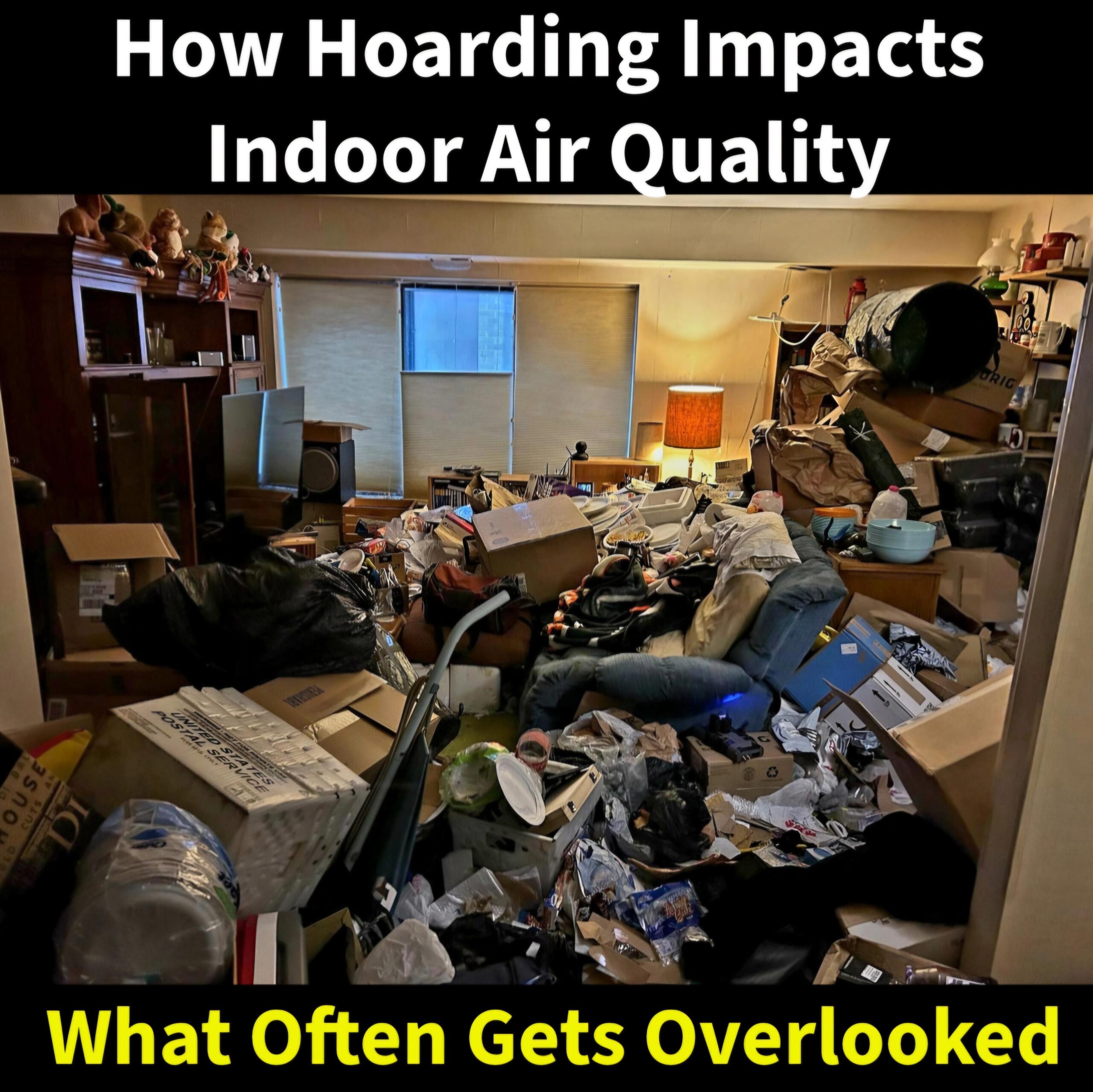
Hoarding conditions don’t just affect how a home looks—they fundamentally change the air people breathe inside it. In many hoarded homes, indoor air quality (IAQ) becomes compromised long before visible mold, odors, or health symptoms are obvious. By the time concerns arise, the air may already contain elevated levels of mold spores, bacteria, dust, and other airborne contaminants.

Understanding how hoarding impacts indoor air quality helps explain why these environments can become unsafe—even when there’s no obvious water damage or “musty” smell.


Excessive clutter creates countless surfaces that collect and trap dust, dander, and fine particulates. Unlike normal household dust, these materials are rarely disturbed or cleaned, allowing them to accumulate for years.

As people move through the space—or when HVAC systems cycle—these particles become airborne, leading to:

  • Chronic coughing or throat irritation
  • Worsening asthma or allergy symptoms
  • Eye, nose, and sinus irritation

Because airflow is restricted, contaminated air lingers longer instead of being diluted or exhausted.


Hoarding often blocks airflow around walls, floors, and ceilings. Even minor moisture—from humidity, condensation, or small plumbing issues—can become trapped behind stacks of belongings.

This creates ideal conditions for mold growth:

  • Cardboard, paper, and fabrics act as food sources
  • Poor ventilation prevents drying
  • Mold grows unnoticed behind clutter

As mold colonies develop, they release microscopic spores into the air. These spores spread throughout the home and are easily inhaled—even when no visible mold is present.


Strong or persistent odors are common in hoarded homes, but odors are not the cause—they’re a warning sign.

Common odor sources include:

  • Decomposing organic materials
  • Pet waste or animal hoarding conditions
  • Bacteria thriving in damp environments

Odors indicate airborne gases and microbial byproducts circulating through the living space. Masking smells with sprays or air fresheners does nothing to address the contaminated air itself.


Hoarding conditions frequently attract rodents, insects, and other pests. These animals introduce additional air quality hazards, including:

  • Fecal particles
  • Urine residues
  • Bacteria and pathogens

As these materials dry and break down, they become airborne bioaerosols that can circulate through the home—especially when disturbed during cleaning or movement.


Heating and cooling systems in hoarded homes often pull contaminated air into ductwork. Filters clog quickly or are ignored entirely, allowing pollutants to circulate repeatedly throughout the property.

Instead of improving comfort, HVAC systems can:

  • Redistribute mold spores
  • Spread odors room to room
  • Increase exposure throughout the entire home

This is why hoarded homes may feel “stale” or unhealthy even after partial cleanouts.


Removing visible clutter alone does not restore indoor air quality. Many contaminants remain:

  • Embedded in carpets and soft materials
  • Settled inside ductwork
  • Present on surfaces behind removed items

Without proper assessment, including air or surface testing, occupants may continue breathing contaminated air even after the home looks cleaner.


Professional indoor air quality evaluation helps identify:

  • Elevated mold spore levels
  • Bacterial contamination
  • Particulate concentration
  • Hidden moisture issues

This information is critical for determining what level of cleanup, remediation, or environmental correction is truly needed—not just what looks necessary.


Hoarding doesn’t just impact living conditions—it directly affects health through the air itself. Poor indoor air quality in hoarded homes is often invisible, progressive, and underestimated. Addressing these environments safely requires more than trash removal. It requires understanding how air moves, how contaminants form, and how to restore a space so it’s not only clean—but healthy.