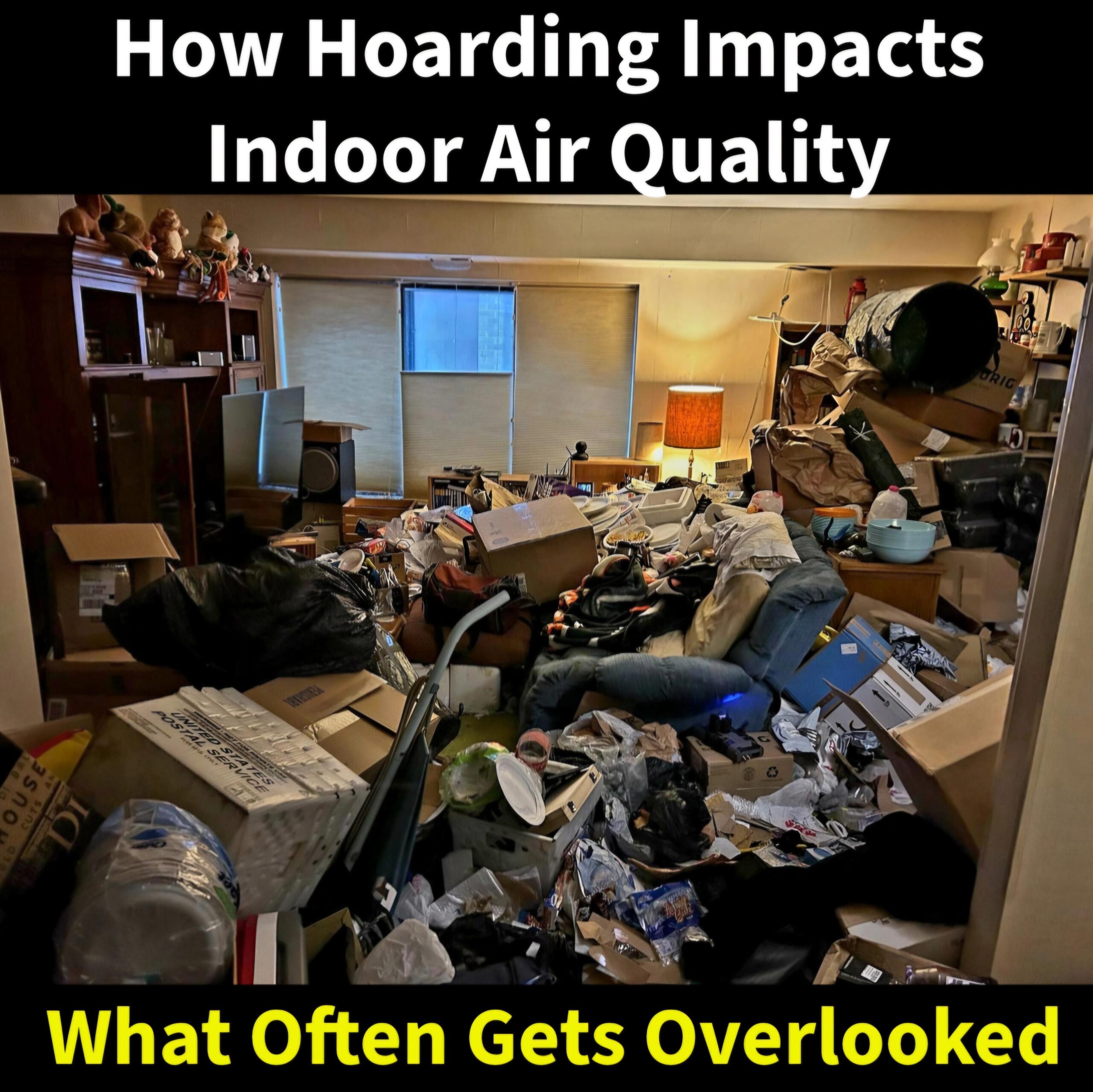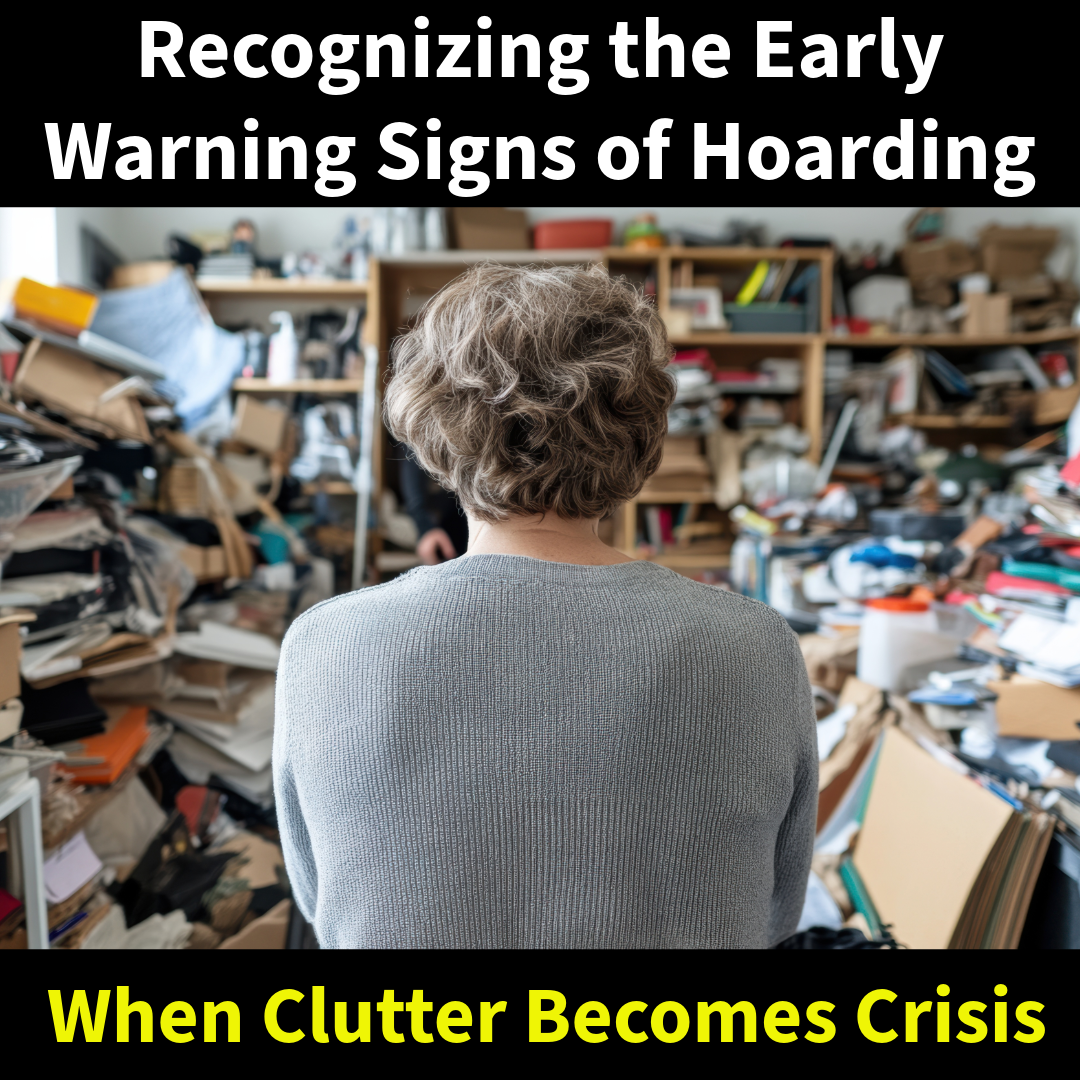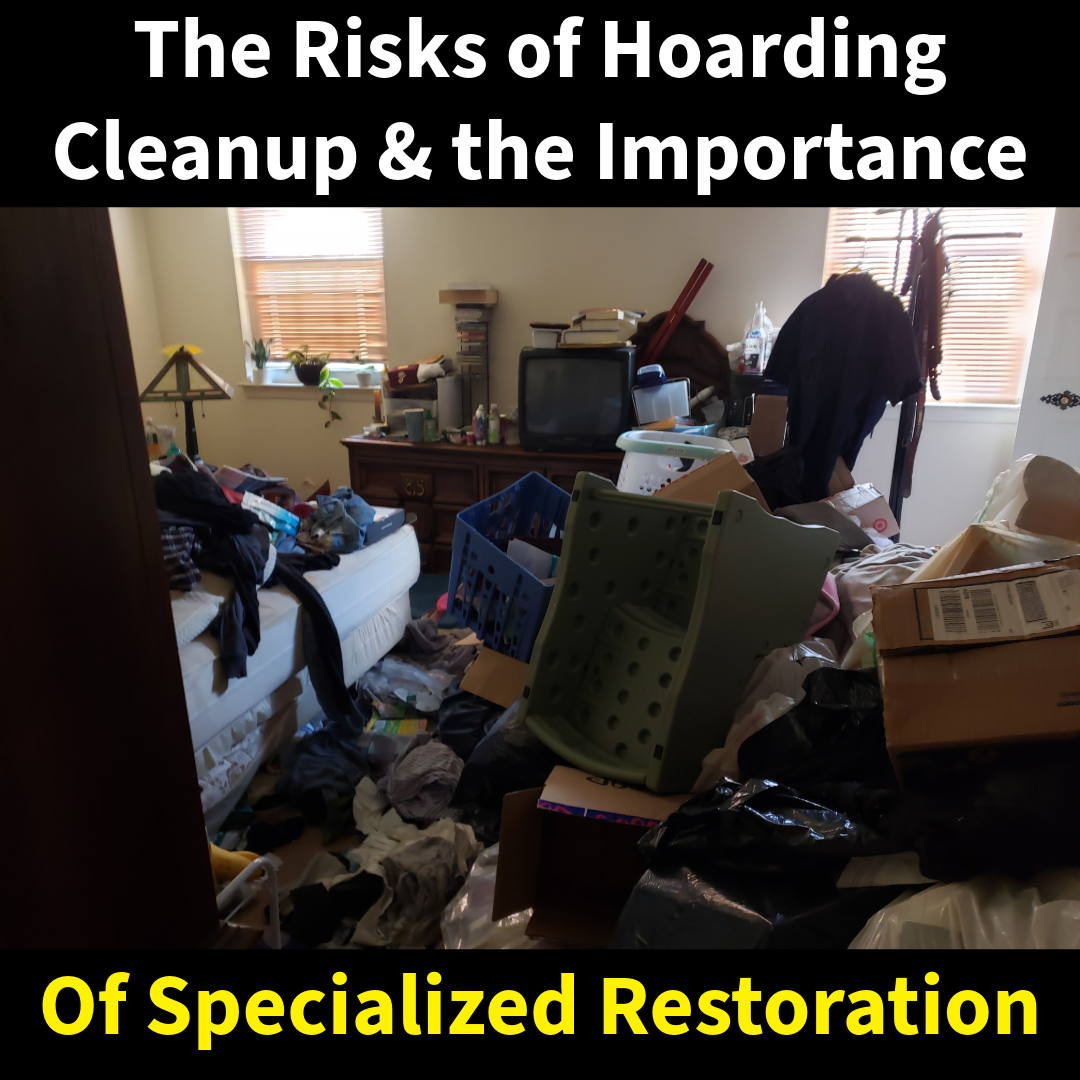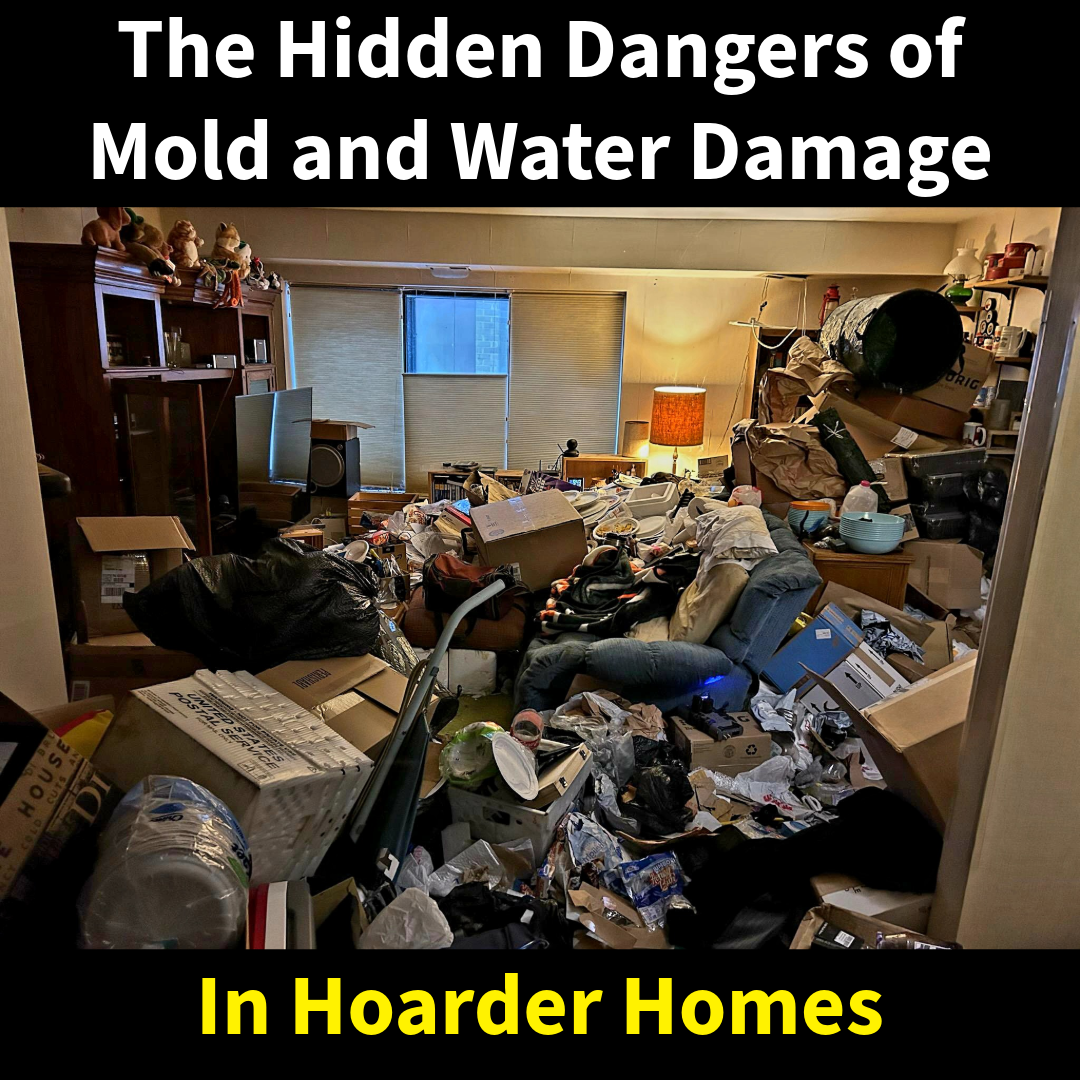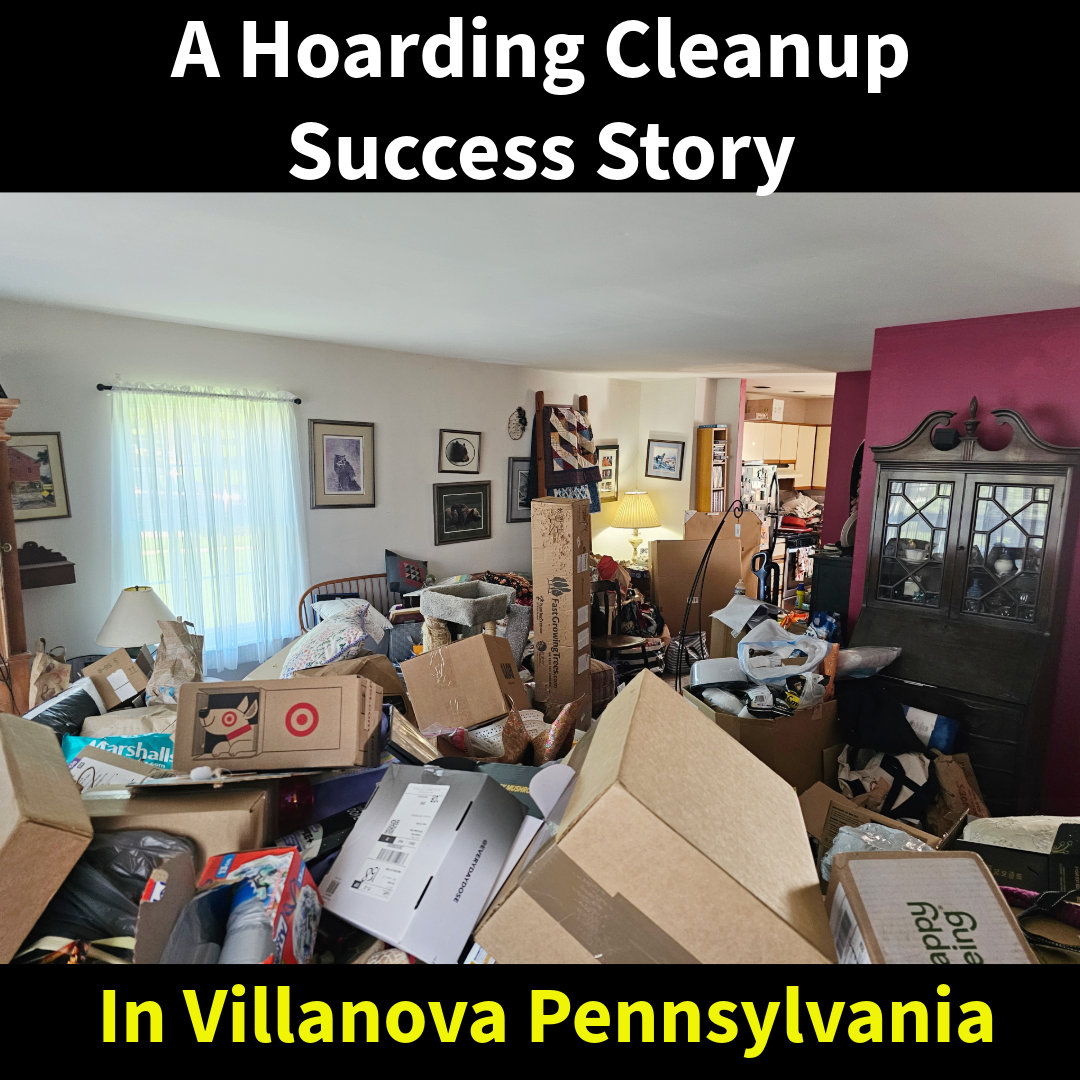
Hoarding situations are not just about clutter. They are deeply personal, often emotional, and for many people, incredibly difficult to confront. We recently completed a hoarding cleanup in Villanova for an older gentleman who had reached a turning point. After years of living with excessive clutter, he made the decision to ask for help. It was not easy for him. Like many in similar situations, there was a level of embarrassment, but also a clear understanding that he could not continue living that way.
That moment is often the hardest step.
Taking the First Step Toward Change
When we arrived at the home, it was clear that the situation had built up over time. Our goal was not just to remove clutter, but to create a safe and livable environment while treating the homeowner with respect and discretion. Hoarding cleanup is not about judgment. It is about helping someone regain control of their space and their quality of life.
As we began clearing out the home, we worked methodically through the contents, removing debris and restoring access to areas that had been unusable.
Discovering Hidden Issues Beneath the Clutter
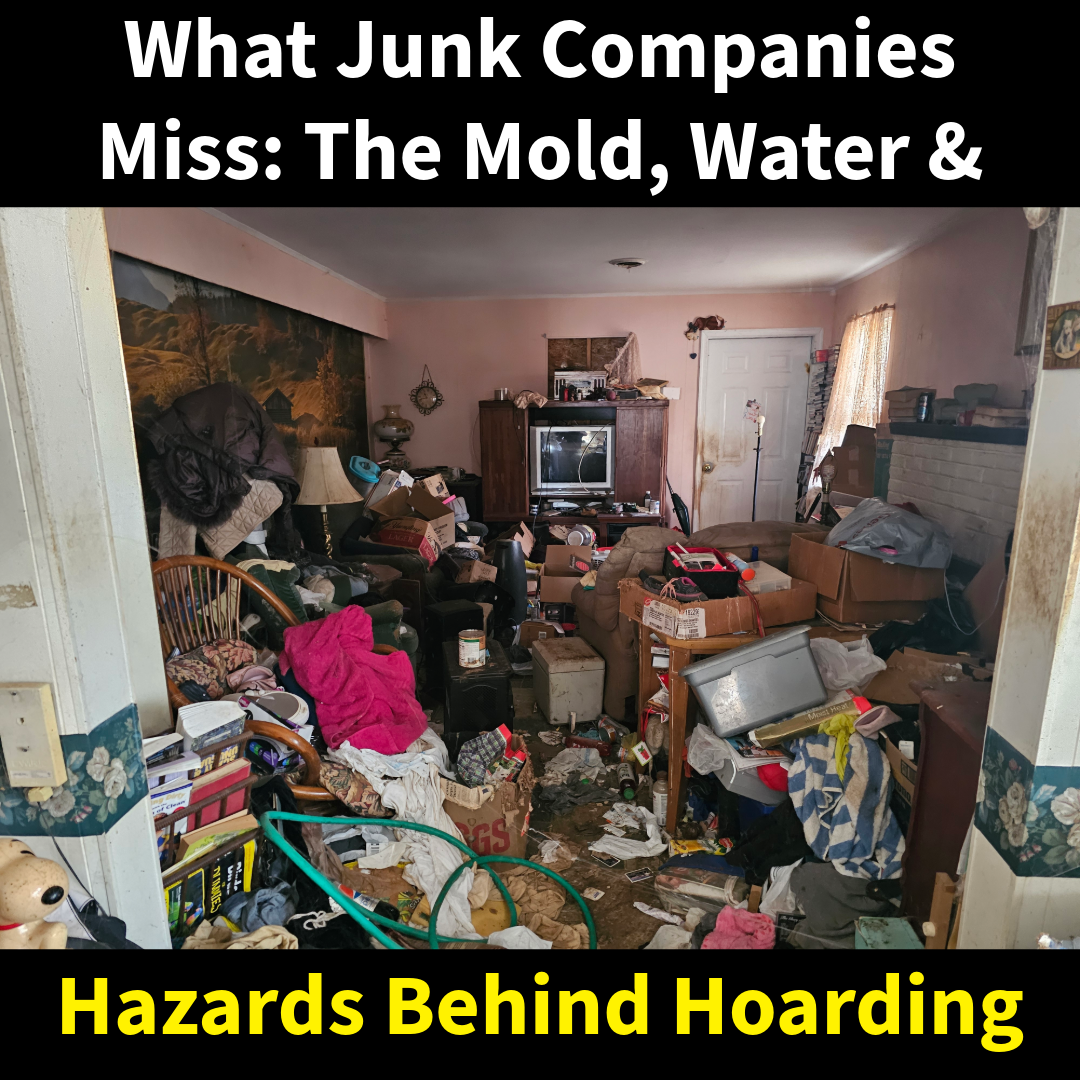
Once the clutter was removed, underlying problems that had been hidden for years began to surface. We discovered two areas of water damage and mold. One was located in the basement, and the other in an upstairs bathroom. These issues are common in hoarding situations, where leaks and moisture problems can go unnoticed due to the amount of contents in the home.
Left unaddressed, these conditions can continue to worsen and impact both the structure of the home and the health of the occupant.
Restoring the Home Properly
After identifying the water damage and mold, we addressed those areas through proper cleaning and remediation. With the home cleared and the environmental issues resolved, the transformation really began. The homeowner moved forward with repainting, installing new flooring, and completing several additional repairs.
What was once an overwhelming space became a clean, functional home again.
The Real Outcome Months Later
The most important part of this story came after the job was complete. Several months later, we received a call from his sister. She wanted to let us know that his home had remained clean and organized since the cleanup. More importantly, his overall health had improved, and his mood had changed significantly. He was now comfortable having family and friends over, something that had not been possible before. That is the real impact of this type of work.
It goes far beyond cleanup.
Why Hoarding Cleanup Matters
Hoarding situations often involve more than just excess belongings. They can hide structural issues, water damage, and mold, all of which can affect a person’s health and safety.
Addressing these environments requires more than just removal. It requires a thoughtful approach, proper remediation when needed, and a focus on long term improvement.
Moving Forward
This Villanova hoarding cleanup is a reminder that change is possible, even in difficult situations. Taking that first step to ask for help can lead to a complete transformation, not just of a home, but of someone’s quality of life. If you or someone you know is dealing with a hoarding situation, you are not alone. Help is available, and it starts with reaching out.
Mold Solutions & Inspections is here to assist when you are ready.