One of the most common misconceptions in real estate is that if a house passes inspection, there are no real issues.
That is not always the case when it comes to mold.
Passing Inspection Does Not Mean No Mold
A home can pass a general inspection even if mold is present. Inspectors often document visible concerns, but they are not performing mold-specific evaluations unless hired to do so. In many cases, mold is noted but not treated as a failed condition.
Passing inspection does not mean the problem does not exist.
Mold Is a Moisture Issue First
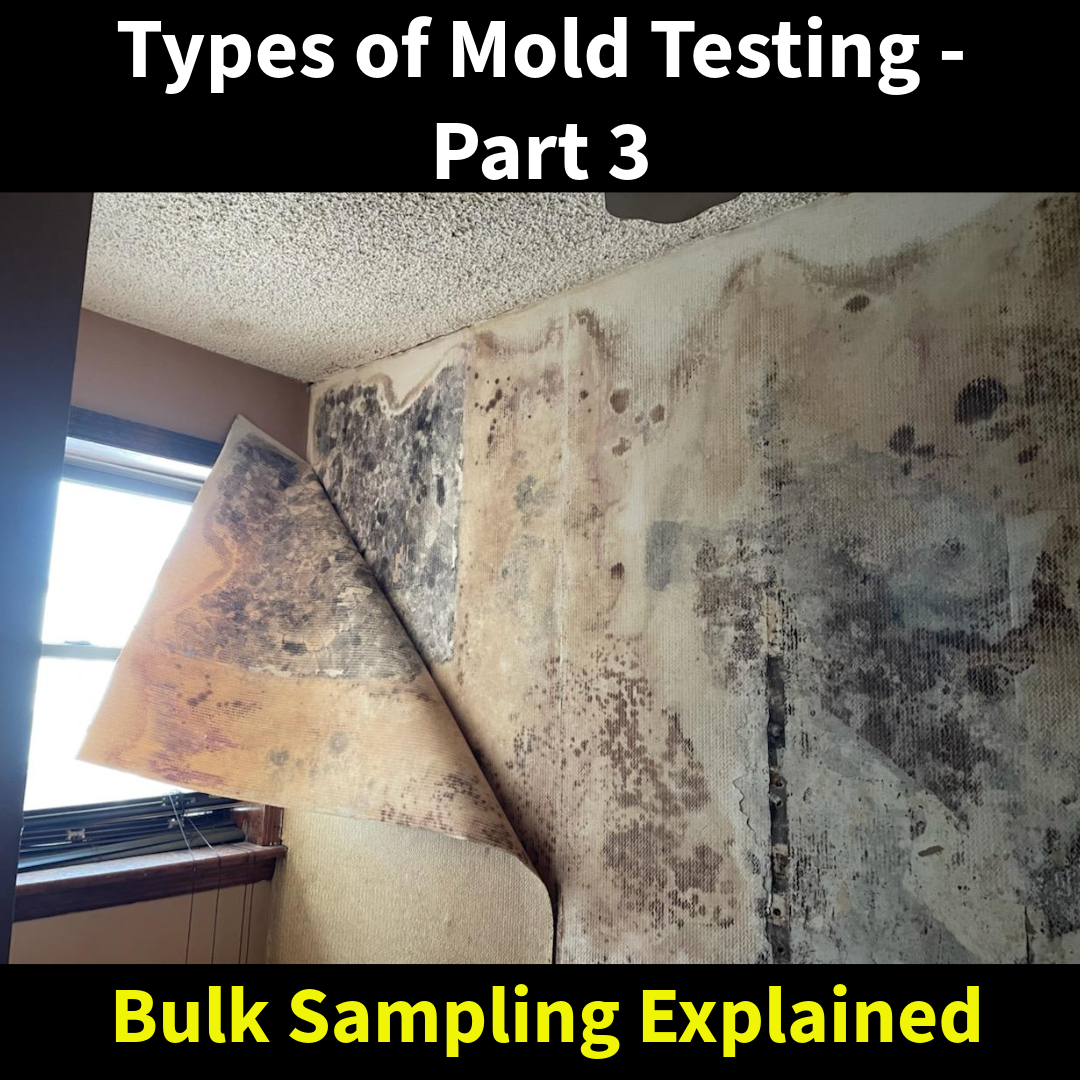
Mold growth is the result of moisture or elevated humidity conditions. Whether it is visible or hidden, the presence of mold indicates that something has allowed moisture to remain.
That condition does not go away just because the property changes hands.
Moisture problems follow the structure, not the owner.
The Problem With Limited Testing
Mold testing is only as accurate as the way it is performed. Improper testing, such as taking too few samples or placing them in non-representative areas, can lead to false negative results. This is one of the biggest issues seen in real estate transactions.
A test can miss mold even when it is present.
Why One Sample Is Not Enough
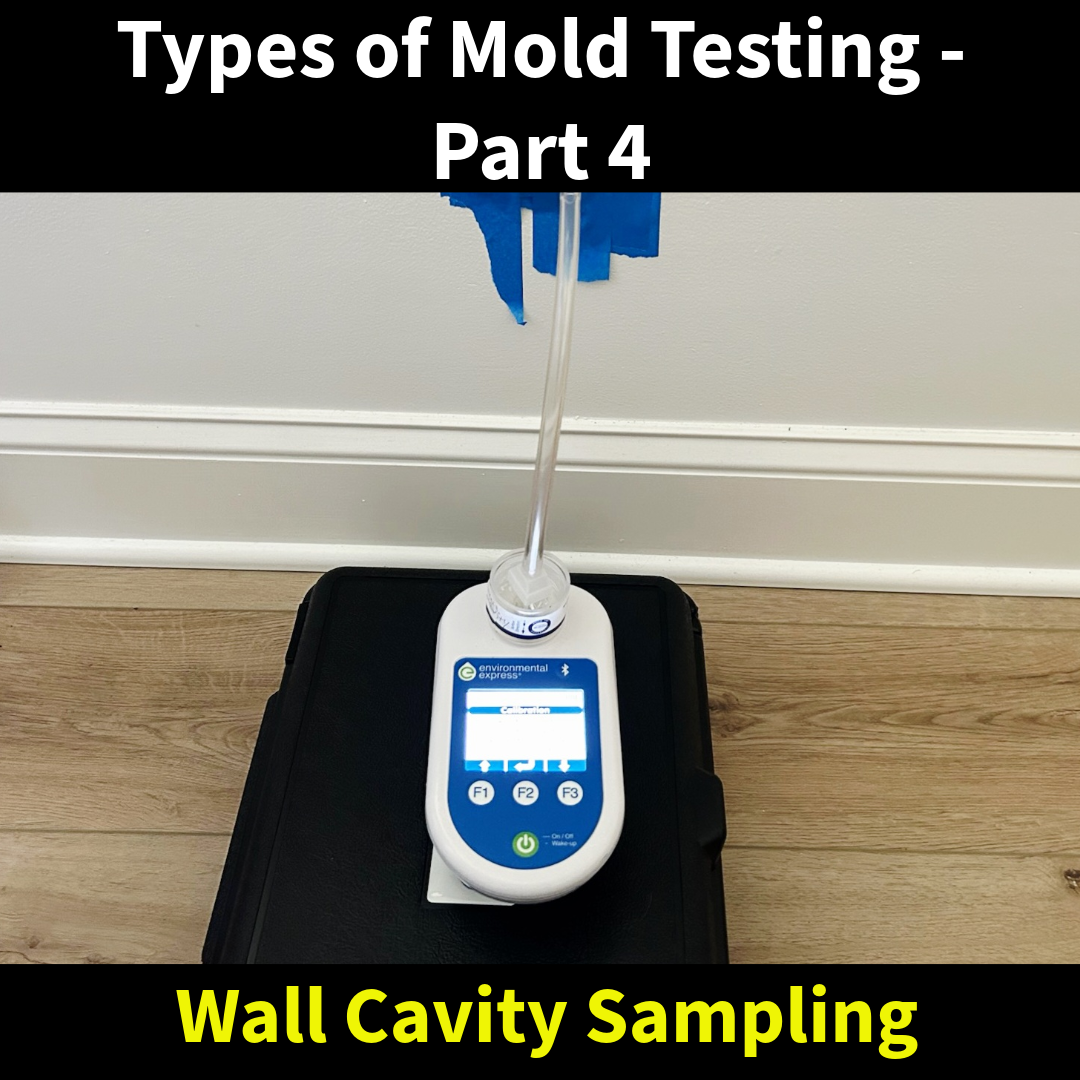
In larger homes or properties with multiple rooms, a single air sample is not representative of the entire environment. Each air cassette captures only a limited portion of the indoor air at that moment in time. Conditions can vary significantly throughout a home.
A formal living room at the front of the house may test normal, while a family room in the back or another section entirely may have elevated levels. Air quality is not uniform throughout a property.
Surface Testing Has Limits Too
Surface samples are even more limited in scope. A typical tape lift represents roughly a one inch by one inch area. That means it only reflects that exact spot. A sample taken inches or feet away could produce completely different results.
What you see in one location does not define the entire structure.
Why Mold Gets Overlooked in Transactions
In many real estate situations, mold is minimized as a minor issue or surface concern. Without proper evaluation, it can be dismissed or misunderstood. However, mold is not just about appearance.
It is about the conditions that allowed it to grow in the first place.
When Mold Should Be Addressed
If mold is confirmed, even in a localized area, it should be properly addressed. This includes cleaning or removing affected materials and correcting the source of moisture. Ignoring the condition or relying on limited testing can lead to larger issues later.
Small problems do not stay small when moisture is involved.
The Final Takeaway
A house can pass inspection and still have mold present. Testing and inspections are tools, but they are only as accurate as the methods used. Understanding the limitations of those tools is what prevents problems from being overlooked.
What is not found is not always what is not there.