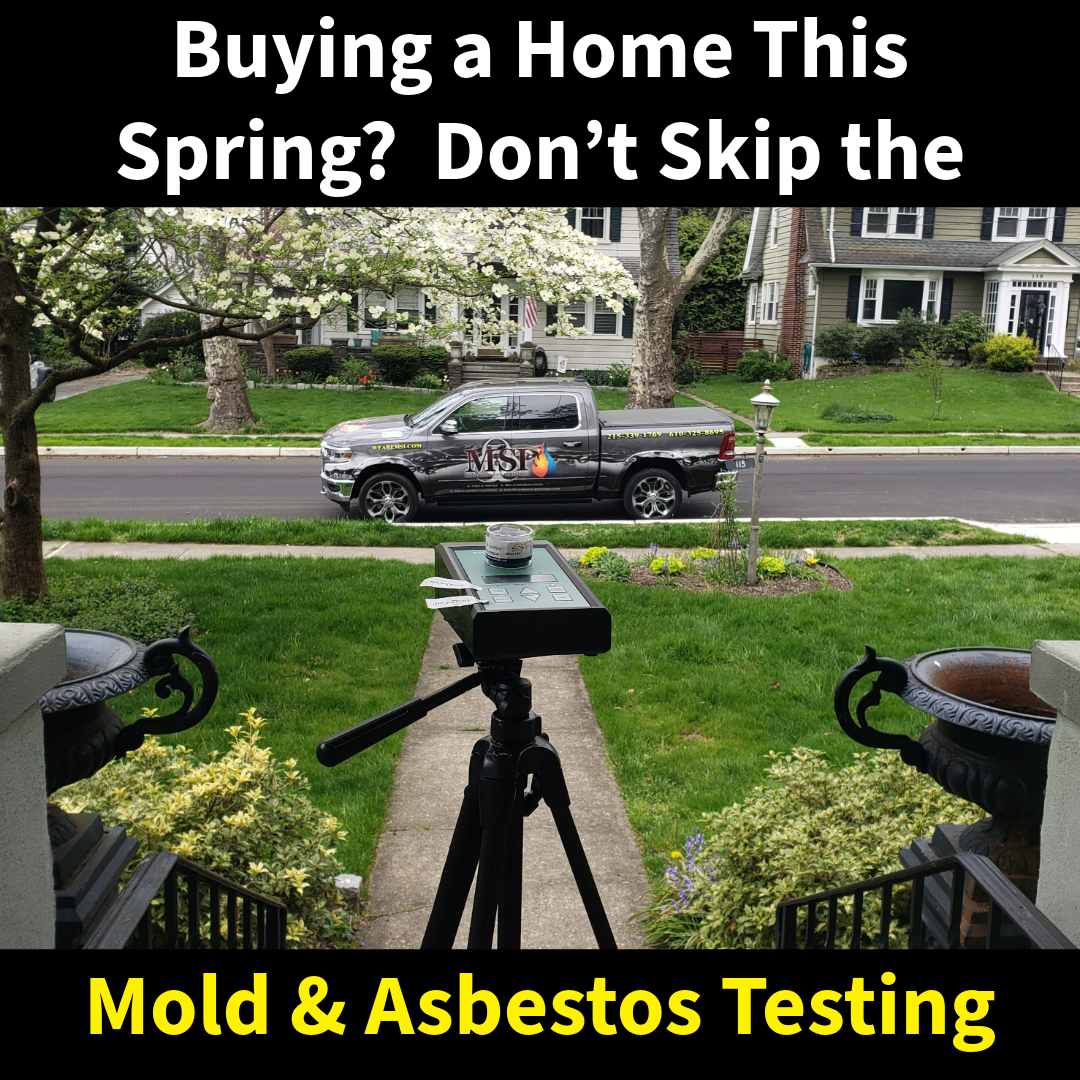
Buying a Home This Spring? Don’t Skip the Mold & Asbestos Inspection

Spring is the busiest time of year for real estate—and in today’s fast-moving housing market, buyers are often pressured to skip inspections just to stay competitive. But waiving a mold or asbestos inspection to win a bid can turn your dream home into a nightmare.

At MSI, we’ve seen too many homeowners move in, only to discover costly—and dangerous—issues lurking behind the walls. Here’s why a proper inspection is one corner you don’t want to cut.

Hidden Mold = Health Hazards + Big Repairs

Mold doesn’t care if your home looks move-in ready. Even beautiful, recently renovated houses can hide serious water damage or active mold growth behind fresh drywall. Leaky roofs, poor ventilation, or unfinished basements are common culprits.

Without a mold inspection, you could be signing up for:

  • Costly remediation work after move-in
  • Chronic allergies, asthma flare-ups, or other health issues
  • Insurance headaches if it’s classified as a “pre-existing” condition

Asbestos: Still Found in Homes Built Before the 1980s

You might think asbestos is a thing of the past—but it’s still found in many homes built before 1980, especially in:

  • Floor tiles and mastic
  • Pipe insulation
  • Popcorn ceilings
  • Old HVAC duct tape
  • Siding and roofing materials

If disturbed during renovations, asbestos can become airborne and dangerous to your health. And here’s the kicker: home sellers aren’t always required to test for it.

Skipping These Tests Could Cost You Thousands

A mold or asbestos problem isn’t just a health risk—it’s a financial one. Cleanup and remediation can easily run into the thousands. Worse, some mortgage lenders may require these issues be addressed before finalizing a loan.

For a fraction of your closing costs, you can avoid a massive financial surprise down the road.

Don’t Rely on the Seller’s Word—Get Your Own Testing

Even if the home “smells fine” or “looks clean,” these hazards can be invisible. Sellers often aren’t aware of issues—or may not disclose them if they’re doing a fast flip.

That’s where we come in. MSI has been testing homes for mold and asbestos since 1998. Our certified inspections are fast, thorough, and trusted by real estate professionals and attorneys alike.

Buying a Home? Book a Pre-Purchase Mold and Asbestos Inspection with MSI

Before you sign on the dotted line this spring, give yourself peace of mind. A quick inspection now can save you from major regrets later.

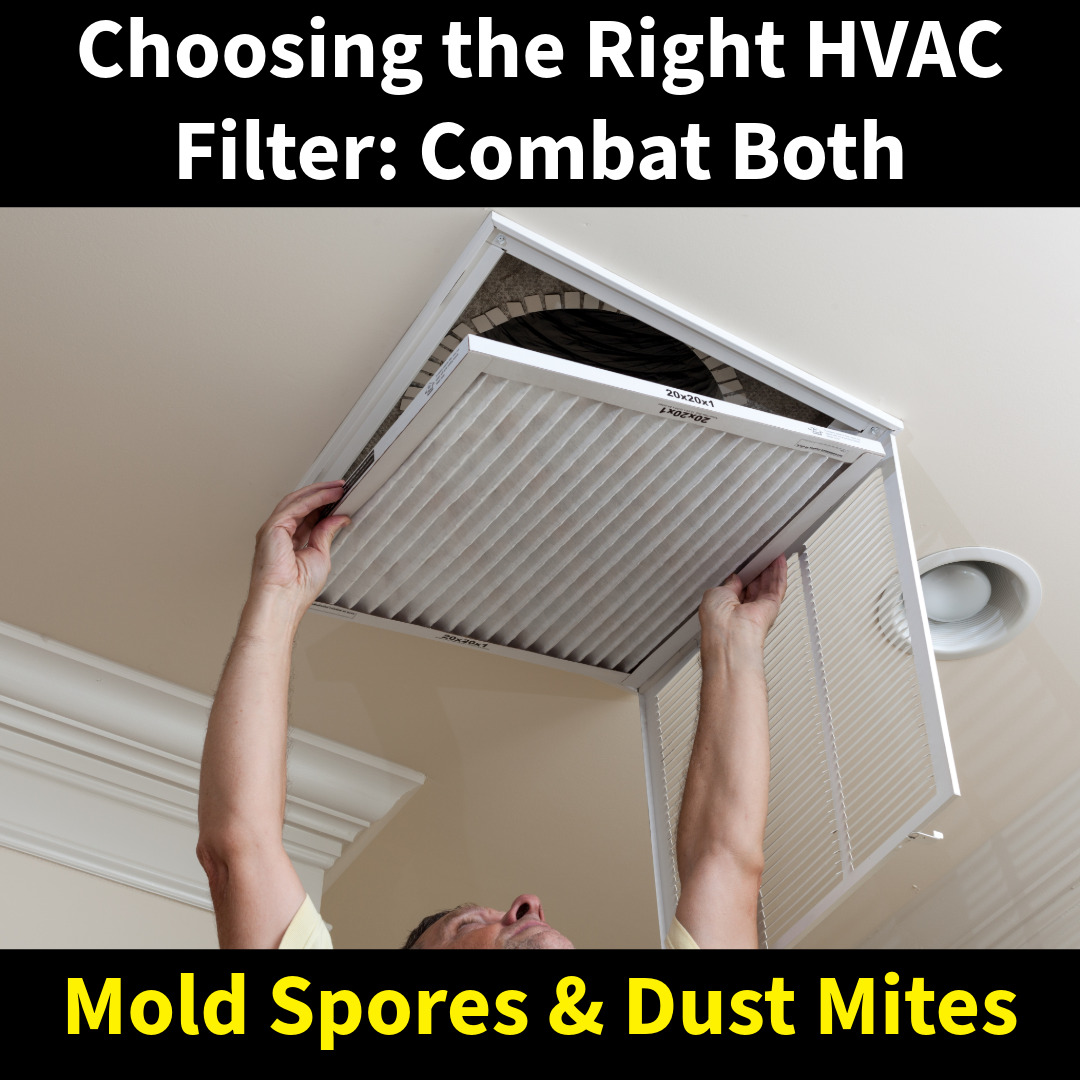
Choosing the Right HVAC Filter: Combat Mold Spores and Dust Mites

Indoor air quality is a crucial component of your home’s environment that directly impacts health and comfort. One of the most effective tools at your disposal to maintain clean air is your HVAC system’s filter. But not all filters are created equal, especially when it comes to combating specific allergens like mold spores and dust mites. In this blog, we’ll guide you through selecting the right HVAC filter to enhance your home’s air quality and protect your health.

1. Understanding HVAC Filters:

HVAC filters are designed to trap and remove particles from the air as it circulates through your heating, ventilation, and air conditioning system. These filters come in various types, each offering different levels of air purification:

  • Fiberglass filters: These are typically the most economical option, suitable for blocking large particles like lint and dust.
  • Pleated filters: Made from higher-quality materials, these filters can capture smaller particles, including mold spores and pollen.
  • HEPA filters: High-Efficiency Particulate Air (HEPA) filters are the gold standard in air filtration, capable of removing 99.97% of particles that are 0.3 microns or larger.

2. The Threat of Mold Spores and Dust Mites:

Mold spores and dust mites are common in many homes and can pose significant health risks, particularly to those with allergies or respiratory issues. Mold spores are tiny and can easily become airborne, while dust mites thrive in warm, humid environments and feed on organic matter like skin flakes.

3. Choosing the Right Filter:

To effectively combat mold spores and dust mites, you should consider the following specifications when selecting an HVAC filter:

  • MERV ratings: The Minimum Efficiency Reporting Value (MERV) rating measures a filter’s ability to capture larger particles between 0.3 and 10 microns. For homeowners concerned about mold spores and dust mites, filters with a MERV rating of 11 to 13 are typically sufficient to remove these allergens effectively.
  • HEPA filters: For households with severe allergies or asthma, a true HEPA filter can be particularly beneficial. These filters can trap even finer particles and significantly improve air quality.

4. Maintenance Tips:

Maintaining your HVAC filter is just as important as choosing the right one:

  • Change frequency: Generally, it’s recommended to change your HVAC filter every 90 days, but this can vary based on filter type and your home’s specific needs, such as pet ownership or allergy concerns.
  • Signs your filter needs changing: Increased dust accumulation, noticeable odors, and a decrease in airflow can all indicate that it’s time to replace your filter.
  • Regular maintenance: Besides changing your filter, regular HVAC maintenance is essential to ensure your system operates efficiently and continues to improve air quality.

5. Additional Measures to Improve Indoor Air Quality:

Beyond choosing and maintaining the right HVAC filter, consider these additional measures to enhance indoor air quality:

  • Control humidity: Reducing humidity levels can help prevent the growth of mold. Consider using dehumidifiers in particularly damp areas of your home.
  • Air purifiers: For extra protection, particularly in bedrooms or other high-use areas, standalone air purifiers can complement your HVAC system’s filters.

In Closing

Choosing the right HVAC filter is a simple yet effective way to significantly improve the air quality in your home and protect against allergens like mold spores and dust mites. By understanding the different types of filters and their capabilities, you can make an informed decision that best meets your family’s health needs. Remember, regular maintenance and additional air quality measures can further enhance your living environment.

Expert Witness Services: How Restoration Experts Strengthen Court Cases

In legal battles involving property damage, mold infestations, fire damage, or environmental hazards, having a qualified expert witness can make all the difference. Restoration professionals play a crucial role in providing credible, fact-based testimony that strengthens legal cases and helps attorneys build compelling arguments. At Mold Solutions & Inspections, our expertise in restoration services makes us a valuable asset in court proceedings, ensuring that the facts are clearly presented and well-supported.

The Role of an Expert Witness in Restoration Cases

An expert witness in restoration provides technical knowledge and objective analysis in cases involving property damage disputes, insurance claims, tenant-landlord conflicts, and construction defects. Their role includes:

  • Assessing Property Damage – Conducting thorough inspections to determine the cause, extent, and impact of damage.
  • Providing Professional Reports – Offering detailed documentation and reports that support legal claims with scientific evidence.
  • Testifying in Court – Presenting expert opinions based on industry standards, helping judges and juries understand complex restoration issues.
  • Consulting Attorneys – Assisting legal teams in interpreting reports, preparing arguments, and strategizing case presentations.

Why Choose a Restoration Expert as an Expert Witness?

When it comes to legal restoration services, working with an experienced professional is critical. Here’s how a restoration expert can add value to litigation:

  • Unbiased and Credible Testimony – Expert witnesses provide independent, fact-based assessments that courts trust.
  • In-Depth Industry Knowledge – A restoration professional understands the nuances of mold remediation, water damage, fire restoration, and hazardous materials, ensuring accurate evaluations.
  • Assistance with Insurance Disputes – Many legal cases involve insurance claims, where expert testimony can clarify damages, costs, and liability.
  • Scientific and Regulatory Compliance – Restoration experts are familiar with industry regulations, environmental guidelines, and safety protocols, providing authoritative insights.

Common Cases That Benefit from Restoration Expert Witness Services

Several legal situations call for the involvement of a restoration expert witness, including:

  • Mold-Related Lawsuits – Tenant lawsuits, insurance disputes, or business liability cases involving mold contamination.
  • Water Damage Disputes – Cases where property owners seek compensation for structural damage caused by leaks, floods, or plumbing failures.
  • Fire and Smoke Damage Claims – Legal battles over fire restoration costs, insurance coverage, and liability assessments.
  • Biohazard and Environmental Hazards – Litigation related to asbestos exposure, hazardous waste cleanup, or public health concerns.

Strengthening Your Case with Mold Solutions & Inspections

At Mold Solutions & Inspections, we provide expert witness services backed by years of hands-on experience in restoration and environmental hazard mitigation. Our team understands the complexities of property damage cases and offers professional assessments, comprehensive documentation, and expert testimony to support legal proceedings.

If you’re an attorney or an individual involved in a dispute requiring expert insight into property restoration, contact us today. Let our expertise work in your favor to strengthen your case and achieve a successful resolution.

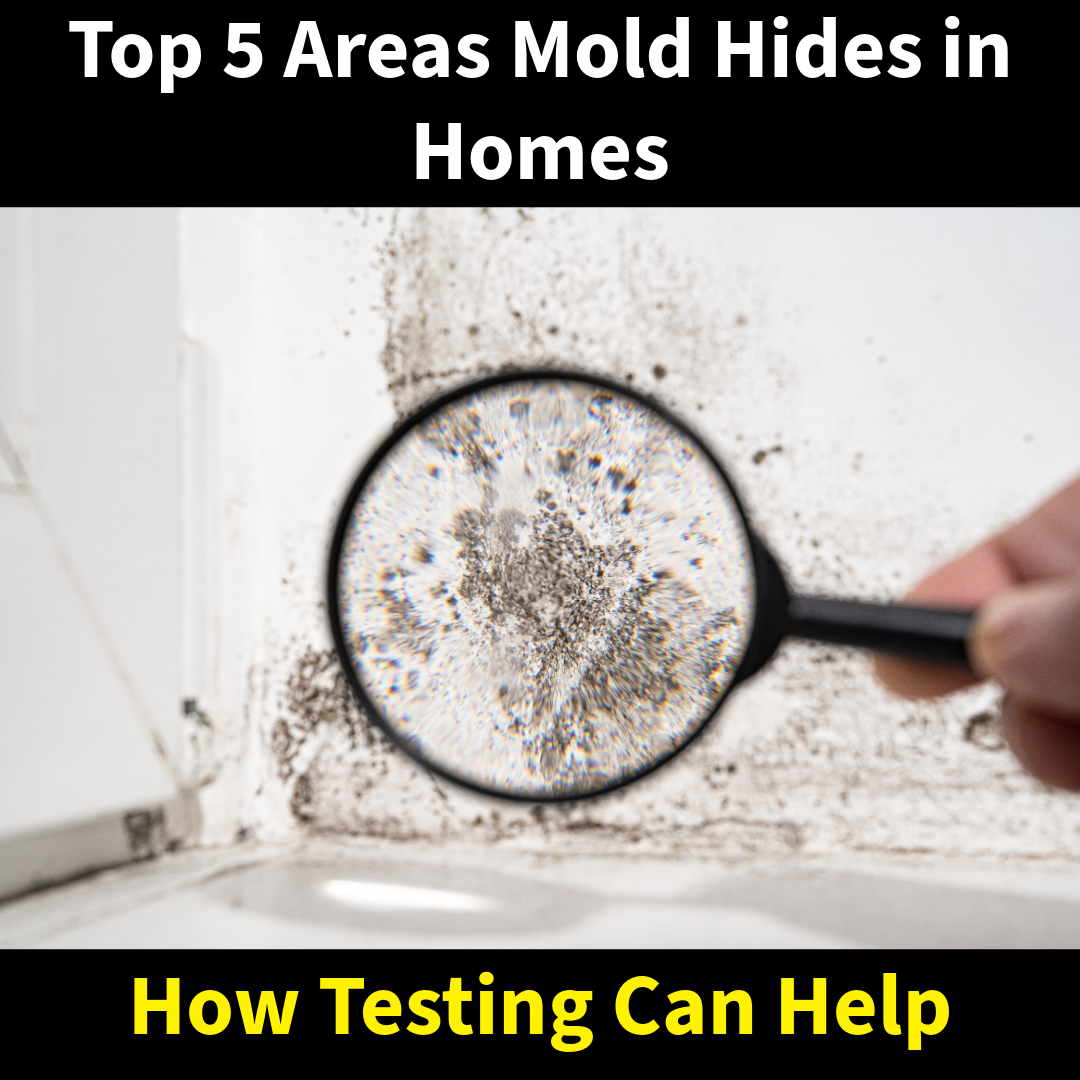
Top 5 Areas Mold Hides in Homes and How Testing Can Help

While visible mold growth is easy to spot, hidden mold can be a sneaky problem that thrives in unexpected places. Identifying these areas early on is crucial, and mold testing services can help ensure every trace of mold is discovered. Here are the top five areas where mold often hides in homes and how professional testing can help.

Behind Walls

Mold growth behind walls is common, especially in areas where plumbing leaks or condensation occurs. Drywall and insulation provide an ideal environment for mold to thrive, often unnoticed for months or even years. Since you can’t see behind walls, professional mold testing services can detect the presence of hidden mold by analyzing air quality and using specialized equipment.

Under Carpets and Flooring

Moisture from spills, flooding, or high humidity can seep beneath carpets and flooring, creating a perfect breeding ground for mold. Mold can grow on the padding or subfloor, often remaining hidden until the damage becomes severe. Mold testing can identify the issue before it becomes visible, saving you costly repairs.

Inside HVAC Systems

Your HVAC system—including air ducts, filters, and coils—is another common hiding spot for mold. The combination of dust, moisture, and darkness makes HVAC systems a prime environment for mold growth. Mold in your HVAC system can spread spores throughout your home, affecting indoor air quality. Testing ensures that your entire system is inspected and safe for use.

Underneath Sinks and Around Plumbing

The cabinets under sinks and areas around plumbing fixtures are hot spots for hidden mold. Leaky pipes or trapped moisture create a perfect environment for mold to flourish. Often overlooked during routine cleaning, these areas can be easily tested for mold using moisture meters and air sampling techniques.

Attics and Basements

Attics and basements are particularly vulnerable to hidden mold due to poor ventilation, high humidity, and potential leaks. Mold in these areas can go unnoticed for years, especially in unused or infrequently visited spaces. Professional mold testing can identify mold problems in these areas before they spread to the rest of your home.

How Mold Testing Ensures Complete Identification

Mold testing services go beyond what the eye can see. Professionals use advanced tools and techniques to detect mold, including:

  • Air Sampling: Measures the concentration of mold spores in the air, helping to identify hidden mold sources.
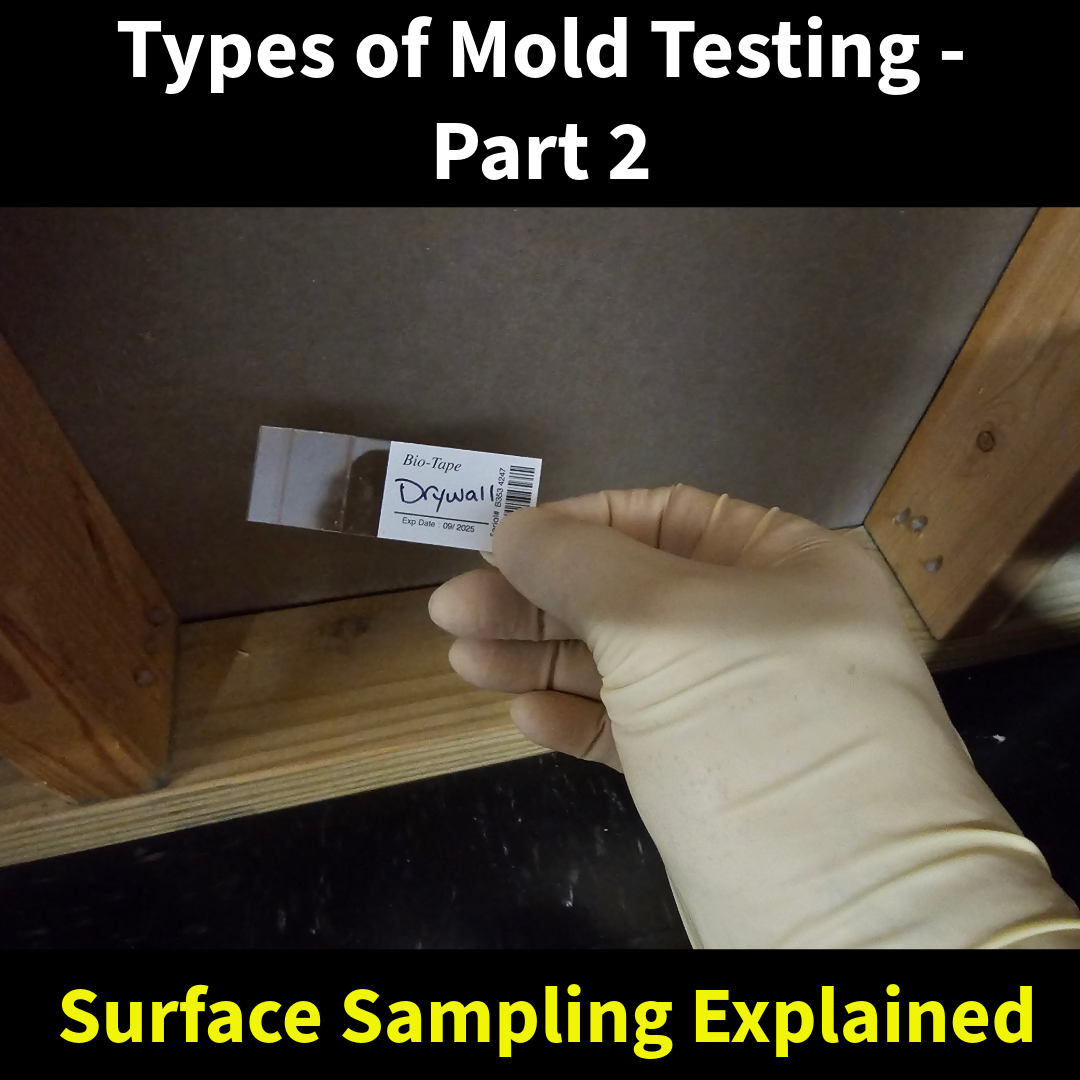
  • Surface Testing: Involves swabbing or tape-lifting surfaces to determine the presence of mold.
  • Moisture Mapping: Identifies areas of excess moisture that could lead to hidden mold growth.

By pinpointing the exact locations of hidden mold, testing ensures a comprehensive approach to remediation and prevention.

Protect Your Home with Professional Mold Testing

Hidden mold can cause serious damage to your home and health if left unchecked. Mold testing services provide peace of mind by identifying mold in even the most concealed areas. If you suspect hidden mold in your home, don’t wait—contact a professional mold testing company to ensure your home is safe and mold-free.

For expert mold testing and remediation, trust Mold Solutions & Inspections. Our team is dedicated to protecting your home and health with thorough and reliable services. Schedule your mold testing today!

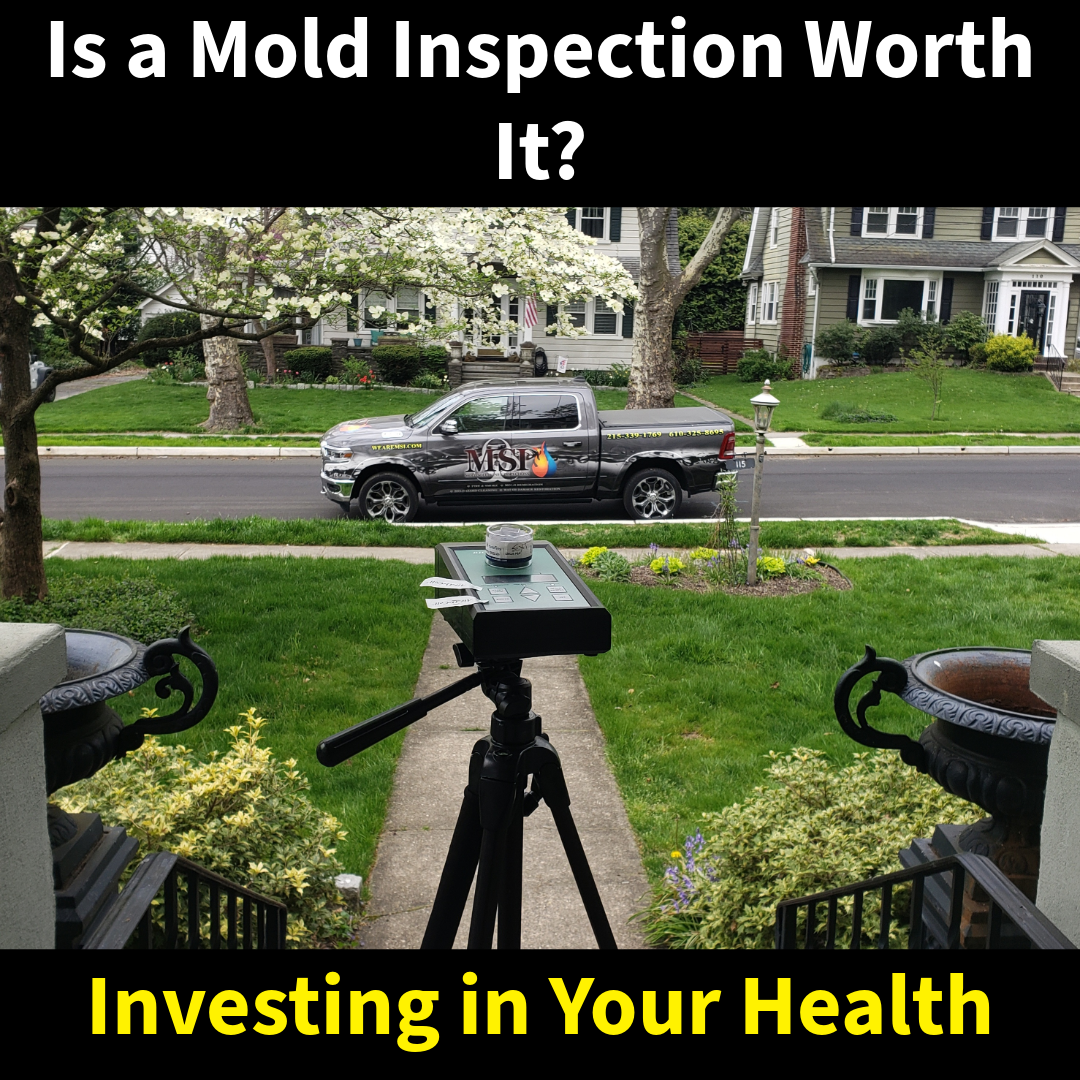
Is a Mold Inspection Worth It?

When it comes to safeguarding your home and health, few things are as important as ensuring a mold-free environment. Mold is not just an unsightly problem; it can cause serious structural damage and pose significant health risks. At Mold Solutions & Inspections, we often hear the question, “Is a mold inspection really worth it?” The short answer is yes, and here’s why.

Understanding the Risks of Mold

Mold thrives in damp environments and can grow unnoticed behind walls, under flooring, and in HVAC systems. Left untreated, mold can:

  • Damage Your Property: Mold feeds on organic materials like wood and drywall, potentially leading to costly repairs.
  • Affect Your Health: Exposure to mold can cause respiratory issues, allergic reactions, and worsen asthma or other pre-existing conditions.
  • Lower Property Value: Homes with mold issues can become difficult to sell or rent.

What Happens During a Mold Inspection?

A professional mold inspection is a thorough evaluation of your property to identify mold growth and the conditions that allow it to thrive. At Mold Solutions & Inspections, our process includes:

  1. Visual Assessment: We inspect for visible signs of mold, water damage, and moisture issues.
  2. Moisture Mapping: Using advanced tools, we pinpoint areas of high humidity and hidden water intrusion.
  3. Air and Surface Sampling: Lab testing of samples determines the type and concentration of mold present.
  4. Detailed Report: We provide a comprehensive report with findings and recommendations for remediation if needed.

Benefits of a Mold Inspection

  1. Peace of Mind: Knowing the condition of your property ensures you’re making informed decisions.
  2. Early Detection: Identifying mold early can prevent minor issues from becoming major (and costly) problems.
  3. Tailored Solutions: Professional inspectors, like the team at Mold Solutions & Inspections, provide customized remediation plans based on your property’s unique needs.
  4. Compliance: If you’re buying, selling, or renting a property, inspections ensure you’re meeting legal and safety standards.

When Should You Get a Mold Inspection?

  • After Water Damage: Leaks, floods, or plumbing issues create ideal conditions for mold growth.
  • Before Buying or Selling a Home: A mold inspection can protect your investment.
  • If You Notice Symptoms: Musty odors, visible spots, or unexplained health symptoms may indicate mold.
  • Routine Maintenance: Periodic inspections help catch problems before they escalate.

Why Choose Mold Solutions & Inspections?

Mold Solutions & Inspections is your trusted partner in mold testing and remediation. Our team combines expertise with state-of-the-art technology to deliver accurate results and effective solutions. We prioritize your safety and satisfaction, ensuring your home or business remains healthy and mold-free.

Conclusion

A mold inspection is an investment in your property and well-being. With potential risks to health, home value, and repair costs, the benefits of a professional inspection far outweigh the expense. If you’re concerned about mold in your property, contact Mold Solutions & Inspections today. Let us help you protect what matters most.

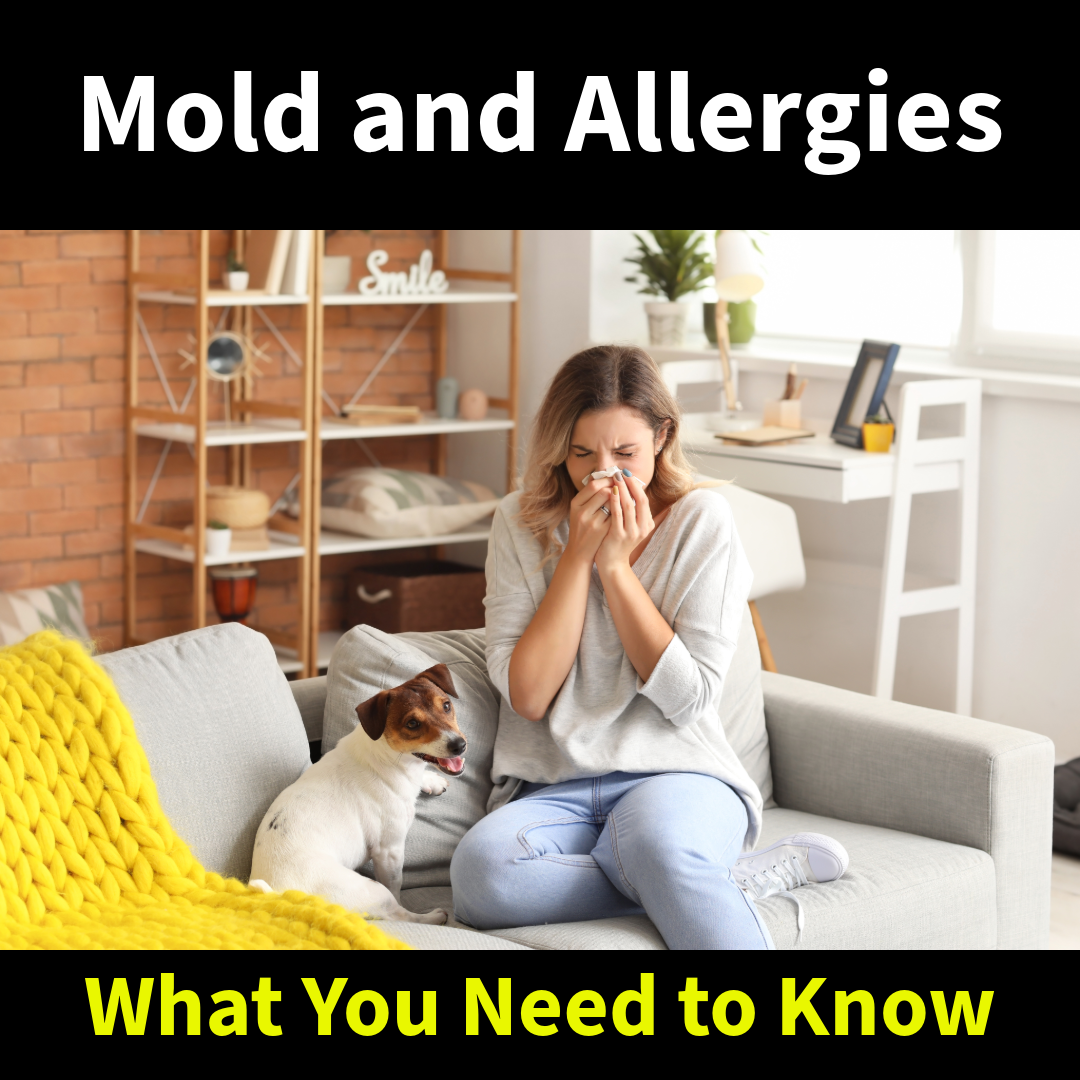
Mold and Allergies: What You Need to Know

Mold is a common household issue that can significantly impact indoor air quality and, for many, trigger allergic reactions. Understanding the connection between mold and allergies is crucial for maintaining a healthy living environment.

What is Mold?

Mold is a type of fungus that thrives in damp, warm conditions. It reproduces by releasing spores into the air, which can easily spread throughout a home. While some molds are harmless, others can produce allergens and irritants that affect sensitive individuals.

How Does Mold Affect Allergies?

For those with mold allergies, exposure can lead to a range of symptoms, including:

  • Sneezing
  • Runny or stuffy nose
  • Itchy or watery eyes
  • Coughing
  • Skin rashes

In some cases, exposure can also exacerbate asthma symptoms, making it difficult to breathe.

Common Sources of Mold

Mold can grow in various places around the home, particularly in areas with high humidity or moisture. Common sources include:

  • Bathrooms
  • Basements
  • Kitchens
  • Areas with water leaks or flooding

Prevention and Control

To minimize mold growth and its effects on allergies, consider these preventive measures:

  1. Maintain Humidity Levels: Keep indoor humidity below 50% by using dehumidifiers and proper ventilation.
  2. Fix Leaks Promptly: Address any leaks in plumbing or roofing to prevent moisture accumulation.
  3. Clean Regularly: Regular cleaning of surfaces, especially in bathrooms and kitchens, can help prevent mold buildup.
  4. Use Mold-Resistant Products: Consider mold-resistant paints and building materials, particularly in high-moisture areas.

When to Seek Help

If you notice significant mold growth or experience persistent allergy symptoms, it may be time to consult a professional. A comprehensive mold test can lead to discovery of the issue and identify the type of mold which will then aid in finding the origin. Mold remediation experts can assess the situation and safely remove mold, ensuring your home is a healthy space. Having mold remediation completed improperly can lead to cross contamination and only exacerbate the issue, so doing your due diligence by finding a qualified mold removal contractor can save you time and money while also limiting your exposure to mold.

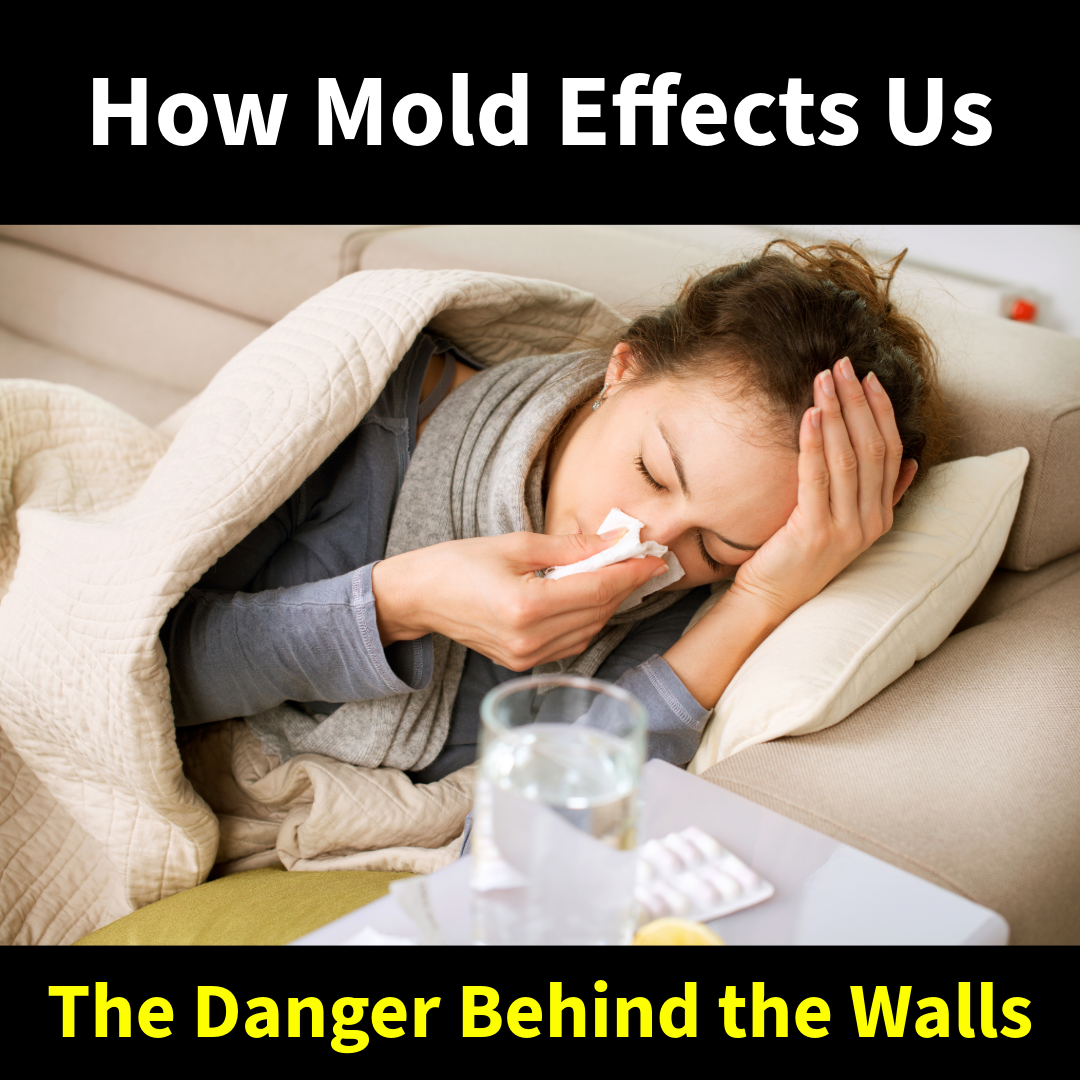
How Mold Effects Us

After pollens, molds are the leading cause of outdoor airborne allergies, which can recur year-round. Some of the most common symptoms of those sensitive to molds include nasal stuffiness, eye irritation, wheezing, cold and flu-like symptoms, rashes, conjunctivitis, inability to concentrate, and fatigue. Mold exposure has also been associated with asthma onset. Symptoms usually disappear when the mold is removed. However, under certain conditions, exposure to mold can cause serious health problems. Some people with chronic illnesses, such as obstructive lung disease, for example, may develop mold infections in their lungs. Also, some people exposed to large amounts of mold at work, such as farmers working with moldy hay, may develop even more severe reactions, including fever and shortness of breath. Some molds are toxic, producing chemicals called “mycotoxins,” which in large doses may affect human health, usually by causing allergy-like symptoms such as watery eyes or eye irritation, runny nose and sneezing or nasal congestion, wheezing and difficulty breathing, aggravation of asthma, coughing, itching, or rashes.

Other health problems that have been linked to mold exposure involve the odors produced by mold “volatiles” during the degradation of substrates. These have been discovered to irritate mucous membranes, and they have been associated with a number of symptoms from headaches and nausea to fatigue in individuals exposed to them. For those suffering from multiple chemical sensitivities, the simple presence of these microbial volatile organic compounds (MVOCs) can trigger a reaction just as strong and serious as exposure to chemical VOCs. Fungi or microorganisms related to them may cause other health problems similar to allergy. Some kinds of Aspergillus especially may cause several different illnesses, including both infections and allergy. These fungi may lodge in the airways or a distant part of the lung and grow until they form a compact sphere known as a “fungus ball.” In people with lung damage or serious underlying illnesses, Aspergillus may grasp the opportunity to invade and actually infect the lungs or the whole body.

In some individuals, exposure to these fungi can also lead to asthma or to an illness known as “allergic bronchopulmonary aspergillosis.” This latter condition, which occurs occasionally in people with asthma, is characterized by wheezing, low-grade fever, and coughing up of brown-flecked masses or mucous plugs. Skin testing, blood tests, x-rays, and examination of the sputum for fungi can help establish the diagnosis. Corticosteroid drugs are usually effective in treating this reaction; immunotherapy (allergy shots) is not helpful. The occurrence of allergic aspergillosis suggests that other fungi might cause similar respiratory conditions. Inhalation of spores from fungus-like bacteria, called “actinomycetes,” and from mold can cause a lung disease called “hypersensitivity pneumonitis.” This condition is often associated with specific occupations. For example, farmer’s lung disease results from inhaling spores growing in moldy hay and grains in silos. Occasionally, “hypersensitivity pneumonitis” develops in people who live or work where an air conditioning or a humidifying unit that is contaminated with these spores emits them.

The symptoms of “hypersensitivity pneumonitis” may resemble those of a bacterial or viral infection such as the flu. Bouts of chills, fever, weakness, muscle pains, cough, and shortness of breath develop 4 to 8 hours after exposure to the offending organism. The symptoms gradually disappear when the source of exposure is removed and the area properly ventilated. If it is not removed, workers having to be in those contaminated areas must wear a protective mask with a filter capable of removing spores or change jobs. If “hypersensitivity pneumonitis” is allowed to progress, it can lead to serious heart and lung problems. Also, air with a high concentration of fungal spores of a number of different types of molds may contain toxins that, when breathed over a long period of time, may result in a kind of poisoning. Stachybotrys atra, a mold that is commonly found on wet cellulose products (for example, drywall) and is causing growing concern among physicians, is one of these molds. In one recent study, it was linked to lung bleeding in infants. This mold has also been linked to sudden infant death syndrome and to central nervous system symptoms such as personality changes, sleep disorders, and memory loss.