The Power of Dehumidification: How to Prevent Mold

Humidity inside your home isn’t just about comfort—it can significantly impact your health and the integrity of your building. Excessive moisture is one of the primary culprits behind mold growth and structural damage. This makes managing indoor humidity a crucial aspect of home maintenance.

What is a Dehumidifier?

A dehumidifier is a device designed to remove excess moisture from the air, helping to maintain an ideal relative humidity level. There are two main types of dehumidifiers: refrigerative, which works by cooling air to remove moisture, and desiccant, which uses a drying agent to absorb water from the air.

Benefits of Dehumidification

The advantages of using a dehumidifier include preventing mold and mildew formation by maintaining lower humidity levels. This not only helps in keeping the air healthier but also protects furniture, electronics, and even the structural integrity of your home. Additionally, reducing indoor moisture can deter dust mites and other allergens, enhance air quality, and increase overall comfort.

Choosing the Right Dehumidifier

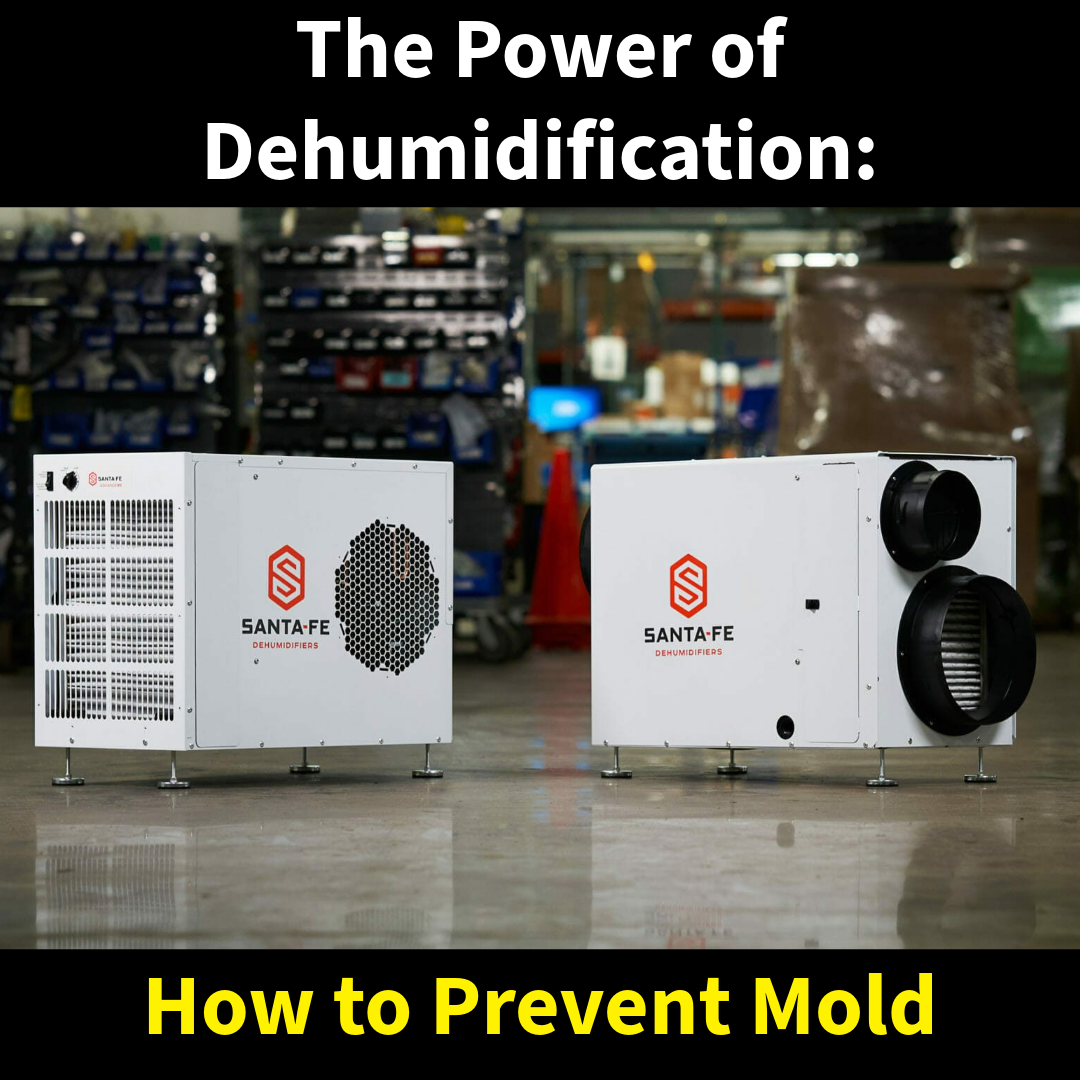
Many standard dehumidifiers available at big box stores might not be up to the task for more demanding environments. They often lack the durability and capacity needed for sustained use in highly humid conditions or larger spaces. In contrast, professional-grade dehumidifiers, like the Santa units we offer, are designed to handle significant workloads. These units are not only more powerful but also feature Merv 13 filters, ensuring that the air is effectively cleaned of particulates before being recirculated.

Why Professional-Grade Units Are a Better Choice

Choosing a dehumidifier that meets your specific needs is essential. For those in need of reliable and effective moisture control, professional-grade models are preferable. They are built to last and perform efficiently even under strenuous conditions. Moreover, the Merv 13 filters provide an additional layer of air purification, making these units an excellent investment for health-conscious homeowners.

Maintenance Tips for Dehumidifiers

To ensure your dehumidifier operates effectively, regular maintenance such as cleaning filters and checking for proper airflow is necessary. This helps extend the life of the unit and maintain its efficiency. Maintaining proper indoor humidity is crucial for your health and the preservation of your home. Professional-grade dehumidifiers, like our Santa models equipped with Merv 13 filters, offer dependable performance and superior air purification. For more information on our products or to schedule a free consultation, visit our website or call our office. Investing in a high-quality dehumidifier is a proactive step towards a healthier, more comfortable home environment.
Choosing the Right HVAC Filter: Combat Mold Spores and Dust Mites

Indoor air quality is a crucial component of your home’s environment that directly impacts health and comfort. One of the most effective tools at your disposal to maintain clean air is your HVAC system’s filter. But not all filters are created equal, especially when it comes to combating specific allergens like mold spores and dust mites. In this blog, we’ll guide you through selecting the right HVAC filter to enhance your home’s air quality and protect your health.

1. Understanding HVAC Filters:

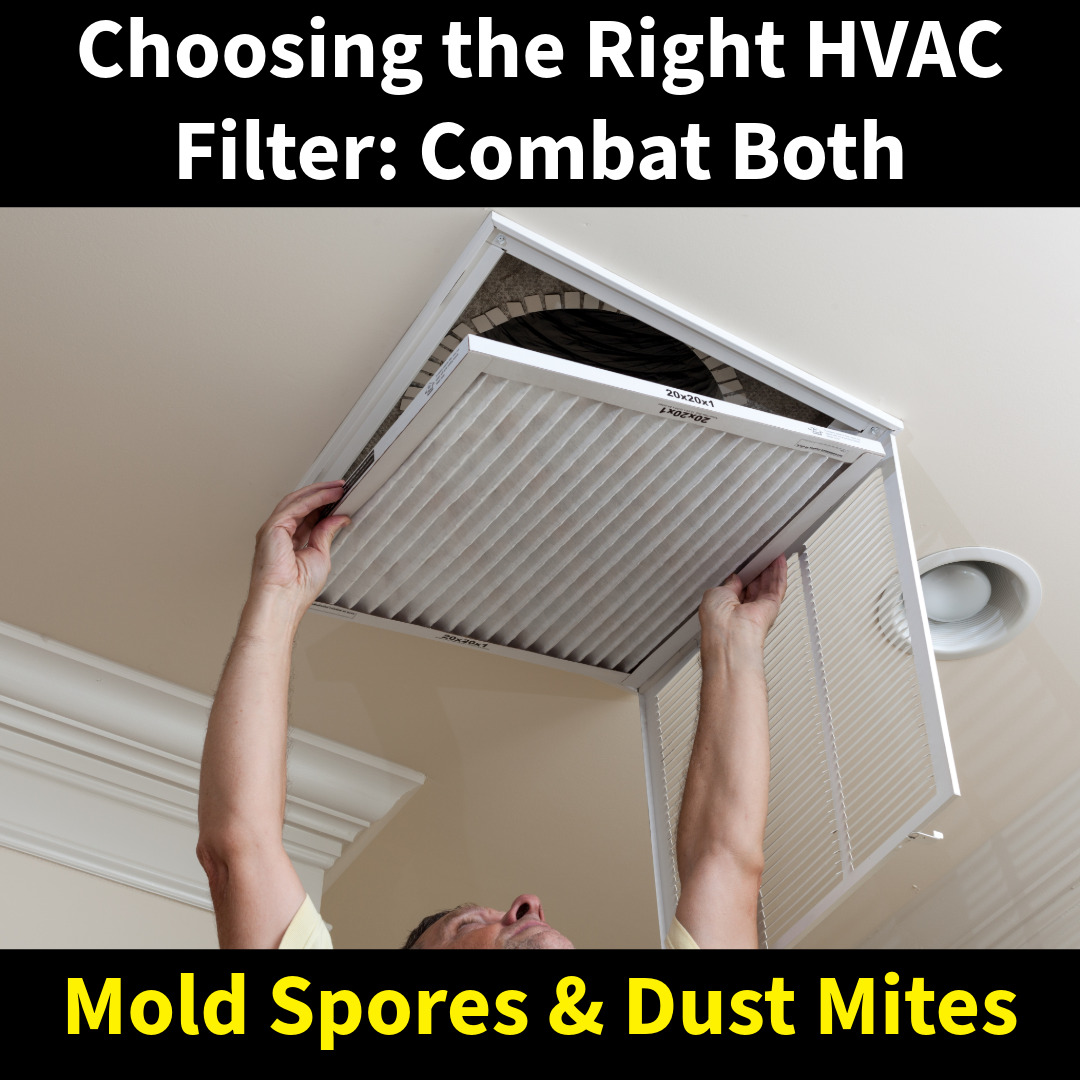
HVAC filters are designed to trap and remove particles from the air as it circulates through your heating, ventilation, and air conditioning system. These filters come in various types, each offering different levels of air purification:

  • Fiberglass filters: These are typically the most economical option, suitable for blocking large particles like lint and dust.
  • Pleated filters: Made from higher-quality materials, these filters can capture smaller particles, including mold spores and pollen.
  • HEPA filters: High-Efficiency Particulate Air (HEPA) filters are the gold standard in air filtration, capable of removing 99.97% of particles that are 0.3 microns or larger.

2. The Threat of Mold Spores and Dust Mites:

Mold spores and dust mites are common in many homes and can pose significant health risks, particularly to those with allergies or respiratory issues. Mold spores are tiny and can easily become airborne, while dust mites thrive in warm, humid environments and feed on organic matter like skin flakes.

3. Choosing the Right Filter:

To effectively combat mold spores and dust mites, you should consider the following specifications when selecting an HVAC filter:

  • MERV ratings: The Minimum Efficiency Reporting Value (MERV) rating measures a filter’s ability to capture larger particles between 0.3 and 10 microns. For homeowners concerned about mold spores and dust mites, filters with a MERV rating of 11 to 13 are typically sufficient to remove these allergens effectively.
  • HEPA filters: For households with severe allergies or asthma, a true HEPA filter can be particularly beneficial. These filters can trap even finer particles and significantly improve air quality.

4. Maintenance Tips:

Maintaining your HVAC filter is just as important as choosing the right one:

  • Change frequency: Generally, it’s recommended to change your HVAC filter every 90 days, but this can vary based on filter type and your home’s specific needs, such as pet ownership or allergy concerns.
  • Signs your filter needs changing: Increased dust accumulation, noticeable odors, and a decrease in airflow can all indicate that it’s time to replace your filter.
  • Regular maintenance: Besides changing your filter, regular HVAC maintenance is essential to ensure your system operates efficiently and continues to improve air quality.

5. Additional Measures to Improve Indoor Air Quality:

Beyond choosing and maintaining the right HVAC filter, consider these additional measures to enhance indoor air quality:

  • Control humidity: Reducing humidity levels can help prevent the growth of mold. Consider using dehumidifiers in particularly damp areas of your home.
  • Air purifiers: For extra protection, particularly in bedrooms or other high-use areas, standalone air purifiers can complement your HVAC system’s filters.

In Closing

Choosing the right HVAC filter is a simple yet effective way to significantly improve the air quality in your home and protect against allergens like mold spores and dust mites. By understanding the different types of filters and their capabilities, you can make an informed decision that best meets your family’s health needs. Remember, regular maintenance and additional air quality measures can further enhance your living environment.

Why You Can & Should Choose Your Own Restoration Company

Dealing with water damage is stressful enough without the added complexity of navigating insurance claims. While many homeowners rely on their insurance companies to guide them through the process, it’s important to know that you have the right to choose your own restoration company. This decision can significantly impact the efficiency and quality of the repairs.

Homeowner Rights
When you file a claim for water damage, your insurance company may suggest or recommend a specific restoration vendor. However, as a homeowner, you are not obligated to use their preferred provider. You have the complete freedom to select a vendor based on your own research, preferences, and past experiences.

Pros and Cons of Choosing Your Own Vendor:

  • Personal Comfort: Opting for a company you trust or that comes highly recommended by friends and family can make a significant difference in your peace of mind during the restoration process.
  • Quality of Service: You can choose a company that you know has a good track record and provides high-quality service.

Cons of Not Using an Approved Vendor:

  • Pricing Discrepancies: Non-approved vendors may charge rates that are higher than what the insurance covers, potentially leaving you to pay the difference.
  • Claim Delays: Using a vendor unfamiliar with your insurance company’s process can lead to delays in claim approval and project completion.

Benefits of Using an Approved Vendor
Choosing an approved vendor who is versed in the insurance claims process offers distinct advantages:

  • Familiarity with Claims Process: Approved vendors understand the documentation and procedures that insurance companies require, which can streamline the claims process and hasten your home’s restoration.
  • Approved Vendor Price List: These vendors use a pricing list that is generally accepted by insurance companies, ensuring that there are no unexpected out-of-pocket costs for you.

Conclusion
Selecting the right restoration company is a crucial decision that affects not just the quality of repairs but also the ease of your insurance claim process. While you have the freedom to choose any vendor, an approved vendor like MSI offers the dual benefits of expertise in insurance procedures and a commitment to customer-first service. At MSI, we ensure that our interests are aligned with yours, not the insurance company’s. Trust us to prioritize your needs and help you navigate through this challenging time with ease and transparency.

Tenant Rights When Dealing with Mold: A Comprehensive Guide

Mold in rental properties is more than just an inconvenience; it can affect your health and the overall condition of your home. Understanding tenant rights regarding mold is crucial for navigating these issues effectively. Here’s a detailed guide on how to handle mold problems in your rental property while protecting your rights.

Know Your Legal Rights

As a tenant, you have legal rights when it comes to maintaining a habitable living environment. Most rental agreements and local housing laws mandate that landlords must address mold problems. Familiarize yourself with your lease agreement and local tenant rights to understand your landlord’s obligations.

Document the Mold Issue

Proper documentation is essential when dealing with mold in your rental. Take clear photos and videos of the affected areas and keep a written record of when you first noticed the problem. This evidence is vital if you need to escalate the issue or pursue legal action, so you will need to get a mold test performed by a certified mold inspector for direct lab results without conflict.

Notify Your Landlord Promptly

Report the mold problem to your landlord in writing as soon as possible. Include details about the location of the mold and any health symptoms you may be experiencing. Request a specific timeline for repairs. Written communication helps create a record of your efforts to resolve the issue.

Allow for Repairs

After notifying your landlord, allow a reasonable amount of time for them to address the mold issue. Landlords typically have a legal obligation to act swiftly on such problems. Be aware of what constitutes a “reasonable” timeframe according to your local housing laws.

Explore Your Options

If your landlord does not address the mold problem promptly, you have several options:

  • Withhold Rent: In some areas, you may be able to withhold rent until the issue is resolved. Be sure to get legal advice before taking this step to avoid potential eviction.
  • Repair and Deduct: You might be able to pay for mold removal yourself and deduct the cost from your rent. Consult with a legal professional to ensure you follow the correct procedures.
  • Seek Legal Advice: Contact a local tenant’s rights organization or a lawyer specializing in landlord-tenant law for guidance specific to your situation and jurisdiction.

Consider Health Implications

Mold exposure can lead to serious health issues, especially for individuals with respiratory conditions. If you experience health problems related to mold, consult a healthcare professional and obtain documentation of your symptoms. This documentation can support your case if legal action becomes necessary.

Evaluate Your Living Situation

If mold is a recurring issue in your rental property, assess whether it’s worth staying in the property. Persistent mold problems may indicate underlying issues that are not easily resolved.

Conclusion

Handling mold in your rental property can be challenging, but knowing your tenant rights and taking appropriate action can make a significant difference. Document the problem, communicate effectively with your landlord, and seek legal advice if needed. By following these steps, you can help ensure a safe and healthy living environment.