When Rain Overwhelms Your Basement Windows: Why and How to Stop It

Basements are often the first place to flood during a heavy storm — and one of the biggest culprits is often overlooked: basement windows. When rain falls faster than the ground can absorb it, water looks for the path of least resistance — and weak or poorly sealed window wells become prime targets.

At MSI, we’ve responded to countless water damage calls caused by this exact issue. Here’s what every homeowner needs to know.


Why Basement Windows Leak During Heavy Rain

Basement windows are designed to keep out normal moisture and weather conditions — but when water pools outside the window well, problems begin. Here’s why it happens:

  • Poor Drainage in the Window Well
    Many window wells don’t have a functioning drain or gravel base to let water percolate downward. Once water builds up, pressure forces it through any crack or gap.
  • Clogged or Non-Existent Window Well Drains
    Leaves, dirt, and debris can block window well drains, essentially turning your window into a small fish tank — until it bursts.
  • Improper Window Sealing or Aging Caulk
    Over time, the seals around basement windows break down. Even the tiniest gap becomes a direct entry point when water is pushing with pressure behind it.
  • Grading and Landscaping Issues
    If the ground slopes toward the house, rainwater naturally flows toward your foundation and basement windows, compounding the problem.

The Water Damage That Follows

Once water finds its way through a basement window, it doesn’t take long for real damage to occur:

  • Soaked carpets and drywall
  • Warped wood framing and baseboards
  • Mold growth within 24–48 hours
  • Damage to stored contents or finished basements

By the time you notice a puddle, water has already been working its way into porous materials, and the damage has begun.


How to Prevent Water from Entering Through Basement Windows

The good news? With the right upgrades and maintenance, this type of water damage is completely preventable:

  • Install or Clear Out Window Well Drains
    If your window wells don’t drain, water will always pool. Make sure each well has a functional drain with gravel for proper flow.
  • Add Clear Window Well Covers
    These polycarbonate covers keep rain and debris out while still letting in light — a simple fix that prevents buildup.
  • Inspect and Reseal Window Frames
    Regularly check the caulking and seals around each window, especially before storm season.
  • Improve Grading Around the Home
    The soil should slope away from the foundation. If not, water runoff will move straight toward your window wells.
  • Consider Exterior Drainage Solutions
    French drains, downspout extensions, and sump pumps all play a role in redirecting water away from basement windows.

Conclusion

Water intrusion through basement windows may seem like a small problem, but it can lead to major damage and costly repairs. Heavy rain is going to happen — the real question is whether your home is prepared for it.

If your basement recently flooded, don’t wait. Mold can begin growing in as little as 24 hours. At MSI, we provide fast, thorough water damage restoration and mold prevention services to get your home back to normal — safely and correctly.
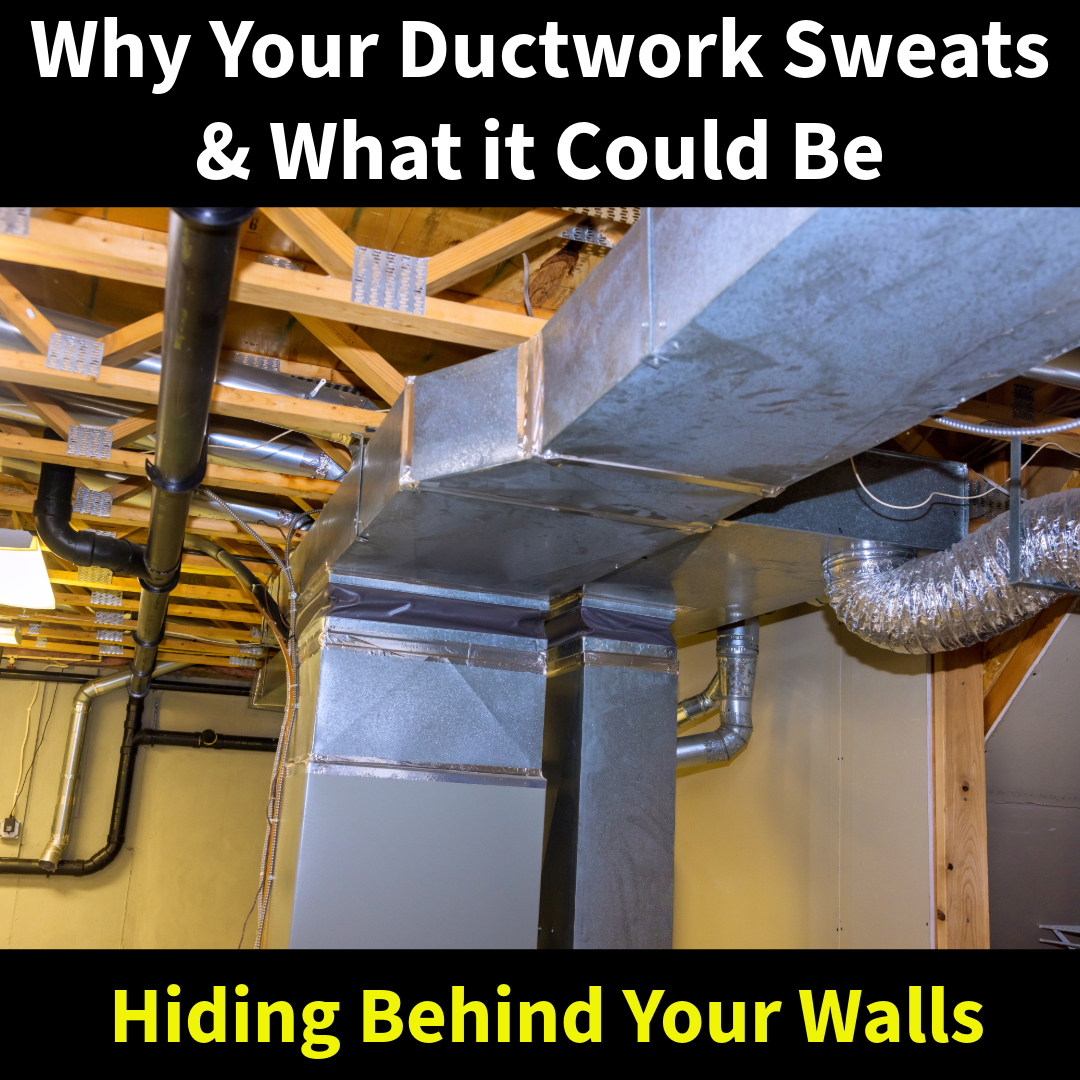

Why Your Ductwork Sweats & What It Could Be Hiding Behind Your Walls

When your HVAC system is running, you probably don’t think twice about the ductwork behind your ceilings or walls. But that same ductwork can become a hidden source of water damage, mold growth, and costly repairs—especially when condensation starts to build up. Understanding why ductwork condensates, where it’s most likely to happen, and what can go wrong as a result can save you thousands down the road.

Why Does Ductwork Condensate?

Condensation forms when warm, humid air comes into contact with a cold surface—just like a cold glass of water on a hot day. In your home, that cold surface is often the metal ductwork carrying cool air from your AC system.

Several factors can lead to ductwork sweating:

  • High indoor humidity: When indoor humidity climbs above 60%, there’s a greater risk of condensation.
  • Poor insulation around the ducts: If the ducts aren’t properly insulated, the cold air inside causes the metal to “sweat” in warm, humid conditions.
  • Air leaks: When warm air infiltrates ductwork through gaps, it can trigger internal condensation.
  • Unconditioned spaces: Ducts running through areas like attics, crawl spaces, or basements are particularly vulnerable due to temperature differences.

Where It Happens Most

Condensation can occur anywhere ductwork runs, but it’s most common in:

  • Basements and crawl spaces – These areas are naturally more humid and often not air-conditioned.
  • Unfinished attics – Especially if your home has metal trunk lines running across the attic floor.
  • Ceiling spaces – Ducts that run through unconditioned ceiling voids, particularly in older homes, are prime targets.
  • Wall cavities – When cool air is pushed through walls that aren’t insulated properly, trapped humidity can result in slow, hidden condensation buildup.

The Damage It Causes

While a little bit of sweating may not seem like a big deal, consistent or excessive condensation can cause:

  • Water stains on ceilings or walls
  • Rusting or corrosion of ductwork
  • Damage to drywall or insulation
  • Mold growth in walls, ceilings, or around vents
  • Compromised indoor air quality and allergy flare-ups

Over time, that dripping moisture creates an ideal environment for mold colonies to thrive—especially in hidden areas where homeowners may not notice the problem until odors or stains appear.

How to Fix and Prevent It

Addressing condensation issues requires a combination of proper HVAC maintenance, insulation, and moisture control:

  1. Improve duct insulation
    Wrapping your ducts with proper insulation (like closed-cell foam or fiberglass sleeves) reduces surface temperature differences and helps prevent sweating.
  2. Seal air leaks
    Use mastic sealant or foil-backed tape to seal duct joints and connections to keep warm air out and conditioned air in.
  3. Control humidity
    Use a whole-home dehumidifier or portable units to keep indoor humidity below 50%. Basements and crawl spaces especially benefit from dehumidification.
  4. Encapsulate crawl spaces
    Crawl space encapsulation with vapor barriers and dehumidifiers can dramatically reduce ambient moisture and prevent condensation on ductwork.
  5. Check HVAC system performance
    An undersized or oversized AC unit can lead to improper cycling and excess moisture in ducts. A licensed HVAC tech can help assess your system.
  6. Routine mold and moisture inspections
    If your home has a history of duct sweating, regular inspections can catch early signs of water damage or mold before they become a major problem.

The Mold Risk You Can’t See

If condensation has already caused water to drip behind ceilings or into wall cavities, you may already be dealing with mold growth without knowing it. Musty smells, allergy symptoms, or unexplained stains are all warning signs.

Even small water leaks from ductwork can fuel mold colonies that spread through walls, ceilings, or insulation—impacting both the structure of your home and your health.

When to Call in the Pros

At MSI, we’ve seen it all—from duct condensation slowly rotting out ceiling drywall to hidden mold colonies triggered by a single HVAC leak. Our team offers professional mold testing, moisture mapping, and full-service water damage restoration. We also work with homeowners and HVAC contractors to identify the root cause and prevent it from happening again.

Sweating ductwork might seem like a minor nuisance, but the long-term consequences are anything but small. If your vents drip, your ceilings stain, or you’ve noticed that musty smell coming back again and again, don’t ignore it. Moisture + time = mold. And mold doesn’t go away on its own.

Since 1998, MSI has helped thousands of homeowners throughout Pennsylvania, New Jersey, and Delaware detect and resolve hidden moisture and mold problems—safely and thoroughly. If you suspect your ductwork might be doing more than just cooling your air, give us a call.

Why Your Bathroom Exhaust Fan Matters More Than You Think

Bathrooms are one of the most common places for mold to grow — and in most cases, the cause comes down to one thing: poor ventilation. Whether you’re a homeowner trying to keep your house healthy or a landlord responsible for tenant safety, having the right setup in the bathroom isn’t optional — it’s essential.

A Window Isn’t Enough

Some people assume that cracking a bathroom window is a good substitute for an exhaust fan. It’s not. Bathrooms generate a high volume of warm, moist air — especially during showers — and that moisture needs to be pulled out of the space quickly. A window may provide some cross-ventilation, but it won’t remove steam efficiently or consistently. The result? Moisture clings to walls, ceilings, and fixtures, creating the perfect breeding ground for mold.

No Fan? Expect Problems.

If your bathroom doesn’t have an exhaust fan, you’re likely dealing with:

  • Persistent humidity even hours after a shower
  • Peeling paint or bubbling drywall
  • Black mold or mildew stains on ceilings or around grout lines
  • Musty odors that won’t go away

These signs often appear gradually, but the damage they represent can grow quickly — and silently behind your walls, too.

Automatic Exhaust Fans: A Landlord’s Best Friend

For landlords and property managers, relying on tenants to manually turn on exhaust fans isn’t always realistic. That’s why installing a fan that automatically activates when the bathroom light is turned on (or is triggered by a humidity sensor) is a smart move. It reduces liability, prevents mold issues, and ensures your building stays compliant with ventilation codes.

Eliminating the “off switch” altogether ensures that every shower is followed by proper moisture removal — not by wishful thinking.

Prevention Is Cheaper Than Remediation

Bathroom mold can lead to costly repairs, damage tenant relations, and cause indoor air quality issues. Ventilation is one of the easiest — and cheapest — ways to prevent it. If you’re unsure whether your fan is working properly or suspect mold is already present, MSI can help inspect, test, and recommend the next steps.next steps.

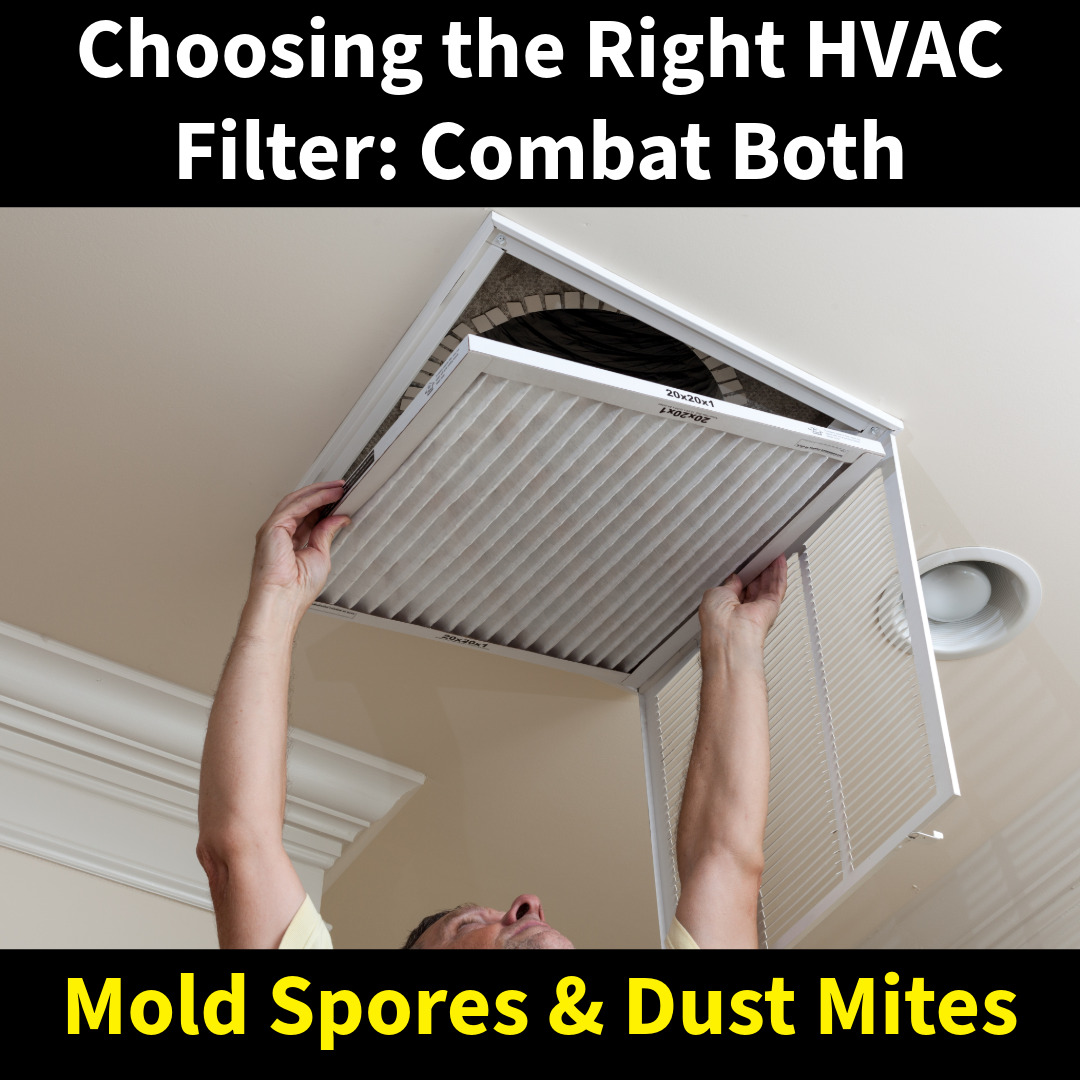
Choosing the Right HVAC Filter: Combat Mold Spores and Dust Mites

Indoor air quality is a crucial component of your home’s environment that directly impacts health and comfort. One of the most effective tools at your disposal to maintain clean air is your HVAC system’s filter. But not all filters are created equal, especially when it comes to combating specific allergens like mold spores and dust mites. In this blog, we’ll guide you through selecting the right HVAC filter to enhance your home’s air quality and protect your health.

1. Understanding HVAC Filters:

HVAC filters are designed to trap and remove particles from the air as it circulates through your heating, ventilation, and air conditioning system. These filters come in various types, each offering different levels of air purification:

  • Fiberglass filters: These are typically the most economical option, suitable for blocking large particles like lint and dust.
  • Pleated filters: Made from higher-quality materials, these filters can capture smaller particles, including mold spores and pollen.
  • HEPA filters: High-Efficiency Particulate Air (HEPA) filters are the gold standard in air filtration, capable of removing 99.97% of particles that are 0.3 microns or larger.

2. The Threat of Mold Spores and Dust Mites:

Mold spores and dust mites are common in many homes and can pose significant health risks, particularly to those with allergies or respiratory issues. Mold spores are tiny and can easily become airborne, while dust mites thrive in warm, humid environments and feed on organic matter like skin flakes.

3. Choosing the Right Filter:

To effectively combat mold spores and dust mites, you should consider the following specifications when selecting an HVAC filter:

  • MERV ratings: The Minimum Efficiency Reporting Value (MERV) rating measures a filter’s ability to capture larger particles between 0.3 and 10 microns. For homeowners concerned about mold spores and dust mites, filters with a MERV rating of 11 to 13 are typically sufficient to remove these allergens effectively.
  • HEPA filters: For households with severe allergies or asthma, a true HEPA filter can be particularly beneficial. These filters can trap even finer particles and significantly improve air quality.

4. Maintenance Tips:

Maintaining your HVAC filter is just as important as choosing the right one:

  • Change frequency: Generally, it’s recommended to change your HVAC filter every 90 days, but this can vary based on filter type and your home’s specific needs, such as pet ownership or allergy concerns.
  • Signs your filter needs changing: Increased dust accumulation, noticeable odors, and a decrease in airflow can all indicate that it’s time to replace your filter.
  • Regular maintenance: Besides changing your filter, regular HVAC maintenance is essential to ensure your system operates efficiently and continues to improve air quality.

5. Additional Measures to Improve Indoor Air Quality:

Beyond choosing and maintaining the right HVAC filter, consider these additional measures to enhance indoor air quality:

  • Control humidity: Reducing humidity levels can help prevent the growth of mold. Consider using dehumidifiers in particularly damp areas of your home.
  • Air purifiers: For extra protection, particularly in bedrooms or other high-use areas, standalone air purifiers can complement your HVAC system’s filters.

In Closing

Choosing the right HVAC filter is a simple yet effective way to significantly improve the air quality in your home and protect against allergens like mold spores and dust mites. By understanding the different types of filters and their capabilities, you can make an informed decision that best meets your family’s health needs. Remember, regular maintenance and additional air quality measures can further enhance your living environment.

Why You Can & Should Choose Your Own Restoration Company

Dealing with water damage is stressful enough without the added complexity of navigating insurance claims. While many homeowners rely on their insurance companies to guide them through the process, it’s important to know that you have the right to choose your own restoration company. This decision can significantly impact the efficiency and quality of the repairs.

Homeowner Rights
When you file a claim for water damage, your insurance company may suggest or recommend a specific restoration vendor. However, as a homeowner, you are not obligated to use their preferred provider. You have the complete freedom to select a vendor based on your own research, preferences, and past experiences.

Pros and Cons of Choosing Your Own Vendor:

  • Personal Comfort: Opting for a company you trust or that comes highly recommended by friends and family can make a significant difference in your peace of mind during the restoration process.
  • Quality of Service: You can choose a company that you know has a good track record and provides high-quality service.

Cons of Not Using an Approved Vendor:

  • Pricing Discrepancies: Non-approved vendors may charge rates that are higher than what the insurance covers, potentially leaving you to pay the difference.
  • Claim Delays: Using a vendor unfamiliar with your insurance company’s process can lead to delays in claim approval and project completion.

Benefits of Using an Approved Vendor
Choosing an approved vendor who is versed in the insurance claims process offers distinct advantages:

  • Familiarity with Claims Process: Approved vendors understand the documentation and procedures that insurance companies require, which can streamline the claims process and hasten your home’s restoration.
  • Approved Vendor Price List: These vendors use a pricing list that is generally accepted by insurance companies, ensuring that there are no unexpected out-of-pocket costs for you.

Conclusion
Selecting the right restoration company is a crucial decision that affects not just the quality of repairs but also the ease of your insurance claim process. While you have the freedom to choose any vendor, an approved vendor like MSI offers the dual benefits of expertise in insurance procedures and a commitment to customer-first service. At MSI, we ensure that our interests are aligned with yours, not the insurance company’s. Trust us to prioritize your needs and help you navigate through this challenging time with ease and transparency.

How to Prevent Pipes From Freezing

Winter can be beautiful, but freezing temperatures pose a significant threat to your home’s plumbing system. Frozen pipes can burst, leading to extensive water damage and costly repairs. Luckily, with the right precautions, you can safeguard your pipes and keep your home warm and dry. Here’s a step-by-step guide to help you prevent frozen pipes this winter.

1. Insulate Exposed Pipes

Exposed pipes are the most vulnerable to freezing, especially those in unheated areas like basements, attics, garages, and crawl spaces.

  • Use pipe insulation: Wrap pipes with foam insulation sleeves, fiberglass wrap, or even heat tape for added protection.
  • Focus on vulnerable areas: Pay special attention to pipes along exterior walls or in colder zones of your home.

2. Seal Gaps and Cracks

Cold air can seep into your home through gaps and cracks, increasing the risk of frozen pipes.

  • Seal exterior openings: Use caulk or spray foam to close gaps around windows, doors, and where pipes enter the home.
  • Insulate your home: Add insulation to walls and attics to keep the cold out and the heat in.

3. Keep the Heat On

Consistent indoor temperatures are crucial to preventing frozen pipes.

  • Set your thermostat: Maintain a temperature of at least 55°F (13°C) even if you’re away from home.
  • Keep interior doors open: Allow warm air to circulate around pipes, especially those in cabinets or closets.

4. Let Faucets Drip

Running water is less likely to freeze, so keeping your faucets slightly open can help.

  • Target vulnerable pipes: Let cold and hot water drip from faucets connected to exposed or exterior-facing pipes.
  • Prevent pressure build-up: If a pipe does freeze, a dripping faucet can reduce the risk of it bursting.

5. Drain and Shut Off Exterior Water Lines

Water in outdoor pipes and hoses is highly susceptible to freezing.

  • Disconnect hoses: Remove and store garden hoses before winter.
  • Shut off outdoor valves: Turn off and drain water from outdoor spigots and sprinkler systems to prevent freezing.

6. Use Heat Tape or Heating Cables

These specialized tools can be a lifesaver for pipes in extremely cold climates.

  • Apply heat tape: Wrap heat tape around pipes for direct warmth.
  • Follow safety guidelines: Choose products with built-in thermostats for energy efficiency and safety.

7. Monitor Your Home During Extreme Cold

During severe cold snaps, it’s essential to stay vigilant.

  • Check vulnerable pipes regularly: Inspect pipes in colder areas for signs of frost or ice.
  • Prepare for emergencies: Keep a hairdryer or portable space heater on hand to thaw pipes safely if they begin to freeze.

8. Winterize Your Home Before Leaving

If you’re heading out of town during the winter, take extra precautions to prevent frozen pipes.

  • Shut off the main water supply: This minimizes damage in case a pipe bursts.
  • Drain your pipes: After shutting off the water, open all faucets to empty the lines.
  • Leave the heat on: Set your thermostat to at least 55°F to keep your home warm.

Signs Your Pipes Might Be Frozen

If you notice any of the following, act quickly to prevent a burst pipe:

  • Reduced or no water flow from faucets.
  • Frost on visible pipes.
  • Strange odors coming from your drains.

What to Do If Your Pipes Freeze

If you suspect a pipe has frozen:

  1. Turn off the water supply: Prevent pressure build-up in the pipes.
  2. Thaw pipes safely: Use a hairdryer or heating pad to warm the pipe gradually. Never use an open flame.
  3. Call a professional: If you can’t locate the frozen section or suspect damage, contact a plumber immediately.

Conclusion

Preventing frozen pipes requires a combination of preparation, insulation, and vigilance. By following these steps, you can protect your home from winter plumbing disasters and enjoy the season worry-free.

If you’ve already experienced frozen or burst pipes, Mold Solutions & Inspections is here to help! We specialize in water damage restoration and mold prevention in Bucks County, PA, and Delaware County, PA. Contact us today for professional assistance.

Need Help?
Call us at 877-712-1600 or visit WeAreMSI.com to schedule an inspection and protect your home this winter!

The Pros & Cons of Using Ozone Machines

When disaster strikes—whether it’s a flood, fire, or a crime and/or trauma scene cleanup—restoration professionals often rely on specialized equipment to bring buildings back to safe, habitable conditions. One of the tools used in disaster restoration is the ozone machine, a device that releases ozone gas (O₃) into the air to help eliminate odors, kill mold spores, and neutralize airborne contaminants. While effective, ozone machines come with both benefits and potential drawbacks. Here’s an in-depth look at how they function in disaster restoration and the pros and cons to consider before using them.

What Is an Ozone Machine, and How Does It Work?

An ozone machine generates ozone gas by splitting oxygen molecules (O₂) into individual oxygen atoms that then bind with other oxygen molecules to create ozone (O₃). This third oxygen atom is highly reactive, allowing ozone to attach to and break down odor-causing particles, bacteria, and mold spores. This powerful oxidizing effect can make ozone machines useful in disaster restoration work, but it also means they must be used carefully and correctly.

Pros of Using an Ozone Machine in Disaster Restoration

1. Effective Odor Removal

  • Benefit: Ozone machines are well-regarded for their ability to neutralize strong, persistent odors caused by smoke, mold, mildew, water damage and the odors related to crime and trauma scene cleanup. In cases of fire or smoke damage, for example, these machines can help eliminate the burnt smell, leaving the space fresh.
  • How It Works: Ozone gas interacts with odor-causing particles on a molecular level, oxidizing them and breaking them down, which effectively removes the smell rather than merely masking it.

2. Mold and Mildew Control

  • Benefit: Ozone gas is known for its ability to kill mold spores in the air, making it a useful tool in mold remediation. Mold can release spores that not only spread further but can also affect indoor air quality.
  • How It Works: The ozone penetrates into small crevices where mold spores can hide, helping to sanitize areas that may be difficult to reach with other mold removal methods.

3. Reduction of Bacteria and Viruses

  • Benefit: Ozone machines can help reduce the presence of bacteria and viruses in an affected space. In restoration after floods or water damage, for instance, bacteria can often flourish, creating sanitation issues.
  • How It Works: The oxidation process involved in ozone treatment can damage the cell walls of microorganisms, effectively neutralizing bacteria and viruses

4. Non-Toxic Residue

  • Benefit: Once ozone breaks down, it reverts back to oxygen, leaving no toxic residue. This contrasts with some chemical disinfectants that may leave residues requiring additional cleanup.
  • How It Works: Because ozone is a gas that naturally breaks down over time, it dissipates quickly once the machine is turned off and the space is ventilated, reducing chemical impact on the environment.

Cons of Using an Ozone Machine in Disaster Restoration

1. Health Risks for Humans and Pets

  • Drawback: Ozone is a powerful oxidizing agent, which can irritate the respiratory tract, causing symptoms such as coughing, chest discomfort, and throat irritation. It is also harmful to pets, plants, and other living organisms.
  • Consideration: Rooms need to be fully vacated when an ozone machine is in use, and treated areas must be thoroughly aired out before re-entry. Restoration professionals should follow all safety guidelines to avoid prolonged exposure.

2. Potential Damage to Materials

  • Drawback: Ozone is known to accelerate the degradation of certain materials, such as rubber, electrical wiring, and some plastics. Overuse in a building can lead to deterioration of items such as carpet backings, insulation, and rubber seals.
  • Consideration: Restoration professionals should limit ozone exposure on sensitive materials and be cautious about where and how often they use ozone in enclosed areas with delicate items.

3. Limited Effectiveness on Certain Types of Mold

  • Drawback: While ozone can kill mold spores in the air, it may not penetrate surfaces deeply enough to eradicate mold colonies growing in porous materials, such as drywall, carpet, or wood. This limits its effectiveness in comprehensive mold remediation, and is basically an additional tool, but not required or to be used as the primary method of mold remediation.
  • Consideration: Ozone treatment should be seen as part of a larger remediation strategy and may be best used as a supplement to other mold removal methods, especially for mold that has already established itself in porous materials.

4. Regulatory and Safety Concerns

  • Drawback: Some regulatory bodies and organizations advise against the use of ozone generators in occupied spaces due to the health risks involved. Ozone’s safety threshold is low, meaning that even minimal exposure can be harmful, and its production is regulated in certain areas.
  • Consideration: Professionals should always check local regulations and ensure they are complying with any guidelines set forth by organizations such as OSHA and the EPA.

5. Temporary Results in Some Cases

  • Drawback: Ozone machines may eliminate odors temporarily, but if the underlying cause of the odor remains—such as water damage that continues to harbor mold—odors may return.
  • Consideration: Ozone treatment is often most effective when combined with comprehensive remediation techniques. For example, water-damaged areas need to be dried and repaired to prevent mold from recurring.

In the realm of disaster restoration, ozone machines can play a valuable role in addressing odors. However, their use should be balanced with caution and awareness of potential drawbacks. While ozone is effective for odor control and surface sterilization, its limitations with deeply embedded mold and its potential impact on health and materials must be carefully managed. When used correctly and in conjunction with other remediation methods, ozone machines can enhance disaster restoration efforts, helping to restore safe, fresh, and habitable spaces after fires, floods, and other disasters.

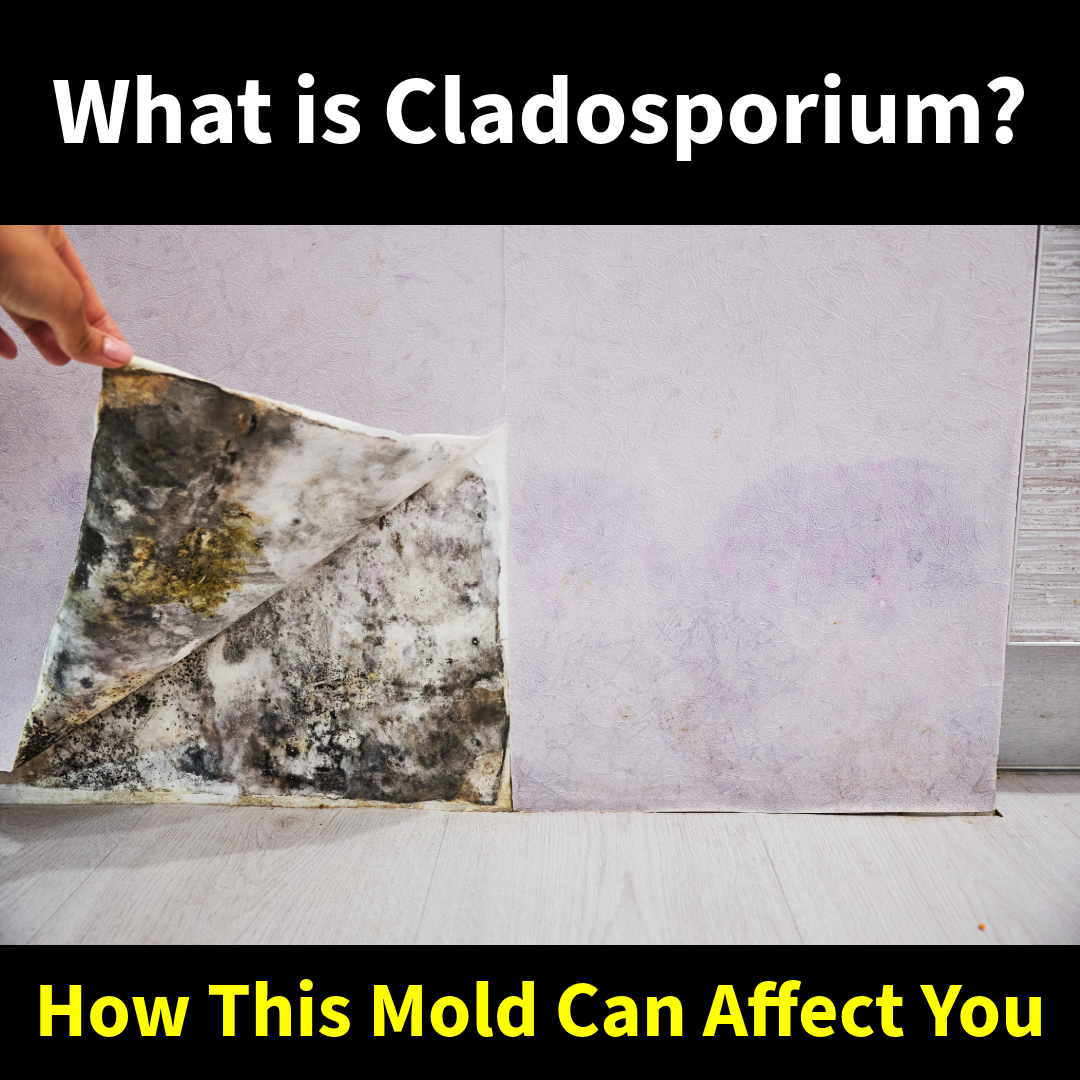
What is Cladosporium?

Cladosporium is the genera most frequently encountered in both outdoor and indoor air. It is found in elevated levels in water-damaged environments. Some species may be resistant to certain types of treated lumber. Cladosporium appears gray to black or very dark green and can have a powdery appearance. The genus Cladosporium includes over 30 species. The most common ones include Cladosporium elatum, Cladosporium herbarum, Cladosporium sphaerospermum, and Cladosporium cladosporioides.

Cladosporium is a dematiaceous (pigmented) mold widely distributed in air and rotten organic material and frequently isolated as a contaminant on foods. Some species are predominant in tropical and subtropical regions . Also, some Cladosporium spp. were isolated from fish and were associated with findings of infection. Cladosporium is a common fungus that is a known and documented aero-allergen which is usually associated with plants, wood products, and leather goods; the spores are easily made airborne and as such are a common cause of respiratory problems; allergic reactions and can be an agent for hypersensitivity diseases; it is as a parasite in infections of the skin, soft tissues or nails and has been documented in cases of Blastomycosis, Candidiasis, Chromoblastomycosis, Histoplasmosis, Entomophthoramycocis, Phaeophphomycocis and Keratomycosis.

The findings suggest that fungal antigens from species found in homes are commonly associated with skin sensitization in an allergy clinic population with upper or lower respiratory allergy. No specific relationships were found, however, between the prevalence of fungal species in the home environment and the prevalence as skin-test allergens.

Most commonly identified outdoor fungus. The outdoor numbers are reduced in the winter. The numbers are often high in the summer. Often found indoors in numbers less than outdoor numbers. Indoor Cladosporium may be different than the species identified outdoors. It is commonly found on the surface of fiberglass duct liner in the interior of supply ducts. A wide variety of plants are food sources for this fungus. It is found on dead plants, woody plants, food, straw, soil, paint and textiles. Produces greater than 10 antigens. Antigens in commercial extracts are of variable quality and may degrade within weeks of preparation.

Why Blood Cleanup is Dangerous

Many people find themselves in a horrid situation of discovering a loved one or even a tenant who may have committed suicide in a fashion where a room or multiple rooms are covered in blood. Exposure to blood may not seem to be a big deal, but on contrary, blood itself can be very hazardous to ones health and the risks involved in proper cleanup shouldn’t be overlooked. Human blood can expose individuals to MRSA, Hepatitis B and C, HIV and many other transmittable diseases. It is vital to understand not only the dangers involved in blood cleanup, but also why there are cleanup companies specifically trained to handle such situations. The proper cleanup and disposal of blood should and only be done by professionals certified, insured and also those who carry specific workers compensation packages in case an employee is exposed to blood. Hiring just anyone to handle a blood cleanup could result in a lawsuit costing you tens of thousands of dollars or more, so ensuring you do you due diligence will protect you and your home from potential lawsuits.

What are Bloodborne Pathogens?

Bloodborne pathogens are infectious microorganisms in human blood that can cause disease in humans. These pathogens include, but are not limited to, hepatitis B (HBV), hepatitis C (HCV) and human immunodeficiency virus (HIV). Needlesticks and other sharps-related injuries may expose workers to bloodborne pathogens. In blood cleanup, an open wound or a function in the skin and then exposure to blood could result in an infection, so properly trained workers are aware and prepared to limit their exposure by using the proper personal protective equipment, PPE.

Consult the Professionals.

When you are faced with the terrible situation of having blood cleanup, there are companies who can help. Certified Crime & Trauma Scene Cleanup companies are specifically trained to help you get through the most difficult time with as little stress as possible, also while showing compassion and discretion. If you do need a cleanup from any type of loss which results in the spread of bodily fluid and thusly creating a potential risk of disease, you will be better suited to call a professional rather than trying to do the cleaning yourself. And most insurance carriers do have coverage for these types of losses, which can be costly depending on the scope of work needed.

10 Steps to Cleanup Blood Properly

OSHA regulations with regard to cleaning up biohazardous substances are a guideline that should be followed. These mandated conditions, which include employee blood borne pathogen training, must be met to comply with government regulations to avoid shut downs and/or fines.  Human blood is a biohazard because it can expose you to a number of pathogens such as HIV, MRSA, Hepatitis B and C, and a plethora of others. Therefore, it is essential to be as thorough and precise as possible with bloodborne pathogen cleanup.

Here are the 10 Steps to Blood Cleanup:

  1. Cleaning Equipment: Being equipped with PPE. Gloves, a gown and protective eye gear can avoid exposure from even splashing, and all gear should be free from holes and tightly fit.
  2. Remove Dangers: Shards of broken glass can cause skin puncture so make sure to pick it up with forceps or by brushing it with a dustpan. Avoid picking up foreign materials with your hand to prevent skin puncture. Place it inside a container before proceeding to clean up the blood spill.
  3. Cleaning Round 1: Cover the spill in durable cloth towels to soak up as much blood as possible. The registered disinfectant product with a broad spectrum kill claim  will not properly disinfect if the surface is still covered in blood. Discard the used towels into a biohazard bag.
  4. Cleaning Round 2: Next, remove the towels and apply EPA registered disinfectant over the spill. Leave this on for at least ten minutes. Once the time has elapsed, scrub the area with a towel working from the outside, inwards towards the center
  5. Final Round: This time, soak a fresh cloth with the disinfectant and work on the affected areas from the outside in once more. This will effectively kill all bacteria and pathogens. Make sure to dispose the cloth inside a biohazard bag to prevent contamination from other items.
  6. Dispose Equipment: Once the cleaning process is completed, now you have to properly dispose of your equipment. All PPE and tools which can not be cleaned should be placed in a labeled biohazard bag for disposal.
  7. Decontaminate: Even if no visible blood splatters are in sight, it’s always important to decontaminate the area around the spillage. Use a disinfectant and clean any reusable equipment for ten to fifteen minutes. Rinse the area with clean, fresh water.
  8. Mandatory Check: Once you’re finished with the procedure, double-check your clothes, skin, and furniture around you for any contamination. If you happen to notice any blood, especially on your body, wash it off with the disinfectant and take a shower after that. It’s strongly recommended that you have a friend or a neighbor by your side for this particular step, just so they can lend you a hand and help you identify contaminated spots if there are any left.
  9. Wash Hands: Thoroughly wash your hands and arms vigorously with a disinfectant soap and warm water twice. Even after that, the use of wet wipes is a recommended next measure to ensure you are clean.
  10. Disposal of Waste: The last step is now the disposal of the contaminated waste.This requires a certified infectious disposal company to pickup your waste unless you’re dropping it off. Proper disposal of materials is a must and hefty fines could be issued if you illegally dispose of blood in regular trash.

Hiring the right company can not only avoid potential health risks, but also expedite the blood cleanup process with minimal effort or worry on your behalf. The risk isn’t worth the reward for attempting to cleanup potentially infectious materials on your own, and that’s why our team at, at MSI is at the ready to assist you in your time of need.