Why Mold Found During a Home Inspection Can Delay or Kill a Sale

Buying or selling a home is already a stressful process. When mold is discovered during a home inspection, that stress can quickly turn into uncertainty, delays, or even a deal falling apart entirely.

Mold is not just a visual issue. In real estate transactions, it raises immediate concerns about the condition of the home, potential health risks, and the cost of proper remediation.


When mold shows up in an inspection report, buyers tend to pause. Even small amounts of visible mold can lead to bigger questions:

  • Is there more mold behind the walls
  • How long has it been there
  • What caused it
  • Has it been properly addressed

Mold suggests a moisture problem, and moisture problems often point to something deeper within the home. That uncertainty alone is enough to make buyers reconsider or proceed more cautiously.


Once mold is identified, the process rarely moves forward quickly. Buyers often request further evaluation, which may include mold testing, additional inspections, or opening up affected areas to determine the extent of the issue.

This leads to back and forth between all parties:

  • Buyers want answers and reassurance
  • Sellers want to protect the deal
  • Agents are trying to keep everything on track

These added steps can delay closing timelines and complicate negotiations.


In some situations, the deal does not recover. If mold appears widespread, poorly addressed, or still active, buyers may walk away. This is especially true when:

  • The source of the mold has not been identified
  • There is concern about hidden growth
  • The scope of remediation is unclear
  • Trust in the condition of the home is lost

Even when sellers offer to fix the issue, buyers may no longer feel comfortable moving forward.


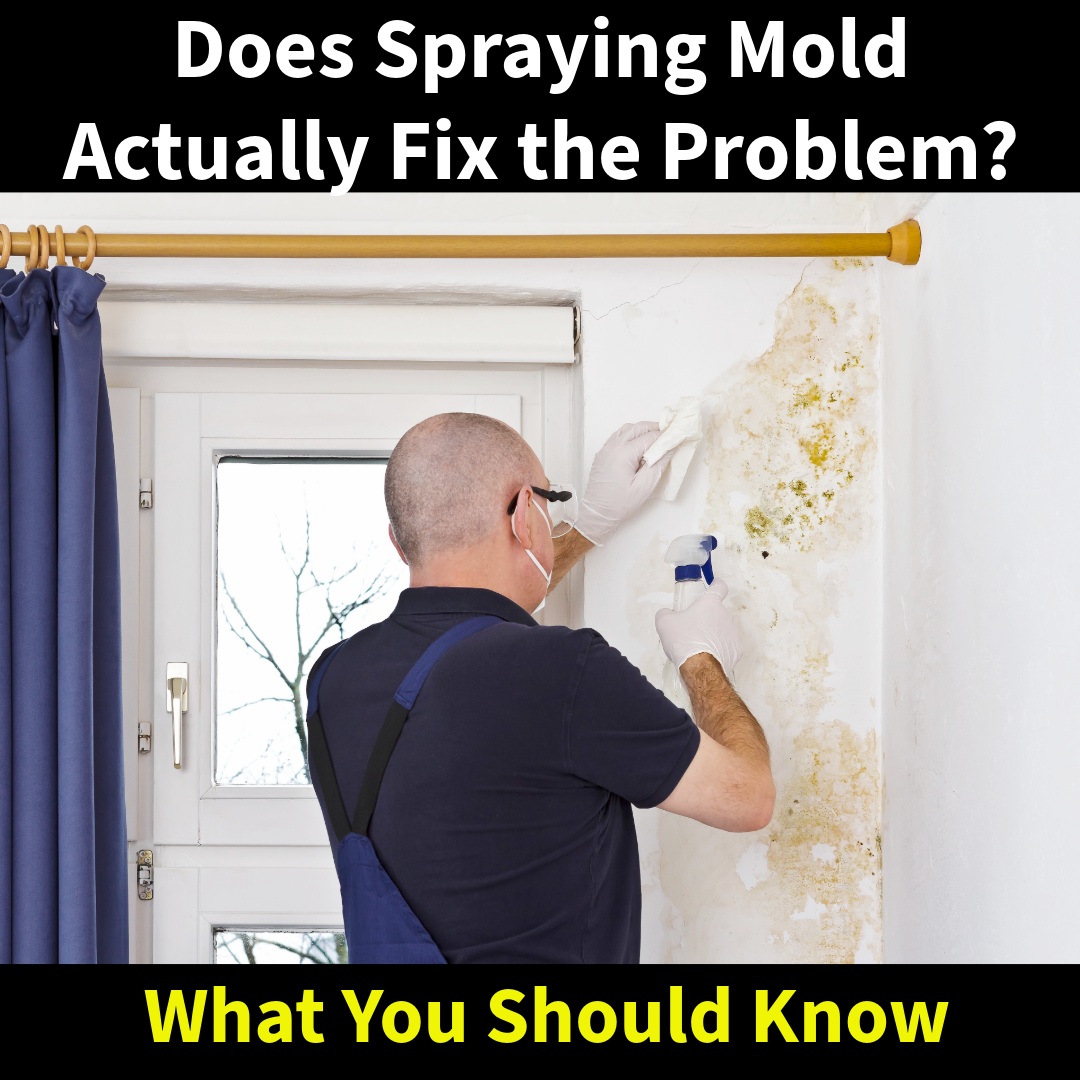
One of the biggest mistakes sellers make is trying to address mold with a quick or cosmetic fix before listing the home. Cleaning visible mold or painting over affected areas does not resolve the underlying issue. In many cases, it makes buyers more cautious once it is discovered.

Mold that is not properly remediated often returns, and that risk becomes a major concern during a transaction.


Mold is a result of a moisture issue. Without identifying and correcting the source, the problem is not truly resolved. What is visible during an inspection may only be a small portion of the overall issue. Mold can exist behind walls, under flooring, or within ceilings.

A proper evaluation ensures that:

  • The source is identified
  • The extent is understood
  • The remediation is done correctly

This is critical for both buyers and sellers.


If you are planning to sell a home and suspect mold may be present, addressing it before listing can prevent major issues later.

Taking the time to properly remediate mold and correct the underlying cause can:

  • Reduce delays during inspection
  • Build confidence with buyers
  • Help keep the transaction moving forward

If mold is found during a home inspection, it is important to understand the situation fully before making a decision. Not all mold issues are the same. Some are limited and can be resolved, while others may indicate a larger problem.

The key is making sure the issue is properly evaluated and addressed, not ignored or covered up.


Mold impacts more than just appearance. It affects a home’s condition, air quality, and perceived value. In real estate, confidence is everything. When mold is introduced into the equation, that confidence can quickly disappear.


Mold found during a home inspection is more than just a checklist item. It is a signal that something within the home needs to be properly addressed. Handled correctly, it can be resolved and the deal can move forward. Ignored or handled poorly, it can delay or completely derail a sale.

If you are buying or selling a home and mold becomes part of the conversation, getting the right information early can make all the difference.

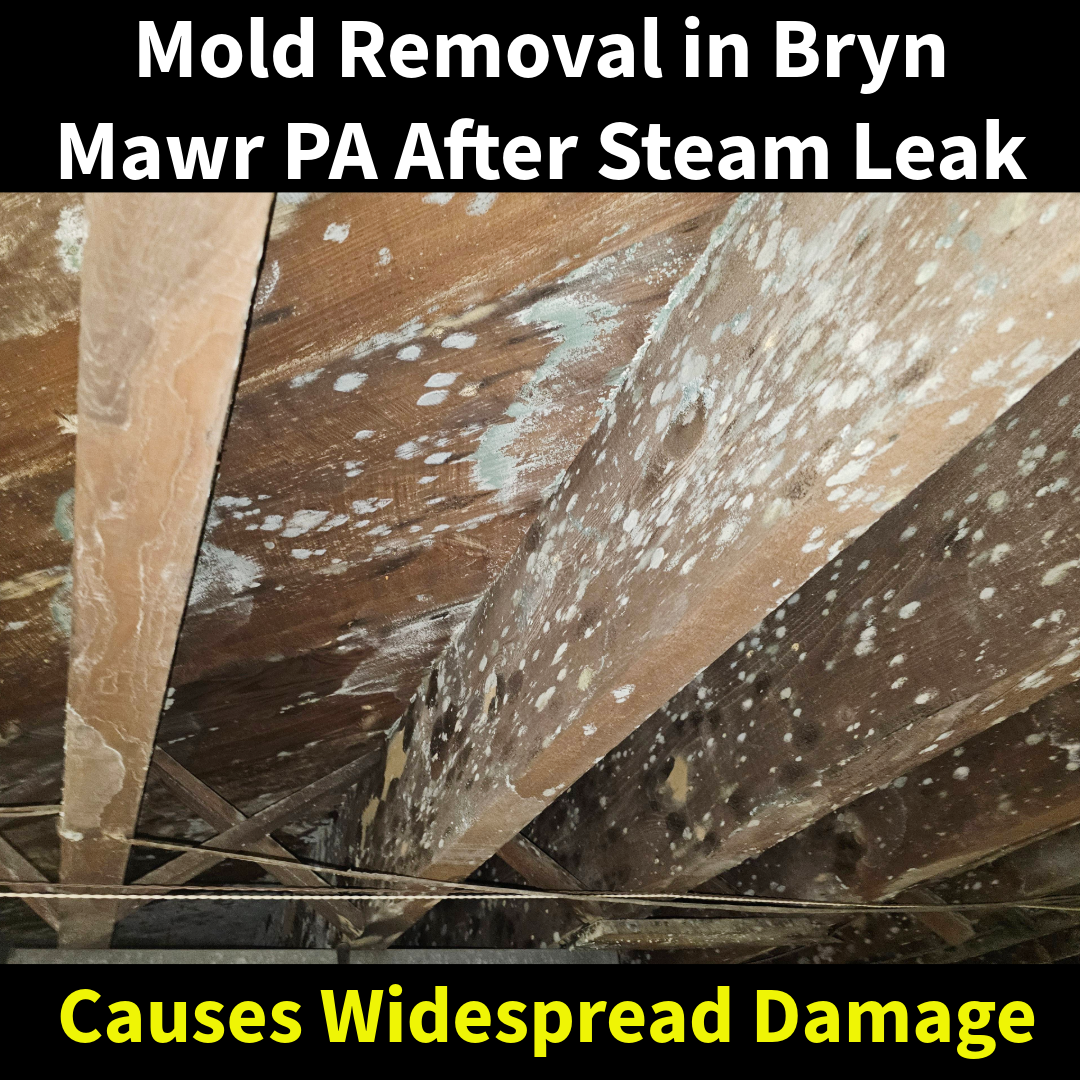
Mold Removal in Bryn Mawr PA After Steam Leak Causes Widespread Damage

Coming home from a vacation should be a relief. In this case, it was anything but that. The homeowner returned to their Bryn Mawr property to find their unfinished basement filled with damage. A steam valve connected to the boiler system had failed, releasing hot steam into the space for an unknown period of time. What they walked into was not just moisture, but widespread mold growth across the structure and their personal belongings.

For someone who had never filed an insurance claim before, the situation quickly became overwhelming.


The source was not a typical water leak. A failed steam valve allowed hot vapor to disperse throughout the basement. That moisture settled on every surface it came into contact with, including the floor joists, foundation walls, and stored contents.

Because the basement was unfinished, there were no barriers to slow the spread. The result was widespread mold growth that affected both the structure and everything stored within the space.


By the time we were called, the mold was visible across large sections of the basement. The floor joists were heavily impacted. The foundation walls showed consistent growth. Personal contents that had been stored in the basement were also affected.

This was not an isolated issue. It was a full basement condition that required a complete approach to remediation.


The homeowner had never gone through a claim before, and the situation became more difficult when the claim was initially challenged due to the fact that they were away at the time of the loss. At that point, they were not only dealing with the damage, but also trying to understand how to move forward without being taken advantage of or left with the full burden of the loss.

We worked directly with them through the process, documenting the damage, photographing the affected contents, and supporting the claim so that it could be properly evaluated.


Addressing a situation like this requires more than surface cleaning. The basement was cleared of affected contents so the structure could be fully accessed. The mold growth on the joists and foundation walls was thoroughly cleaned and treated. Once the cleaning process was completed, an encapsulant was applied to protect the structure and help prevent future issues.

Every step was documented to support both the remediation process and the insurance claim.


This was not just about cleaning a basement. The homeowner came back from a vacation to a situation they never expected, with damage throughout their home and uncertainty about how it would be handled.

We guided them through each step, from identifying the source to completing the remediation and supporting the claim process. In the end, the work was covered and the space was restored.


Situations like this are not always straightforward. Steam, moisture, and time can create widespread damage quickly, especially in older or unfinished spaces. When that damage is not immediately visible or understood, it can lead to confusion, missteps, and added stress for the homeowner.

Addressing the problem correctly from the start, documenting everything, and working through the process the right way is what makes the difference.

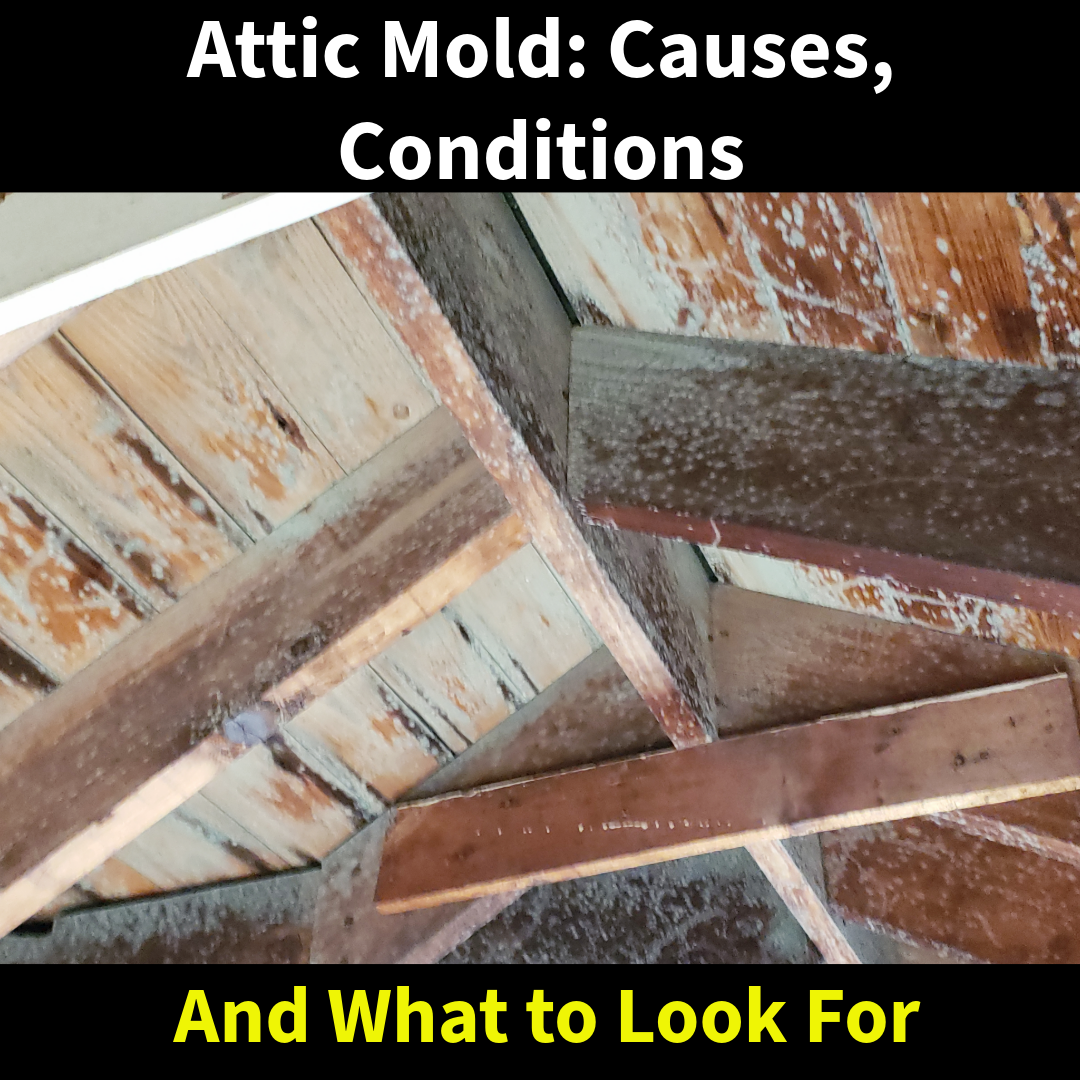
Attic Mold: Causes, Conditions, and What to Look For

Attic mold is one of the most common issues we see, and in many cases, homeowners don’t even realize it’s there until it becomes a bigger problem.

What makes attic mold different is that it’s usually not caused by one single issue. It’s a combination of conditions that allow moisture to build up over time.


Attics are naturally vulnerable because they sit at the highest point of the home, where temperature differences and airflow issues tend to show up first.

When moisture gets trapped and can’t escape, mold has everything it needs to grow.


One of the biggest causes of attic mold is elevated humidity.

When an attic isn’t ventilated properly, moisture builds up instead of being exhausted. This often happens when:

  • Soffit vents are blocked
  • Ridge vents aren’t functioning properly
  • Bathroom or kitchen exhaust vents terminate into the attic instead of outside

Once humidity levels stay elevated, mold growth can begin across large areas of wood surfaces.


Insulation plays a bigger role than most people think.

  • Too much insulation can restrict airflow and trap moisture
  • Too little insulation can lead to temperature imbalances and condensation

Both scenarios create conditions where moisture forms and lingers, especially during seasonal changes.


Not all attic mold comes from humidity. Roof leaks, especially slow, ongoing ones can introduce moisture directly into the attic space. These are often missed because:

  • The water doesn’t always reach the ceiling below
  • It can travel along rafters and decking
  • It may only show up under certain weather conditions

Over time, even a small leak can lead to significant mold growth.


This is one of the most important parts of attic mold remediation, and one of the most misunderstood.

If insulation is left in place:

  • You cannot properly access or clean the wood framing and roof decking
  • Mold growth between joists and hidden areas is missed
  • You cannot fully inspect the ceiling cavities below
  • Contaminated insulation continues to hold and spread mold

Insulation itself can support mold growth, especially when it has been exposed to moisture over time. Leaving it in place during remediation means the job isn’t being done completely.


A proper approach includes:

  • Removing affected insulation
  • Cleaning and treating all exposed wood surfaces
  • Addressing the source of moisture (ventilation, leaks, or insulation issues)
  • Ensuring the attic environment is corrected moving forward

Without fixing the cause, the problem will return.


Attic mold isn’t just about what you see on the wood. It’s a sign that something in the home’s system isn’t working properly, whether it’s airflow, insulation, or moisture control.

Fixing the visible growth without correcting those conditions is only a temporary solution.


Mold in an attic doesn’t happen by accident. It’s the result of trapped moisture, poor airflow, or hidden water intrusion. And if insulation isn’t removed and the area isn’t fully addressed, the problem isn’t being solved, it’s being left behind.

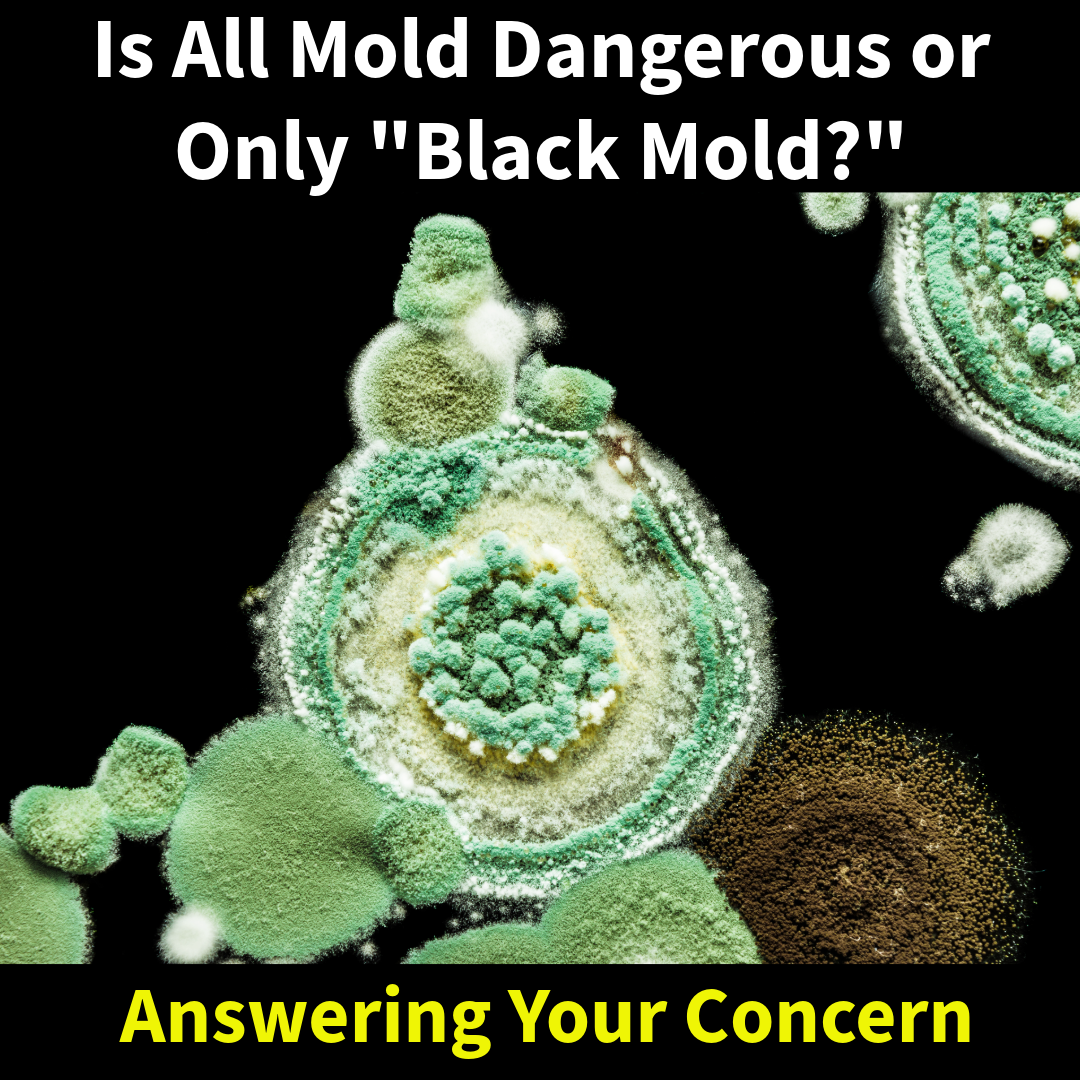
Is All Mold Dangerous or Only “Black Mold?”

When most people think about mold, they immediately think of “black mold” and assume it is the only type that poses a risk. In reality, this is one of the most common misconceptions we encounter during inspections.

The truth is, all mold should be taken seriously, not just so-called “black mold.”


The term “black mold” is commonly used to describe Stachybotrys, a type of mold that can grow on materials like drywall, wood, and insulation when they remain wet for extended periods of time. While Stachybotrys has received a lot of attention, it is just one of many types of mold that can be found in a home.

Other common molds we encounter include:

  • Aspergillus
  • Penicillium
  • Cladosporium

These can develop much more quickly and are often found after water damage, humidity issues, or hidden moisture problems.


Mold growth indoors is always an indication of a moisture problem. Regardless of the type, mold can:

  • Impact indoor air quality
  • Spread throughout affected areas
  • Damage building materials
  • Continue growing if the moisture source is not corrected

Focusing only on “black mold” can cause homeowners to overlook other types of contamination that may be just as significant.


One of the biggest misunderstandings is that the color of mold determines how dangerous it is.

Mold can appear:

  • Black
  • Green
  • White
  • Gray

The appearance alone does not determine the level of concern. Proper identification requires inspection, and in some cases, sampling to understand what is actually present.


The most important factor in any mold situation is not the type or color — it is the source of moisture that allowed the mold to grow.

Common causes include:

  • Water damage from leaks or flooding
  • High humidity
  • Poor ventilation
  • Roof or plumbing issues

If the moisture problem is not corrected, mold will continue to return regardless of cleanup efforts.


Mold should be evaluated when:

  • There is visible growth
  • There has been recent or past water damage
  • There are persistent musty odors
  • You are buying or selling a home
  • The extent of the issue is unknown

A proper evaluation helps determine the scope of the problem and the best way to address it.


There is no such thing as “safe mold” growing inside a home. While certain types receive more attention than others, any mold growth indoors should be properly evaluated and addressed. Understanding that mold is a moisture-driven issue, rather than just a specific type like “black mold,” is key to solving the problem correctly.

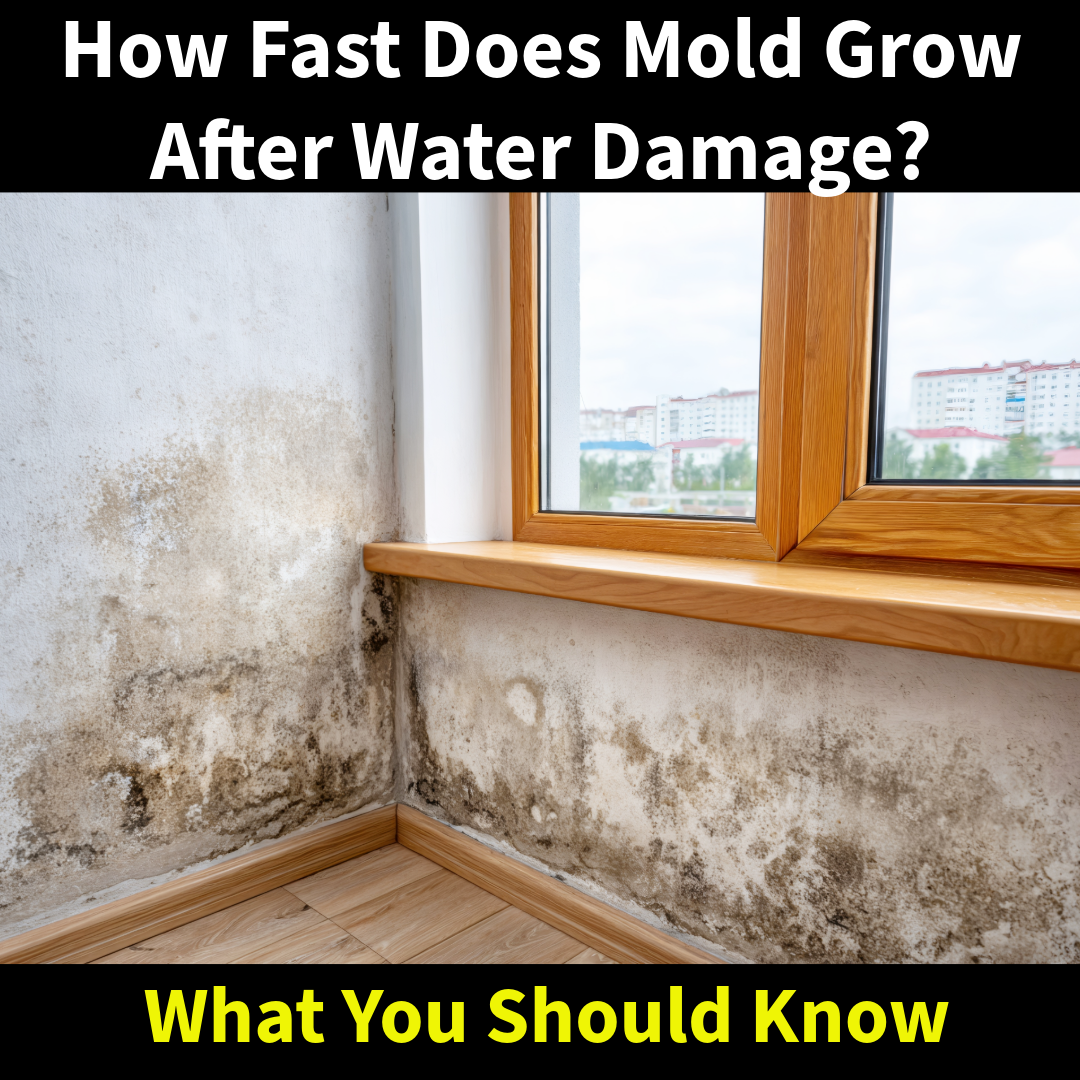
How Fast Does Mold Grow After Water Damage?

When water damage occurs in a home, one of the most common questions homeowners ask is how quickly mold can begin to develop. Many assume it takes weeks for mold to appear, but in reality, the timeline is much shorter.

Under the right conditions, mold can begin to grow in as little as 24 to 48 hours after water exposure.


Mold spores are naturally present in the air and on surfaces at all times. When moisture is introduced, especially in areas with limited airflow or porous materials, those spores can begin to grow rapidly.

Common materials that support fast mold growth include:

  • Drywall
  • Carpet and padding
  • Wood framing and subfloors
  • Insulation

These materials can absorb and retain moisture, even after the surface appears dry.


One of the biggest misconceptions after water damage is that once an area feels dry, the problem has been resolved.

In many cases, moisture remains trapped:

  • Behind walls
  • Under flooring
  • Inside insulation
  • Within structural materials

By the time a surface feels dry, mold growth may already be starting in these hidden areas.


While mold can begin growing within 24–48 hours, several factors influence how quickly it spreads:

  • Humidity levels inside the home
  • Temperature (warmer environments accelerate growth)
  • Type of materials affected
  • Airflow and ventilation
  • Extent of the water damage

Even small, unnoticed moisture issues can lead to mold growth if conditions are right.


The goal after any water damage event is to remove moisture as quickly and thoroughly as possible. This includes not only visible water, but also moisture hidden within building materials. Professional drying equipment and moisture monitoring are often necessary to ensure the structure is truly dry.

Without proper drying, mold growth can begin before homeowners even realize there is a problem.


You should consider a professional inspection if:

  • Water damage was not addressed immediately
  • Materials remained wet for more than 24–48 hours
  • There is a musty or unusual odor
  • You notice discoloration or staining
  • The affected area was not properly dried

Early detection can prevent a much larger and more costly issue.


Mold growth after water damage can happen much faster than most people expect. What seems like a minor water issue can quickly turn into a more significant problem if moisture is not properly addressed.

Understanding how quickly mold can develop is key to taking the right steps early and avoiding long-term damage to the home.

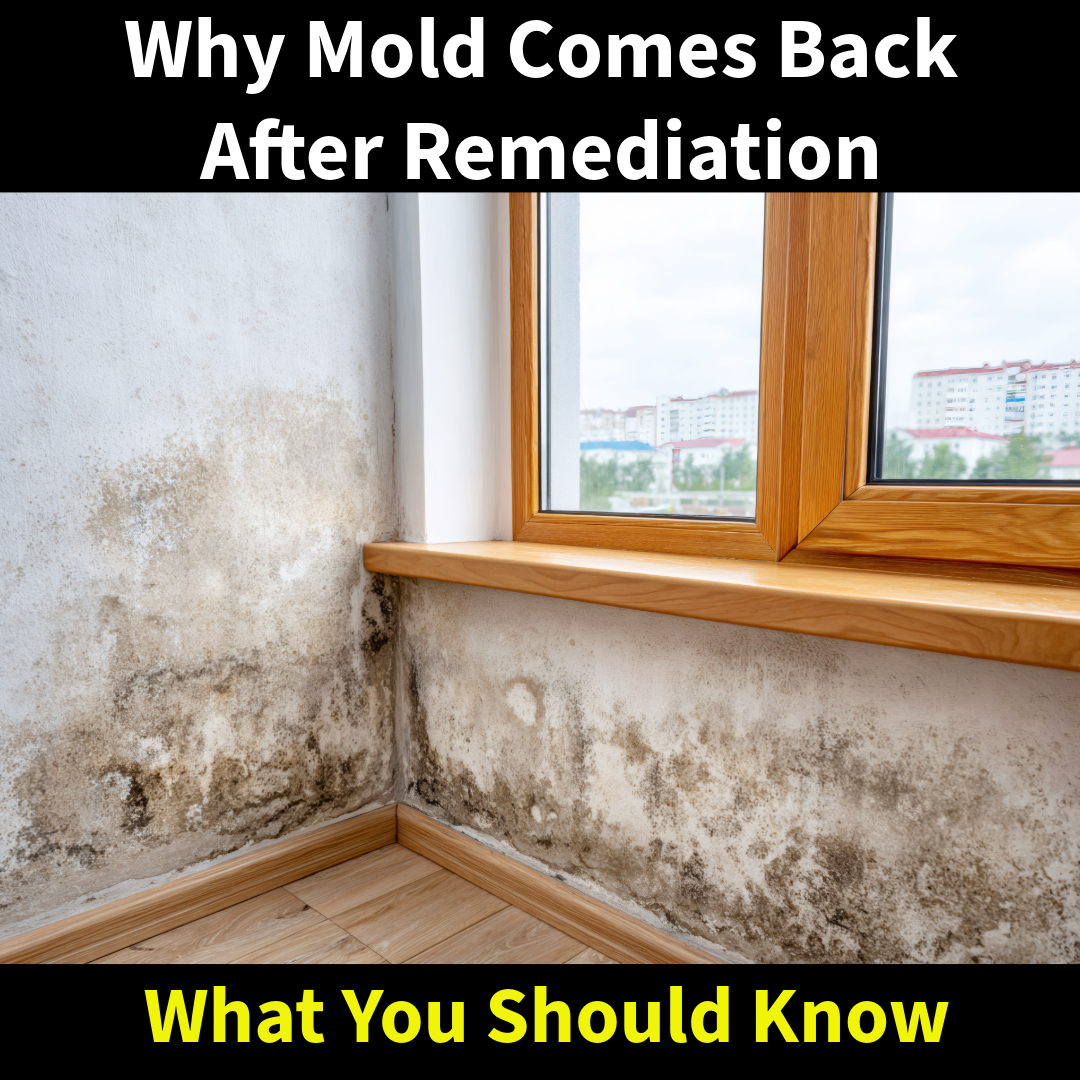
Why Mold Comes Back After Remediation

When mold returns after remediation, the first reaction is usually frustration. Many assume the removal was done incorrectly. While improper remediation can be a factor, recurring mold growth is often tied to unresolved moisture conditions.

Mold does not return without water.


The most common reason mold reappears is that the original moisture source was not permanently corrected. A frequent example is a roof leak. The interior damage may be addressed, drywall replaced, and visible mold removed — but if the roofing issue was only patched temporarily or improperly repaired, water intrusion will occur again. When moisture returns, mold growth follows.

The same applies to plumbing leaks, window flashing failures, and foundation seepage. If the source is not corrected at its origin, remediation alone will not prevent recurrence.


In some cases, materials appear dry on the surface but retain elevated moisture internally. Insulation, subfloors, and framing members can hold moisture longer than expected. If drying is incomplete or not verified with proper moisture mapping, microbial growth can redevelop. Dry to the touch does not mean dry within.


If proper containment procedures are not maintained during demolition or reconstruction, spores can spread to adjacent areas. When those spores settle in areas with ongoing humidity or minor moisture, new colonies can establish.

Remediation is not just removal — it is controlled removal.


Even after a successful remediation, poor humidity control can allow mold to reappear. Bathrooms, attics, basements, and improperly ventilated spaces are especially vulnerable. Mold requires moisture, and high indoor humidity can provide it.


When mold comes back, the question is not “Why did the mold return?” but “Where is the water?”

Proper remediation must be paired with:

  • Identification of the moisture origin
  • Verification that repairs were completed correctly
  • Moisture monitoring before rebuild
  • Ongoing environmental control

Without addressing the underlying moisture issue, recurrence is predictable.

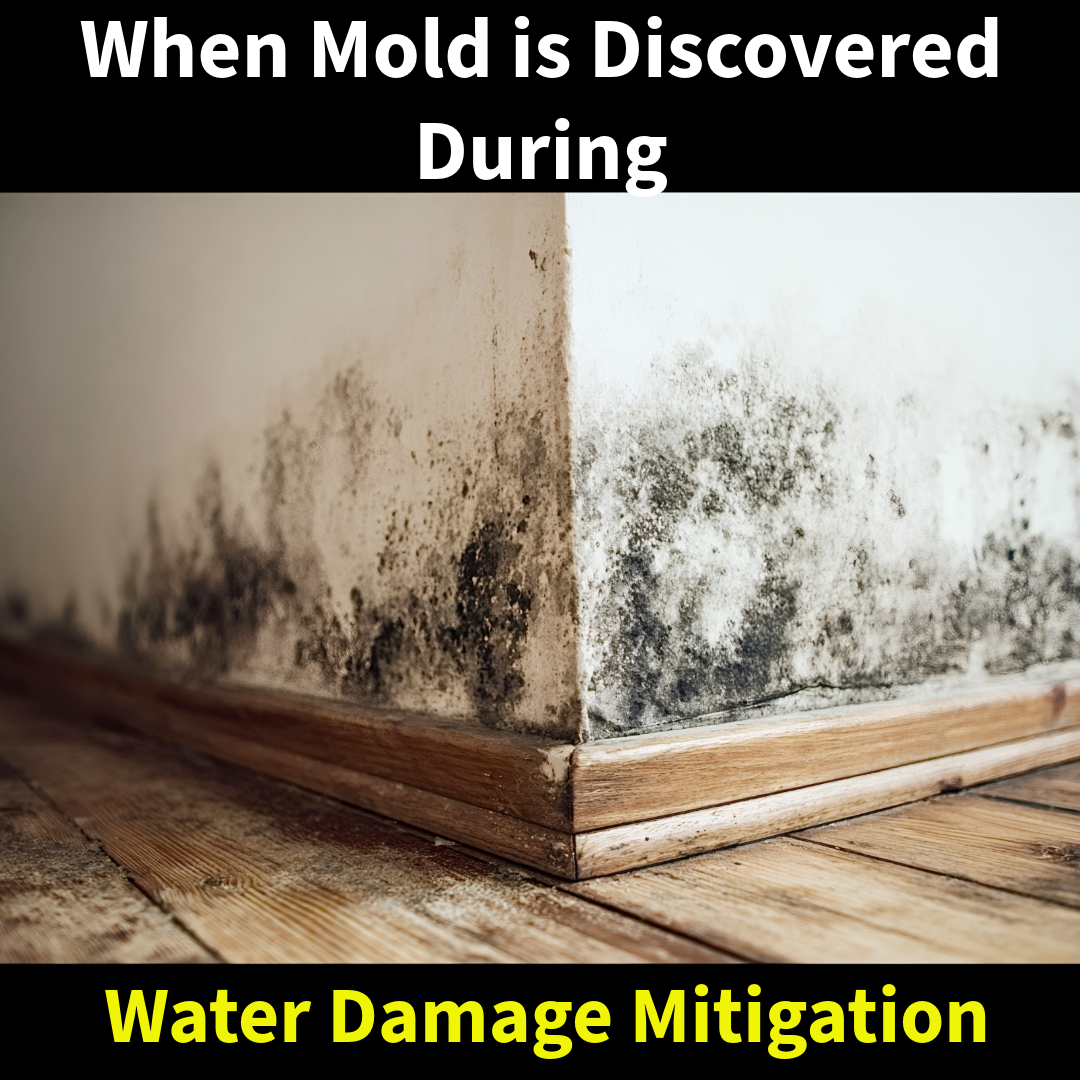
When Mold Is Discovered During Water Damage Mitigation

Water damage jobs don’t always end with drying equipment and reconstruction. Sometimes, they uncover something that was already there. We recently responded to a basement flood where a supply line had broken and water spread into a finished area. The homeowner acted quickly and called for emergency mitigation and our team arrived shortly after and extraction began. What we found after removing baseboards and opening wall cavities changed the scope of the job entirely. There was mold growth present that clearly predated the current water loss.

And that’s something most homeowners don’t expect.


There’s a common misconception that mold appears instantly after water damage. While microbial growth can begin developing within 24–48 hours under the right conditions, visible and established growth throughout wall cavities does not form in just a few hours.

In this case, we arrived quickly — well within the window where new mold would have developed. The condition we observed indicated previous moisture exposure. That distinction matters.


When mitigation begins, affected materials must be removed to properly dry the structure. This often includes:

  • Baseboards
  • Sections of drywall
  • Flooring materials
  • Insulation

Once materials are opened, hidden conditions are revealed. It is not uncommon for older, previously undetected mold growth to be discovered during this process — especially in basements where prior leaks, humidity issues, or undocumented water events may have occurred.


When mold is discovered during a water damage job, there are typically three possibilities:

  1. It developed from a previous water event that was never properly dried.
  2. It formed from long-term humidity or moisture intrusion.
  3. It is related to the current loss — but only if sufficient time has passed.

Proper documentation and a thorough inspection are critical when mold is discovered during a water damage project. Evaluating the condition of materials, the extent of growth, and the overall moisture environment helps ensure the issue is addressed correctly and completely. At that point, the job is no longer just about drying the structure — it also involves properly removing mold that may have been overlooked during a previous water event or identifying an unforeseen moisture source that could still be active.


Water damage mitigation is not just about removing water and setting equipment. It requires:

  • Careful inspection
  • Controlled demolition
  • Moisture mapping
  • Documentation
  • Understanding building science

When mold is uncovered, the scope of work changes. Remediation protocols must be implemented to prevent cross-contamination and to address affected materials correctly. Ignoring hidden mold does not make it go away. Covering it up creates bigger problems later.


Sometimes a water damage call reveals more than just wet materials. It can uncover previous moisture issues, incomplete repairs, or conditions that were never properly addressed. That’s why a thorough approach matters.

If you experience a water event, it’s not just about drying what you can see. It’s about understanding what may already be behind the walls.

Why “Free Inspections” Often Cost Homeowners More in the Long Run

When a homeowner is dealing with water damage, mold concerns, or another property issue, the words “free inspection” can sound appealing. In stressful situations, people naturally look for quick answers and low upfront costs.

What many homeowners don’t realize is that a free inspection often comes with hidden costs later—sometimes far greater than the price of a proper, independent evaluation.


In most cases, a free inspection is offered by a company whose primary goal is to sell remediation or repair services. That doesn’t automatically mean the company is dishonest, but it does mean the inspection is not independent.

When the same company is responsible for diagnosing the problem and selling the solution, there is an inherent conflict of interest. The scope of work is often shaped by what needs to be sold, not necessarily by what the property truly needs.


Free inspections often focus on what is immediately visible, skipping deeper investigation that takes time, training, and proper equipment. As a result, important details can be missed or oversimplified.

Common issues homeowners encounter later include:

  • Hidden moisture that was never identified
  • Mold growth returning because the source wasn’t addressed
  • Incomplete documentation for insurance claims
  • Disputes over scope, cost, or responsibility

What started as a “free” visit can quickly turn into repeated work, denied coverage, or ongoing problems that were never fully resolved.


A professional inspection should be about finding the truth, not selling a service. Independent inspectors are focused on evaluating conditions, documenting findings, and explaining options—regardless of who ultimately performs the work.

When an inspection is done correctly, it creates a clear baseline:

  • What damage exists
  • What caused it
  • What needs to be addressed first
  • What can wait

This information protects homeowners, especially when insurance companies, real estate transactions, or legal questions are involved.


Insurance claims rely heavily on documentation. If the initial inspection is incomplete or biased toward a specific scope of work, coverage issues can arise later.

We often see situations where:

  • The damage was real, but poorly documented
  • The cause of loss wasn’t clearly established
  • Important materials were removed before being documented

At that point, homeowners are left trying to prove a claim after the evidence is already gone.


The cost of a proper inspection is usually small compared to the cost of repeated repairs, ongoing mold problems, or insurance disputes. While a free inspection may feel like saving money upfront, it can end up being far more expensive over time. A thorough, unbiased assessment helps ensure that work is done correctly the first time.


Instead of focusing on whether an inspection is free, homeowners should ask:

  • Is the inspection independent of remediation or repairs?
  • Will moisture testing or sampling be performed if needed?
  • Will findings be documented in writing?
  • Is the inspector trained and certified for this type of work?

The answers to these questions matter far more than the initial price.


When it comes to property damage, the goal isn’t to find the cheapest inspection—it’s to get accurate information. Knowing what you’re dealing with allows you to make informed decisions and avoid surprises down the road. In many cases, paying for a professional inspection once is far less costly than dealing with the consequences of an incomplete or biased evaluation later.

Contents Cleaning After Water, Mold, and Fire Damage

When a home or building is damaged by water, mold, or fire, the focus often goes straight to structural repairs. What’s frequently overlooked is the condition of the contents inside the space—furniture, personal belongings, electronics, documents, and other items that may be affected even if they don’t appear visibly damaged.

Contents cleaning is a critical part of the recovery process and can make a significant difference in both restoration costs and long-term indoor safety.


Water, smoke, and mold don’t stay confined to one area. Moisture migrates, smoke travels through air pathways, and mold spores spread easily. As a result, contents throughout a home or building may be impacted even if the source of damage was isolated.

Items can absorb contaminants, odors, and moisture without showing immediate signs, which is why professional evaluation matters.


Water damage can impact contents quickly, especially when moisture is allowed to sit or migrate.

Commonly affected items include:

  • Upholstered furniture and mattresses
  • Area rugs and carpeting
  • Paper documents and books
  • Clothing and textiles
  • Wood furniture and cabinetry
  • Electronics and appliances

Even clean water can cause damage if drying is delayed, and contaminated water introduces additional safety concerns.


Mold-related damage isn’t always visible. Contents stored in damp or poorly ventilated areas can absorb moisture and spores over time.

Items often impacted by mold exposure include:

  • Cardboard boxes and stored belongings
  • Fabric items and soft goods
  • Books, artwork, and paper materials
  • Porous furniture and décor

In some cases, contents may be salvageable after proper cleaning and drying. In others, removal may be necessary to prevent recontamination.


Fire damage affects more than what the flames touch. Smoke and soot can travel throughout a structure, leaving residues that continue to cause damage if not properly addressed.

Fire-related contents issues often involve:

  • Smoke odor absorption in fabrics and furniture
  • Soot residue on surfaces and electronics
  • Corrosive damage to metals and wiring
  • Contamination of HVAC-distributed items

Deodorizing alone is rarely sufficient without proper cleaning and evaluation.


Whether an item can be cleaned and restored depends on several factors, including:

  • The type of material (porous vs. non-porous)
  • The extent and duration of exposure
  • The type of damage (water category, mold growth, smoke residue)
  • Health and safety considerations

Professional assessment helps the property owner make informed decisions instead of guessing or discarding items unnecessarily.


Cleaning or removing affected contents is often necessary before repairs or reconstruction begin. Leaving contaminated or moisture affected items in place can compromise restoration work and contribute to ongoing odors, mold growth, or indoor air quality issues.

Proper sequencing helps ensure the space is truly clean and safe before moving forward.


Contents cleaning is an essential part of recovery after water damage, mold exposure, or fire. What can be saved and what can’t, should be determined through careful evaluation, not assumptions.

Addressing contents properly helps protect health, preserve valuable belongings, and support a successful restoration process.

Trichoderma Mold: The Hidden Destroyer in Damp Homes

When most people think of mold, they imagine the infamous black streaks of Stachybotrys. But there’s another aggressive species that often goes unnoticed — Trichoderma. Found in damp, humid environments, this fast-growing greenish-white mold doesn’t just damage property; it can also threaten indoor air quality and health.


What Is Trichoderma?

Trichoderma (pronounced TRY-ko-DER-ma) is a common environmental mold that naturally lives in soil and decaying wood. While harmless outdoors, when it finds its way into damp building materials — like wet drywall, insulation, carpet padding, or subfloors — it can become destructive.

It thrives in humidity and moisture, quickly colonizing cellulose-based materials (anything made from plant fibers, such as paper, wood, or carpet backing). Once it begins to spread, Trichoderma releases enzymes that break down organic matter — literally eating away at a home’s structure.


Where It Grows

You’ll typically find Trichoderma in places with persistent or hidden moisture, including:

✔️ Basements and crawl spaces
✔️ Behind drywall after leaks
✔️ Around HVAC systems and vents
✔️ On or under bathroom floors
✔️ Behind kitchen sinks and dishwashers

In many cases, homeowners don’t see the mold itself — only the symptoms: musty odors, soft or warped drywall, or unexplained allergy issues.


Health Risks of Trichoderma Exposure

While Trichoderma is not as toxic as Stachybotrys, it still poses health risks — especially for people with allergies, asthma, or weakened immune systems.
Exposure may cause:

  • Sneezing, coughing, or sore throat
  • Skin irritation and redness
  • Itchy or watery eyes
  • Aggravated asthma symptoms

In rare cases, certain species like Trichoderma longibrachiatum have been linked to serious infections in individuals with compromised immunity. Even without infection, prolonged exposure to airborne spores can impact respiratory health and worsen preexisting conditions.


Why It’s Dangerous for Homes

Unlike surface mold, Trichoderma can grow deep inside building materials — meaning even if you clean the visible mold, it may still exist behind walls or under floors.
Because it spreads through microscopic spores and thrives in moisture, it’s often a sign of a larger water problem, such as:

  • Hidden plumbing leaks
  • High humidity from poor ventilation
  • Water seepage in basements or crawl spaces

If untreated, Trichoderma can weaken framing, drywall, and subflooring — and cause thousands of dollars in structural damage.


The Right Way to Remove It

DIY cleaning or “mold sprays” won’t stop Trichoderma. Proper remediation requires:

  1. Identifying and fixing the moisture source
  2. Containment and HEPA filtration to prevent cross-contamination
  3. Abrasive cleaning and disinfecting affected surfaces
  4. Encapsulation of remaining materials to prevent regrowth

Professional remediation teams like MSI use certified methods that meet IICRC standards, ensuring your home is safe, clean, and protected against future growth.


In Closing

Not all molds look alike — and not all require the same cleanup approach. Trichoderma spreads fast, hides deep, and damages more than just the surface. If you notice musty odors or see greenish mold growth in damp areas, it’s time for a professional inspection.

Call MSI for certified mold testing and remediation. Protect your home, your health, and your peace of mind.

📞 215-339-1769 | 877-712-1600 | wearemsi.com