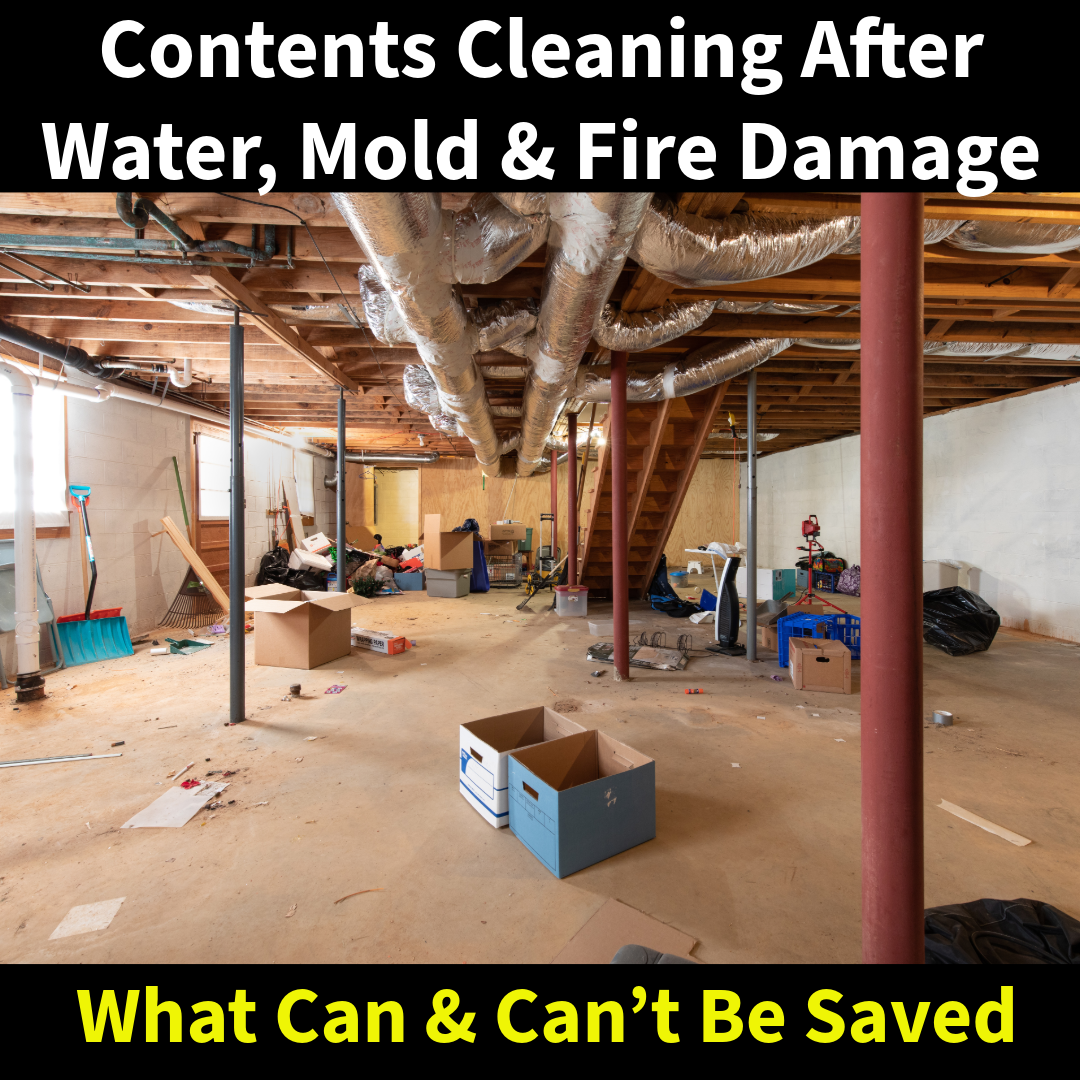
Contents Cleaning After Water, Mold, and Fire Damage

When a home or building is damaged by water, mold, or fire, the focus often goes straight to structural repairs. What’s frequently overlooked is the condition of the contents inside the space—furniture, personal belongings, electronics, documents, and other items that may be affected even if they don’t appear visibly damaged.

Contents cleaning is a critical part of the recovery process and can make a significant difference in both restoration costs and long-term indoor safety.


Water, smoke, and mold don’t stay confined to one area. Moisture migrates, smoke travels through air pathways, and mold spores spread easily. As a result, contents throughout a home or building may be impacted even if the source of damage was isolated.

Items can absorb contaminants, odors, and moisture without showing immediate signs, which is why professional evaluation matters.


Water damage can impact contents quickly, especially when moisture is allowed to sit or migrate.

Commonly affected items include:

  • Upholstered furniture and mattresses
  • Area rugs and carpeting
  • Paper documents and books
  • Clothing and textiles
  • Wood furniture and cabinetry
  • Electronics and appliances

Even clean water can cause damage if drying is delayed, and contaminated water introduces additional safety concerns.


Mold-related damage isn’t always visible. Contents stored in damp or poorly ventilated areas can absorb moisture and spores over time.

Items often impacted by mold exposure include:

  • Cardboard boxes and stored belongings
  • Fabric items and soft goods
  • Books, artwork, and paper materials
  • Porous furniture and décor

In some cases, contents may be salvageable after proper cleaning and drying. In others, removal may be necessary to prevent recontamination.


Fire damage affects more than what the flames touch. Smoke and soot can travel throughout a structure, leaving residues that continue to cause damage if not properly addressed.

Fire-related contents issues often involve:

  • Smoke odor absorption in fabrics and furniture
  • Soot residue on surfaces and electronics
  • Corrosive damage to metals and wiring
  • Contamination of HVAC-distributed items

Deodorizing alone is rarely sufficient without proper cleaning and evaluation.


Whether an item can be cleaned and restored depends on several factors, including:

  • The type of material (porous vs. non-porous)
  • The extent and duration of exposure
  • The type of damage (water category, mold growth, smoke residue)
  • Health and safety considerations

Professional assessment helps the property owner make informed decisions instead of guessing or discarding items unnecessarily.


Cleaning or removing affected contents is often necessary before repairs or reconstruction begin. Leaving contaminated or moisture affected items in place can compromise restoration work and contribute to ongoing odors, mold growth, or indoor air quality issues.

Proper sequencing helps ensure the space is truly clean and safe before moving forward.


Contents cleaning is an essential part of recovery after water damage, mold exposure, or fire. What can be saved and what can’t, should be determined through careful evaluation, not assumptions.

Addressing contents properly helps protect health, preserve valuable belongings, and support a successful restoration process.
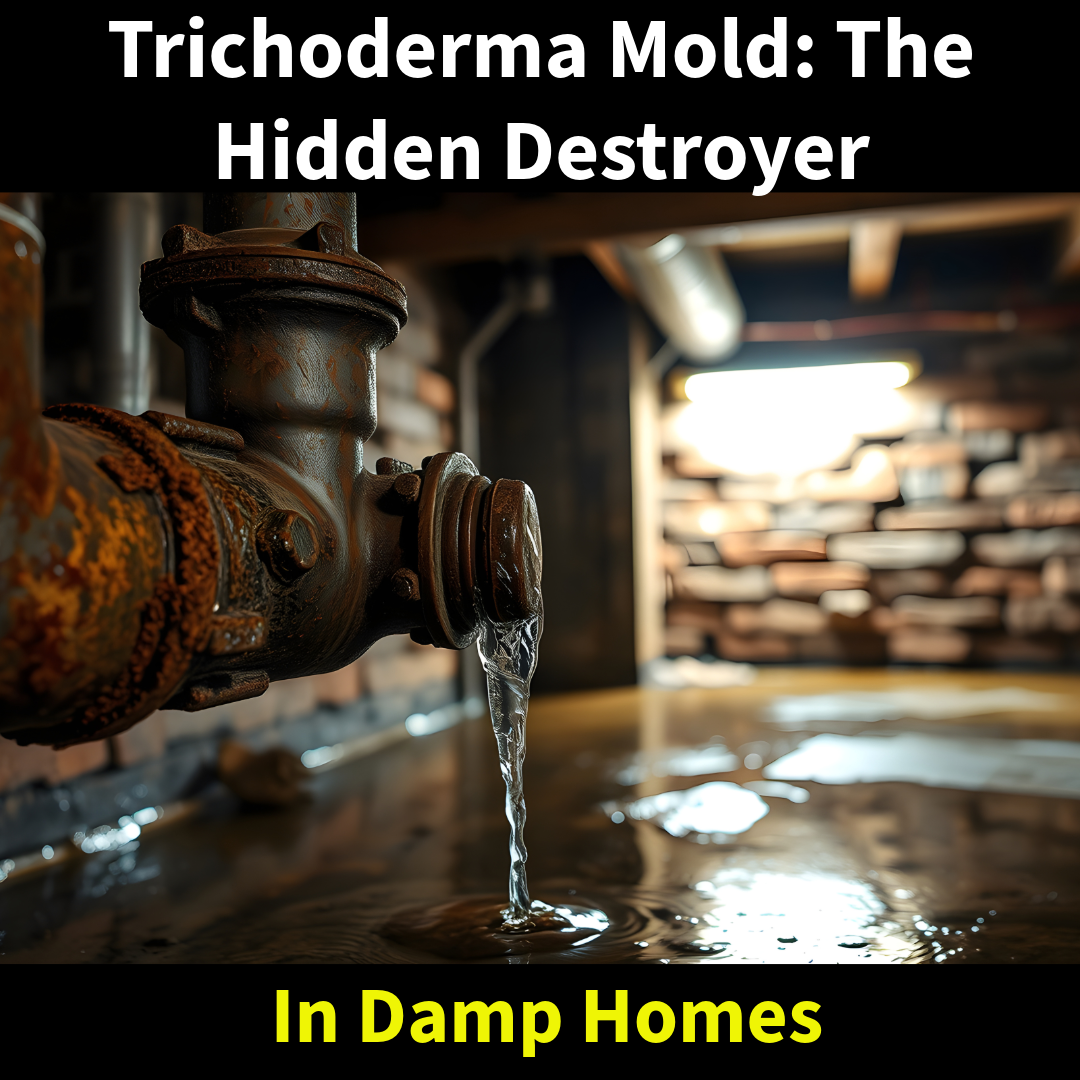
Trichoderma Mold: The Hidden Destroyer in Damp Homes

When most people think of mold, they imagine the infamous black streaks of Stachybotrys. But there’s another aggressive species that often goes unnoticed — Trichoderma. Found in damp, humid environments, this fast-growing greenish-white mold doesn’t just damage property; it can also threaten indoor air quality and health.


What Is Trichoderma?

Trichoderma (pronounced TRY-ko-DER-ma) is a common environmental mold that naturally lives in soil and decaying wood. While harmless outdoors, when it finds its way into damp building materials — like wet drywall, insulation, carpet padding, or subfloors — it can become destructive.

It thrives in humidity and moisture, quickly colonizing cellulose-based materials (anything made from plant fibers, such as paper, wood, or carpet backing). Once it begins to spread, Trichoderma releases enzymes that break down organic matter — literally eating away at a home’s structure.


Where It Grows

You’ll typically find Trichoderma in places with persistent or hidden moisture, including:

✔️ Basements and crawl spaces
✔️ Behind drywall after leaks
✔️ Around HVAC systems and vents
✔️ On or under bathroom floors
✔️ Behind kitchen sinks and dishwashers

In many cases, homeowners don’t see the mold itself — only the symptoms: musty odors, soft or warped drywall, or unexplained allergy issues.


Health Risks of Trichoderma Exposure

While Trichoderma is not as toxic as Stachybotrys, it still poses health risks — especially for people with allergies, asthma, or weakened immune systems.
Exposure may cause:

  • Sneezing, coughing, or sore throat
  • Skin irritation and redness
  • Itchy or watery eyes
  • Aggravated asthma symptoms

In rare cases, certain species like Trichoderma longibrachiatum have been linked to serious infections in individuals with compromised immunity. Even without infection, prolonged exposure to airborne spores can impact respiratory health and worsen preexisting conditions.


Why It’s Dangerous for Homes

Unlike surface mold, Trichoderma can grow deep inside building materials — meaning even if you clean the visible mold, it may still exist behind walls or under floors.
Because it spreads through microscopic spores and thrives in moisture, it’s often a sign of a larger water problem, such as:

  • Hidden plumbing leaks
  • High humidity from poor ventilation
  • Water seepage in basements or crawl spaces

If untreated, Trichoderma can weaken framing, drywall, and subflooring — and cause thousands of dollars in structural damage.


The Right Way to Remove It

DIY cleaning or “mold sprays” won’t stop Trichoderma. Proper remediation requires:

  1. Identifying and fixing the moisture source
  2. Containment and HEPA filtration to prevent cross-contamination
  3. Abrasive cleaning and disinfecting affected surfaces
  4. Encapsulation of remaining materials to prevent regrowth

Professional remediation teams like MSI use certified methods that meet IICRC standards, ensuring your home is safe, clean, and protected against future growth.


In Closing

Not all molds look alike — and not all require the same cleanup approach. Trichoderma spreads fast, hides deep, and damages more than just the surface. If you notice musty odors or see greenish mold growth in damp areas, it’s time for a professional inspection.

Call MSI for certified mold testing and remediation. Protect your home, your health, and your peace of mind.

📞 215-339-1769 | 877-712-1600 | wearemsi.com

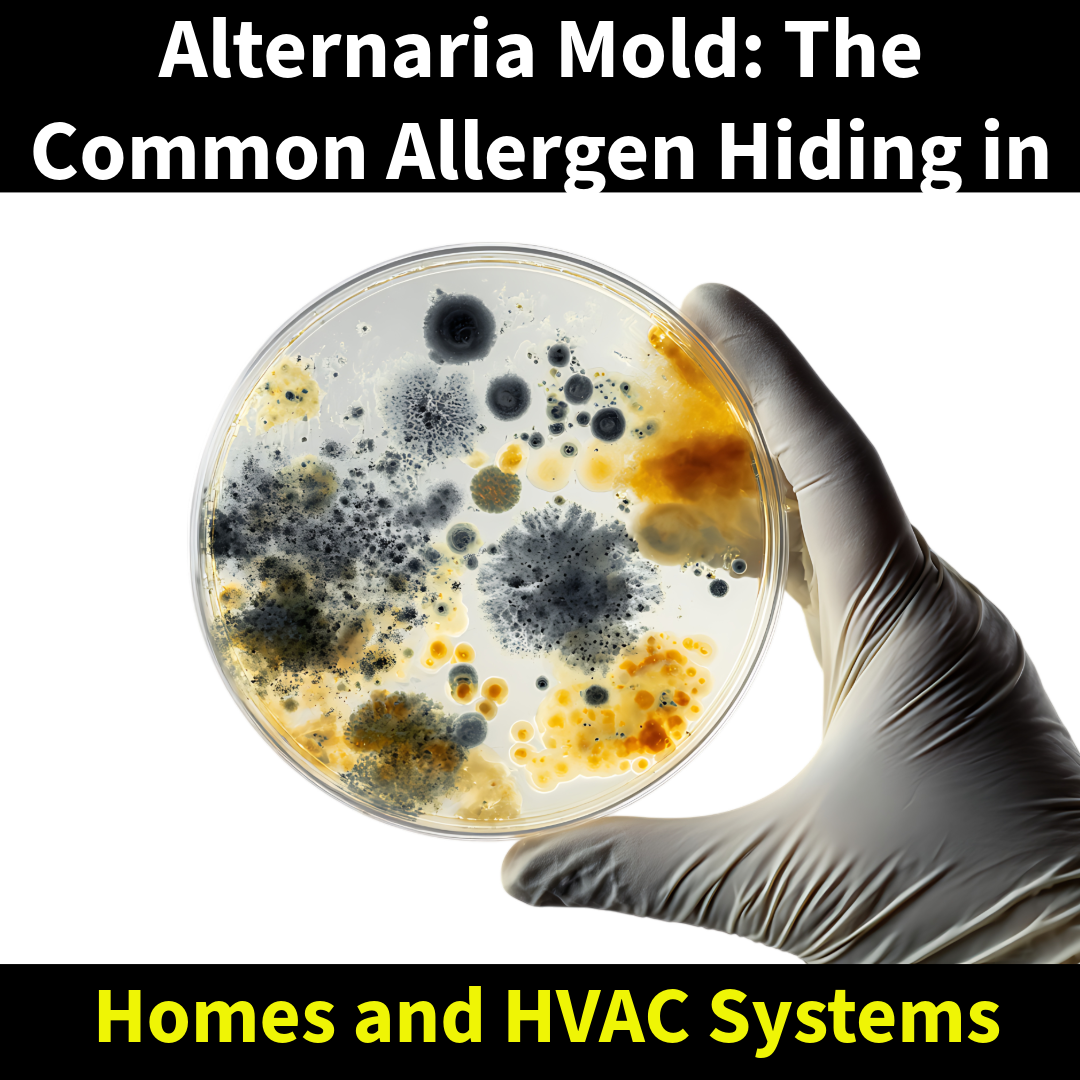
Alternaria Mold: The Common Allergen Hiding in Homes and HVAC Systems

Alternaria (pronounced al-ter-NAIR-ee-uh) is one of the most common molds found in both indoor and outdoor environments. Often seen as dark green or brown spots, this mold thrives in moisture-rich areas — especially where air movement and humidity collide. While it’s usually associated with outdoor plants, it can easily enter your home through windows, HVAC systems, and even your clothing.

Where Alternaria Grows Indoors

Alternaria mold prefers damp surfaces and can grow almost anywhere moisture lingers. Common indoor locations include bathrooms, window sills, basements, and around air conditioning units or dehumidifiers.
In homes with older HVAC systems or poor ventilation, Alternaria spores can collect inside ducts, spreading through the air every time the system runs. This makes it one of the most frequently detected molds during indoor air quality testing.

Health Effects of Alternaria Exposure

Alternaria is a significant allergen known to trigger respiratory symptoms similar to seasonal allergies. Individuals exposed to it may experience:

  • Sneezing, runny nose, and itchy eyes
  • Coughing or throat irritation
  • Asthma flare-ups or difficulty breathing
  • Sinus infections or chronic congestion

For people with compromised immune systems or pre-existing lung conditions, prolonged exposure can cause more severe reactions. Because of its ability to travel through air systems, Alternaria can affect every room in a property — even those far from the original growth site.

Why Alternaria Is More Common in Fall and Winter

When homes are closed up for colder weather, moisture from improper dehumidification or leaks, showers, and heating systems can build up faster than it escapes. HVAC filters, if not changed regularly, can trap spores and redistribute them throughout the house.

How MSI Identifies and Removes Alternaria Mold

At MSI, we specialize in testing and remediation for allergenic and airborne molds like Alternaria. Our process includes:

  • Air sampling to detect spores circulating through HVAC systems
  • Surface testing to confirm contamination and identify source points
  • Targeted remediation using HEPA filtration and negative air pressure
  • Post-clearance testing to verify clean indoor air quality

We don’t just remove mold — we identify the underlying moisture cause to prevent it from returning.

Protecting Your Home and Indoor Air

Keeping humidity under control is key. Use dehumidifiers in damp areas, replace HVAC filters every three months, and address any condensation on windows or basement walls promptly.
If you suspect airborne mold or have recurring allergy symptoms indoors, professional testing is the only way to know for sure.

MSI has been performing certified mold testing and remediation since 1998, serving homeowners, property managers, and businesses throughout Pennsylvania, New Jersey, and Delaware.

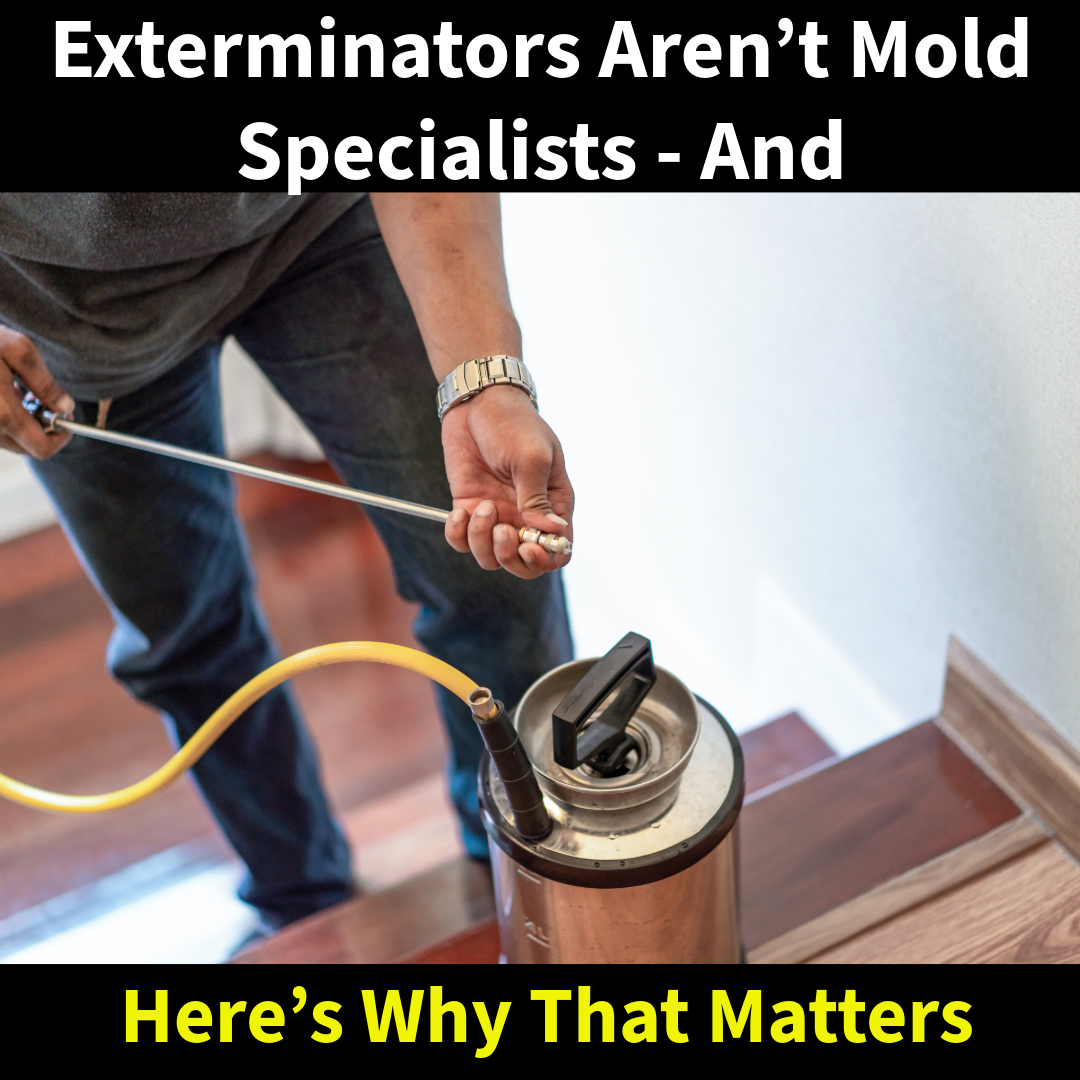
Exterminators Aren’t Mold Specialists — and Here’s Why That Matters

In recent years, some pest control companies have started offering mold remediation as an added “service.” At first glance, it might sound convenient — one company to handle insects, rodents, and even mold. But convenience doesn’t equal competence, and this new trend comes with serious risks for homeowners.

Different Industries, Different Expertise

Extermination and environmental remediation have nothing to do with each other. Pest control companies are trained to handle insects and rodents — not air quality, contamination control, or microbial growth. Mold remediation is a specialized environmental process that requires containment systems, HEPA filtration, negative air pressure, and post-clearance testing. Without those steps, spores simply spread to new areas, and the problem returns.

When Restoration Companies Own Pest Control Firms

A growing number of exterminator businesses are now being owned or backed by large restoration companies. That’s where things can get concerning. These combined operations often push unnecessary mold work just to generate revenue — even when no real mold problem exists. Mold testing should be based on evidence, not on sales tactics, and homeowners deserve honest, data-backed answers before any work begins.

Spray-and-Go Is Not Remediation

The biggest red flag is when a pest control company’s “mold treatment” consists of nothing more than spraying or fogging a product. That is not remediation. Real remediation means identifying the source of moisture, removing contaminated materials, cleaning surfaces properly, and verifying that the air and structure are safe afterward. Spraying only hides the problem — it doesn’t solve it.

Specialty Work Requires Specialty Professionals

It’s simple: you wouldn’t hire a plumber to do your electrical work. The same logic applies to mold remediation. Each trade exists for a reason — and mold cleanup requires technicians trained in building science, environmental safety, and contamination control. Without that knowledge, you risk cross-contamination, health exposure, and wasted money.

The MSI Difference

At MSI, we’ve specialized in environmental testing and remediation since 1998. Our team focuses solely on accurate assessment, professional containment, and complete restoration — not on selling unnecessary services. Every project is handled by certified specialists who understand how to properly remove mold and confirm when your space is truly clean and safe again.

When it comes to protecting your home, trust specialists — not shortcuts.

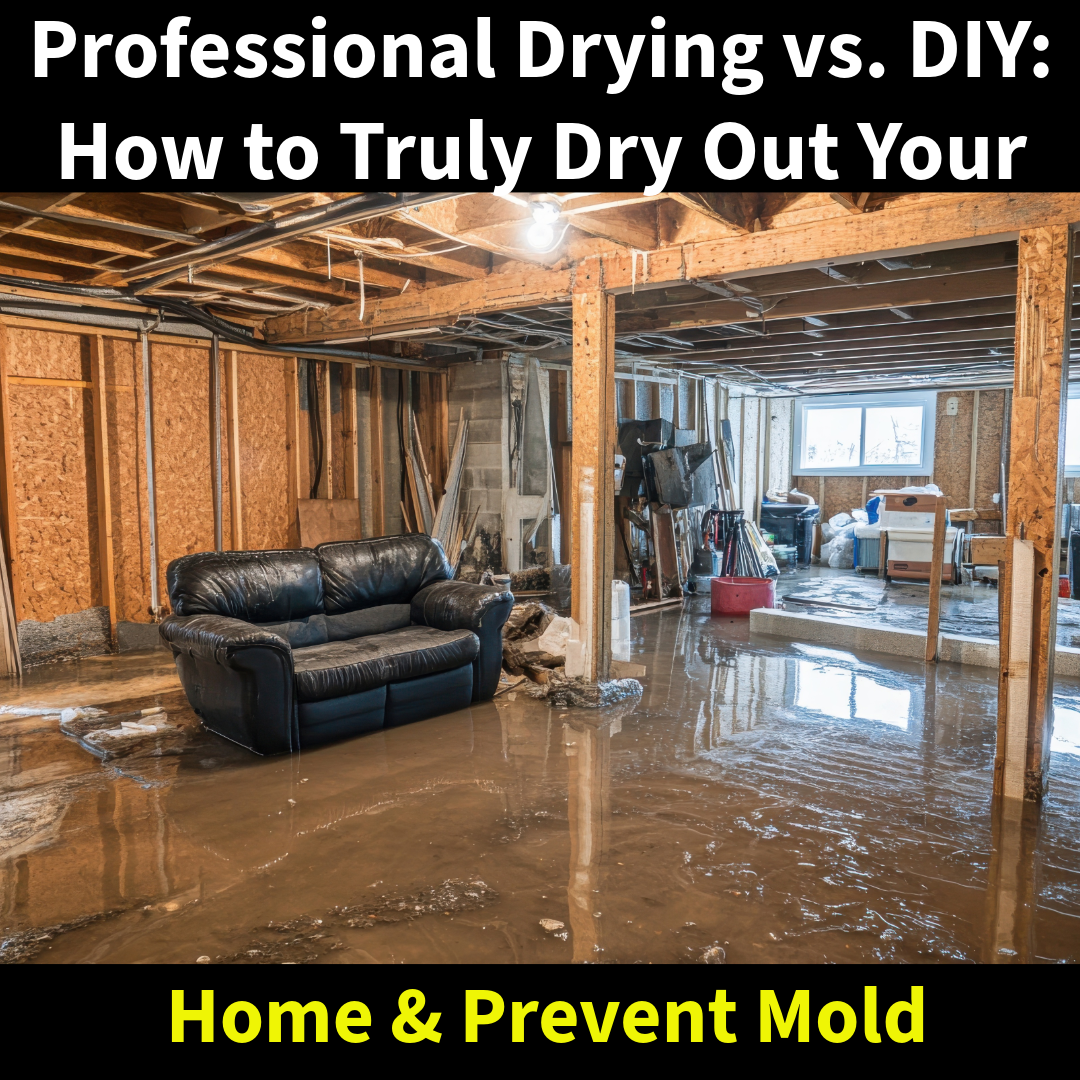
Professional Drying vs. DIY: How to Truly Dry Out Your Home and Prevent Mold

When water damage strikes — whether from a burst pipe, leaking appliance, or heavy rain — many homeowners reach for household fans and a store-bought dehumidifier, hoping that will solve the problem. While it may seem like a quick fix, these tools simply aren’t powerful enough to stop the hidden dangers that come with water damage. Without the right equipment and techniques, moisture lingers in your home’s structure, creating the perfect conditions for mold growth and costly repairs.

Why Household Equipment Falls Short

  • Fans: A box fan or ceiling fan circulates air, but it doesn’t create the high-velocity airflow needed to pull moisture out of walls, flooring, and other building materials.
  • Store-bought dehumidifiers: These units are designed for comfort in a bedroom or basement, not for drying a water-damaged structure. They pull out only a fraction of the moisture required, and can take weeks to have any impact. Meanwhile, mold has time to spread.

What Professional Equipment Does Differently

  • Commercial air movers: These machines blast air at floor level and across surfaces, forcing moisture out of wood, drywall, and carpeting.
  • Industrial dehumidifiers: Unlike small home units, professional dehumidifiers extract dozens — even hundreds — of pints of water per day, rapidly lowering humidity to safe levels.
  • Moisture meters and thermal imaging: Hidden dampness inside wall cavities or under flooring can’t be seen with the naked eye. Professional tools detect and verify that everything is truly dry.

Why Speed Matters: Stopping Mold Before It Starts

Time is critical after water damage. Mold can begin growing in as little as 24 to 48 hours if moisture is left unchecked. Even if a surface feels dry, deep inside the materials, moisture may still be present. Professional drying equipment ensures the structure is dried quickly and completely, cutting off mold before it has a chance to take hold.

Protecting Your Home and Health

Using household equipment may make the surface look better temporarily, but it doesn’t address the bigger issue. Without full structural drying, homeowners often face mold infestations, warped building materials, and persistent odors just weeks later. Professional equipment prevents these problems, saving money, time, and stress in the long run.

The MSI Difference

At MSI, we use advanced drying equipment and IICRC-certified techniques to restore homes the right way. Every job is documented with moisture readings to prove that your property is safe, dry, and mold-free. Choosing professional help isn’t just about convenience — it’s about protecting your home and your health.

Don’t risk mold and long-term damage by relying on household fans. Call MSI today at 215-339-1769 for fast, professional water damage restoration.

When Sellers Hide Water & Mold Damage: A Costly Court Case in Radnor PA

I want to discuss a recent court case I was involved in that shows just how costly it can be when sellers fail to disclose water and mold damage.

This case took place in Radnor, PA, and it centered on a home that was listed for $1.2 million but ended up selling for $1.36 million. The sellers walked away with more than they were asking for, but instead of being upfront, they hid major problems that would eventually cost them dearly.

What the Buyers Didn’t See

From the very beginning, the buyers were rushed through walk-throughs. Both realtors created short, pressured windows that left little time to really evaluate the property. Behind the quick tours were years of water intrusion problems:

  • A leaking basement.
  • Roof failures that damaged three bedrooms.
  • Wall issues from poorly installed stucco and windows.

These weren’t surprises to the sellers. In fact, their own old social media posts—later uncovered by the buyers’ attorney—showed them talking about water problems in the basement.

The Lawsuit

After closing, the buyers realized the scope of the damage. They had used everything they had to purchase the property and couldn’t afford the massive repair costs. Their attorney filed a lawsuit seeking rescission—essentially asking the court to unwind the deal because the house had been misrepresented.

I testified in this case alongside other expert witnesses. We all confirmed the same thing: the damage wasn’t new and didn’t suddenly appear. It was long-term, ongoing, and deliberately covered up.

It wasn’t just the sellers who paid the price. The realtors were also sued and ultimately settled before the trial. They were found to be complicit in rushing the buyers through and not allowing proper inspection windows, and together they lost about $50,000.

The Outcome

Faced with overwhelming evidence, the sellers agreed to settle. They were forced to pay $230,000 plus more than $100,000 in legal fees. What looked like a profitable sale quickly turned into a financial disaster—all because of dishonesty.

The Lesson

The moral is simple: when selling a home, disclosure matters. Water damage and mold don’t just disappear, and covering them up is never worth the risk. Buyers may still move forward if issues are disclosed properly, but hiding them almost always ends in lawsuits and financial loss.

And for realtors, this case is a reminder that your actions matter too. Pushing buyers through rushed walkthroughs or glossing over concerns doesn’t just put your clients at risk—it can put you in the courtroom as well.

From my perspective, having been directly involved in this case, it’s clear that honesty and transparency protects everyone in the long run.

From Denied Claim to Full Coverage — Media, PA Water Loss

What seemed like a small water damage issue on the first floor of a single-family home in Media, PA turned out to be a multi-floor problem that had been quietly causing damage for some time. This project revealed the hidden extent of water damage — and how having an experienced restoration company can make all the difference when dealing with insurance claims.


The First Call

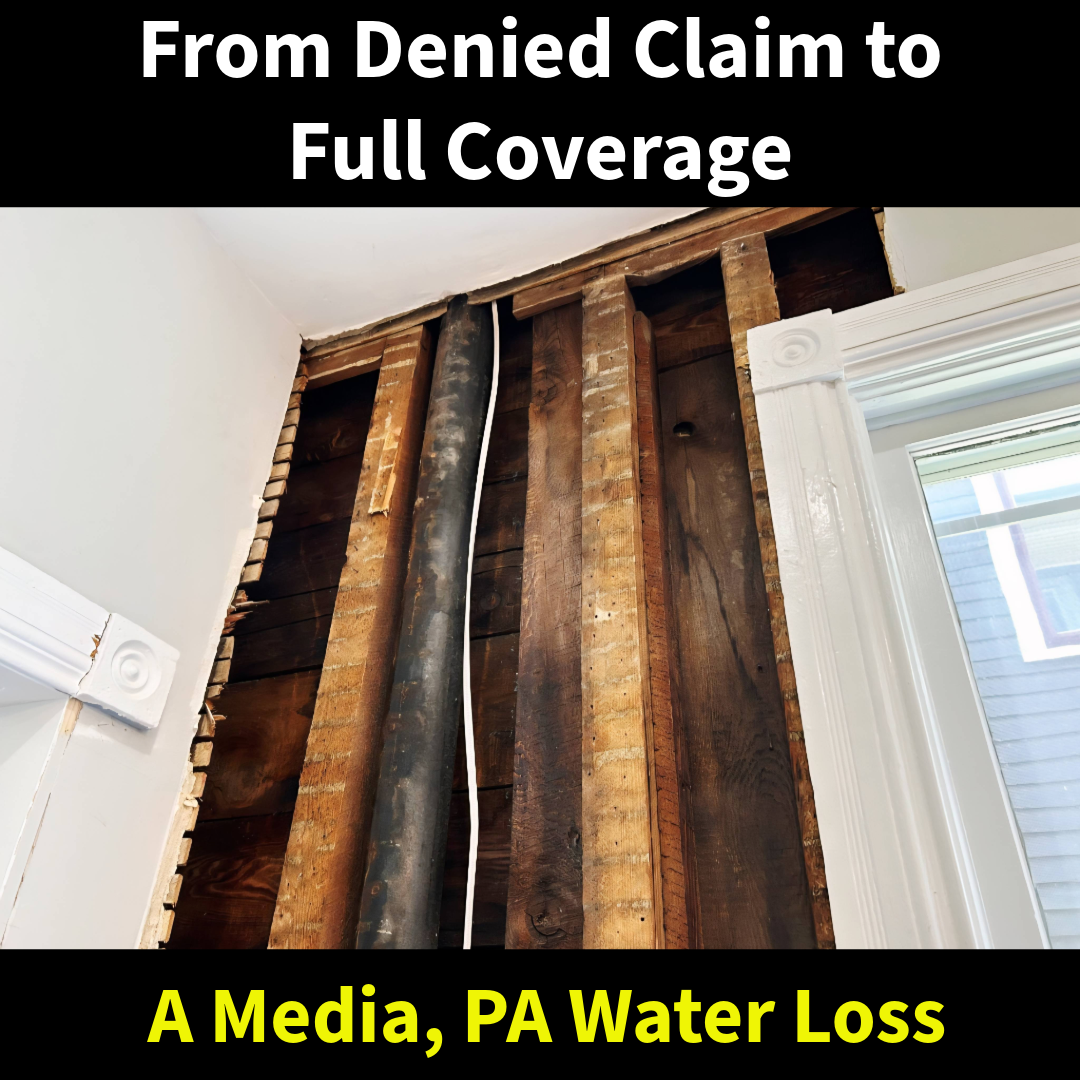
When the homeowner first contacted us, they believed the water damage was limited to their first floor. Upon inspection, our team found additional damage extending upward to the second floor and downward into the finished basement. With no visible source in sight, we began carefully opening walls to trace the water’s path.


Finding the Culprit

The break was eventually traced to a cracked stack pipe in the second-floor wall. The homeowner had already filed an insurance claim, but it had been denied because the insurer labeled it a “long-term leak” — a common reason for claim rejections, especially when mold is involved.

However, our inspection told a different story.


Proving the Case

We documented how the crack in the pipe was small enough to release only minimal amounts of water at a time. The insulation and double-layered drywall/plaster acted like a sponge, absorbing the water before any signs appeared on the surface. By the time damage became visible, the underlying problem had been active for some time — but not because it was ignored.

Once the wall was opened, a plumber could repair the pipe, and with our findings, the insurance company reversed its decision and covered the claim.


Understanding Category 3 Water

This was a Category 3 water loss — the most hazardous classification:

  • Category 1: Clean water from a sanitary source.
  • Category 2: “Gray” water with some contamination.
  • Category 3: “Black” water containing sewage, bacteria, and dangerous pathogens.

Because the cracked stack pipe was part of the home’s waste system, any escaping water posed serious health risks. Immediate, professional remediation was essential to remove contaminated materials, sanitize the area, and prevent mold growth.


Why Stack Pipes Crack

Stack pipes — the vertical plumbing pipes that carry waste and water from upper floors — can crack for several reasons:

  • Material fatigue in older cast iron or PVC systems.
  • Shifting or settling of the building.
  • Temperature fluctuations causing expansion and contraction.
  • Corrosion or rust over time.

Even a small crack can cause major hidden damage, as this case clearly showed.


The MSI Difference

Our role went far beyond cleanup. We:

  • Discovered the hidden extent of the damage.
  • Removed contaminated materials from all affected floors.
  • Performed mold remediation to IICRC standards.
  • Coordinated with the plumber for quick repairs.
  • Provided the documentation needed to reverse a denied insurance claim.

When you’re facing water damage — especially from a hidden source — you need a restoration company that knows how to uncover the problem, clean it up properly, and help you get it covered.


Have water or mold damage you can’t figure out? Call MSI at 877-712-1600. We’ll find the source, stop the damage, and help restore your home safely.

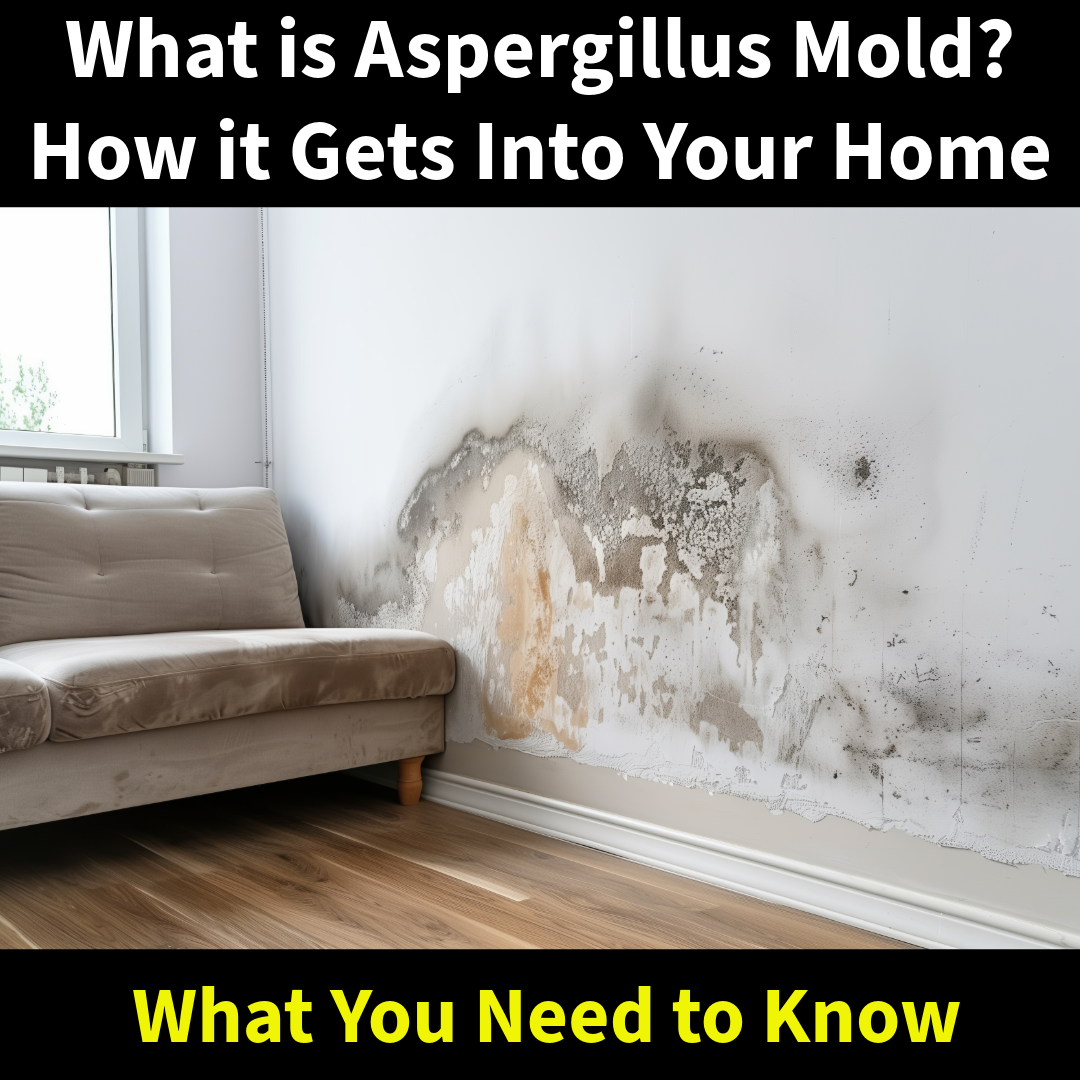
What Is Aspergillus Mold? How it Gets Into Your Home

When most people think of mold, “black mold” tends to dominate the conversation. But another mold type is just as important—Aspergillus. Found in homes, hospitals, and even the air we breathe, this mold can trigger allergies, infections, and more serious health issues if left unchecked. Whether you’re a homeowner, property manager, or simply concerned about indoor air quality, understanding Aspergillus is essential.

What Is Aspergillus?

Aspergillus (pronounced as-per-JILL-us) is a genus of mold that includes over 200 species. While some are harmless or even beneficial (like those used in food fermentation), others pose serious health risks. It’s typically green, yellow, or white and has a powdery or velvety texture when growing.

Common places Aspergillus is found:

  • HVAC systems and ductwork
  • Damp drywall or ceiling tiles
  • Window sills
  • Attics and basements
  • Airborne dust in homes and commercial buildings

Health Effects of Aspergillus

The health risks depend on the species and the individual exposed. For most healthy people, exposure to small amounts may only cause mild irritation. But for those with asthma, allergies, or compromised immune systems, it can be dangerous.

Some health effects include:

  • Allergic Aspergillosis: Causes wheezing, coughing, sinus issues, and respiratory inflammation.
  • Aspergilloma (fungus ball): Can form in lungs or sinuses after long-term exposure—particularly in those with pre-existing lung conditions.
  • Invasive Aspergillosis: A rare but severe condition where the mold spreads from the lungs to other organs. Life-threatening in immunocompromised individuals.
  • Skin or eye infections: From direct contact in rare cases.

Why Aspergillus Grows Indoors

Aspergillus spores are everywhere—indoors and out—but they grow when moisture and organic material combine. Water-damaged drywall, dust buildup in vents, or humidity above 60% can all provide a perfect breeding ground.

Signs of Aspergillus in a Home or Business

  • Musty or earthy odors, especially near vents or damp walls
  • Frequent sinus or respiratory issues in occupants
  • Visible mold colonies that are greenish or pale yellow
  • Unexplained worsening of asthma or allergy symptoms

How MSI Can Help

At MSI, we’ve tested and remediated properties for Aspergillus for decades. Our process includes:

  • Air and surface sampling to confirm presence and identify the exact species
  • Source tracking to locate where it’s growing—often hidden in ductwork or behind walls
  • Professional remediation to ensure removal meets clearance standards
  • Recommendations for moisture control and prevention

Don’t Ignore This Common Mold

Aspergillus may not get the headlines that black mold does, but it can be just as disruptive—and dangerous. If you’re noticing persistent symptoms, strange odors, or past water damage, don’t wait.

Call MSI today to schedule a mold inspection. Protect your property and your health—before Aspergillus becomes a bigger problem.

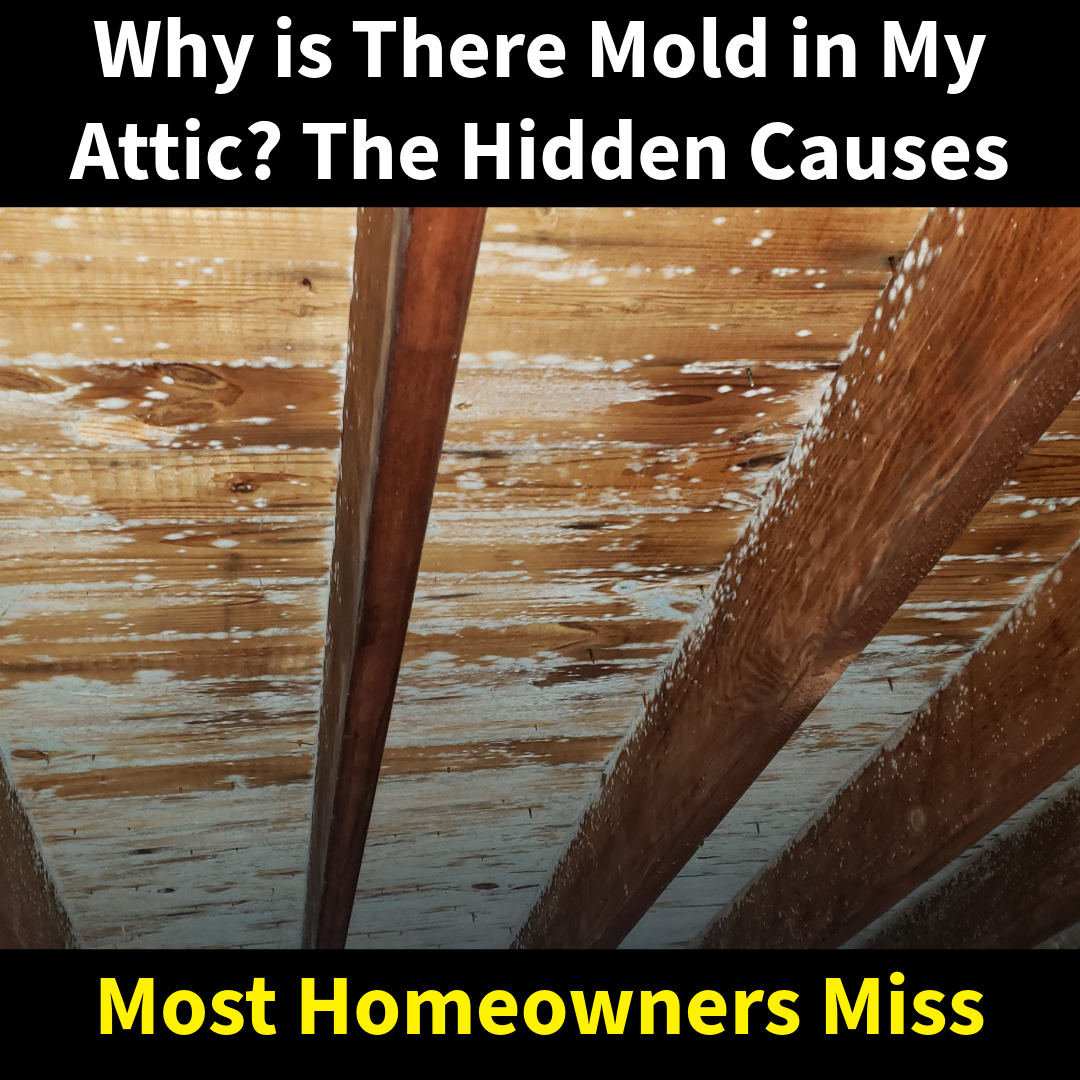
Why Is There Mold in My Attic? The Hidden Causes Most Homeowners Miss

Many homeowners are shocked to discover mold in their attic—especially when it’s a part of the home they rarely visit. But attic mold is more common than people realize, and it often forms slowly and silently until it becomes a serious problem. Here’s what might be feeding it—and what to look for before it spreads.

1. Roof Leaks You Never See

Even a small roof leak can allow moisture to enter the attic. Water may drip down slowly onto insulation or framing without ever staining the ceiling below—making it easy to miss until mold takes hold.

2. Poor Ventilation

Your attic needs proper airflow to stay dry. Ridge vents, soffit vents, and gable vents should work together to cycle air and remove moisture. Without it, humid air gets trapped—creating the perfect mold environment, especially during seasonal changes.

3. Over or Under Insulating

Too much insulation? It can block airflow and trap heat, leading to condensation. Too little insulation? Warm, moist air from the house rises into a cold attic and condenses on rafters. Either way, it fuels mold growth.

4. Bathroom Fans Venting Into the Attic

This is a big one. Bathroom exhaust fans should be vented outside the home—not into the attic. When they dump warm, humid air directly into the attic space, it creates moisture buildup fast, and mold is often the result.

5. Inconsistent Temperatures and Seasonal Condensation

Freezing winter air meeting warm interior heat leads to condensation on the wood structure—especially on nails, rafters, and sheathing. This repeated moisture cycle encourages mold spores to thrive.

A Word of Warning About Cheap Mold Jobs

Many restoration companies offer low prices because they simply paint over attic mold. It may look clean when they’re done, but the mold problem underneath is still active—and growing. Without fixing the moisture source or removing the contamination properly, the mold will return. And when it does, the next remediation will likely cost more and require more work to undo the shortcut.

How to Fix It (And Why It Matters)

Ignoring attic mold can lead to structural damage, poor indoor air quality, contamination of HVAC systems, and reduced home value. If you suspect attic mold, don’t rely on a quick bleach wipe or DIY fan trick. A professional inspection can uncover the source, assess the extent, and recommend a proper remediation and prevention plan.

At MSI, we’ve inspected hundreds of attic spaces and understand how mold starts—and how to stop it. Whether it’s ventilation issues, insulation mistakes, or improper exhaust fan setups, we find the cause and provide real solutions.

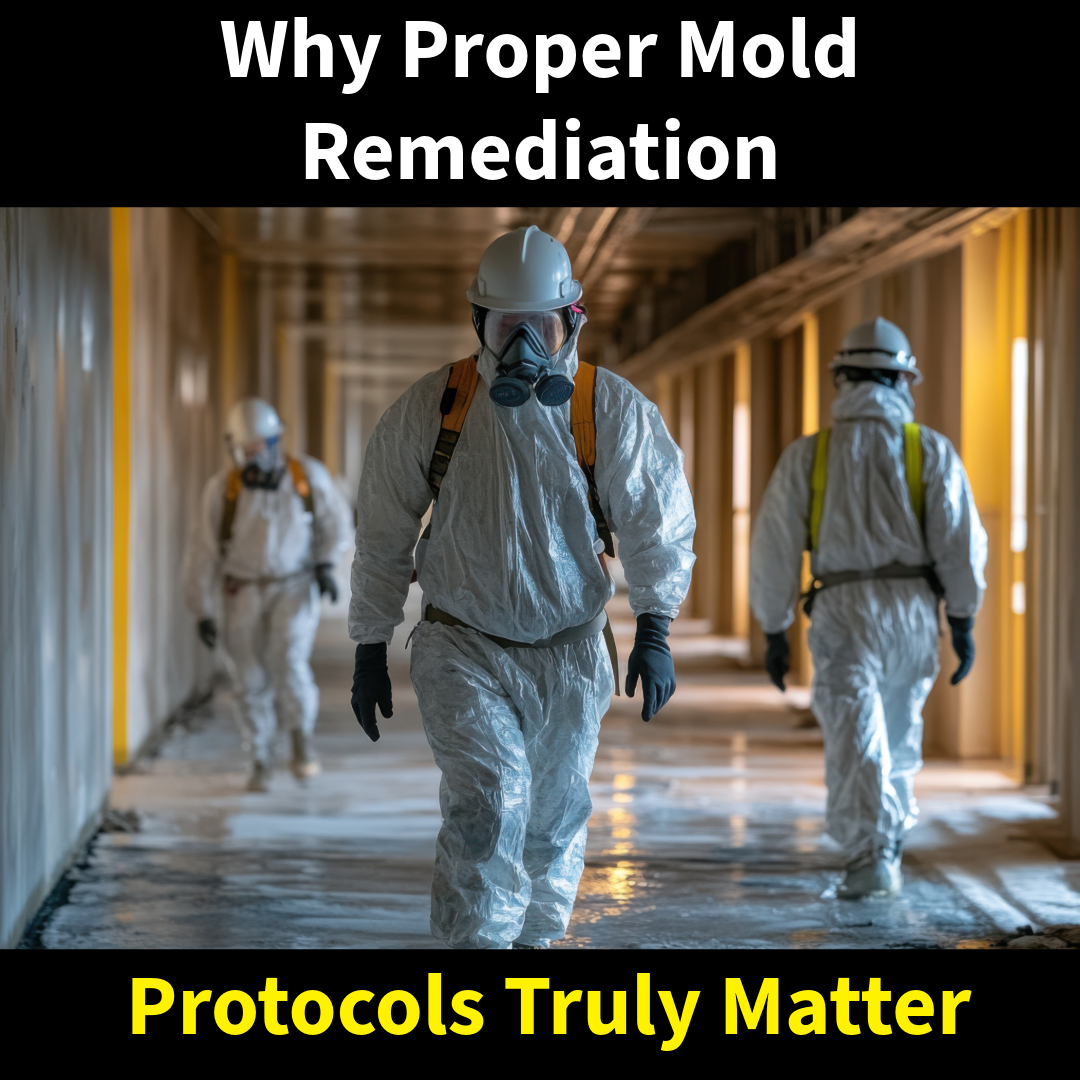
Why Proper Mold Remediation Protocols Truly Matter

When it comes to mold remediation, appearances can be deceiving. A company might have great reviews online, but that doesn’t always mean their work follows professional standards. Without the right protocols, you could be left with hidden risks long after the job is “finished.”

What Proper Mold Remediation Should Look Like

Professional mold remediation isn’t just about removing visible mold. It’s a detailed process that should always include:

  • Full containment to prevent cross-contamination
  • Use of proper personal protective equipment (PPE), including respirators, suits, and gloves
  • Air filtration devices (HEPA filters) running throughout the job
  • Safe removal and disposal of affected materials
  • Proper cleaning and post-remediation verification

If any of these steps are skipped—or if crews aren’t even wearing the right PPE—it’s a clear sign that corners are being cut.

The Dangers of Cutting Corners

When mold remediation isn’t done properly:

  • Mold spores can spread to other areas of the home
  • Occupants may continue to experience health issues
  • Moisture problems may not be fully addressed, leading to future growth
  • Insurance claims related to the damage could be denied

In short, improper remediation doesn’t just waste your money—it puts your property and your health at risk.

Certifications Matter

At MSI, we take mold remediation seriously. As an IICRC Certified Firm, we follow strict industry protocols to ensure every project is handled safely, thoroughly, and professionally. Certification isn’t just a title—it’s proof that we meet the highest standards for mold removal and safety.

Before you trust any company with your home, make sure they have the training, equipment, and certifications necessary to protect you—not just their own image.