Opening Up for Spring? Check for Mold Before It Spreads

As the weather warms up and we finally get to open the windows, air out our homes, and start spring cleaning, many homeowners discover something unexpected—and unwelcome: mold.

Mold thrives in dark, damp, and enclosed environments. So while your home was sealed up all winter, moisture from humidity, minor leaks, or poor ventilation may have been feeding a hidden mold problem. And once you start disturbing dust, moving furniture, or letting fresh air in, that mold can spread fast.

Why Spring Is Prime Time for Mold Discoveries

  • Humidity Shifts: Spring brings more moisture into the air. If your home isn’t properly ventilated, humidity can trigger new mold growth or make existing colonies worse.
  • Basements & Crawlspaces: These areas are especially vulnerable in spring as snowmelt or rainwater seeps in.
  • Roof & Gutter Leaks: Winter weather can damage roofing materials and clog gutters. Once spring storms roll in, unnoticed damage becomes a source of interior moisture.
  • Condensation: Windows and pipes may still be cool while warmer, damp air enters—creating condensation and mold-friendly surfaces.

What to Watch For

  • Musty or earthy odors
  • Stains or discoloration on walls, ceilings, or floors
  • Allergies that worsen indoors
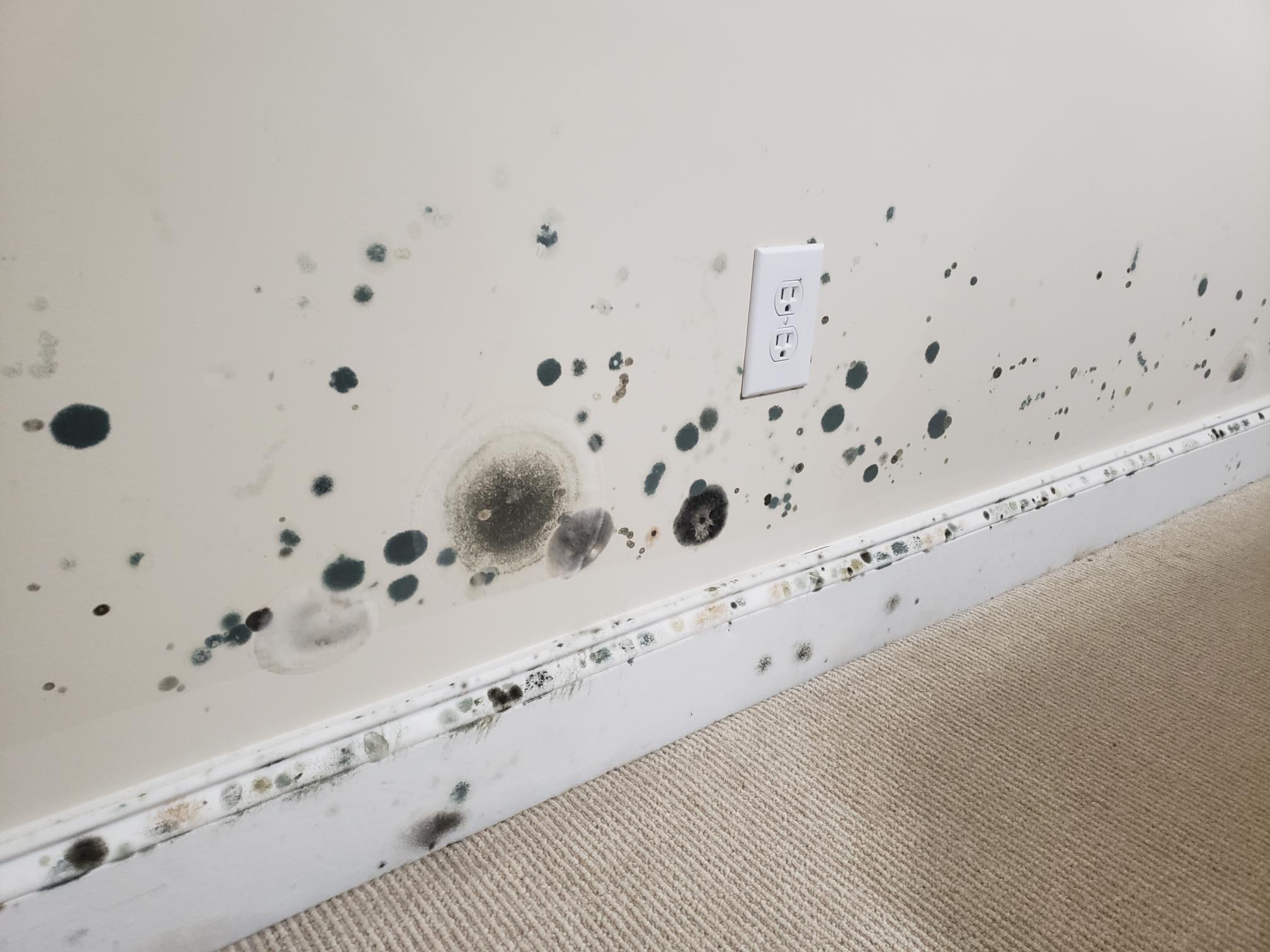
  • Visible black, green, or white fuzzy patches

Don’t Just Clean It—Test It

Wiping mold away doesn’t mean your problem is gone. In fact, you may have even spread spores around your home when attempting to clean it. Proper identification and cleaning can help prevent cross contamination, and assure it’s done properly.

At MSI, we’ve been inspecting and testing mold since 1998. With over 10,000 successful tests completed, we know what to look for—and how to help you fix it the right way. If you’re opening your home up for spring and something seems off, don’t wait.

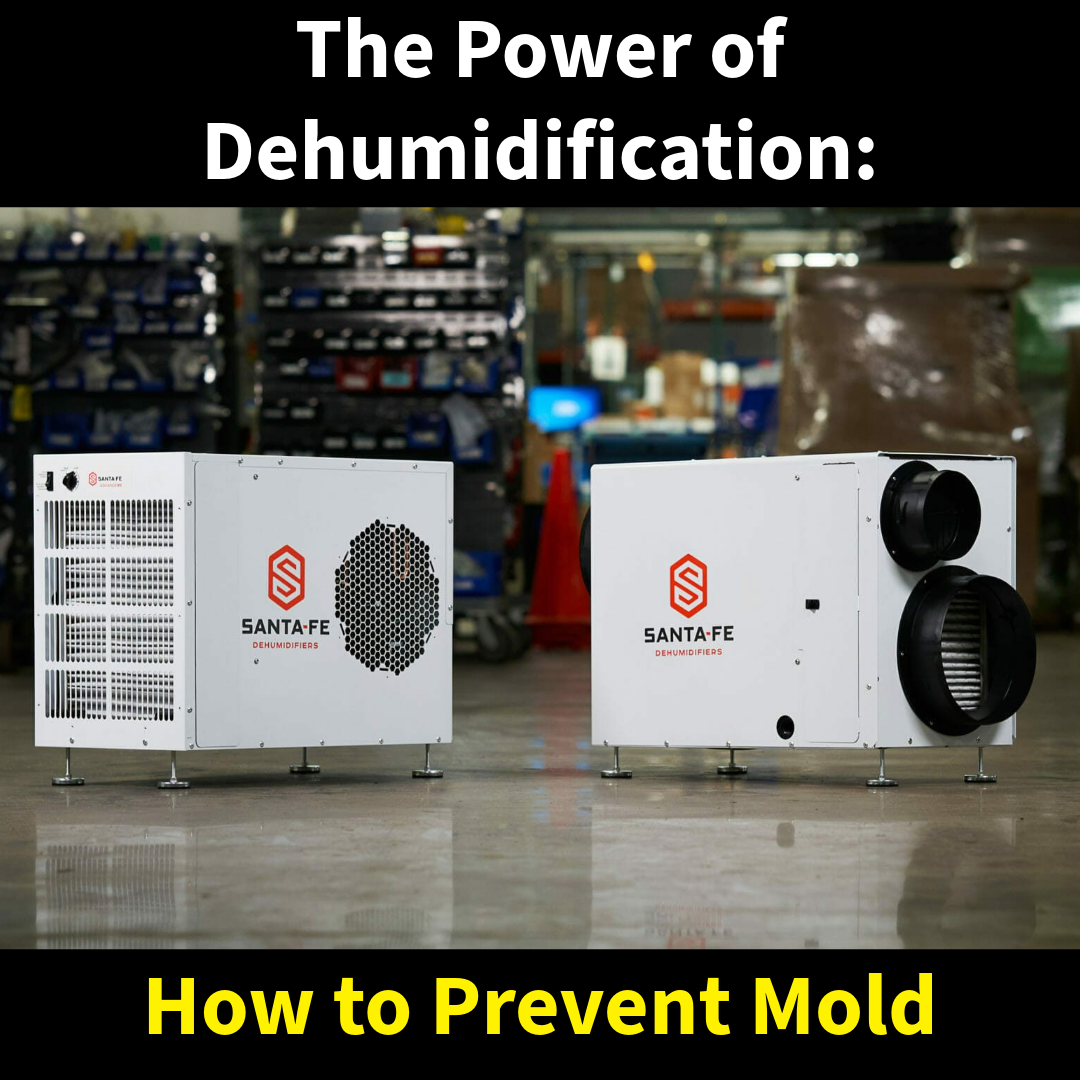
The Power of Dehumidification: How to Prevent Mold

Humidity inside your home isn’t just about comfort—it can significantly impact your health and the integrity of your building. Excessive moisture is one of the primary culprits behind mold growth and structural damage. This makes managing indoor humidity a crucial aspect of home maintenance.

What is a Dehumidifier?

A dehumidifier is a device designed to remove excess moisture from the air, helping to maintain an ideal relative humidity level. There are two main types of dehumidifiers: refrigerative, which works by cooling air to remove moisture, and desiccant, which uses a drying agent to absorb water from the air.

Benefits of Dehumidification

The advantages of using a dehumidifier include preventing mold and mildew formation by maintaining lower humidity levels. This not only helps in keeping the air healthier but also protects furniture, electronics, and even the structural integrity of your home. Additionally, reducing indoor moisture can deter dust mites and other allergens, enhance air quality, and increase overall comfort.

Choosing the Right Dehumidifier

Many standard dehumidifiers available at big box stores might not be up to the task for more demanding environments. They often lack the durability and capacity needed for sustained use in highly humid conditions or larger spaces. In contrast, professional-grade dehumidifiers, like the Santa units we offer, are designed to handle significant workloads. These units are not only more powerful but also feature Merv 13 filters, ensuring that the air is effectively cleaned of particulates before being recirculated.

Why Professional-Grade Units Are a Better Choice

Choosing a dehumidifier that meets your specific needs is essential. For those in need of reliable and effective moisture control, professional-grade models are preferable. They are built to last and perform efficiently even under strenuous conditions. Moreover, the Merv 13 filters provide an additional layer of air purification, making these units an excellent investment for health-conscious homeowners.

Maintenance Tips for Dehumidifiers

To ensure your dehumidifier operates effectively, regular maintenance such as cleaning filters and checking for proper airflow is necessary. This helps extend the life of the unit and maintain its efficiency. Maintaining proper indoor humidity is crucial for your health and the preservation of your home. Professional-grade dehumidifiers, like our Santa models equipped with Merv 13 filters, offer dependable performance and superior air purification. For more information on our products or to schedule a free consultation, visit our website or call our office. Investing in a high-quality dehumidifier is a proactive step towards a healthier, more comfortable home environment.

The Importance of Regular Mold Inspections for Commercial Properties

For many businesses, maintaining a safe and healthy environment is crucial not only for the well-being of employees but also for ensuring uninterrupted operations. One often overlooked aspect of facility maintenance is mold prevention. Mold can not only cause significant property damage but also pose serious health risks. Regular mold inspections are a key defense in identifying potential problems before they escalate into costly emergencies.

Why Regular Inspections Matter

Mold thrives in moist environments and can grow on a variety of materials commonly found in buildings, such as drywall, carpet, and above ceiling tiles. In commercial settings, where the health of a large number of individuals and the condition of significant investments are at stake, the importance of mold prevention cannot be overstated.

Regular inspections by professionals can:

  • Identify Potential Issues Early: Early detection of moisture and mold can save a business from extensive mold remediation costs.
  • Prevent Health Risks: Mold exposure can lead to respiratory issues, allergic reactions, and other health problems. Regular checks help protect employee health, reducing sick leaves and potential liability.
  • Preserve Structural Integrity: Mold can undermine structural components, leading to deterioration and unsafe conditions.
  • Maintain Property Value: Buildings with a history of mold problems can suffer from reduced property values. Routine inspections and maintenance are key to upholding your property’s value.

What Does a Mold Inspection Include?

A comprehensive mold inspection by MSI involves:

  • Visual Examination: Our trained inspectors look for visible signs of mold growth and sources of moisture.
  • Moisture Assessment: We use specialized tools to measure moisture levels in walls, floors, and ceilings to pinpoint potential mold growth areas.
  • Air Quality Testing: Sometimes, mold isn’t visible but still affects air quality. Air samples can be tested for mold spore levels to ensure a safe working environment.
  • Detailed Report: Following the inspection, we provide a detailed report outlining any issues found and recommendations for addressing them.

How Often Should Inspections Be Conducted?

The frequency of inspections can depend on several factors including the age of the building, previous mold problems, and the presence of conditions conducive to mold growth. However, a general rule of thumb is to schedule professional inspections annually or bi-annually. Businesses located in regions with high humidity or those involving significant water use might consider more frequent checks.

At MSI, we’ve been helping businesses stay mold-free since 1998, ensuring that your workplace remains safe, healthy, and operational. Don’t wait for visible signs of mold to appear. Proactive inspections are the best strategy to protect your assets and health.

Mold Exposure or the Flu? How to Tell the Difference

With flu season in full swing and recent concerns about bird flu making headlines, it’s more important than ever to recognize the symptoms of illness correctly. Many people experience flu-like symptoms such as coughing, fatigue, and respiratory issues, but these can also be caused by mold exposure. Understanding the differences between seasonal flu, bird flu, and mold-related illness is crucial for protecting your health.

Similar Symptoms, Different Causes

Mold exposure, seasonal flu, and bird flu share overlapping symptoms, making it difficult to determine the cause of your discomfort. Here’s a breakdown:

  • Mold Exposure Symptoms:
    • Persistent coughing or wheezing
    • Nasal congestion or sinus irritation
    • Watery or itchy eyes
    • Skin rashes
    • Chronic fatigue or headaches
    • Worsening asthma or allergy symptoms
  • Seasonal Flu Symptoms:
    • Fever and chills
    • Body aches and muscle pain
    • Cough and sore throat
    • Fatigue
    • Runny or stuffy nose
    • Occasional nausea or vomiting (more common in children)
  • Bird Flu Symptoms (Avian Influenza):
    • High fever (above 100.4°F)
    • Cough and sore throat
    • Shortness of breath or difficulty breathing
    • Muscle aches
    • Conjunctivitis (pink eye)
    • In severe cases, pneumonia or respiratory distress

While seasonal flu and bird flu are viral infections that spread from person to person or through animal exposure, mold-related illnesses stem from environmental exposure. Long-term exposure to mold spores, especially in damp or water-damaged environments, can lead to ongoing respiratory issues and immune system complications.

How to Determine the Cause

  • If your symptoms persist for weeks and worsen in certain areas (like your home or office), mold exposure could be the culprit.
  • If you develop a high fever, severe body aches, and sudden fatigue, it’s more likely the flu or another viral infection.
  • If you’ve had contact with birds or poultry and experience severe respiratory symptoms, it’s important to seek medical attention immediately to rule out bird flu.

Why Mold Testing Is Critical

Because mold-related symptoms mimic those of viral illnesses, it’s easy to overlook environmental factors. If you’ve been experiencing persistent respiratory issues, headaches, or chronic fatigue, scheduling a professional mold inspection can help identify hidden mold problems in your home or workplace.

MSI has been performing mold testing since 1998, completing over 10,000 inspections. We are trusted as expert witnesses in mold-related court cases, ensuring that our assessments are thorough and reliable. Don’t let hidden mold affect your health—if you suspect a problem, take action today.

Protect Your Health

If you’re feeling unwell and aren’t sure whether it’s mold exposure, seasonal flu, or something more serious like bird flu, don’t ignore the signs. Pay attention to your symptoms, consider your environment, and when in doubt, consult both medical and environmental professionals. Identifying and addressing the cause of your symptoms can make all the difference in your health and well-being.

Expert Witness Services: How Restoration Experts Strengthen Court Cases

In legal battles involving property damage, mold infestations, fire damage, or environmental hazards, having a qualified expert witness can make all the difference. Restoration professionals play a crucial role in providing credible, fact-based testimony that strengthens legal cases and helps attorneys build compelling arguments. At Mold Solutions & Inspections, our expertise in restoration services makes us a valuable asset in court proceedings, ensuring that the facts are clearly presented and well-supported.

The Role of an Expert Witness in Restoration Cases

An expert witness in restoration provides technical knowledge and objective analysis in cases involving property damage disputes, insurance claims, tenant-landlord conflicts, and construction defects. Their role includes:

  • Assessing Property Damage – Conducting thorough inspections to determine the cause, extent, and impact of damage.
  • Providing Professional Reports – Offering detailed documentation and reports that support legal claims with scientific evidence.
  • Testifying in Court – Presenting expert opinions based on industry standards, helping judges and juries understand complex restoration issues.
  • Consulting Attorneys – Assisting legal teams in interpreting reports, preparing arguments, and strategizing case presentations.

Why Choose a Restoration Expert as an Expert Witness?

When it comes to legal restoration services, working with an experienced professional is critical. Here’s how a restoration expert can add value to litigation:

  • Unbiased and Credible Testimony – Expert witnesses provide independent, fact-based assessments that courts trust.
  • In-Depth Industry Knowledge – A restoration professional understands the nuances of mold remediation, water damage, fire restoration, and hazardous materials, ensuring accurate evaluations.
  • Assistance with Insurance Disputes – Many legal cases involve insurance claims, where expert testimony can clarify damages, costs, and liability.
  • Scientific and Regulatory Compliance – Restoration experts are familiar with industry regulations, environmental guidelines, and safety protocols, providing authoritative insights.

Common Cases That Benefit from Restoration Expert Witness Services

Several legal situations call for the involvement of a restoration expert witness, including:

  • Mold-Related Lawsuits – Tenant lawsuits, insurance disputes, or business liability cases involving mold contamination.
  • Water Damage Disputes – Cases where property owners seek compensation for structural damage caused by leaks, floods, or plumbing failures.
  • Fire and Smoke Damage Claims – Legal battles over fire restoration costs, insurance coverage, and liability assessments.
  • Biohazard and Environmental Hazards – Litigation related to asbestos exposure, hazardous waste cleanup, or public health concerns.

Strengthening Your Case with Mold Solutions & Inspections

At Mold Solutions & Inspections, we provide expert witness services backed by years of hands-on experience in restoration and environmental hazard mitigation. Our team understands the complexities of property damage cases and offers professional assessments, comprehensive documentation, and expert testimony to support legal proceedings.

If you’re an attorney or an individual involved in a dispute requiring expert insight into property restoration, contact us today. Let our expertise work in your favor to strengthen your case and achieve a successful resolution.

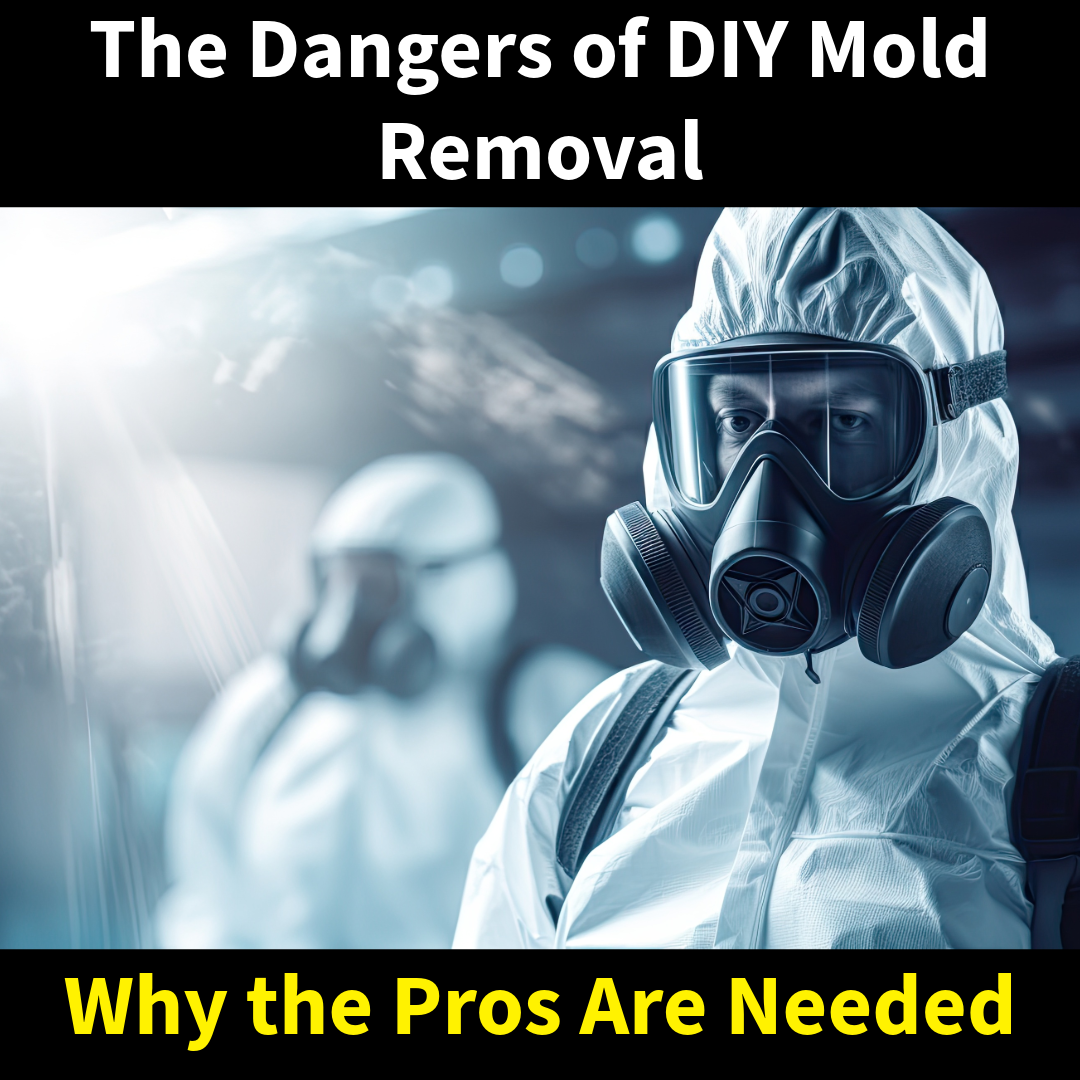
The Dangers of DIY Mold Removal

Mold can be an unwelcome intruder in any home or business, posing health risks and potentially causing significant structural damage. While tackling mold on your own might seem like a cost-effective solution, DIY mold removal often leads to more problems than solutions. Here, we’ll explore the dangers of DIY mold removal and explain why professional remediation is the safer, more effective choice.

The Risks of DIY Mold Removal

  1. Inadequate Identification of Mold Types Mold isn’t one-size-fits-all. Some molds, like black mold (Stachybotrys chartarum), are highly toxic and require specialized handling. Without proper training, it’s nearly impossible to identify the type of mold and its associated risks. Treating mold incorrectly can exacerbate the problem or expose you to harmful spores.
  2. Health Hazards Mold spores can cause respiratory issues, skin irritation, and other health problems, particularly in individuals with asthma, allergies, or weakened immune systems. Disturbing mold without proper protective equipment can release thousands of spores into the air, increasing exposure risks.
  3. Improper Removal Techniques Scrubbing mold with bleach or other household cleaners may appear to solve the problem, but these methods often only address surface growth. Mold can penetrate porous materials like drywall, carpeting, and wood, making it difficult to eliminate without specialized tools and techniques. Improper removal may leave behind spores, allowing mold to return and spread.
  4. Cross-Contamination Mold spores are microscopic and can easily travel through the air, spreading to other areas of your property during removal. Without containment measures, you risk turning a localized mold issue into a widespread infestation.
  5. Structural Damage DIY efforts often overlook hidden mold growth behind walls, under flooring, or in HVAC systems. Failure to address these areas can lead to long-term structural damage and costly repairs.

The Benefits of Professional Mold Remediation

  1. Accurate Mold Assessment Professionals use advanced testing methods to identify the type of mold and the extent of contamination. This ensures a targeted and effective remediation plan.
  2. Comprehensive Removal Professional remediation teams have access to industrial-grade equipment, such as HEPA vacuums, air scrubbers, and antimicrobial treatments, to ensure thorough mold removal. They also follow industry standards to safely eliminate mold from both visible and hidden areas.
  3. Health and Safety Trained technicians use proper protective gear and containment measures to minimize exposure to mold spores, protecting both themselves and your household or employees.
  4. Prevention of Future Growth Professionals address the root cause of mold growth, such as leaks or high humidity, to prevent recurrence. They can also provide guidance on moisture control and maintenance to keep your property mold-free.
  5. Peace of Mind Hiring a professional ensures the job is done right the first time, saving you time, money, and stress. You’ll have confidence knowing your property is safe and mold-free.

When to Call a Professional

If you notice signs of mold, such as a musty odor, discoloration on walls or ceilings, or unexplained health issues, it’s time to call in the experts. Mold Solutions & Inspections specializes in professional mold remediation, offering comprehensive services to restore your property and protect your health.

DIY mold removal might seem tempting, but the risks far outweigh the potential savings. Improper handling can exacerbate health problems, spread mold, and lead to costly repairs. Professional remediation provides a safe, effective solution to eliminate mold and prevent its return. When it comes to protecting your home or business, trust the experts to get the job done right. Contact Mold Solutions & Inspections today to schedule a consultation and take the first step toward a mold-free environment.

What Are the Signs of Mold in My House?

Mold can be a silent intruder in your home, thriving in hidden spaces and potentially impacting your health and property. Identifying the signs of mold early can help prevent extensive damage and ensure a healthy living environment. And understanding what to do when it is discovered, can avoid costly mistakes if mold remediation is handled improperly. Here are the key indicators to watch for:

1. Musty Odors

A persistent, musty smell is often one of the first signs of mold growth. This odor is caused by microbial volatile organic compounds (MVOCs) released as mold grows. Even if you can’t see the mold, a strong musty smell should prompt an inspection.

2. Visible Growth

Mold often appears as discolored spots or patches on walls, ceilings, or other surfaces. It can range in color, including black, green, white, or gray. Pay close attention to areas near water sources, such as bathrooms, kitchens, and basements.

3. Water Damage or Stains

Water stains, discoloration, or bubbling paint can indicate a moisture problem, which is a common precursor to mold growth. Water damage especially on material like drywall shouldn’t be overlooked or painted over. The most toxic of molds can easily grow on this paper based material. Check for signs of past leaks or ongoing dampness in your home.

4. Health Symptoms

Exposure to mold can trigger health issues, especially for those with allergies, asthma, or weakened immune systems. Common symptoms include:

  • Sneezing
  • Coughing
  • Itchy or watery eyes
  • Skin irritation
  • Nasal congestion

If you notice a pattern of these symptoms that improves when you leave your home, mold may be the culprit.

5. Increased Humidity Levels

High indoor humidity (above 60%) creates an ideal environment for mold growth. If you notice condensation on windows or consistently damp areas, take steps to reduce the humidity by installing a commercial grade dehumidifier, unlike the smaller plastic versions sold at big box stores or online.

6. Peeling Wallpaper or Warped Materials

Mold feeds on organic materials, such as paper and wood. If wallpaper is peeling, or wood surfaces are warping, mold may be present beneath the surface.

7. Frequent Respiratory Issues

If household members experience frequent respiratory problems, especially in certain areas of the house, mold could be contributing to the issue. Bathrooms, basements, and attics are common trouble spots.

What to Do if You Suspect Mold

If you notice any of these signs, it’s important to act quickly. Here are some steps to take:

  • Inspect the Area: Look for visible mold growth or water damage.
  • Control Moisture: Address leaks, dampness, or high humidity immediately.
  • Call a Professional: Mold remediation experts, like our team at Mold Solutions & Inspections, can perform testing and provide safe, effective removal services without cross contaminating the rest of the home, while getting it done right the first time.

Why Professional Mold Remediation Matters

DIY methods often fail to address the root cause of mold problems, allowing them to return. Professional mold remediation ensures:

  • Thorough inspection and testing
  • Safe removal of mold and contaminated materials
  • Identification and resolution of underlying moisture issues

At Mold Solutions & Inspections, we’re committed to helping homeowners identify and eliminate mold problems quickly and effectively. Contact us today to schedule an inspection and safeguard your home and health.

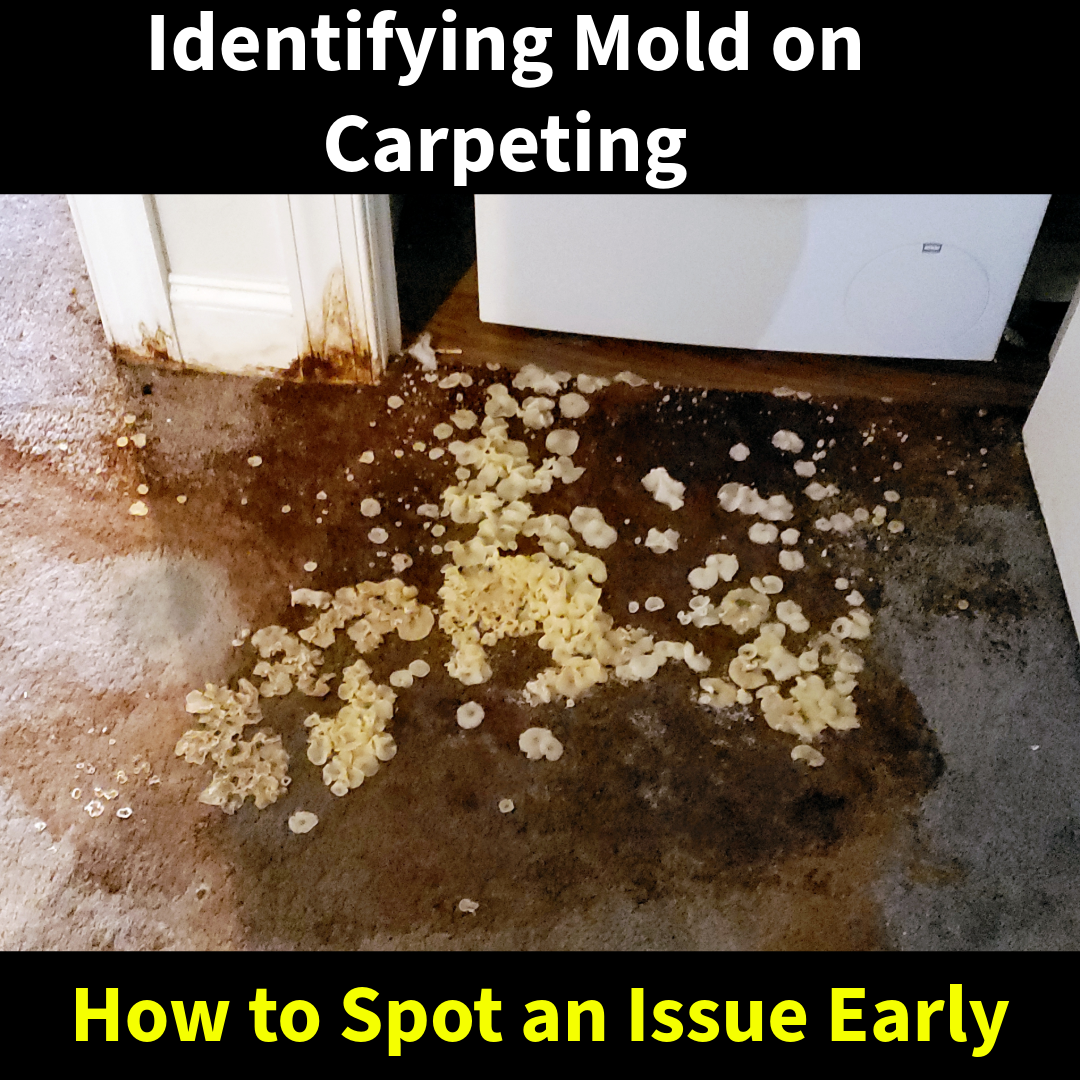
Identifying Mold on Carpeting

Just because mold is not immediately apparent or visible on a carpet’s surface does not mean that mold growth is not in progress. In fact, mold will probably only be visible on the surface of carpets in unusually severe cases of growth, such as carpet damaged in flooding that has remained wet for some time. The following are some examples of identifiable instances where mold growth has occurred or is likely to occur:

  • Visible Mold Growth: As stated above, this can be a rare case, but sometimes it may be obvious from visual inspection that mold growth is occurring. Carpet in this condition is most likely not salvageable and should be disposed of and replaced. Often, even if mold growth is not visible on the top of carpeting, it may be occurring underneath the carpet where it can’t be easily seen. Carpet suspected of containing mold should always be examined on both sides.
  • Carpet Mildew: Any discoloration or odor on carpeting that might be described as mildew is probably a case of mold.
  • Wet or Water-Damaged Carpet: Any carpet that has been subjected to water damage from flooding or standing water will most likely need to be disposed of. Conditions are ripe for mold growth, in this case. Even if visibly apparent mold growth has not yet begun, it is highly likely to happen unless the carpet is completely removed, cleaned and dried within 24 to 48 hours. Even then, removal and cleaning are not guaranteed to prevent mold growth. It is more likely that the carpet will need to be replaced.
  • Wet Padding Beneath Carpet: If padding beneath the carpet has become wet for any reason, or has become moist from condensation, the padding as well as the carpet on top are at risk for mold growth. The padding may need to be replaced, as will the carpet, in some cases.
  • Basement Carpet: Carpeting in basements below grade level is especially at risk in areas where humidity is high, or where wide temperature swings can produce condensation.
  • Odors and Stains: There is a wide range of things that can cause odors and stains on carpets. If mold is suspected, samples can be taken and sent for analysis to determine if mold growth has occurred.

Tenant Rights When Dealing with Mold: A Comprehensive Guide

Mold in rental properties is more than just an inconvenience; it can affect your health and the overall condition of your home. Understanding tenant rights regarding mold is crucial for navigating these issues effectively. Here’s a detailed guide on how to handle mold problems in your rental property while protecting your rights.

Know Your Legal Rights

As a tenant, you have legal rights when it comes to maintaining a habitable living environment. Most rental agreements and local housing laws mandate that landlords must address mold problems. Familiarize yourself with your lease agreement and local tenant rights to understand your landlord’s obligations.

Document the Mold Issue

Proper documentation is essential when dealing with mold in your rental. Take clear photos and videos of the affected areas and keep a written record of when you first noticed the problem. This evidence is vital if you need to escalate the issue or pursue legal action, so you will need to get a mold test performed by a certified mold inspector for direct lab results without conflict.

Notify Your Landlord Promptly

Report the mold problem to your landlord in writing as soon as possible. Include details about the location of the mold and any health symptoms you may be experiencing. Request a specific timeline for repairs. Written communication helps create a record of your efforts to resolve the issue.

Allow for Repairs

After notifying your landlord, allow a reasonable amount of time for them to address the mold issue. Landlords typically have a legal obligation to act swiftly on such problems. Be aware of what constitutes a “reasonable” timeframe according to your local housing laws.

Explore Your Options

If your landlord does not address the mold problem promptly, you have several options:

  • Withhold Rent: In some areas, you may be able to withhold rent until the issue is resolved. Be sure to get legal advice before taking this step to avoid potential eviction.
  • Repair and Deduct: You might be able to pay for mold removal yourself and deduct the cost from your rent. Consult with a legal professional to ensure you follow the correct procedures.
  • Seek Legal Advice: Contact a local tenant’s rights organization or a lawyer specializing in landlord-tenant law for guidance specific to your situation and jurisdiction.

Consider Health Implications

Mold exposure can lead to serious health issues, especially for individuals with respiratory conditions. If you experience health problems related to mold, consult a healthcare professional and obtain documentation of your symptoms. This documentation can support your case if legal action becomes necessary.

Evaluate Your Living Situation

If mold is a recurring issue in your rental property, assess whether it’s worth staying in the property. Persistent mold problems may indicate underlying issues that are not easily resolved.

Conclusion

Handling mold in your rental property can be challenging, but knowing your tenant rights and taking appropriate action can make a significant difference. Document the problem, communicate effectively with your landlord, and seek legal advice if needed. By following these steps, you can help ensure a safe and healthy living environment.

Most Common Mold Symptoms

Mold allergies are easily treatable when properly diagnosed, so it is important for individuals who suspect their symptoms may be related to mold to consult with an allergy specialist or a physician to determine an appropriate course of treatment. Taking steps such as repairing water leaks and installing dehumidifiers in the home can also help to hinder mold growth and relieve mold allergy symptoms. Understanding what causes mold allergies and taking preventative measures to avoid exposure are essential in managing symptoms.

Itching Eyes

Itching eyes are a common allergic symptom that can develop following exposure to mold spores, pet dander and seasonal pollens. Individuals who experience itching eyes during wet or humid weather or when moisture levels are high inside the home may be suffering from mold allergy symptoms.

Stuffy Nose & Post Nasal Drip

Nasal congestion is a common mold allergy symptom that is often triggered after periods of wet weather or when an individual is exposed to mold spores in the home. When nasal stuffiness occurs, it is often accompanied by postnasal drip, a condition in which nasal secretions run down the back of the throat. Additional symptoms of postnasal drip include bad breath and coughing.

Itching Throat

Individuals with mold allergies may also experience an itching sensation in the throat. Itching throat symptoms are typically caused by postnasal drip, but can also be a symptom of a serious allergic reaction that can lead to throat swelling if left untreated. It is important for sufferers to seek medical attention if itching throat symptoms are present to ensure prompt treatment.

Sinus Headaches

Mold spores can cause the sinuses to become congested, which in turn can trigger sinus headaches in individuals with mold allergies. Sinus headaches cause pain and pressure in the forehead and sinus cavities. In certain cases, sinus pressure can also cause tooth and ear pain. Sinus headaches tend to worsen when lying down.

Exacerbated Asthma Symptoms

Individuals with mold allergies who also suffer from asthma may experience exacerbated asthma symptoms when exposed to mold. Asthma symptoms include chest tightness, wheezing and coughing. Anyone experiencing a severe asthma attack following possible mold exposure should seek immediate medical attention.

Long & Short Term Effects of Mold

The type and severity of health effects that result from mold exposure is widely variable among different locations, from person to person and over time. Although difficult to predict, exposure to molds growing indoors is most often associated with the following allergy symptoms:

Nasal and sinus congestion
Cough/sore throat
Chest tightness
Dyspnea (breathing difficulty)
Asthma (or exacerbation of it)
Epistaxis (nosebleed)
Upper respiratory tract infections
Headache
Skin and eye irritation

Long-term exposure to indoor molds is certainly unhealthy to anyone, but some groups will develop more severe symptoms sooner than others, including:

Infants and children
Elderly people
Individuals with respiratory conditions, allergies and/or asthma

Some indoor molds are capable of producing extremely potent toxins (mycotoxins) that are lipid-soluble and readily absorbed by the intestinal lining, airways, and skin. These agents, usually contained in the fungal spores, have toxic effects ranging from short-term irritation to immunosuppression and cancer.

More severe symptoms that could result from continuous human exposure to indoor mycotoxigenic molds include:

Cancer (aflatoxin best characterized as potential human carcinogen)
Hypersensitivity pneumonitis/pulmonary fibrosis
Pulmonary injury/hemosiderosis (bleeding)
Neurotoxicity
Hematologic and immunologic disorders
Hepatic, endocrine and/or renal toxicities
Pregnancy, gastrointestinal and/or cardiac conditions

It is important to notice that the clinical relevance of mycotoxins under realistic airborne exposure levels is not fully established. Further, some or much of the supporting evidence for these other health effects is based on case studies rather than controlled studies, studies that have not yet been reproduced or involve symptoms that are subjective.