How Long Does Smoke Odor Last, and How Is It Actually Removed?

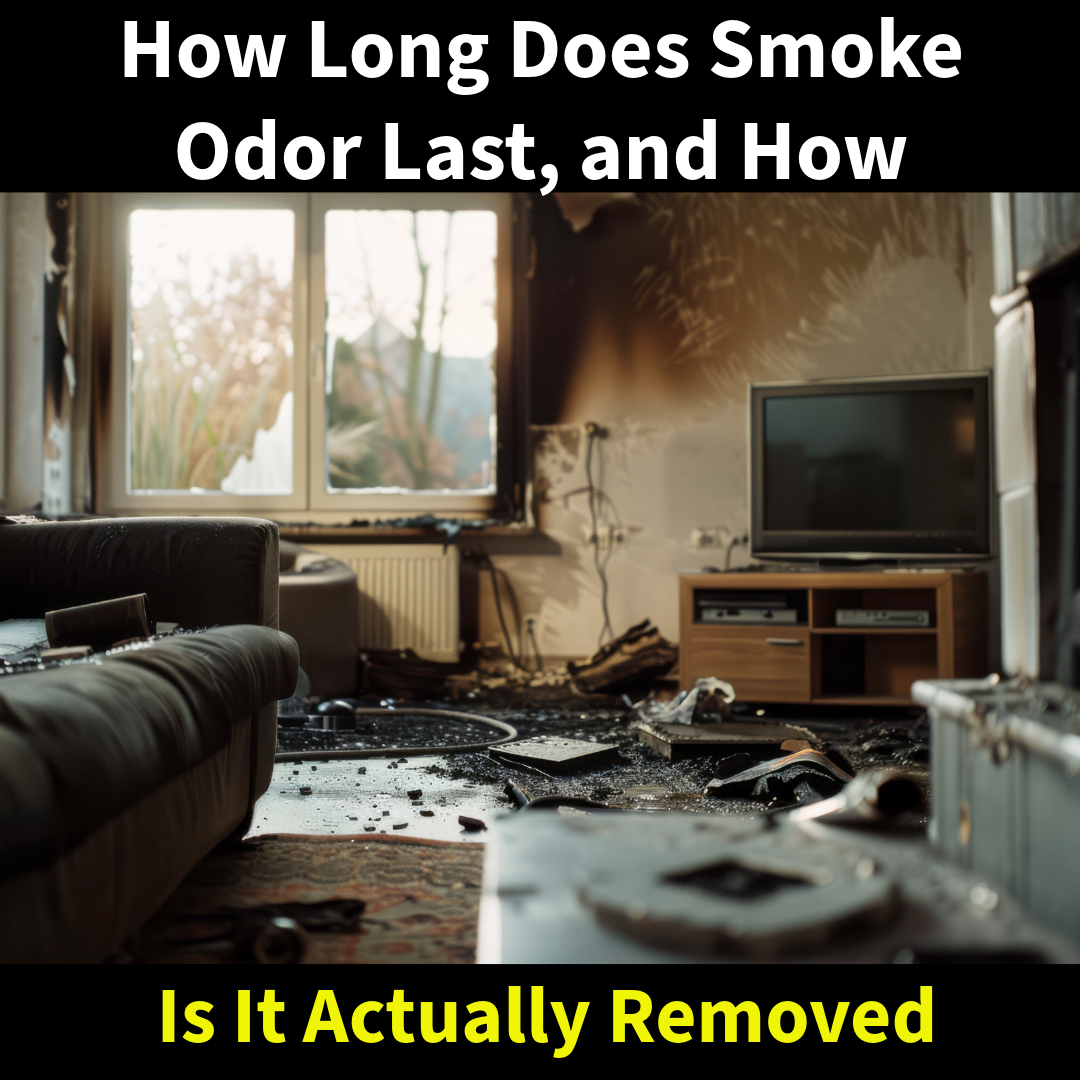
After a fire, most homeowners expect the visible damage to be the biggest problem. What surprises them is the smell. Smoke odor can linger long after the fire is out, and in many cases, it doesn’t go away on its own.

So how long does smoke odor actually last, and what does it take to remove it properly?


Smoke isn’t just a smell sitting in the air. It’s made up of microscopic particles that embed themselves into materials throughout the home.

That includes:

  • Drywall
  • Insulation
  • Wood framing
  • Carpets and padding
  • Furniture and fabrics
  • HVAC systems

Once those particles settle in, they continue to release odor over time. That’s why even after cleaning surfaces, the smell often comes back.


The short answer: indefinitely, if not handled properly.

  • Light smoke exposure: Days to weeks if fully cleaned
  • Moderate fire damage: Weeks to months without professional work
  • Heavy fire damage: Can last years if materials aren’t removed

We’ve seen homes where the odor was still present long after a fire simply because the original cleanup didn’t address the source.


This is where a lot of homeowners get misled. Air fresheners, candles, and basic cleaning do not remove smoke odor—they mask it.

Proper removal involves multiple steps:

1. Source Removal
Any materials that absorbed heavy smoke (like insulation, charred wood, or porous contents) need to be removed.

2. Deep Cleaning
All surfaces are cleaned using professional-grade solutions designed to break down smoke residue, not just wipe it away.

3. HEPA Filtration & Air Scrubbing
Air scrubbers with HEPA filtration remove airborne particles and help clean the environment.

4. Odor Neutralization
This may include thermal fogging or hydroxyl/ozone treatments to penetrate areas cleaning alone can’t reach.

5. HVAC System Cleaning
If smoke entered the ductwork, it will continue circulating odor unless properly addressed.


Most DIY attempts focus on what’s visible. The problem is what you can’t see.

Smoke travels:

  • Behind walls
  • Into insulation
  • Through duct systems
  • Into cracks and voids

If those areas aren’t treated, the odor will return—sometimes even stronger.


Smoke odor isn’t something that simply goes away with time. Without proper remediation, it can linger for months or even years.

The key is not just cleaning the surface, but removing the source and treating the entire environment.

When Fire Sprinklers Fail: How They Can Cause Major Water Damage

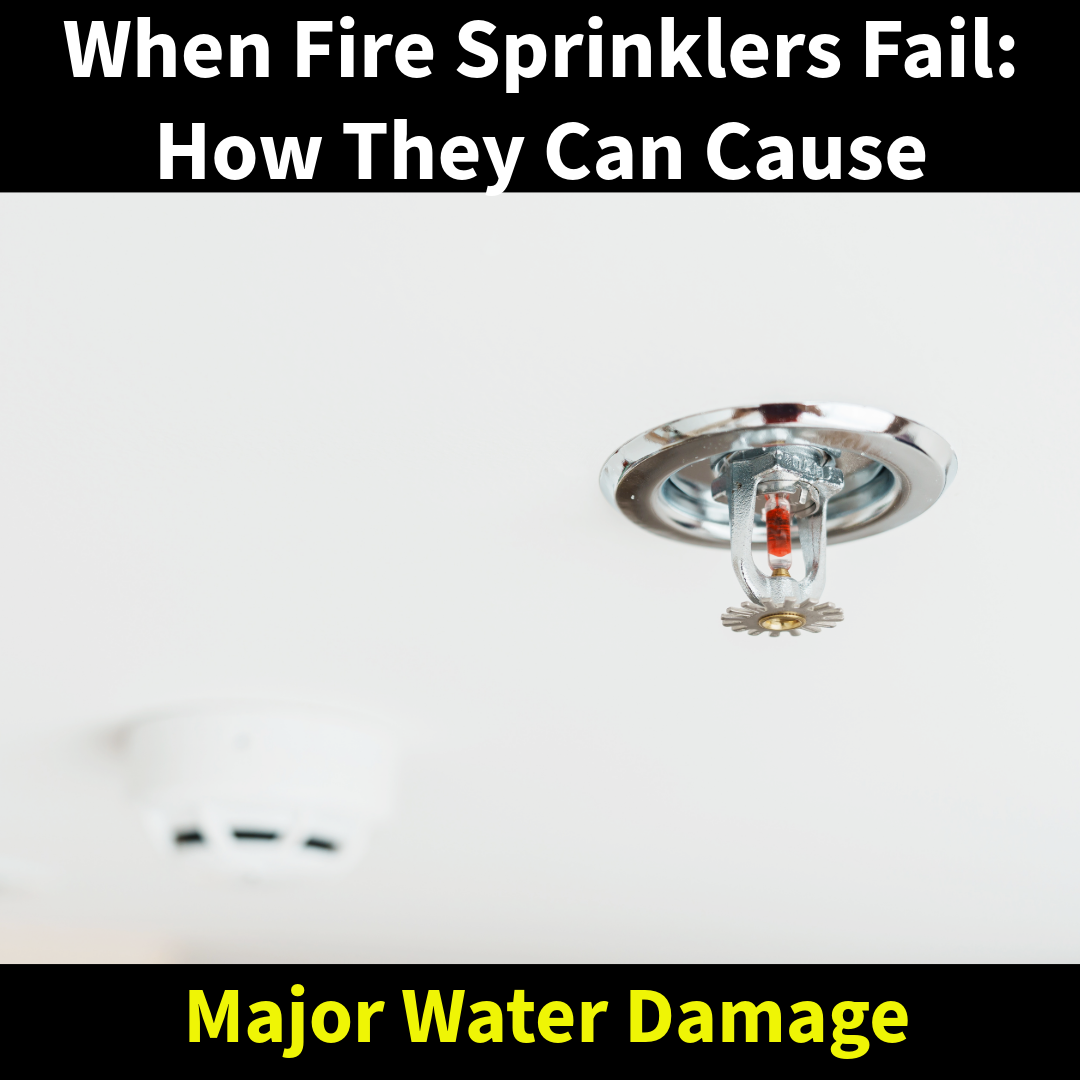
Fire sprinkler systems are designed to protect buildings and save lives. When they work properly, they can control or suppress a fire before it spreads. What many people don’t realize is that these same systems can also cause significant water damage if they fail or are not properly maintained. And most homeowners never think of having these systems serviced as apart of their regular maintenance plan.


Fire sprinkler systems are not all triggered at once. Each sprinkler head is individually activated by heat, typically when temperatures reach a certain threshold. Once activated, the system releases a continuous flow of water in that area to control the fire.

These systems are pressurized and connected to a dedicated water supply, which means when one activates or fails, it can release a large volume of water very quickly.


A single sprinkler head can discharge a significant amount of water per minute. Over time, this can add up to hundreds or even thousands of gallons, especially if the system is not shut down immediately. In multi-level buildings, that water does not stay contained. It will travel through floors, ceilings, wall cavities, and elevator shafts, impacting multiple areas far beyond the original source.


While sprinkler systems are built to be reliable, failures do happen. In many of the losses we respond to, the issue is not fire related at all.

Common causes include:

  • Frozen or burst sprinkler lines
  • Corrosion within the system
  • Improper installation or modifications
  • Failure to cap or secure active water lines
  • Lack of routine inspection and maintenance

When these systems fail, the amount of water released can be comparable to a major plumbing loss, but often on a much larger scale.


We recently responded to a loss where a sprinkler line was not properly capped, allowing water to discharge throughout the building.

The water traveled from an upper level into multiple floors below, affecting offices, common areas, and structural materials. Situations like this are not isolated to one room. They can quickly become building-wide issues.


Fire sprinkler systems are not something that should be installed and forgotten. They require routine inspection and servicing to ensure they function properly when needed and do not fail when they shouldn’t.

Regular maintenance helps identify:

  • Corrosion or deterioration within the system
  • Improper connections or modifications
  • Areas at risk for freezing
  • Components that may not activate correctly

Ignoring maintenance increases the risk of both system failure and unnecessary water damage.


When a sprinkler system fails, the resulting loss is often treated as a water damage event, and in many cases, a contaminated one depending on where the water travels. As water moves through multiple building materials and levels, it can quickly escalate in severity and require a more aggressive mitigation approach.

This is why fast response is critical to limit damage and prevent secondary issues such as mold growth.


Fire sprinkler systems are essential for safety, but they also carry risk when they are not properly maintained or when something goes wrong. Understanding how they work and the amount of water they can release helps put into perspective how quickly a situation can escalate.

If a sprinkler system fails or discharges unexpectedly, immediate action is necessary to control the damage and begin proper restoration.

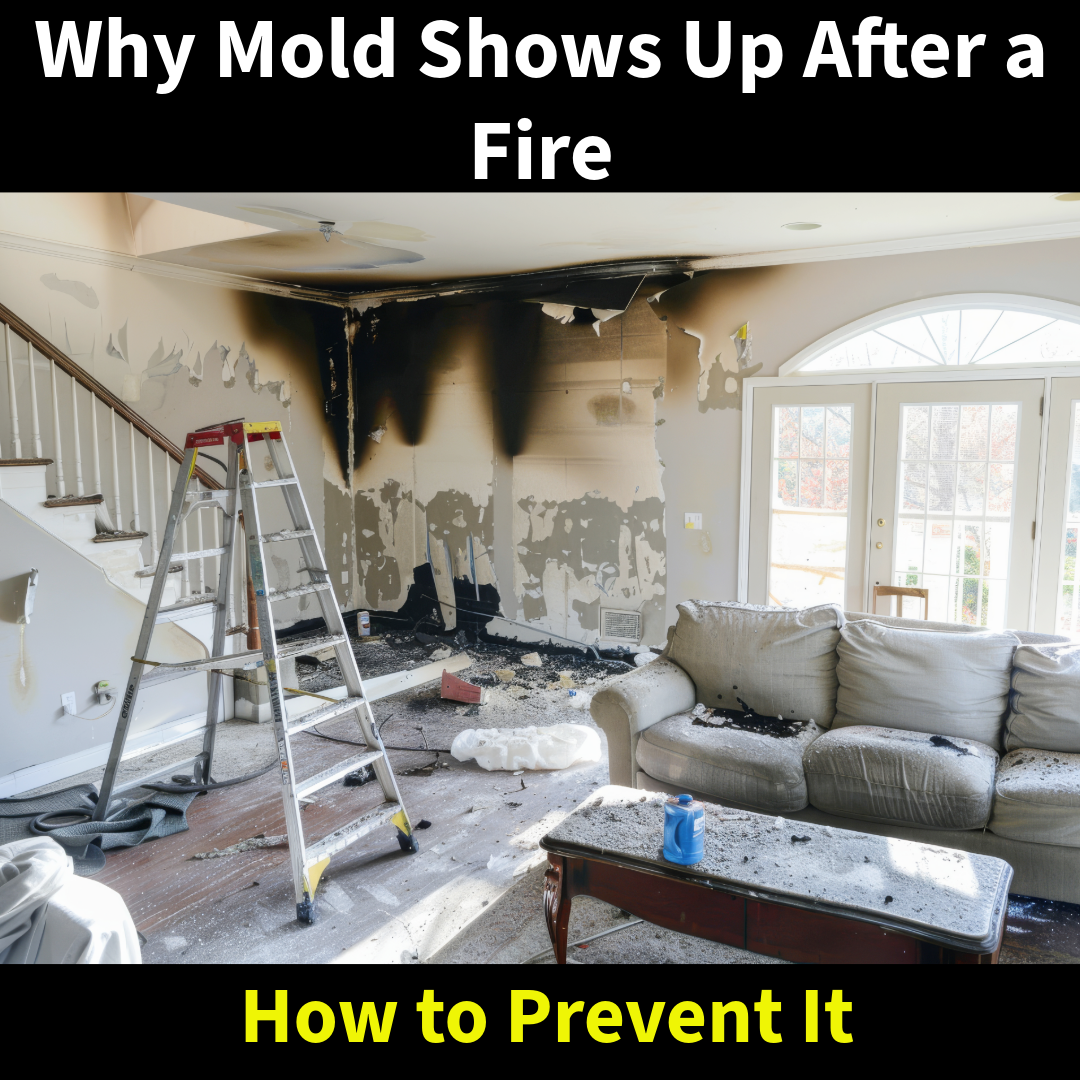
Why Mold Shows Up After Fire Damage

When most homeowners think about fire damage, they picture burned framing, smoke stains, and heavy odor. What they don’t expect is mold. But mold growth after a fire is more common than many realize. In fact, it often develops weeks after the fire appears to be cleaned up. Here’s why.


Fires are extinguished with water. Sometimes thousands of gallons. That water soaks into:

  • Drywall
  • Insulation
  • Framing
  • Subfloors
  • Cabinets
  • Wall cavities
  • Ceiling assemblies

Even if the fire itself was contained to one room, the water used to extinguish it can travel well beyond the burn area. If materials are not dried quickly and properly, moisture remains trapped inside the structure. And that’s when mold begins to grow.


Fire damage isn’t just about heat and water. Smoke particles and soot residue create additional complications:

  • They penetrate porous materials
  • They leave acidic residues
  • They contaminate surfaces
  • They interfere with proper drying

When soot-covered materials remain damp, they create an ideal environment for microbial growth. So now you don’t just have fire damage — you have a moisture problem inside contaminated building materials.


Mold does not need months to grow. Under the right conditions, mold can begin developing in as little as 24–48 hours after materials become wet. After a fire, homeowners are often focused on:

  • Insurance claims
  • Temporary housing
  • Structural repairs
  • Smoke odor removal

Meanwhile, hidden moisture sits inside walls, ceilings, and flooring systems. By the time reconstruction begins, mold may already be active behind finished surfaces.


A common mistake after fire damage is focusing only on soot cleanup and odor control. Cleaning visible surfaces does not address moisture trapped behind walls or inside insulation. Proper post-fire restoration should include:

  • Moisture mapping
  • Thermal imaging
  • Controlled demolition where necessary
  • Structural drying
  • Monitoring of moisture levels

Without proper drying protocols, microbial growth becomes a secondary loss.


If mold develops after a fire, it complicates everything:

  • Additional remediation may be required
  • Reconstruction timelines extend
  • Costs increase
  • Indoor air quality concerns arise

In some cases, insurance coverage can become more complicated if mold develops due to delayed mitigation. That’s why early inspection and proper documentation are critical after any fire event — even if the burn damage appears limited.


Fire, water, smoke, and mold often become part of the same claim. Addressing one without evaluating the others can leave hidden problems behind. If your property has experienced a fire, proper inspection and moisture evaluation are essential before reconstruction begins.

Fire damage isn’t just about what burned — it’s also about what got wet.

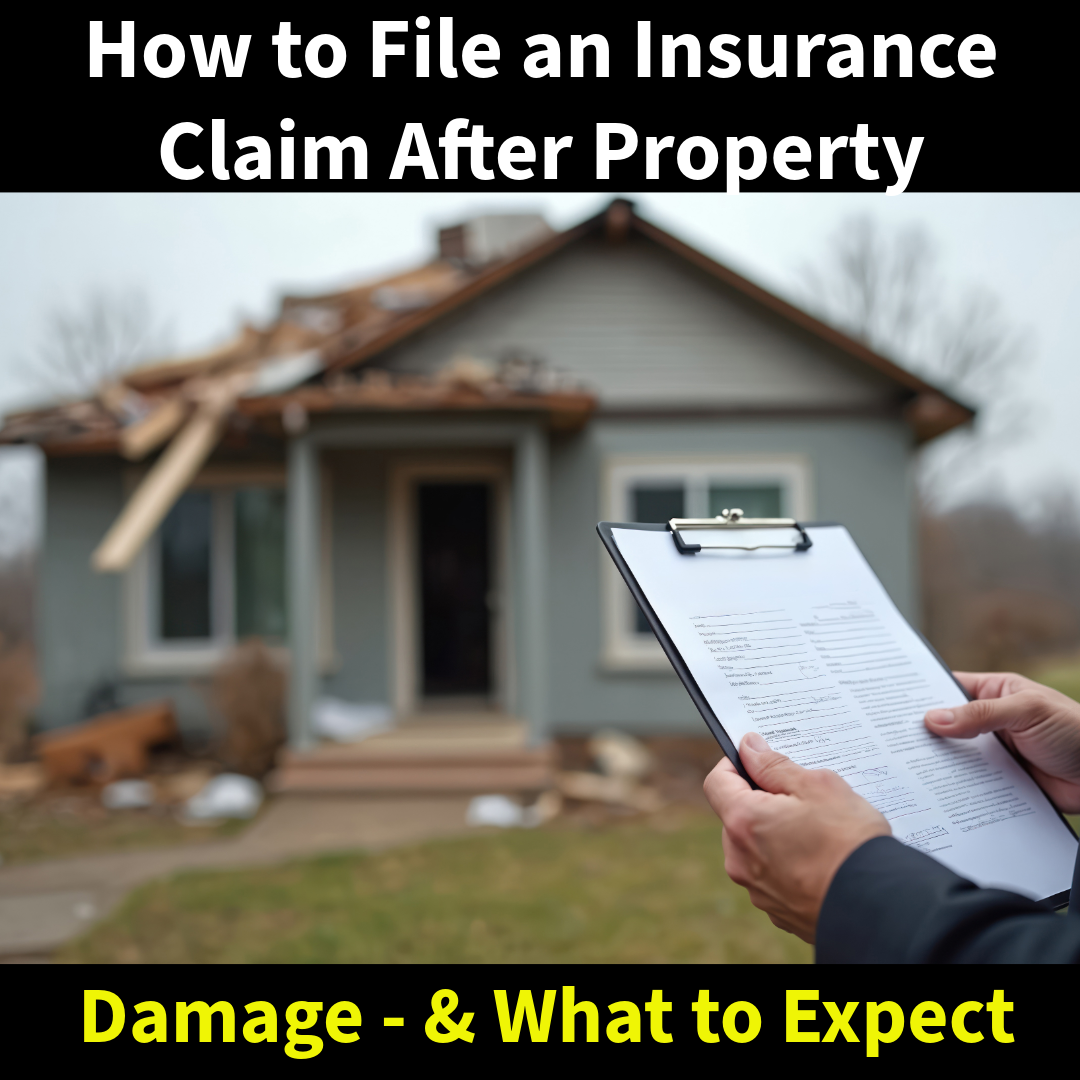
How to File an Insurance Claim After Property Damage — & What to Expect

Filing an insurance claim after property damage can feel overwhelming, especially when it’s your first time dealing with a loss. Most homeowners expect the process to be straightforward: report the damage, meet the adjuster, and move forward with repairs. In reality, insurance claims are often more nuanced, and understanding what typically happens can help reduce stress and prevent surprises.

This guide is designed to explain how the claims process usually works, what information insurance companies generally need, and what homeowners should realistically expect after a claim is filed.


After property damage occurs, many homeowners feel pressure to act quickly. While emergency mitigation is often necessary, it’s important to slow down enough to document the situation accurately. Insurance companies rely heavily on the information provided at the start of a claim, and early details often shape how the claim is handled later.

Most claims begin with reporting the date of loss, the cause of damage, and a general description of what was affected. Photos and videos taken before cleanup or repairs can be extremely helpful. Accuracy matters more than urgency at this stage, as inconsistencies can lead to delays or questions later in the process.


Once a claim is filed, the insurance company usually assigns an adjuster to the loss. The adjuster’s role is to evaluate the damage, review policy coverage, and determine how the claim will be handled. This often includes a site visit, though not all claims are handled the same way.

After the initial inspection, there is usually a review period where documentation is evaluated and coverage decisions are made. This stage can take time, and periods of silence are common. A lack of immediate updates does not necessarily mean a claim has been denied—it often means the claim is still being reviewed.


Insurance claims are driven by documentation. Adjusters typically look for clear evidence of what happened, what materials were affected, and how the damage occurred. Distinguishing between the cause of loss and the resulting damage is an important part of this evaluation.

This is where many homeowners get caught off guard. Damage that looks obvious may still require explanation, especially if moisture, smoke, or mold is involved. Claims are rarely decided based on appearance alone; they hinge on whether the loss fits within the policy’s coverage terms.


One of the most common frustrations in the claims process is discovering that coverage is more limited than expected. Policy exclusions, coverage caps, and cause-of-loss language can all affect how a claim is handled. Disagreements may arise over what is considered related damage versus a separate issue.

Another surprise for many homeowners is timing. Claims often move slower than expected, particularly when additional documentation is requested or when multiple parties are involved. Understanding that this is a process—not a single event—helps set more realistic expectations.


Many homeowners assume that once the adjuster completes their visit, the claim is essentially finished. In reality, this is often just the midpoint. Follow-up requests, revised scopes, or additional documentation are common, especially if new information comes to light during cleanup or repairs.

This phase is where clear records and proper sequencing matter most. Work performed before damage is documented can complicate claims, and missing information can lead to delays or disputes later.


Filing an insurance claim isn’t about finding loopholes or shortcuts—it’s about understanding how the system works so informed decisions can be made along the way. Homeowners who know what to expect are better prepared to respond to questions, provide documentation, and avoid common pitfalls that slow claims down.

Property damage is stressful enough on its own. Knowing how the insurance process typically unfolds helps remove uncertainty and gives homeowners a clearer path forward, regardless of the type of damage involved.


Insurance claims for property damage vary widely depending on the cause of loss, policy details, and circumstances of the damage. While the process can feel confusing, having a basic understanding of what insurers look for and how claims progress can make a meaningful difference.

In future posts, we’ll take a closer look at how this process differs for specific types of losses, including water damage, fire and smoke damage, and mold-related claims.

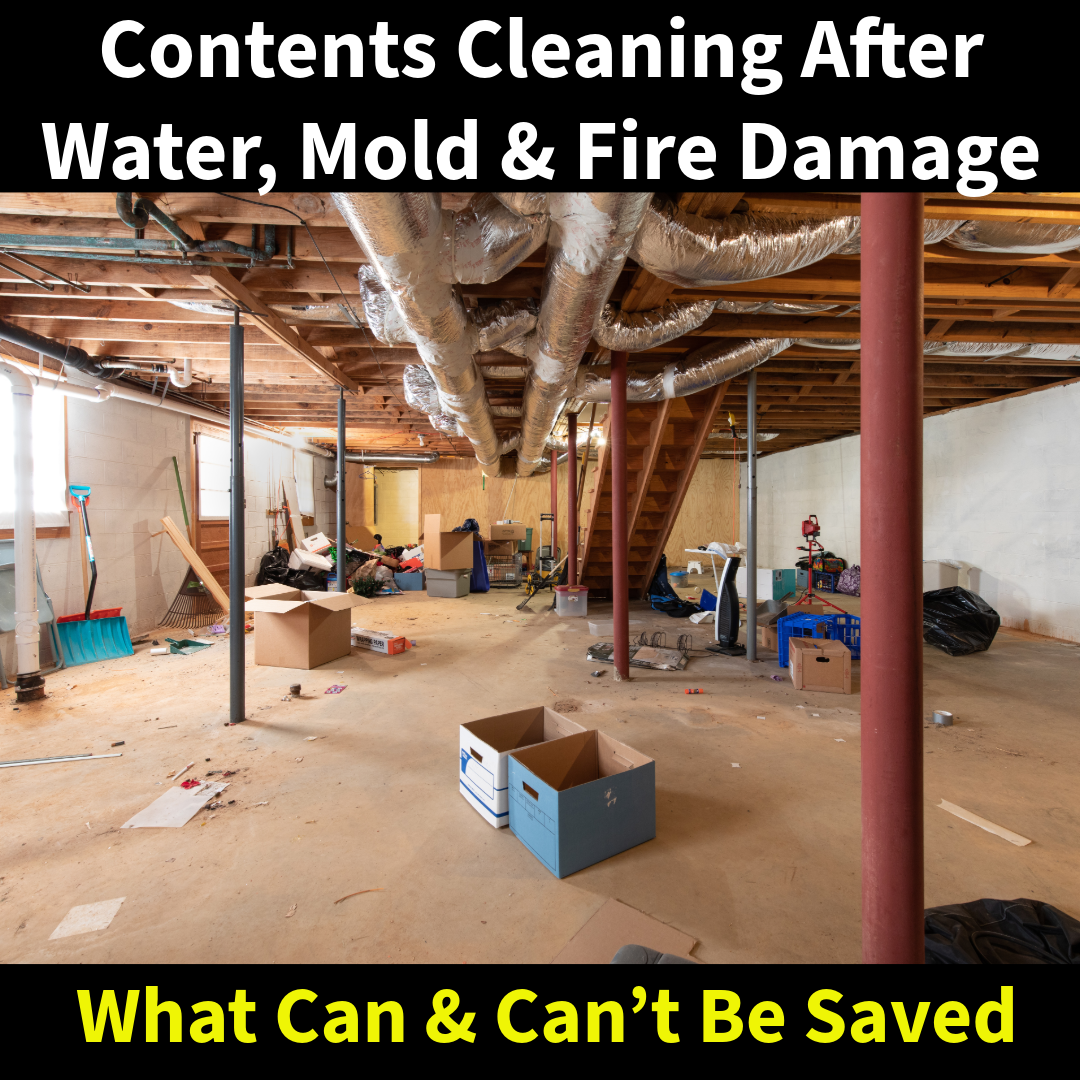
Contents Cleaning After Water, Mold, and Fire Damage

When a home or building is damaged by water, mold, or fire, the focus often goes straight to structural repairs. What’s frequently overlooked is the condition of the contents inside the space—furniture, personal belongings, electronics, documents, and other items that may be affected even if they don’t appear visibly damaged.

Contents cleaning is a critical part of the recovery process and can make a significant difference in both restoration costs and long-term indoor safety.


Water, smoke, and mold don’t stay confined to one area. Moisture migrates, smoke travels through air pathways, and mold spores spread easily. As a result, contents throughout a home or building may be impacted even if the source of damage was isolated.

Items can absorb contaminants, odors, and moisture without showing immediate signs, which is why professional evaluation matters.


Water damage can impact contents quickly, especially when moisture is allowed to sit or migrate.

Commonly affected items include:

  • Upholstered furniture and mattresses
  • Area rugs and carpeting
  • Paper documents and books
  • Clothing and textiles
  • Wood furniture and cabinetry
  • Electronics and appliances

Even clean water can cause damage if drying is delayed, and contaminated water introduces additional safety concerns.


Mold-related damage isn’t always visible. Contents stored in damp or poorly ventilated areas can absorb moisture and spores over time.

Items often impacted by mold exposure include:

  • Cardboard boxes and stored belongings
  • Fabric items and soft goods
  • Books, artwork, and paper materials
  • Porous furniture and décor

In some cases, contents may be salvageable after proper cleaning and drying. In others, removal may be necessary to prevent recontamination.


Fire damage affects more than what the flames touch. Smoke and soot can travel throughout a structure, leaving residues that continue to cause damage if not properly addressed.

Fire-related contents issues often involve:

  • Smoke odor absorption in fabrics and furniture
  • Soot residue on surfaces and electronics
  • Corrosive damage to metals and wiring
  • Contamination of HVAC-distributed items

Deodorizing alone is rarely sufficient without proper cleaning and evaluation.


Whether an item can be cleaned and restored depends on several factors, including:

  • The type of material (porous vs. non-porous)
  • The extent and duration of exposure
  • The type of damage (water category, mold growth, smoke residue)
  • Health and safety considerations

Professional assessment helps the property owner make informed decisions instead of guessing or discarding items unnecessarily.


Cleaning or removing affected contents is often necessary before repairs or reconstruction begin. Leaving contaminated or moisture affected items in place can compromise restoration work and contribute to ongoing odors, mold growth, or indoor air quality issues.

Proper sequencing helps ensure the space is truly clean and safe before moving forward.


Contents cleaning is an essential part of recovery after water damage, mold exposure, or fire. What can be saved and what can’t, should be determined through careful evaluation, not assumptions.

Addressing contents properly helps protect health, preserve valuable belongings, and support a successful restoration process.

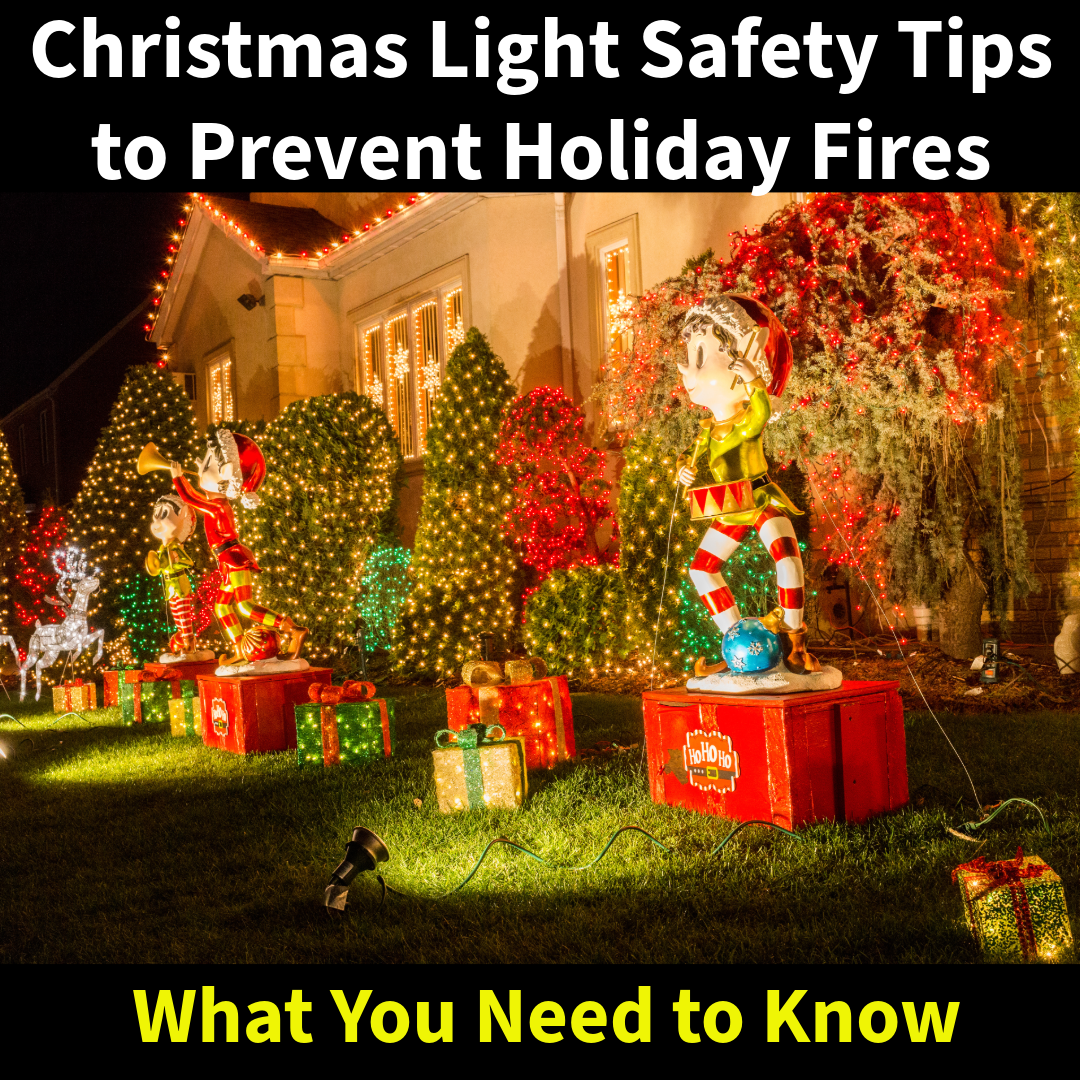
Christmas Light Safety Tips to Prevent Holiday Fires

The holiday season brings warmth, decorations, and festive lighting — but it also brings an increased risk of electrical fires. Each year, thousands of home fires are linked to Christmas lights, overloaded circuits, and unsafe decorating practices. A few simple precautions can help protect your home and family while keeping your holiday display bright.


Before any strand goes on a tree, railing, or roofline, check for broken bulbs, exposed wiring, cracked sockets, or frayed cords. Even one damaged area can create heat and spark a fire. If a strand looks worn or questionable, it’s safer to replace it than repair it.


Lights not rated for outdoor use can quickly overheat when exposed to moisture or cold weather. Indoor-only lights should never be used on exterior gutters, bushes, or rooflines. Always check the manufacturer label and choose lights designed for the environment you’re decorating.


Holiday displays often require more power than a typical outlet is designed to handle. Plugging too many strands into one outlet or daisy-chaining multiple extension cords can cause overheating. Use power strips with built-in surge protectors, avoid stacking plugs, and spread your lighting across multiple circuits whenever possible.


LED lights stay much cooler and use significantly less energy, making them a safer and more efficient option. Older incandescent lights generate more heat and are more prone to failing over time. Upgrading to LED strands is an easy way to improve safety and longevity.


Decorations placed too close to fireplaces, heating vents, space heaters, or candles can ignite quickly. Make sure lights, garland, and other décor have enough clearance from any heat-producing appliance.


Dry trees ignite rapidly and burn with extreme intensity. If you’re using a real tree, check water levels daily and keep lights off when the tree is noticeably drying out. Never place a tree near a fireplace or baseboard heater.


Leaving Christmas lights on unattended increases the risk of electrical failure while no one is around to respond. Use timers or smart plugs to automatically turn displays off overnight or when you leave the house.


Outdoor cords should be elevated off the ground when possible and kept away from areas where snow, rain, or standing water accumulate. Use weather-resistant extension cords and keep connections shielded from moisture.


A beautiful holiday display doesn’t have to come with unnecessary risks. With a few simple steps, you can enjoy the season knowing your decorations are safe, efficient, and properly maintained. If you ever experience fire damage or smoke-related issues in your home, MSI is here to help assess, restore, and get you back to normal quickly.

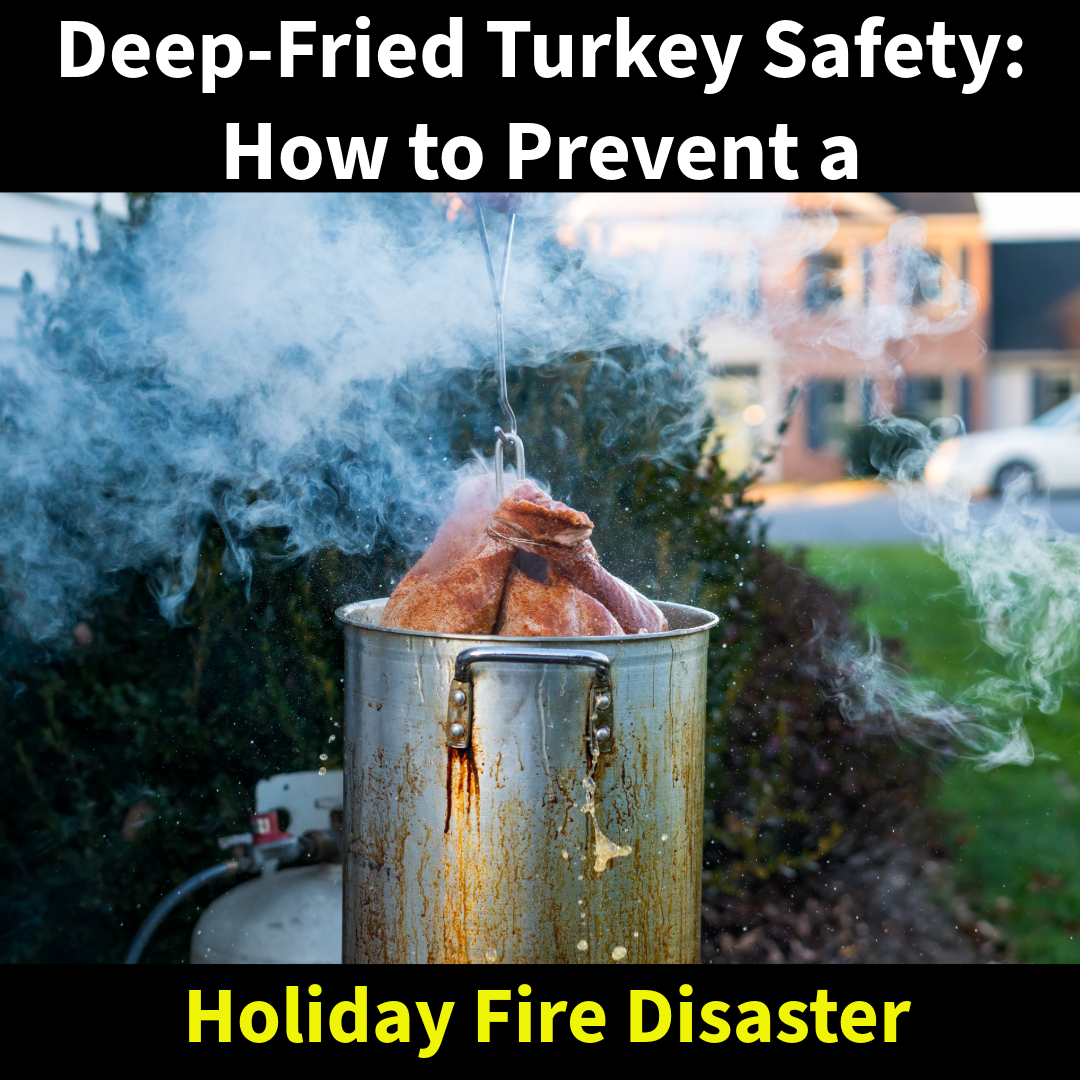
Deep-Fried Turkey Safety: How to Prevent a Holiday Fire Disaster

Thanksgiving is a time for family, food, and traditions — and for many, that includes the excitement of deep-frying a turkey. The crispy skin and juicy flavor are unbeatable, but so are the risks if it’s not done safely. Every year, hundreds of homes across the country suffer fire damage from improperly used turkey fryers, leaving behind smoke, soot, and thousands of dollars in losses that could have been avoided.

At MSI, we’ve seen the aftermath of these accidents firsthand — and we want you to enjoy your holiday safely.


Why Deep-Frying Can Be Dangerous

Deep-frying a turkey involves heating several gallons of oil to around 350°F. That oil can ignite in seconds if it spills over or comes in contact with an open flame. A few of the most common mistakes that cause fires include:

  • Using too much oil in the fryer
  • Frying a partially frozen or wet turkey
  • Setting up too close to garages, decks, or trees
  • Leaving the fryer unattended

When oil spills over, it can instantly ignite, sending flames several feet into the air — and within moments, what started as a backyard feast can turn into a devastating fire.


Safety Tips for a Safe Fry

Here are some key precautions to keep your holiday free from hazards:

Always fry outdoors, away from structures and trees
Set up on a flat, nonflammable surface at least 10 feet from your home or garage.

Completely thaw and dry the turkey
Water or ice hitting hot oil can cause violent splattering and boil-overs.

Measure your oil carefully
Do a “test run” with water first to see how much oil you actually need.

Turn off the burner before lowering the turkey in
This reduces the chance of oil igniting if it spills.

Keep a Class B fire extinguisher nearby
Never use water on a grease fire — it will make it worse.

Stay close and stay alert
Never leave the fryer unattended, and keep kids and pets well away from the cooking area.


If a Fire Starts

If a grease fire breaks out, do not try to move the fryer.
Turn off the burner if it’s safe to do so, step back, and use a fire extinguisher rated for grease fires.
If the flames spread, evacuate immediately and call 911 — safety comes first.


When the Smoke Clears: Why Professional Cleanup Matters

Even small cooking fires can leave behind soot particles and smoke contamination throughout a home. These residues are invisible but toxic — they cling to walls, furniture, and HVAC systems, releasing odors and harmful compounds long after the flames are out.

MSI specializes in fire and smoke damage restoration, odor removal, and soot cleaning to restore homes safely and completely. From inspection to deodorization, we handle every step with care and precision so your home is safe to live in again.


Enjoy the Holiday — Safely

Thanksgiving should be about family, not fire cleanup. Take the time to prepare properly, follow these safety steps, and keep your celebration focused on gratitude, not damage repair.

If your holiday takes a turn and you need help after a fire or smoke incident, MSI is ready to respond quickly and professionally.

📞 Call 215-339-1769 or 877-712-1600 for certified fire and smoke damage restoration.

How Furnace Malfunctions Can Cause Smoke Damage and Odors

When the temperature drops, most homeowners rely on their furnace to keep the house warm and comfortable. But if your furnace isn’t operating properly, it can do far more harm than good. Malfunctions can lead to smoke damage, soot buildup, and lingering odors that affect your entire home. These problems aren’t just cosmetic — they can signal deeper mechanical or air-quality issues that require professional attention.

The Hidden Danger of Furnace Malfunctions

A malfunctioning furnace can release smoke and soot into your home when fuel doesn’t burn completely. This incomplete combustion produces carbon particles that settle on walls, ceilings, and furniture. In many cases, these particles are invisible at first — but over time, they leave behind dark streaks, stains, and odors that are extremely difficult to remove without proper cleaning.

Even newer systems can malfunction due to dirty burners, blocked vents, or cracked heat exchangers. The result is often the same: contaminated indoor air and widespread soot deposits.

Understanding Puffbacks

One of the most common furnace-related smoke events is called a puffback. A puffback occurs when unburned fuel ignites all at once, causing a sudden burst of smoke and soot to blow through the ductwork. It can coat every surface of a home in fine black residue within seconds.

While some puffbacks are small, others can cause significant contamination — affecting everything from walls and flooring to clothing and HVAC systems. Trying to clean it yourself often makes it worse, as improper methods can smear or embed soot into surfaces permanently.

Why Odors Linger

Smoke and soot particles are extremely small — many are smaller than a human hair. These particles can become trapped in porous materials like drywall, insulation, upholstery, and HVAC filters. That’s why the odor can linger long after visible cleanup.

Odor elimination requires specialized cleaning agents and equipment to neutralize carbon-based residues. MSI uses thermal fogging, hydroxyl generators, and ozone treatment where appropriate to break down odor molecules and fully restore indoor air quality.

Professional Smoke and Soot Cleanup

Proper restoration after a furnace malfunction or puffback involves more than wiping down surfaces. The process includes:

  • Detailed inspection and testing to determine the source and extent of contamination.
  • HEPA vacuuming and dry cleaning of all affected surfaces to remove soot particles safely.
  • Air duct and HVAC cleaning to prevent recontamination.
  • Deodorization and air purification to eliminate trapped smoke odors.

Our technicians follow IICRC standards to ensure that every surface and system is returned to a safe, clean condition.

Preventing Future Problems

Routine maintenance is the best way to avoid furnace-related smoke events. Have your heating system inspected before each winter, change filters regularly, and keep vents and flues clear. A small tune-up can prevent thousands of dollars in potential damage — and keep your air cleaner all season long.

The MSI Difference

At MSI, we specialize in fire and smoke cleanup caused by everything from major house fires to furnace puffbacks. Our certified team understands how to remove contamination safely, restore air quality, and protect your property from long-term effects.

If you notice soot around your vents, dark marks on your walls, or unexplained smoke odors, don’t ignore them. A quick inspection today can prevent bigger issues tomorrow.

📞 Call MSI at 215-339-1769 or 610-325-8695 for professional smoke and odor cleanup services.

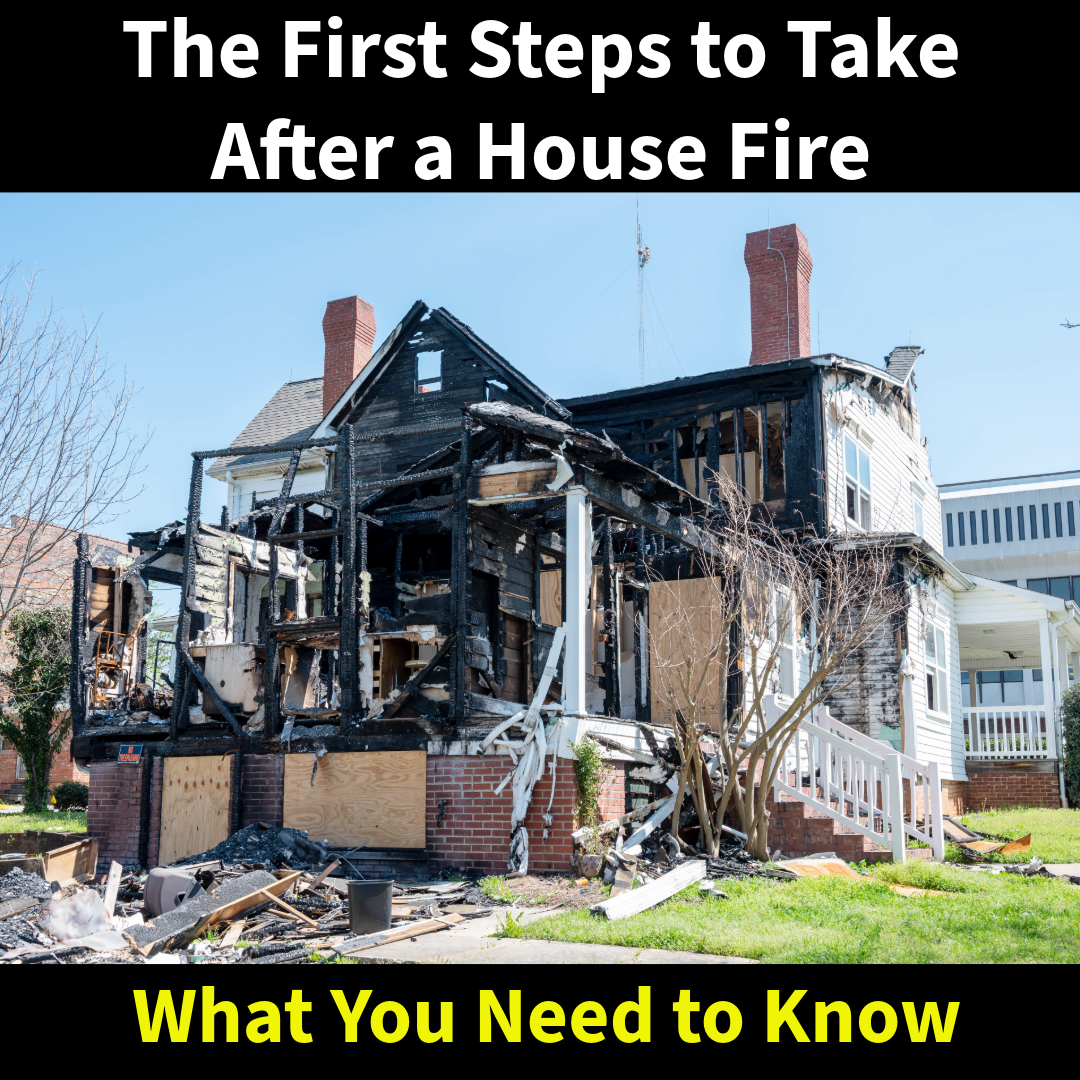
After the Flames: Why Boarding Up Your Home is Critical After a Fire

When a fire breaks out, the fire department’s priority is saving lives and stopping the flames. To do that, they often have to break windows, force open doors, or cut through the roof. While those actions are necessary in the moment, they leave your home exposed once the fire trucks leave.

That’s where emergency board-up services come in. Securing the property after a fire isn’t just about safety — it’s about protecting your home from further damage and making sure your insurance claim isn’t jeopardized.


Why Emergency Board-Up is Necessary

After a fire, your home is vulnerable. Gaping windows, broken doors, and damaged roofing allow:

  • Rain and snow to enter, leading to water and mold damage.
  • Thieves or vandals to gain easy access.
  • Animals and pests to make their way inside.

Worse, if someone enters your unsecured property and gets hurt, you could be held liable.


Common Openings After Fire Department Response

Even a small fire can leave a home wide open. It’s common to see:

  • Shattered windows from firefighting efforts.
  • Holes cut in the roof for ventilation.
  • Garage doors forced open or left inoperable.
  • Entry doors broken during rescue operations.

Every one of these openings is an invitation for more damage if left unattended.


The Risks of Leaving a Fire-Damaged Home Unsecured

  • Secondary water damage when rain or snow gets inside.
  • Structural deterioration as moisture weakens materials.
  • Theft of valuables, tools, or copper piping.
  • Legal and insurance issues if the property isn’t properly protected.

Insurance companies expect homeowners to take steps to mitigate further damage. Failing to secure your home can sometimes give them reason to reduce or deny coverage.


What Proper Board-Up Includes

Professional fire damage contractors like MSI move fast to:

  • Secure all windows, doors, and roof openings with plywood and heavy-duty tarps.
  • Install temporary fencing or barriers if necessary.
  • Change or secure locks to restrict access.
  • Provide documentation and photos for your insurance adjuster.

This isn’t a quick DIY project — it requires the right equipment and training to keep both you and the property safe.


Why Call MSI for Emergency Board-Up

Boarding up a fire-damaged home is about more than hammering in plywood. At MSI, we:

  • Respond 24/7 to secure properties the same day.
  • Follow IICRC safety standards for handling fire-damaged structures.
  • Provide the paperwork your insurance company expects.
  • Move seamlessly from board-up to fire and smoke cleanup, so you’re not juggling multiple contractors.

Protect Your Home Immediately

If you’ve just experienced a fire, don’t let your home sit exposed. A fast board-up is the first step toward recovery — and it prevents the situation from getting worse.

MSI is available 24/7 for emergency fire board-up and cleanup services. Call us today at 215-339-1769 to secure your property and start the restoration process.

Soft Goods Restoration: How Smoke Affects Clothing, and Upholstery

When Smoke Clings Beyond the Flame

After a fire, it’s not only the walls, ceilings, and furniture that suffer. Soft goods — clothing, bedding, drapes, and upholstered furniture — absorb smoke and soot deep into their fibers. Even items that look “untouched” by flames can carry lingering odors and harmful residues that pose both comfort and health concerns.

Why Smoke and Soot Are So Difficult to Remove

Unlike surface cleaning, soft goods restoration is challenging because:

  • Porous Materials: Fabrics and stuffing absorb smoke particles quickly, trapping odors.
  • Chemical Residues: Soot contains acids that can break down fibers and cause discoloration.
  • Health Risks: Residual smoke odors are not just unpleasant — they can trigger asthma, allergies, and other respiratory issues.

Professional Cleaning vs. DIY Attempts

Home washing machines and off-the-shelf cleaning products are rarely enough to eliminate smoke damage from fabrics. In fact, improper cleaning can “set” the odors and stains, making them harder to remove. Professional fire damage teams use specialized methods such as:

  • Ozone Treatment to neutralize odor molecules.
  • Thermal Fogging that penetrates fibers with odor-counteracting agents.
  • Specialized Laundering with detergents formulated to break down smoke residues.

Commonly Restored Soft Goods

  • Clothing and footwear
  • Bedding and pillows
  • Curtains and drapes
  • Upholstered chairs, sofas, and cushions
  • Area rugs and carpets

Why Acting Quickly Matters

The longer smoke sits, the harder it is to remove — and in many cases, fabrics may need to be discarded if not treated promptly. Quick professional intervention gives homeowners the best chance of saving items with both financial and sentimental value.

Call the Experts Who Know Soft Goods Restoration

MSI has decades of experience restoring fire-damaged homes, including delicate soft goods. Our team knows how to salvage what matters most, using proven techniques to remove smoke, soot, and odors safely and effectively.

If your home has suffered a fire, don’t assume your clothing, bedding, or furniture is lost — call MSI today at 215-339-1769 for expert fire and smoke restoration.