How Seasonal Changes Affect Indoor Air Quality

As temperatures shift, many homeowners focus on keeping their homes comfortable — sealing windows, adjusting thermostats, and using heating or cooling systems more often. What most people don’t realize is that these seasonal changes can have a major impact on indoor air quality, often trapping pollutants, allergens, and moisture that affect both health and comfort.

The Winter Problem: Sealed Homes and Stale Air

When cold weather hits, windows stay closed, and ventilation decreases. While that keeps warmth in, it also traps contaminants like dust, pet dander, and volatile organic compounds (VOCs) from cleaning products or furniture.
Heating systems can worsen the issue by circulating old air through dusty ducts and filters, leading to respiratory irritation, headaches, and fatigue — especially in homes with inadequate filtration or high humidity levels.

Spring and Summer: Humidity and Mold Growth

As outdoor humidity rises, so does the risk of moisture buildup indoors. Basements, crawl spaces, and attics are especially vulnerable. Warm, damp air encourages mold and bacteria growth, which can spread through HVAC systems and lower overall air quality.
Even air conditioning systems can contribute to the problem if condensation builds up on coils or inside ducts. Regular maintenance and dehumidification become crucial during these months.

Fall: The Overlooked Transition Season

Fall is when air quality problems often start quietly. Temperature swings cause condensation in walls, attics, and windows, and as heating systems kick on for the first time, they stir up dust and dormant allergens. Homeowners who haven’t replaced filters or cleaned vents since summer often notice an uptick in allergy symptoms right around this time.

How to Protect Your Home Year-Round

Keeping indoor air healthy isn’t complicated — it just requires consistent awareness and maintenance.

✅ Replace HVAC filters every 1–3 months depending on use and household size
✅ Keep humidity between 40–50% to discourage mold and bacteria
✅ Schedule professional duct or air quality testing if odors or respiratory symptoms appear
✅ Clean and inspect attic, basement, and crawl space areas before seasonal changes
✅ Use proper ventilation when painting, cleaning, or remodeling

Breathing Easier All Year Long

Every season presents different challenges for indoor air quality, but they all share one common theme — when air stops moving and moisture builds, contaminants multiply. Understanding how seasonal shifts affect your home helps you stay proactive rather than reactive.

MSI provides professional environmental testing and restoration services throughout Pennsylvania, New Jersey, and Delaware, helping homeowners keep their properties clean, safe, and healthy year-round.

How AI Is Changing Moisture Detection in the Restoration Industry

For years, restoration professionals have relied on visual inspections, handheld moisture meters, and infrared cameras to locate water intrusion and hidden dampness. Today, artificial intelligence (AI) is transforming that process — making moisture detection faster, more precise, and data-driven.

AI Sensors and Real-Time Moisture Monitoring

Modern smart devices and IoT sensors can now monitor humidity, temperature, and moisture levels continuously within a structure. When paired with AI algorithms, these systems detect subtle changes in building materials and alert technicians to water intrusion long before visible damage appears.
This evolution allows the industry to move from reactive to proactive moisture detection — catching issues before mold or structural deterioration begins.

Computer Vision and Inspection Automation

AI isn’t limited to sensor data — it also uses computer vision to enhance inspections. Advanced image-recognition models can process thousands of photos and videos, identifying faint stains, warped materials, or moisture indicators that a human eye might overlook.
By flagging early warning signs automatically, AI systems help inspectors work faster and provide more consistent documentation for property owners and insurers.

Predictive Mapping and Moisture Trend Analysis

Beyond finding current problems, AI can now predict where moisture issues are likely to occur next. By learning from building layouts, material types, local climate patterns, and historical data, predictive AI systems can pinpoint at-risk areas and suggest preventive maintenance before damage happens.
This kind of trend analysis helps property managers and restoration professionals plan more efficiently and prevent costly surprises.

What This Means for Property Owners and Inspectors

  • Faster, more accurate moisture detection means less structural damage and lower restoration costs.
  • AI-guided technology reduces the need for destructive exploratory testing.
  • Real-time data supports stronger documentation and more transparent reporting.
  • Predictive tools allow for proactive maintenance instead of reactive cleanup.

Artificial intelligence is rapidly changing how the industry identifies, tracks, and manages moisture problems. As technology continues to improve, expect to see inspections become even more data-driven — with sensors, analytics, and automation working together to prevent water damage before it ever starts.

How MSI Keeps Up With the Technology

At MSI, we incorporate industry-leading tools and protocols to deliver superior restoration and environmental services. We combine our field experience with advanced moisture mapping, air sampling, and documentation to ensure that when we say a structure is dry and safe, it really is. Whether it’s hidden water intrusion in a basement, attic, or HVAC cavity, we use both traditional and AI-enabled methods when needed.

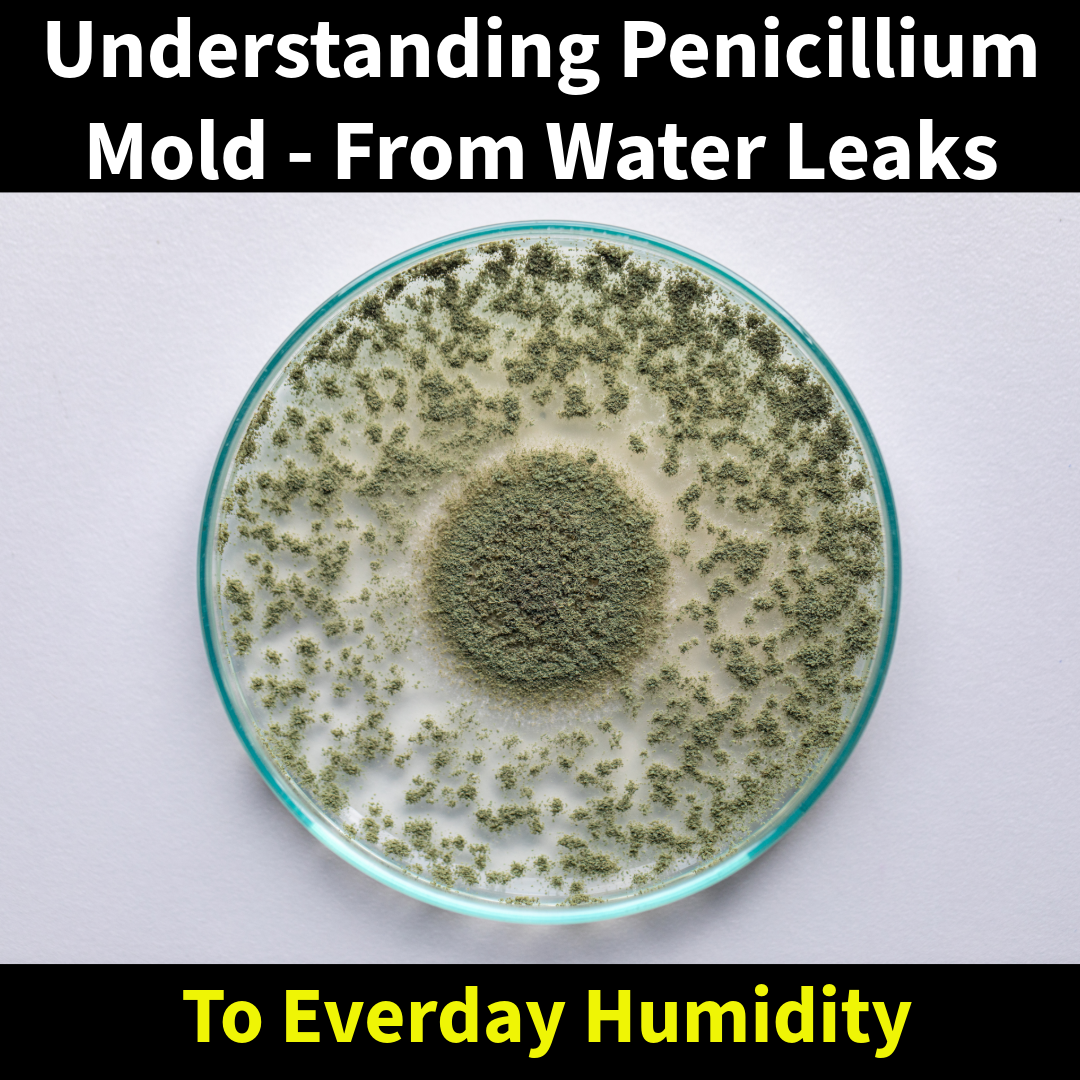
Understanding Penicillium Mold — From Water Leaks to Everyday Humidity

Penicillium (pronounced pen-ih-SILL-ee-um) is one of the most common molds found in homes and buildings after water damage. Known for its fuzzy blue-green appearance, this mold grows quickly on materials that stay damp for more than a few days. While some species of Penicillium are used in medicine and food production, the types that appear in indoor environments can cause serious health and property problems if left untreated.

Where Penicillium Grows

Penicillium spreads easily through the air and attaches itself to porous materials such as drywall, insulation, carpeting, and fabric. It thrives in cool, damp areas — especially basements, attics, and rooms with poor ventilation. After a pipe leak, roof issue, or flooding event, Penicillium can take hold in less than 48 hours and continue to grow even after the surface appears dry.

It’s also frequently found on water-damaged furniture, HVAC systems, and behind wallpaper where hidden moisture lingers.

How It Spreads

Once established, Penicillium releases microscopic spores into the air. These spores are light enough to move through HVAC ducts or open doorways, allowing the contamination to spread throughout a property. Because of its rapid growth rate, what begins as a small patch on a wall can quickly lead to widespread contamination without proper containment and cleanup.

Health Effects

Exposure to Penicillium can trigger allergic reactions, respiratory irritation, and sinus congestion. People with asthma, weakened immune systems, or chronic respiratory conditions may experience worsening symptoms when exposed. Some species of Penicillium also produce mycotoxins — chemical compounds that can cause fatigue, headaches, and more severe reactions over time.

Even after visible mold is removed, airborne spores can linger unless a full remediation process is completed.

Structural Concerns

Beyond health risks, Penicillium can damage building materials. It feeds on cellulose-based items like drywall and wood, breaking them down and weakening the structure. Over time, this can cause warping, staining, and even musty odors that persist long after the initial water source is fixed.

How MSI Identifies and Removes Penicillium

At MSI, our process begins with professional testing to confirm the type and extent of mold growth. We use air and surface sampling to determine how far spores have spread and whether the contamination is active or dormant.

Once confirmed, our certified team sets up containment, applies negative air pressure, and removes affected materials safely. Every project includes HEPA vacuuming, antimicrobial cleaning, and post-clearance testing to ensure the environment is restored to safe conditions.

Protecting Your Property

If you notice blue-green mold or musty odors after a water event, don’t ignore it. Penicillium spreads quickly and won’t go away with simple cleaning sprays. Proper remediation requires trained professionals and lab-based confirmation.

MSI has been providing environmental testing and mold remediation services since 1998. Our specialists are dedicated to identifying, removing, and preventing mold the right way — restoring both safety and peace of mind.

The Critical Role of Sellers’ Disclosure in Real Estate

When selling a property, honesty isn’t just the best policy—it’s a legal requirement. The sellers’ disclosure statement, a vital document in real estate transactions, requires sellers to unveil any known defects in the property. This disclosure not only protects buyers but also ensures a fair and transparent dealing, reinforcing trust in the real estate market.

Importance of Accurate Disclosure

A thorough and honest disclosure serves as a safeguard for buyers against potential hidden problems that could affect the property’s value and livability. It also reduces the risk of future legal disputes, which can arise from undisclosed issues. By promoting transparency, the disclosure process helps maintain integrity in the property transaction, ensuring that both buyers and sellers can make informed decisions.

Legal Implications of False Disclosure

Misrepresenting the condition of a property can lead to severe legal repercussions for sellers. If a buyer discovers that critical information about property defects was intentionally withheld, they can pursue legal action for damages. Such lawsuits not only result in financial losses but can also damage the seller’s reputation permanently.

Case Studies

Consider the case of a homeowner who failed to disclose a chronic basement flooding problem and mold. After the sale, the new owners faced significant repair costs and, upon learning the issue was known to the previous owner, successfully sued for nondisclosure. This example underscores the importance of full transparency in real estate transactions.

Tips for Sellers

To avoid legal issues and ensure a smooth sale process:

  • Conduct a thorough review of the property and note any issues.
  • Consult with a real estate professional or attorney to understand what information must be disclosed.
  • When in doubt, disclose. It’s better to over-share than to omit critical details that could lead to legal challenges.

Conclusion

The sellers’ disclosure is more than just paperwork; it’s a fundamental part of ethical real estate dealings. By providing a clear and honest account of their property, sellers can avoid legal issues, speed up the sale process, and maintain their integrity. Remember, a transparent sale is a successful sale.

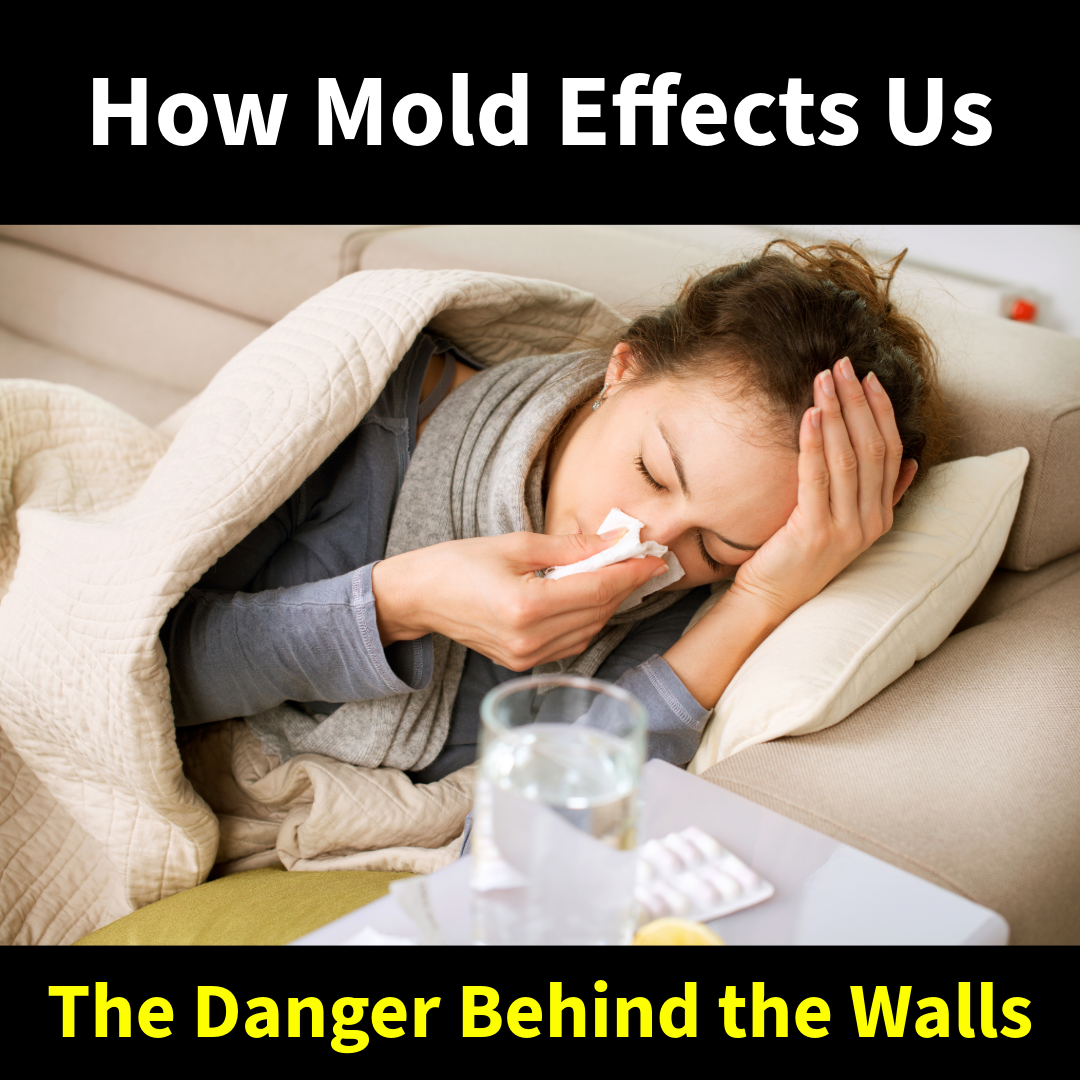
How Mold Effects Us

After pollens, molds are the leading cause of outdoor airborne allergies, which can recur year-round. Some of the most common symptoms of those sensitive to molds include nasal stuffiness, eye irritation, wheezing, cold and flu-like symptoms, rashes, conjunctivitis, inability to concentrate, and fatigue. Mold exposure has also been associated with asthma onset. Symptoms usually disappear when the mold is removed. However, under certain conditions, exposure to mold can cause serious health problems. Some people with chronic illnesses, such as obstructive lung disease, for example, may develop mold infections in their lungs. Also, some people exposed to large amounts of mold at work, such as farmers working with moldy hay, may develop even more severe reactions, including fever and shortness of breath. Some molds are toxic, producing chemicals called “mycotoxins,” which in large doses may affect human health, usually by causing allergy-like symptoms such as watery eyes or eye irritation, runny nose and sneezing or nasal congestion, wheezing and difficulty breathing, aggravation of asthma, coughing, itching, or rashes.

Other health problems that have been linked to mold exposure involve the odors produced by mold “volatiles” during the degradation of substrates. These have been discovered to irritate mucous membranes, and they have been associated with a number of symptoms from headaches and nausea to fatigue in individuals exposed to them. For those suffering from multiple chemical sensitivities, the simple presence of these microbial volatile organic compounds (MVOCs) can trigger a reaction just as strong and serious as exposure to chemical VOCs. Fungi or microorganisms related to them may cause other health problems similar to allergy. Some kinds of Aspergillus especially may cause several different illnesses, including both infections and allergy. These fungi may lodge in the airways or a distant part of the lung and grow until they form a compact sphere known as a “fungus ball.” In people with lung damage or serious underlying illnesses, Aspergillus may grasp the opportunity to invade and actually infect the lungs or the whole body.

In some individuals, exposure to these fungi can also lead to asthma or to an illness known as “allergic bronchopulmonary aspergillosis.” This latter condition, which occurs occasionally in people with asthma, is characterized by wheezing, low-grade fever, and coughing up of brown-flecked masses or mucous plugs. Skin testing, blood tests, x-rays, and examination of the sputum for fungi can help establish the diagnosis. Corticosteroid drugs are usually effective in treating this reaction; immunotherapy (allergy shots) is not helpful. The occurrence of allergic aspergillosis suggests that other fungi might cause similar respiratory conditions. Inhalation of spores from fungus-like bacteria, called “actinomycetes,” and from mold can cause a lung disease called “hypersensitivity pneumonitis.” This condition is often associated with specific occupations. For example, farmer’s lung disease results from inhaling spores growing in moldy hay and grains in silos. Occasionally, “hypersensitivity pneumonitis” develops in people who live or work where an air conditioning or a humidifying unit that is contaminated with these spores emits them.

The symptoms of “hypersensitivity pneumonitis” may resemble those of a bacterial or viral infection such as the flu. Bouts of chills, fever, weakness, muscle pains, cough, and shortness of breath develop 4 to 8 hours after exposure to the offending organism. The symptoms gradually disappear when the source of exposure is removed and the area properly ventilated. If it is not removed, workers having to be in those contaminated areas must wear a protective mask with a filter capable of removing spores or change jobs. If “hypersensitivity pneumonitis” is allowed to progress, it can lead to serious heart and lung problems. Also, air with a high concentration of fungal spores of a number of different types of molds may contain toxins that, when breathed over a long period of time, may result in a kind of poisoning. Stachybotrys atra, a mold that is commonly found on wet cellulose products (for example, drywall) and is causing growing concern among physicians, is one of these molds. In one recent study, it was linked to lung bleeding in infants. This mold has also been linked to sudden infant death syndrome and to central nervous system symptoms such as personality changes, sleep disorders, and memory loss.