A Flooded Basement in Doylestown, PA: A Real Emergency Response

Homeowners are often told that help is only a phone call away when water damage strikes. Unfortunately, that isn’t always the case.

Recently, a homeowner in Doylestown, PA experienced a flooded basement after a supply line burst. What followed is a situation we see far too often — multiple companies advertising “emergency water damage restoration,” but no one actually provides the service they claim.


As water continued to spread through the basement, the homeowner began calling local companies that claimed to offer emergency water damage services. Three different companies told her they could not come out that day, or that it would be many hours before anyone could respond.

By that point, frustration had set in. Water damage is stressful enough on its own, and being told repeatedly that help isn’t available only makes the situation worse. When she finally contacted our team, we responded immediately. Despite a 45-minute drive, we arrived within an hour and a half and began addressing the situation right away.


Upon arrival, our priority was to stabilize the loss. We extracted the standing water, removed damaged materials, and began proper structural drying of the basement. Quick response matters in water damage situations. The longer moisture remains in building materials, the greater the risk of secondary damage, including mold growth and structural deterioration.


As drying progressed, we discovered hidden mold growth that had not been disclosed during the home’s sale. The homeowner had mentioned that she often felt unwell when spending time in the basement, and the presence of mold helped explain those symptoms.

This is not uncommon in basements that have experienced past moisture issues that were never properly addressed. Mold is frequently hidden behind finished walls, flooring, or insulation and may not be visible or noticeable without a thorough evaluation.


In addition to the mold, we identified poor electrical lines and unsafe connections in the basement. These conditions posed a potential fire hazard, especially in an area that had just been exposed to water. Water damage often reveals problems unrelated to the original loss. Addressing these issues early can prevent much more serious problems down the road.


Another major source of stress for the homeowner was insurance. She had no idea that the damage from the burst supply line could be covered under her policy. We explained the process, helped her document the loss properly, and assisted her in filing the claim. The claim was approved, and she was ultimately paid for both the remediation work and the reconstruction. Understanding what is and isn’t covered can make a significant difference in how a homeowner experiences a loss.


What began as an extremely frustrating situation — with no companies able to respond — turned into a manageable experience once the right team became involved. Water damage is always stressful, but having someone take responsibility for the process, explain each step, and help carry the loss through to a paid-out claim can make a major difference for homeowners.

This Doylestown case is a good reminder that not all “emergency services” are actually available when emergencies happen, and that fast response, thorough evaluation, and proper documentation matter just as much as the cleanup itself.

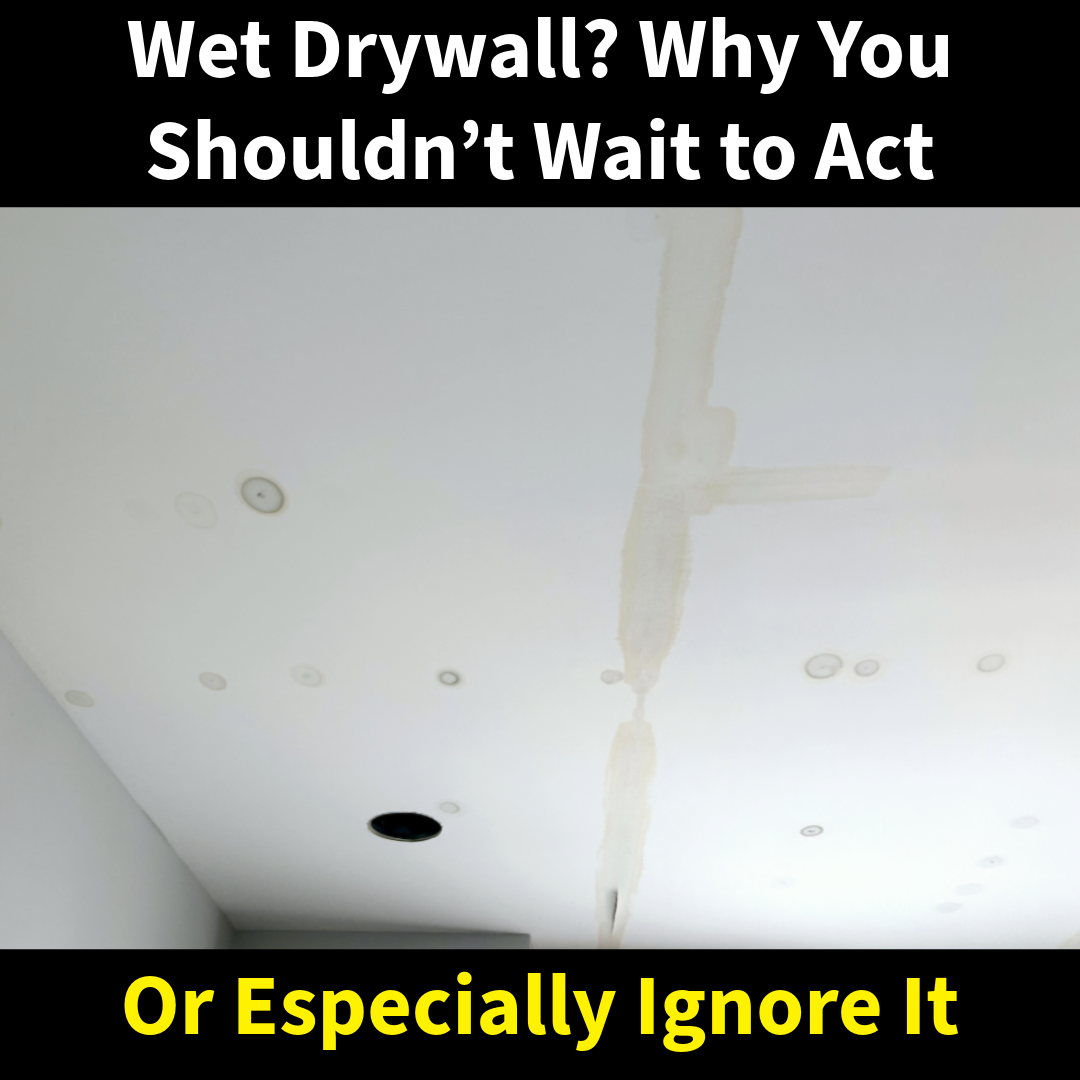
Wet Drywall? Why You Shouldn’t Wait to Act or Especially Ignore It

When water damage hits your home, one of the first materials to suffer is drywall. It’s porous, absorbent, and—unfortunately—quick to trap moisture. While it might seem like a small problem at first, wet drywall can lead to much bigger (and more expensive) issues if not addressed immediately.

Why Wet Drywall Is a Serious Problem

Drywall is like a sponge. Once it absorbs water, it doesn’t just dry out on its own. That trapped moisture becomes a breeding ground for mold, compromises structural integrity, and can even impact your indoor air quality. Worse, what looks dry on the surface can still be soaked inside.

You Might Not See Mold… But That Doesn’t Mean It’s Not There

One of the biggest mistakes homeowners make is assuming that if there’s no visible mold, there’s no problem. In reality, mold often grows behind walls, under baseboards, and inside insulation. It can take just 24–48 hours for mold to begin forming in wet drywall—even if it still looks intact. By the time it shows on the surface, a bigger infestation is often already underway.

Professional Structural Drying Is Critical

Don’t trust a fan and an open window to fix the problem. Proper drying involves moisture meters, thermal imaging, dehumidifiers, and expert knowledge to ensure all water has been fully removed. At MSI, we use advanced structural drying techniques to target moisture that hides behind walls and under floors.

Avoid Bigger Costs and Health Risks

Waiting too long can lead to:

  • Costly mold remediation
  • Damaged framing and insulation
  • Unpleasant odors and poor air quality
  • Health symptoms like coughing, sneezing, and fatigue

The Bottom Line

If your drywall gets wet—even from a small leak or spill—don’t take chances. Water damage doesn’t go away on its own, and by the time you see the signs, it’s often too late for a simple fix.

MSI has been handling water damage restoration since 1998, and we’ve seen firsthand what happens when it’s ignored. Call us today for a professional assessment and let us stop the problem before it grows—literally.
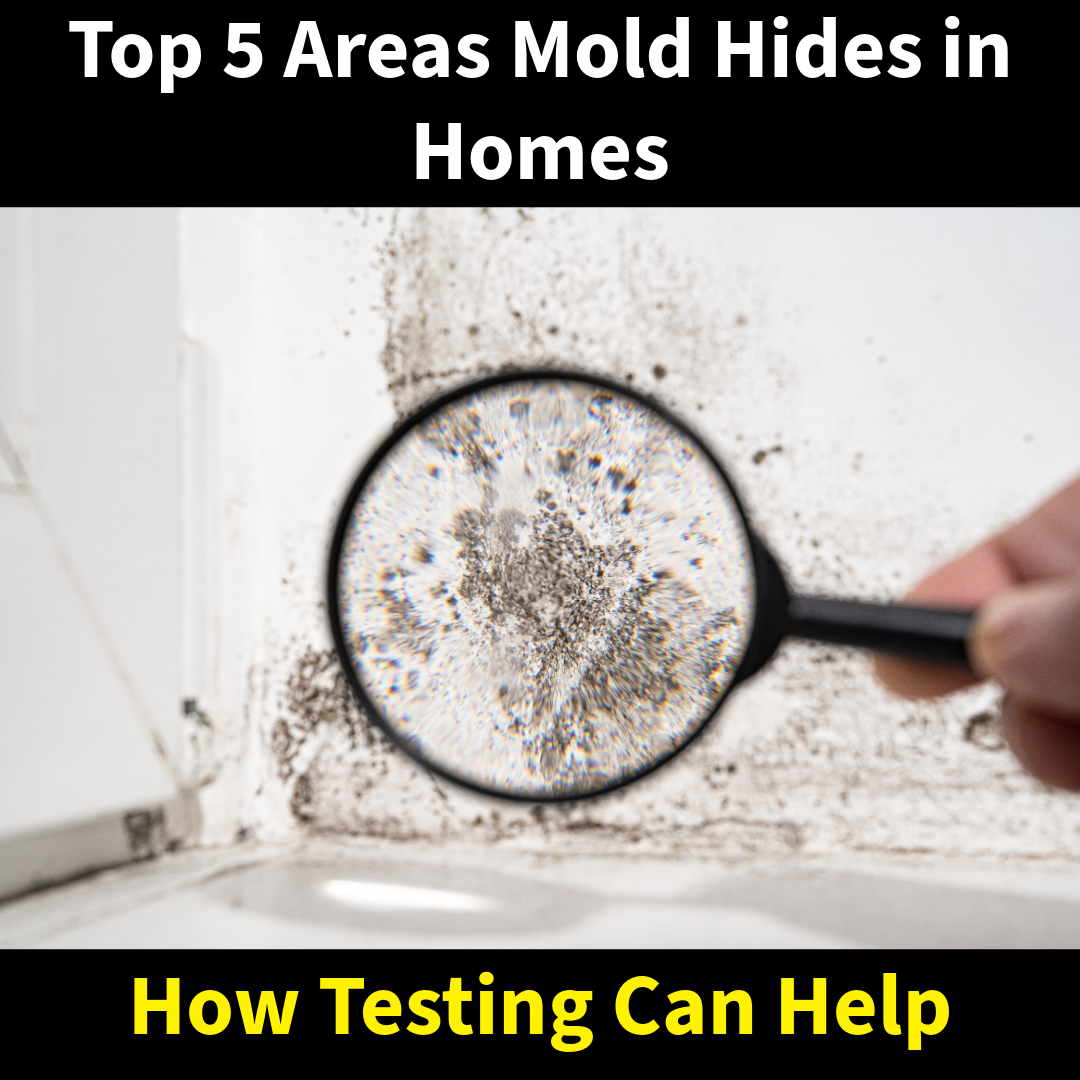
Top 5 Areas Mold Hides in Homes and How Testing Can Help

While visible mold growth is easy to spot, hidden mold can be a sneaky problem that thrives in unexpected places. Identifying these areas early on is crucial, and mold testing services can help ensure every trace of mold is discovered. Here are the top five areas where mold often hides in homes and how professional testing can help.

Behind Walls

Mold growth behind walls is common, especially in areas where plumbing leaks or condensation occurs. Drywall and insulation provide an ideal environment for mold to thrive, often unnoticed for months or even years. Since you can’t see behind walls, professional mold testing services can detect the presence of hidden mold by analyzing air quality and using specialized equipment.

Under Carpets and Flooring

Moisture from spills, flooding, or high humidity can seep beneath carpets and flooring, creating a perfect breeding ground for mold. Mold can grow on the padding or subfloor, often remaining hidden until the damage becomes severe. Mold testing can identify the issue before it becomes visible, saving you costly repairs.

Inside HVAC Systems

Your HVAC system—including air ducts, filters, and coils—is another common hiding spot for mold. The combination of dust, moisture, and darkness makes HVAC systems a prime environment for mold growth. Mold in your HVAC system can spread spores throughout your home, affecting indoor air quality. Testing ensures that your entire system is inspected and safe for use.

Underneath Sinks and Around Plumbing

The cabinets under sinks and areas around plumbing fixtures are hot spots for hidden mold. Leaky pipes or trapped moisture create a perfect environment for mold to flourish. Often overlooked during routine cleaning, these areas can be easily tested for mold using moisture meters and air sampling techniques.

Attics and Basements

Attics and basements are particularly vulnerable to hidden mold due to poor ventilation, high humidity, and potential leaks. Mold in these areas can go unnoticed for years, especially in unused or infrequently visited spaces. Professional mold testing can identify mold problems in these areas before they spread to the rest of your home.

How Mold Testing Ensures Complete Identification

Mold testing services go beyond what the eye can see. Professionals use advanced tools and techniques to detect mold, including:

  • Air Sampling: Measures the concentration of mold spores in the air, helping to identify hidden mold sources.
  • Surface Testing: Involves swabbing or tape-lifting surfaces to determine the presence of mold.
  • Moisture Mapping: Identifies areas of excess moisture that could lead to hidden mold growth.

By pinpointing the exact locations of hidden mold, testing ensures a comprehensive approach to remediation and prevention.

Protect Your Home with Professional Mold Testing

Hidden mold can cause serious damage to your home and health if left unchecked. Mold testing services provide peace of mind by identifying mold in even the most concealed areas. If you suspect hidden mold in your home, don’t wait—contact a professional mold testing company to ensure your home is safe and mold-free.

For expert mold testing and remediation, trust Mold Solutions & Inspections. Our team is dedicated to protecting your home and health with thorough and reliable services. Schedule your mold testing today!