What to Check in Your Home After a Winter Storm

Winter storms can leave behind more than snow and ice. Freezing temperatures, heavy snowfall, and thawing conditions often cause hidden water damage that isn’t immediately visible once the storm passes. Many homeowners don’t realize there’s a problem until days—or even weeks—later, when leaks, staining, or mold appear. Taking time to check key areas of your home after a winter storm can help catch water damage early and prevent more serious issues.


Freezing temperatures can stress plumbing systems, especially pipes located in exterior walls, basements, crawlspaces, garages, and other unheated areas.

After a winter storm, pay attention to:

  • Changes in water pressure
  • Unusual noises when water is running
  • Slow leaks around sinks, toilets, or appliances
  • Damp spots on walls or ceilings near plumbing lines

Even pipes that did not fully burst may have small cracks that begin leaking once temperatures rise.


Snow accumulation and freeze-thaw cycles can lead to roof leaks and ice dam formation. Water intrusion from above often shows up first on ceilings or in attic spaces.

Check for:

  • Discoloration or staining on ceilings
  • Peeling paint or bubbling drywall
  • Damp insulation in attic areas
  • Water marks near attic access panels

These signs may indicate slow roof leaks that started during or after the storm.


Basements and crawlspaces are especially vulnerable after winter storms due to frozen pipes, foundation seepage, and melting snow around the home.

Look for:

  • Standing water or damp concrete
  • Musty or damp odors
  • Wet insulation or exposed framing
  • Water around sump pumps or floor drains

Because these areas are often unfinished, moisture problems can go unnoticed without a careful inspection.


Ice dams commonly form along roof edges when snow melts and refreezes. This can force water under shingles and into the home.

After a storm, check for:

  • Large icicles along roof edges
  • Ice buildup in gutters
  • Water stains on exterior siding
  • Drips or leaks near exterior walls

Roof-related water damage often appears inside the home long after the snow has melted.


Winter water damage is often hidden. Heating systems may dry surfaces while moisture remains trapped inside walls, insulation, and flooring. Without proper moisture detection, damage can continue to spread even after conditions improve. Early identification can help prevent mold growth, structural damage, and costly repairs. Painting over leaks especially on drywall is a mistake that could be costly later, as mold will continue to develop on the backside of the drywall and in the edn require more mold remediation.


If you notice any signs of water intrusion after a winter storm—or if your home experienced frozen pipes, roof snow buildup, or recent thawing—calling a professional promptly allows for quick assessment and documentation. Fast response can make a significant difference in limiting damage and preventing long-term issues. Putting it off for later will only cost more in the long run.


Winter storms don’t always cause immediate or obvious damage. Taking the time to inspect key areas of your home after freezing temperatures and snowfall can help catch problems early and avoid bigger issues down the road. When in doubt, a professional inspection can provide peace of mind and ensure hidden moisture isn’t left behind. And when moisture does occur, having proper water damage restoration completed will save you time, money and even larger problems down the road.

Freezing Temperatures and Snow: The Hidden Water Damage Homeowners Miss

Over this past weekend, much of the region experienced significant snowfall, with up to 6 inches reported in parts of Philadelphia, Delaware County, Bucks County and Chester County, including West Chester, Newtown Square, Media, New Hope and surrounding communities. While most homeowners were focused on clearing driveways and staying warm, freezing temperatures and heavy snow can quietly cause hidden water damage inside homes—damage that often goes unnoticed until it becomes a much bigger problem.

Winter-related water damage is especially dangerous because it can remain concealed for weeks, slowly saturating building materials and increasing the risk of mold growth and structural damage.


When temperatures drop below freezing, water inside pipes expands as it turns to ice. This expansion places significant pressure on pipe walls, fittings, and joints—particularly in exterior walls, basements, crawlspaces, garages, and other unheated areas.

Even if a pipe does not fully burst, freezing conditions can cause small cracks or weakened joints that begin leaking once temperatures rise and the ice melts.


Freezing temperatures and heavy snowfall often lead to water intrusion in places that are not immediately visible. During inspections, these are some of the most common areas where winter-related water damage is found:

  • Plumbing lines located in exterior walls
  • Basement ceilings and walls below bathrooms or kitchens
  • Crawlspaces and rim joists
  • Garages and unheated utility rooms
  • Attics affected by snow melt and ice dams
  • Ceilings below roof valleys, chimneys, and flashing areas
  • Areas near exterior hose bibs and shutoff valves

These locations often allow water to spread behind finished surfaces, making damage difficult to detect without proper moisture testing.


Many homeowners expect winter plumbing failures to cause immediate flooding, but most winter-related leaks are far less dramatic. In many cases, water escapes slowly and travels into wall cavities, under flooring, or above ceilings.

Because cold weather can limit evaporation, moisture often remains trapped, allowing damage to progress quietly before any visible signs appear.


Heavy snowfall—such as what we saw this weekend—can also create water damage from above. As snow melts and refreezes, ice dams can form along roof edges, preventing proper drainage.

When this happens, water can be forced beneath shingles and roofing materials, entering attics and wall cavities. This type of damage often goes unnoticed until staining or mold becomes visible weeks later.


Cold temperatures can give homeowners a false sense of security. Heating systems may dry the surface of materials while moisture remains trapped deeper inside walls, insulation, and subfloors.

Without professional moisture mapping, hidden water damage can remain present long after the weather improves.


Once temperatures stabilize and indoor conditions warm up, trapped moisture creates an ideal environment for mold growth. Mold does not require standing water—only sustained moisture and organic materials.

This is why mold problems frequently appear weeks after a winter leak, long after the initial event has been forgotten.


If your home experienced frozen pipes, water pressure changes, roof snow buildup, or recent thawing—especially after this weekend’s snowfall—it’s important to have the property evaluated.

A professional inspection can identify hidden moisture, document damage for insurance purposes, and help prevent long-term mold and structural issues.


Freezing temperatures and snowstorms do more than impact travel and utilities. They can quietly damage plumbing systems, roofs, and building materials, leading to hidden water damage that worsens over time.

Addressing potential issues early—before mold or structural damage develops—can save homeowners significant time, expense, and frustration.

Professional Drying vs. DIY: How to Truly Dry Out Your Home and Prevent Mold

When water damage strikes — whether from a burst pipe, leaking appliance, or heavy rain — many homeowners reach for household fans and a store-bought dehumidifier, hoping that will solve the problem. While it may seem like a quick fix, these tools simply aren’t powerful enough to stop the hidden dangers that come with water damage. Without the right equipment and techniques, moisture lingers in your home’s structure, creating the perfect conditions for mold growth and costly repairs.

Why Household Equipment Falls Short

  • Fans: A box fan or ceiling fan circulates air, but it doesn’t create the high-velocity airflow needed to pull moisture out of walls, flooring, and other building materials.
  • Store-bought dehumidifiers: These units are designed for comfort in a bedroom or basement, not for drying a water-damaged structure. They pull out only a fraction of the moisture required, and can take weeks to have any impact. Meanwhile, mold has time to spread.

What Professional Equipment Does Differently

  • Commercial air movers: These machines blast air at floor level and across surfaces, forcing moisture out of wood, drywall, and carpeting.
  • Industrial dehumidifiers: Unlike small home units, professional dehumidifiers extract dozens — even hundreds — of pints of water per day, rapidly lowering humidity to safe levels.
  • Moisture meters and thermal imaging: Hidden dampness inside wall cavities or under flooring can’t be seen with the naked eye. Professional tools detect and verify that everything is truly dry.

Why Speed Matters: Stopping Mold Before It Starts

Time is critical after water damage. Mold can begin growing in as little as 24 to 48 hours if moisture is left unchecked. Even if a surface feels dry, deep inside the materials, moisture may still be present. Professional drying equipment ensures the structure is dried quickly and completely, cutting off mold before it has a chance to take hold.

Protecting Your Home and Health

Using household equipment may make the surface look better temporarily, but it doesn’t address the bigger issue. Without full structural drying, homeowners often face mold infestations, warped building materials, and persistent odors just weeks later. Professional equipment prevents these problems, saving money, time, and stress in the long run.

The MSI Difference

At MSI, we use advanced drying equipment and IICRC-certified techniques to restore homes the right way. Every job is documented with moisture readings to prove that your property is safe, dry, and mold-free. Choosing professional help isn’t just about convenience — it’s about protecting your home and your health.

Don’t risk mold and long-term damage by relying on household fans. Call MSI today at 215-339-1769 for fast, professional water damage restoration.

From Denied Claim to Full Coverage — Media, PA Water Loss

What seemed like a small water damage issue on the first floor of a single-family home in Media, PA turned out to be a multi-floor problem that had been quietly causing damage for some time. This project revealed the hidden extent of water damage — and how having an experienced restoration company can make all the difference when dealing with insurance claims.


The First Call

When the homeowner first contacted us, they believed the water damage was limited to their first floor. Upon inspection, our team found additional damage extending upward to the second floor and downward into the finished basement. With no visible source in sight, we began carefully opening walls to trace the water’s path.


Finding the Culprit

The break was eventually traced to a cracked stack pipe in the second-floor wall. The homeowner had already filed an insurance claim, but it had been denied because the insurer labeled it a “long-term leak” — a common reason for claim rejections, especially when mold is involved.

However, our inspection told a different story.


Proving the Case

We documented how the crack in the pipe was small enough to release only minimal amounts of water at a time. The insulation and double-layered drywall/plaster acted like a sponge, absorbing the water before any signs appeared on the surface. By the time damage became visible, the underlying problem had been active for some time — but not because it was ignored.

Once the wall was opened, a plumber could repair the pipe, and with our findings, the insurance company reversed its decision and covered the claim.


Understanding Category 3 Water

This was a Category 3 water loss — the most hazardous classification:

  • Category 1: Clean water from a sanitary source.
  • Category 2: “Gray” water with some contamination.
  • Category 3: “Black” water containing sewage, bacteria, and dangerous pathogens.

Because the cracked stack pipe was part of the home’s waste system, any escaping water posed serious health risks. Immediate, professional remediation was essential to remove contaminated materials, sanitize the area, and prevent mold growth.


Why Stack Pipes Crack

Stack pipes — the vertical plumbing pipes that carry waste and water from upper floors — can crack for several reasons:

  • Material fatigue in older cast iron or PVC systems.
  • Shifting or settling of the building.
  • Temperature fluctuations causing expansion and contraction.
  • Corrosion or rust over time.

Even a small crack can cause major hidden damage, as this case clearly showed.


The MSI Difference

Our role went far beyond cleanup. We:

  • Discovered the hidden extent of the damage.
  • Removed contaminated materials from all affected floors.
  • Performed mold remediation to IICRC standards.
  • Coordinated with the plumber for quick repairs.
  • Provided the documentation needed to reverse a denied insurance claim.

When you’re facing water damage — especially from a hidden source — you need a restoration company that knows how to uncover the problem, clean it up properly, and help you get it covered.


Have water or mold damage you can’t figure out? Call MSI at 877-712-1600. We’ll find the source, stop the damage, and help restore your home safely.

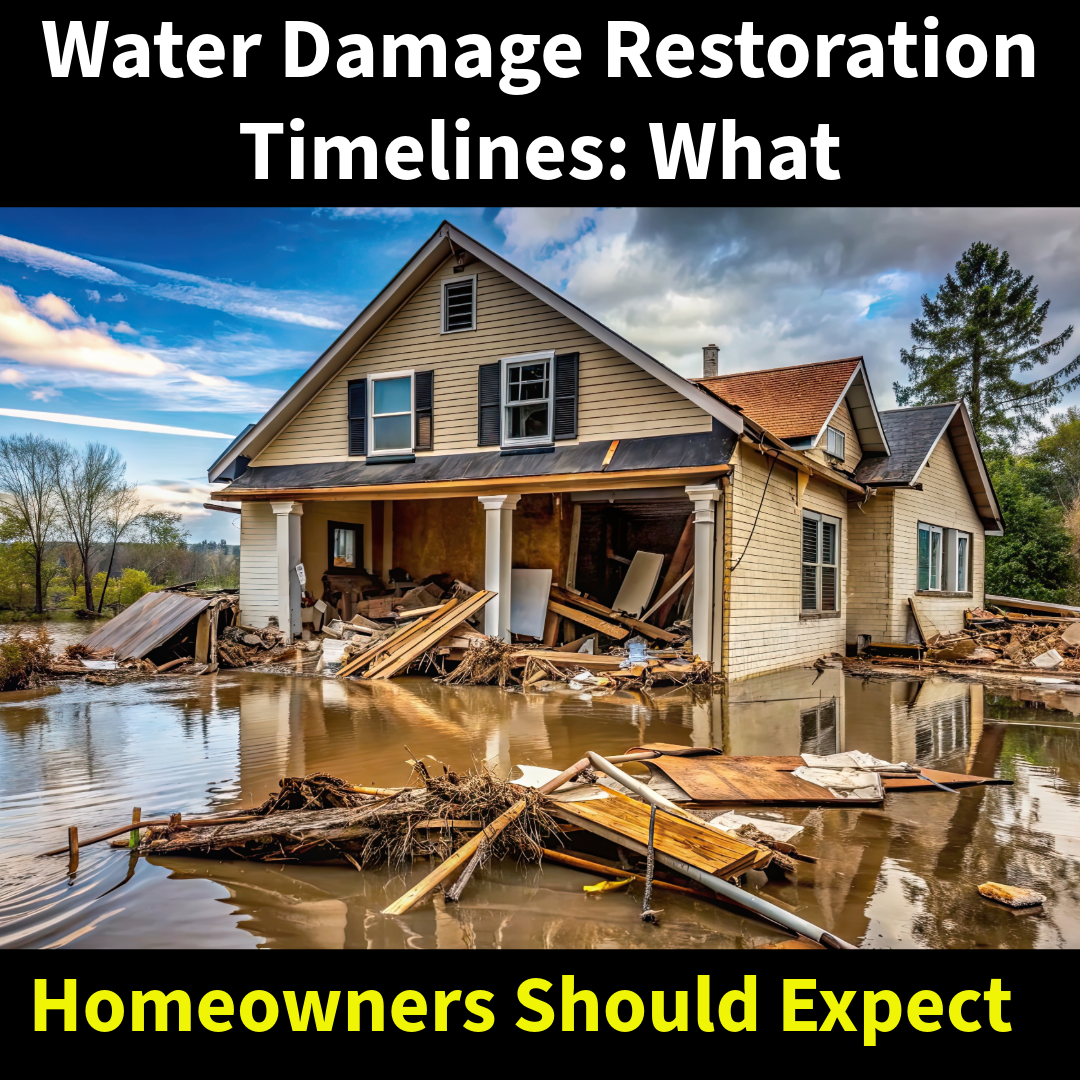
Water Damage Restoration Timelines: What Homeowners Should Expect

When water damage strikes, one of the first things homeowners want to know is: “How long will this take to fix?” The answer depends on a variety of factors, including the type of water involved, the extent of the damage, and the materials affected.

At MSI, we’ve restored thousands of homes and businesses across Pennsylvania, New Jersey, and Delaware. Here’s a general timeline of what you can expect during a typical water damage restoration project. But remember, each situation varies considerably depending on the scope, size of the loss and affected building materials.


Emergency Response (Same Day)

Timeframe: Within hours
A professional restoration team should respond quickly—ideally within hours of the initial call. The emergency response includes:

  • Documenting the damage especially when insurance claims are filed.
  • Extracting standing water
  • Assessing moisture levels with meters and thermal cameras
  • Setting up industrial drying equipment

A fast response limits the spread of damage and helps prevent mold growth or structural issues.


Drying and Dehumidification (3 to 5 Days)

Timeframe: Most jobs are dry in about 3 days
Once the water is extracted, the structure needs to be thoroughly dried using commercial-grade air movers and dehumidifiers. While conditions vary, the majority of jobs are dry within 3 days, though larger or more complex losses may require up to 5 days. Drying time depends on:

  • Amount of water and extent of saturation
  • Types of materials affected (carpet, wood, drywall, insulation)
  • Temperature, humidity, and airflow conditions on-site

Daily monitoring ensures that drying is progressing properly and that equipment is adjusted as needed.


Demolition and Removal (Same Day to 2 Days)

Timeframe: Varies by materials and contamination level
If certain materials are unsalvageable, especially in Category 2 or 3 water losses, they must be removed. This may include:

  • Cutting out wet drywall and insulation
  • Pulling up carpet and padding
  • Removing damaged baseboards, flooring, or cabinetry

Clean water losses may require little to no demolition. In sewage or contaminated water situations, more extensive removal is necessary for safety and code compliance.


Cleaning and Sanitizing (1 to 2 Days)

Timeframe: Often overlaps with demolition
After demo, all remaining surfaces must be cleaned and sanitized to prevent microbial growth. This includes:

  • Antimicrobial treatments on framing and concrete
  • HEPA vacuuming and surface wiping
  • Odor control (fogging, ozone, or hydroxyl treatments if needed)

This step is critical to ensure the space is safe for reconstruction and eventual occupancy.


Reconstruction (1 to 4 Weeks or More)

Timeframe: Depends on scope and scheduling
Reconstruction involves restoring the property to its pre-loss condition and can include:

  • Drywall installation and painting
  • Flooring and baseboard replacement
  • Cabinetry and trim carpentry
  • Electrical and plumbing fixture replacement

Reconstruction timelines can vary based on material availability, insurance approvals, and whether the home remains occupied during repairs.


Factors That Can Extend the Timeline

Several factors can stretch the restoration process beyond the norm:

  • Delayed response – allowing water to sit worsens damage
  • Sewage or Category 3 water – requires hazardous material protocols
  • Mold discovered during demolition – adds remediation steps
  • Insurance approval delays – slows demo and rebuild authorization
  • Scope changes – repairs reveal hidden damage

Typical Water Damage Restoration Timeline

  • Day 1: Emergency response and water extraction
  • Days 2–5: Drying, monitoring, and possible demolition
  • Days 5–7: Cleaning, sanitizing, and post-dry inspections
  • Week 2–4+: Reconstruction and final walkthrough

Trust the Experts at MSI

At MSI, we take pride in the relationships we build with our customers. Since 1998, we’ve completed thousands of water damage restoration projects throughout Philadelphia, Delaware County, Bucks County, Montgomery County, and the surrounding areas—including New Jersey and Delaware. Our certified technicians are prompt, courteous, and detail-oriented at every step of the process. We work quickly and thoroughly to return your home to its pre-loss condition—often in just a matter of days.

When disaster strikes, time is everything. Call MSI to take control of the damage—fast.
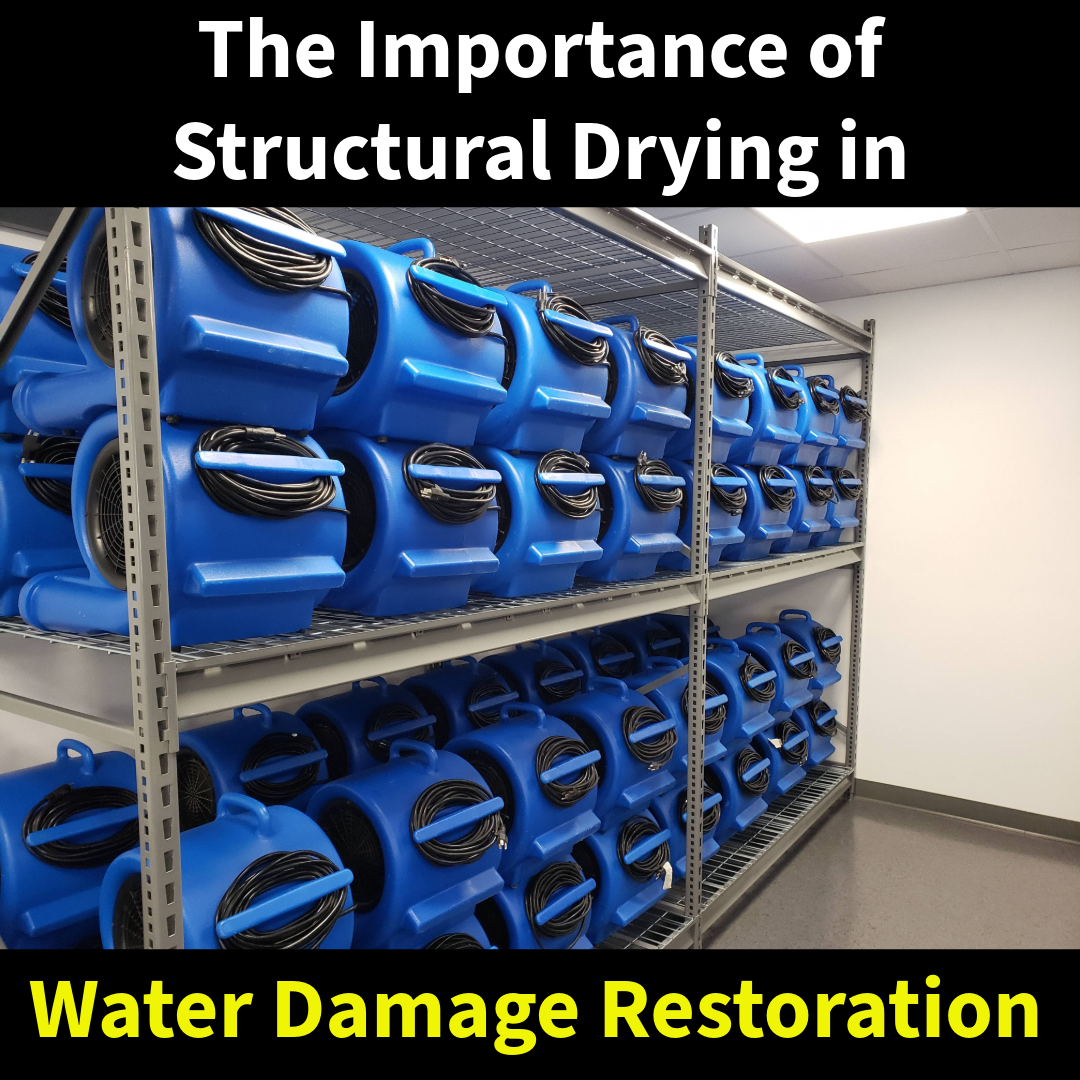
The Importance of Structural Drying in Water Damage Restoration

When water invades your home or business—whether from a burst pipe, storm flooding, or an appliance leak—the first instinct is often to mop it up and run a few fans. But visible water is only part of the problem. The real damage happens behind walls, under floors, and inside materials that can retain moisture long after the surface appears dry. That’s where structural drying becomes essential.

At MSI, we specialize in professional water damage restoration throughout Pennsylvania, New Jersey, and Delaware, and we know that skipping or rushing the drying process can lead to serious long-term damage, including mold growth, wood rot, and compromised structural integrity.


What Is Structural Drying?

Structural drying refers to the controlled process of removing moisture from a building’s structural components—such as framing, subfloors, drywall, insulation, and concrete—after a water intrusion. It’s a crucial phase that goes far beyond surface-level cleanup.

Key components of structural drying include:

  • Water extraction using powerful equipment to remove standing water
  • Moisture mapping with thermal cameras and moisture meters to detect hidden wet areas
  • Dehumidification to reduce air humidity and prevent secondary damage
  • Air movement using high-velocity air movers to accelerate drying of surfaces
  • Temperature control to optimize the drying environment

Why Structural Drying Matters

Here’s why structural drying is not optional when it comes to proper water damage restoration:

1. Prevents Mold Growth

Mold can start growing in as little as 24–48 hours in damp conditions. Structural drying removes the moisture mold needs to survive, making it a key part of mold prevention after water damage.

2. Protects Building Materials

Drywall, wood framing, subfloors, and insulation all absorb moisture. If not dried properly, they weaken over time—leading to sagging, splitting, and even structural failure.

3. Saves Time and Money

Proper drying prevents the need for future repairs due to warping, mold remediation, or reconstruction. While it may seem like an added step, it often reduces long-term restoration costs.

4. Supports Insurance Claims

Insurance companies often require documented proof of drying, including moisture readings. At MSI, we provide full documentation to support your water damage insurance claim.


The Risks of Skipping Proper Drying

Too often, property owners (and even some contractors) attempt to cut corners—drying only what’s visible or using household fans and dehumidifiers that aren’t up to the task. Unfortunately, these shortcuts can lead to:

  • Hidden mold outbreaks
  • Lingering odors
  • Health issues from poor indoor air quality
  • Failed building inspections or renovations

By contrast, certified structural drying ensures your property is truly safe, clean, and ready for repairs.


Structural Drying Requires Expertise

At MSI, our technicians are IICRC-certified and trained in the latest structural drying techniques. We use commercial-grade dehumidifiers, air movers, and infrared moisture detection equipment to ensure that every affected area is addressed—even the ones you can’t see.

We don’t rely on guesswork or shortcuts. We provide honest, science-based water damage restoration services, backed by nearly 30 years of experience and thousands of successful projects across Pennsylvania, New Jersey, and Delaware.


Final Thoughts: Drying Is Not Optional—It’s Foundational

If your property has experienced water damage, don’t assume that just because the surface looks dry, the problem is solved. Structural drying is an essential step in the restoration process—one that protects your property, your health, and your finances.

For a thorough, professional response to water damage emergencies, our team at Mold Solutions & Inspections are here to help. Our IICRC certified team of water damage restoration experts can have your property back to pre-loss conditions in a quick, safe and cost efficient manner, while never compromising proper procedures or overcharging for services never performed. We’re here to help you recover fully and safely—no shortcuts, no surprises.

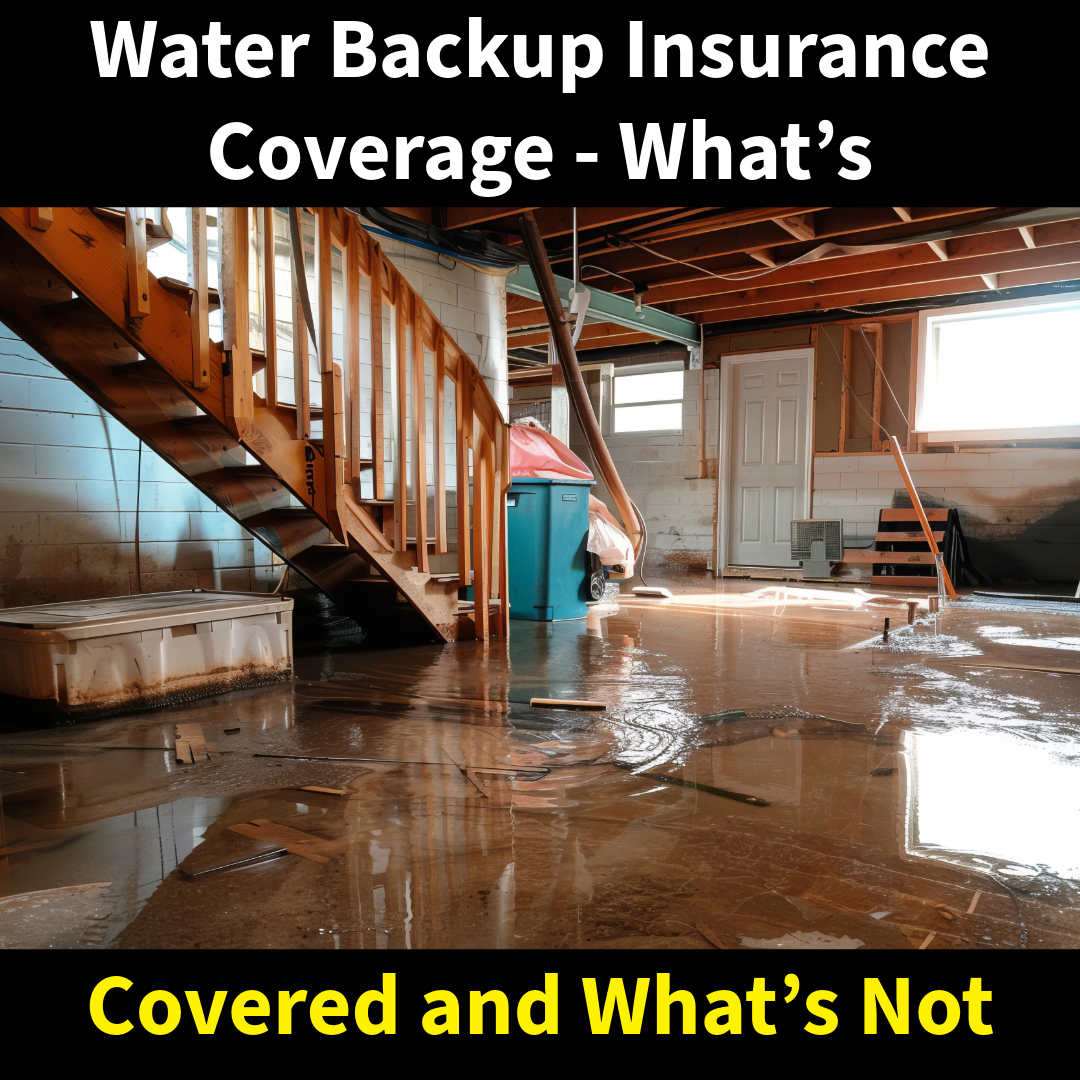
Water Backup Insurance Coverage – What’s Covered and What’s Not

When it comes to protecting your home, water damage is one of the most common — and costly — risks. While many homeowners carry insurance, there’s a specific type of protection that often goes overlooked until it’s too late: water backup insurance.

At MSI, we regularly help clients who discover the hard way that their standard policy doesn’t cover sewer backups or sump pump failures. Here’s what every homeowner should know about this critical coverage, what’s included, what isn’t — and how to protect yourself from a very unpleasant (and expensive) surprise.

What Is Water Backup Insurance?

Water backup insurance is an optional endorsement — not typically included in standard homeowners policies. It covers water damage resulting from:

  • Sump pump failures
  • Water backing up through sewers or drains
  • Some types of localized sewer line issues

However, there’s a catch: If the source of the backup is outside your property line — such as a municipal sewer blockage in the street — most policies will not cover the damage. This exclusion is particularly common in row homes or urban areas, where backups often originate in the shared city sewer system.

What It Typically Covers

If your water backup coverage is triggered, it generally pays for:

  • Emergency water extraction and cleanup
  • Sanitizing and mold prevention
  • Repairs to walls, flooring, and structural materials
  • Replacement of damaged personal items (furniture, electronics, clothing, etc.)

Some policies include coverage for sewer backups — but only if the issue is proven to originate on your property. Coverage will not apply if the root cause lies beyond your home’s plumbing system.

What It Doesn’t Cover

Many homeowners are shocked to learn that their water backup coverage has strict exclusions. Most policies will not cover:

  • Flooding from outside sources (requires flood insurance)
  • Municipal sewer system blockages (common in city row homes)
  • Gradual seepage through foundation cracks
  • Damage due to lack of maintenance or neglect

Even if your basement floods with sewage or gray water, your claim can be denied if the cause traces back to a public line or an unmaintained pump.

Coverage Limits Are Often Too Low

Even if you have water backup coverage, you may not have enough.

Most policies cap this endorsement between $5,000 and $10,000. While that may sound sufficient, keep in mind that this amount must cover:

  • Emergency mitigation
  • Structural repairs
  • Drying and sanitizing
  • Mold remediation
  • Personal content replacement
  • Labor and material costs

In today’s market, a serious backup can easily exceed $10,000 in total costs. If you have a finished basement, home office, or expensive electronics in the affected area, the gap between what’s covered and what’s lost can be substantial.

Common Misconceptions

There are a few frequent assumptions that leave homeowners exposed:

  • “My homeowners insurance covers sewer backups.” → Not by default. This requires the water backup endorsement.
  • “Flood insurance covers everything.” → It only covers external flooding — not interior plumbing or sewer backups.
  • “$10,000 in coverage is enough.” → Maybe for minor incidents, but not for full basement reconstruction and content loss.
  • “Sump pump failure won’t happen to me.” → They fail more often than people think, especially during heavy rain or power outages.

Why This Matters in PA, NJ, and DE

Our region is especially prone to water backup problems for a few reasons:

  • Older city infrastructure leads to frequent sewer overloads
  • Tight row home construction increases the chance of backups from neighboring lines
  • Heavy seasonal storms overwhelm sump pumps and storm drains
  • Finished basements are common, increasing the financial impact of a backup

We’ve responded to countless calls from homeowners who had insurance but not the right kind, or not enough of it. In most cases, just a small change in their policy would have saved them thousands.

How Homeowners Can Protect Themselves

Here’s what we recommend:

  • Confirm you have water backup coverage — don’t assume.
  • Ask your agent to explain what’s excluded (especially sewer line origins).
  • Increase your coverage limit — ask for $25,000 or more if you have finished spaces.
  • Install a battery backup sump pump — essential during power outages.
  • Use check valves to prevent backflow through drains.
  • Regularly inspect plumbing and drainage systems for wear and blockages.
  • Keep valuables off the floor and use shelving in basements.
  • Document your belongings in case of future claims.

MSI Can Help

At MSI, we specialize in water damage restoration — including sewage and drain backups. When disaster strikes, we respond quickly to extract water, sanitize the area, prevent mold, and rebuild. We also help homeowners document losses and navigate insurance claims to ensure they receive the compensation they deserve.

If you’ve had a backup or just want to prepare for the worst, contact MSI today. We’ve seen firsthand how devastating these events can be — and how much worse it is when insurance doesn’t come through.

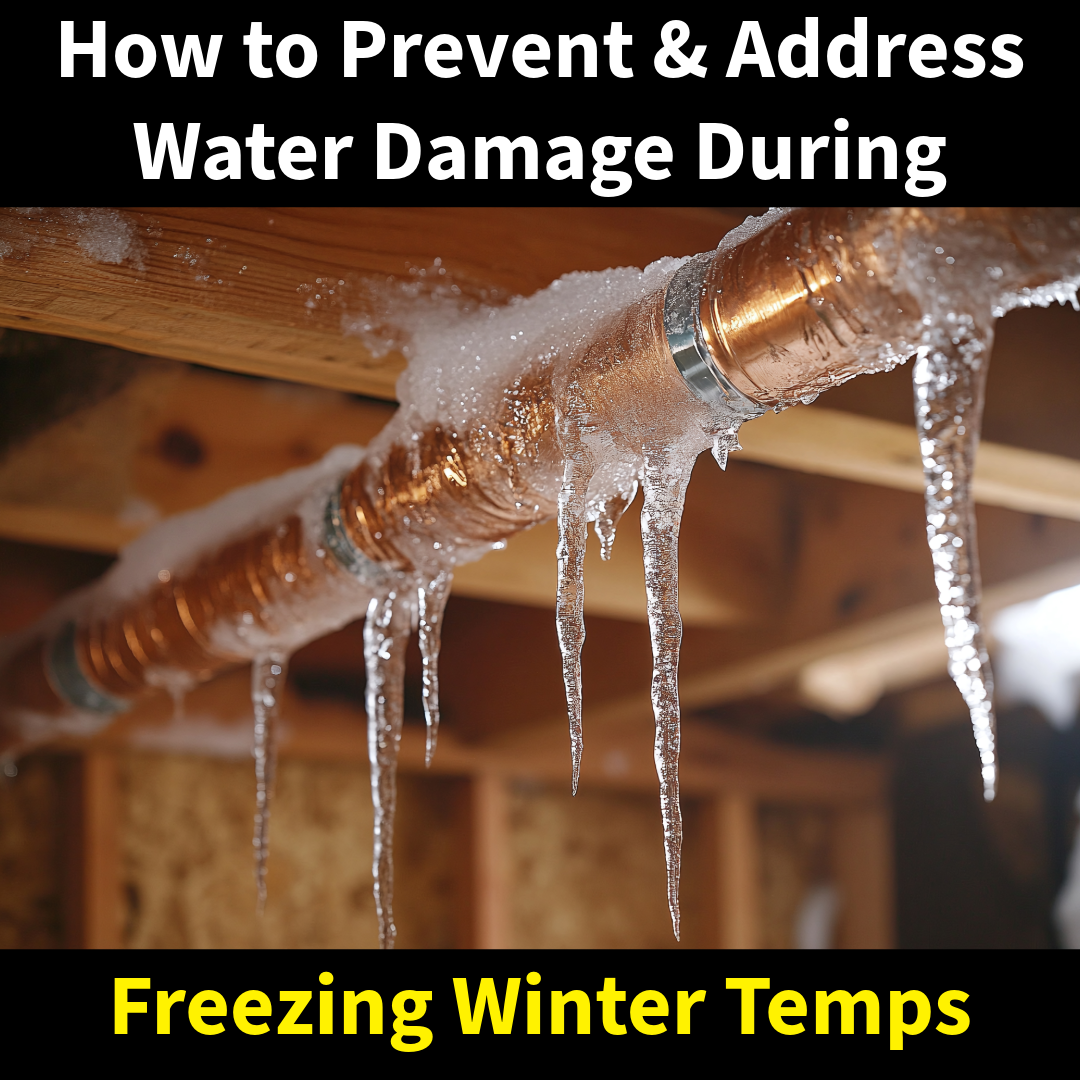
How to Prevent and Address Water Damage During Freezing Winter Temperatures

Winter brings freezing temperatures, and while the snowy landscapes can be picturesque, the risk of water damage increases significantly during this time. Burst pipes, ice dams, and other weather-related issues can wreak havoc on homes and businesses. In this blog, we’ll explore practical ways to prevent water damage and discuss what to do if it occurs.

Common Causes of Water Damage in Freezing Temperatures

  1. Frozen and Burst Pipes When temperatures drop, water inside pipes can freeze and expand, causing pipes to crack or burst. This can lead to significant water damage once the ice thaws and water begins to flow again.
  2. Ice Dams Ice dams form when snow on the roof melts and refreezes near the edges, preventing proper drainage. The trapped water can seep under shingles and into your home, causing leaks and water damage.
  3. Blocked Gutters Gutters clogged with debris can cause water to back up and freeze, leading to ice dams and water overflow that can damage walls, ceilings, and foundations.
  4. Foundation Cracks Water that seeps into small foundation cracks can freeze and expand, worsening the cracks and potentially causing flooding in basements or crawlspaces.

Tips to Prevent Water Damage During Freezing Temperatures

  1. Insulate Pipes Use foam insulation or pipe sleeves to keep exposed pipes warm, especially in unheated areas like basements, attics, and garages.
  2. Maintain Indoor Temperatures Keep your thermostat set to at least 55°F, even if you’re away. Consistent heating prevents pipes from freezing.
  3. Seal Cracks and Leaks Inspect your home for drafts or leaks near windows, doors, and walls. Use caulk or weather stripping to seal these areas.
  4. Clean Gutters Regularly Remove leaves, twigs, and debris from gutters to ensure proper drainage and prevent ice buildup.
  5. Allow Faucets to Drip During extreme cold, let faucets drip slightly to keep water moving and reduce the risk of freezing in the pipes.
  6. Inspect Your Roof Ensure your roof is in good condition and address any missing shingles or weak spots before winter sets in. This helps prevent ice dams.

What to Do if Water Damage Occurs

If you experience water damage during freezing temperatures, act quickly to minimize damage:

  1. Shut Off the Water Supply Locate and turn off the main water valve to prevent further flooding.
  2. Remove Excess Water Use towels, mops, or a wet/dry vacuum to remove standing water. Avoid using regular household vacuums for this task.
  3. Call a Professional Water Damage Restoration Service Mold Solutions & Inspections specializes in water damage restoration and can quickly assess the damage, remove water, and begin the drying and restoration process.
  4. Document the Damage Take photos and videos of the affected areas for insurance purposes. Notify your insurance provider promptly.
  5. Monitor for Mold Growth Water damage can lead to mold growth within 24-48 hours. A professional inspection can help identify and address mold issues early.

Why Choose Mold Solutions & Inspections for Water Damage Restoration

At Mold Solutions & Inspections, we understand how overwhelming water damage can be, especially during freezing winter months. Our experienced team is on-call 24 hours a day and uses advanced equipment and techniques to:

  • Quickly remove water and dry affected areas.
  • Prevent secondary damage like mold growth.
  • Restore your home or business to its original condition.

Don’t let freezing temperatures disrupt your peace of mind. Contact us today for expert water damage restoration services. We’re here to help you stay safe and dry all winter long!

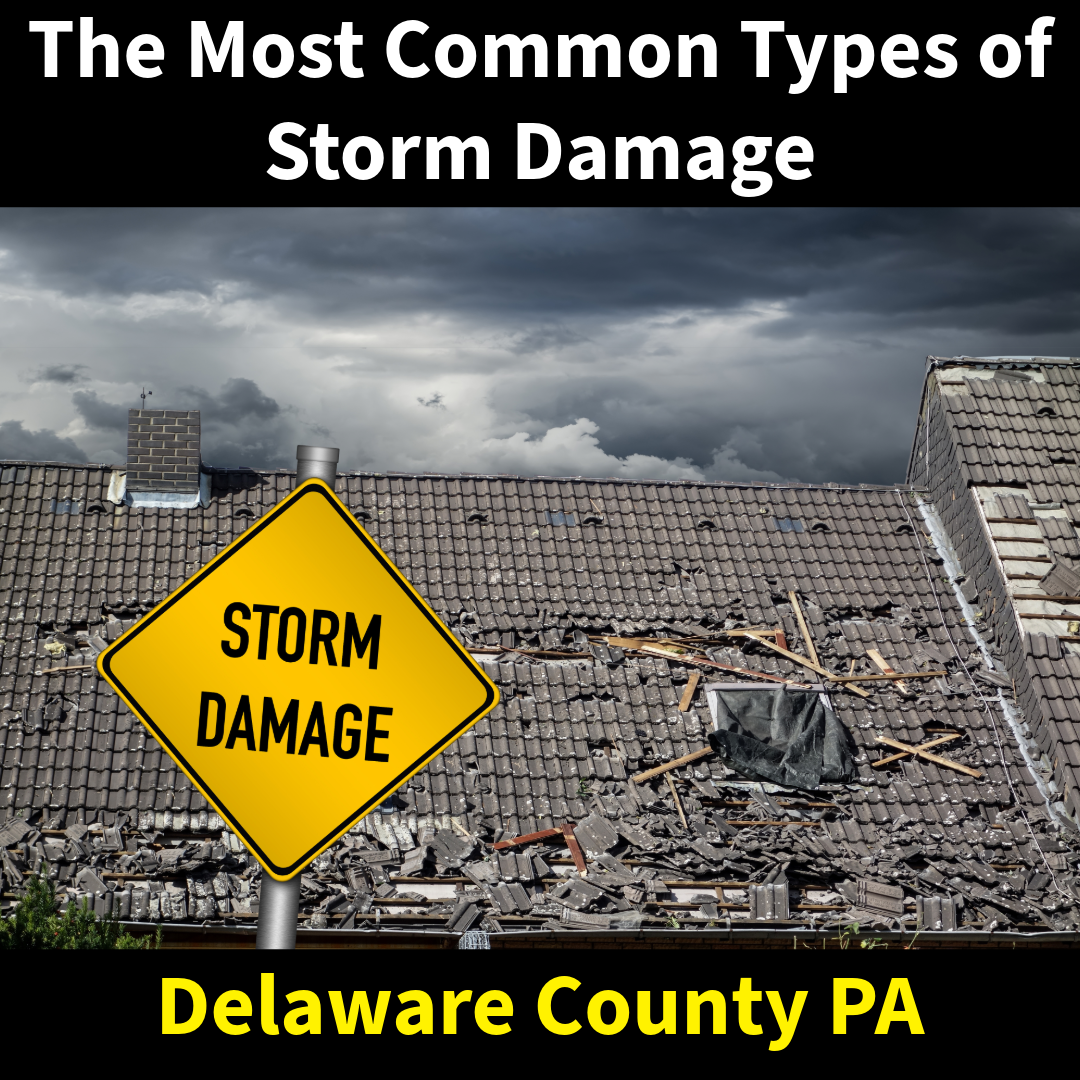
The Most Common Types of Storm Damage in Delaware County, PA

Delaware County PA, like many areas on the East Coast, is no stranger to severe weather. From heavy rainstorms to winter snowstorms, these conditions can cause significant damage to homes and businesses. Understanding the most common types of storm damage can help you prepare and act quickly if disaster strikes. Here’s an overview of the storm damage types you might encounter in Delaware County and how to protect your property.

1. Wind Damage

Strong winds are often one of the most immediate threats during storms in Delaware County. Winds of 50-70 mph (common in strong thunderstorms) can cause substantial damage to homes, trees, and power lines.

Common Issues:

  • Roof damage: Shingles, flashing, or even entire sections of a roof can be torn off.
  • Fallen trees and branches: Trees and large branches can fall on homes, vehicles, or power lines.
  • Broken windows: Flying debris or falling tree limbs can break windows, allowing rain to enter.

What to Do:

  • Trim overhanging branches regularly to reduce the risk of damage.
  • Consider installing impact-resistant windows and reinforcing your roof.

2. Flooding and Water Damage

Heavy rainfall or snowmelt often causes localized flooding, especially in areas near rivers, streams, or poor drainage zones. In Delaware County, storms can overwhelm local infrastructure, leading to water seeping into homes and businesses.

Common Issues:

  • Basement flooding: Poorly sealed foundations or backed-up sump pumps can lead to water entering basements.
  • Damaged foundations: Prolonged exposure to water can weaken the foundation, causing cracks or shifts.
  • Mold growth: Floodwater can leave damp conditions in its wake, fostering mold growth.

What to Do:

  • Ensure your sump pump is in good working condition.
  • Seal any cracks in your foundation and waterproof your basement.

3. Hail Damage

Hailstorms are a frequent cause of damage during spring and summer months in Delaware County. Hailstones can range from small pellets to golf-ball-sized chunks, and they can cause serious harm to roofs, windows, and vehicles.

Common Issues:

  • Roof damage: Hail can crack shingles, leaving your roof vulnerable to leaks.
  • Car damage: Vehicles left outdoors can suffer dents, broken windows, or damaged paint.
  • Broken windows: Hailstones can shatter glass, allowing rain to enter your home.

What to Do:

  • If a hailstorm is expected, park vehicles in a garage or sheltered area.
  • Install impact-resistant roofing to minimize hail damage.

4. Snow and Ice Damage

Winter storms can lead to dangerous conditions like heavy snow accumulation and ice. These conditions pose risks both during the storm and as they thaw, with water entering buildings and causing further problems.

Common Issues:

  • Ice dams: Ice forming along the edge of the roof can block water from draining, leading to leaks inside the home.
  • Collapsed roofs: Excess snow can accumulate on roofs, leading to a risk of collapse, especially if the snow is wet and heavy.
  • Frozen pipes: Freezing temperatures can cause pipes to burst, leading to water damage inside the home.

What to Do:

  • Regularly clear snow from your roof and gutters to prevent ice dams.
  • Insulate pipes in colder areas of your home, such as basements or attics.

5. Tree Damage

Heavy winds and rain can make trees unstable, causing them to fall onto your home or other structures. Fallen trees are especially common after intense storms or hurricanes that loosen soil or uproot trees.

Common Issues:

  • Tree falls on roof or car: A large tree can collapse onto a roof or vehicle, causing significant damage.
  • Blocked entryways: Fallen branches or entire trees can block driveways and paths, impeding access to your property.

What to Do:

  • Have trees inspected regularly, especially if they’re near your home or power lines.
  • Trim weak branches that could fall in high winds.

6. Power Outages and Electrical Damage

Severe storms can knock out power for hours or days, which can cause damage to electrical systems and appliances. Power surges, downed power lines, and flooding can lead to dangerous situations.

Common Issues:

  • Power surge damage: When power is restored after an outage, it can cause a surge that damages electrical appliances and systems.
  • Downed power lines: Fallen power lines can create fire hazards and cause electrocution risks.

What to Do:

  • Invest in a surge protector for valuable electronics.
  • Never attempt to remove downed power lines yourself—always call the utility company.

7. Storm-Related Mold Growth

Excessive moisture from flooding or a damaged roof creates the perfect conditions for mold. Mold can start growing within 24-48 hours, causing health problems and long-term damage to your property.

Common Issues:

  • Black mold: This toxic mold grows quickly in damp environments like flooded basements or attics.
  • Health issues: Mold exposure can cause respiratory problems, allergies, and other health complications.

What to Do:

  • Address any water damage or leaks immediately.
  • Consult a mold remediation specialist if you suspect mold growth.

Conclusion

Storm damage in Delaware County can range from minor inconveniences to major disasters. However, by understanding the common types of storm damage and taking preventative measures, you can reduce the risks and protect your home.

If your property has suffered storm damage, Mold Solutions & Inspections is here to help with expert restoration services. From water extraction to mold remediation, we’re ready to restore your home to its original condition.