
The Connection Between Mold and Chronic Sinus Infections

Most people think of mold as a problem that damages walls, ceilings, and basements — but the real danger is often in the air you breathe. One of the most overlooked health effects of indoor mold is its role in chronic sinus infections. If you or someone in your family deals with recurring sinus issues, mold in your home or workplace may be the hidden cause.


How Mold Affects Your Sinuses

Mold releases tiny spores that float through the air. When inhaled, these spores can irritate the lining of the nose and sinuses. Over time, constant exposure can cause inflammation that never fully heals, leaving you with:

  • Persistent congestion and runny nose
  • Headaches or facial pressure
  • Postnasal drip and sore throat
  • Recurring sinus infections that antibiotics don’t fully resolve

For people with allergies or weakened immune systems, the impact can be even more severe.


When Sinus Infections Become “Chronic”

Doctors usually define chronic sinusitis as sinus inflammation lasting 12 weeks or longer, even with treatment. Many patients cycle through multiple rounds of antibiotics with little relief. The reason? Medication can temporarily address the infection, but if mold spores are still present in your environment, the irritation and inflammation continue.


Signs Mold Could Be the Culprit

You might suspect mold is linked to your sinus problems if:

  • Symptoms worsen when you’re at home and improve when you’re away
  • You notice musty odors in certain rooms
  • You’ve had recent water damage or leaks
  • Other household members experience similar issues

What to Do If You Suspect Mold

  1. Schedule a Mold Inspection or Testing – A professional inspection can determine if mold is present and identify hidden growth.
  2. Address Water Damage Quickly – Mold thrives in damp conditions; any leak or flooding should be dried and cleaned fast.
  3. Don’t Rely on DIY Cleanups – Sprays or bleach don’t solve the problem and can make spores spread.
  4. Hire Certified Professionals – Proper containment, removal, and air filtration are critical to restoring healthy indoor air.

Protect Your Health with Professional Help

At MSI, we’ve been helping families and businesses address mold problems since 1998. Our certified team provides thorough inspections, safe removal, and expert guidance to restore both your property and your indoor air quality.

If you’re dealing with stubborn sinus issues that just won’t go away, it may be time to look beyond medicine and check your environment.

Call MSI today at 215-339-1769 to schedule a mold inspection and take the first step toward breathing easier.
Types of Mold Testing: Part 3 — Bulk Sampling Explained

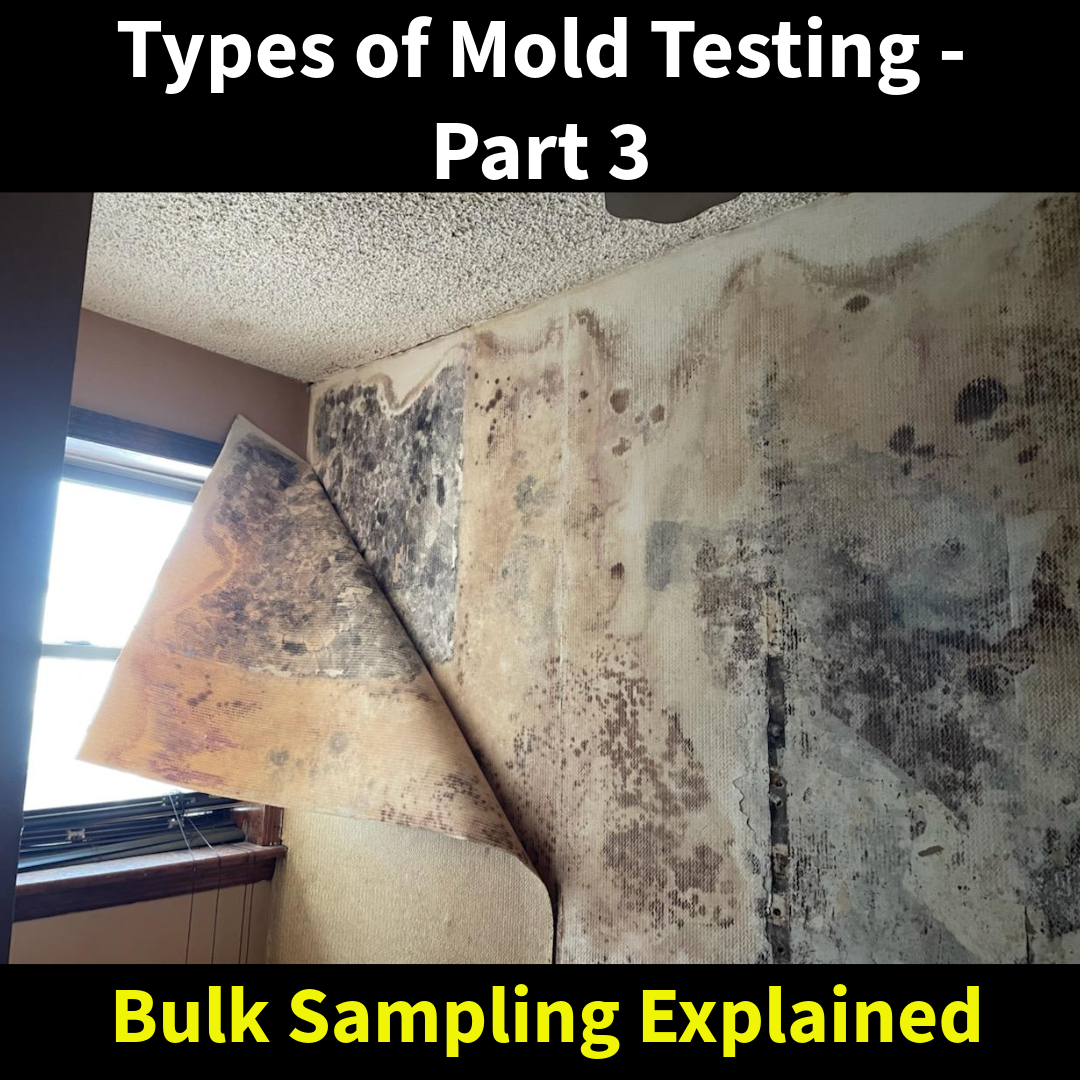
When it comes to mold testing, there isn’t a one-size-fits-all method. In our earlier posts, we covered air sampling and surface sampling, both of which are useful for detecting airborne spores and identifying mold growth on visible surfaces. But what if the concern runs deeper — inside the actual building materials? That’s where bulk sampling comes in.

What Is Bulk Sampling?

Bulk sampling involves physically removing a portion of a material suspected of mold contamination — such as a piece of drywall, insulation, wood, or carpet — and sending it to a laboratory for analysis. Unlike air testing, which measures spores in the environment, or surface testing, which captures mold directly from a wall or countertop, bulk sampling provides direct evidence of what’s inside the material itself.

How the Process Works

  1. Selection of the Sample Area – A certified inspector identifies the material most likely to show contamination. This might be drywall around a window leak, flooring in a basement, or insulation inside a wall cavity.
  2. Careful Removal – A small section of the material is cut out using sterile tools. It must be handled carefully to avoid cross-contamination.
  3. Sealed for Transport – The sample is placed in a sterile container or bag and labeled with the exact location it came from.
  4. Laboratory Analysis – At the lab, technicians examine the material under a microscope and may perform cultures to identify the exact type of mold and the extent of colonization.
  5. Report & Interpretation – The results are compared against industry standards and presented in a clear report that homeowners, insurance adjusters, or even courts can understand.

Why Bulk Sampling Matters

Bulk sampling is not always necessary, but when it is, it can be the deciding factor in serious cases:

  • Insurance & Legal Disputes – A homeowner claiming hidden water damage or a tenant alleging unsafe living conditions often needs indisputable proof. A piece of mold-infested drywall carries far more weight than air readings alone.
  • Remediation Decisions – Sometimes materials can be cleaned and salvaged. Other times, replacement is unavoidable. Bulk sampling helps make that call with certainty.
  • Health & Safety – If mold is inside porous materials, it can continue spreading even if the surface looks clean. This test reveals contamination most people can’t see.

A Real-World Scenario

Consider a homeowner who notices a musty odor in their finished basement but sees no visible mold. Air samples show elevated spore counts, but the insurance company questions the source. During inspection, we identify staining on a small section of drywall near the baseboard. A bulk sample is collected and sent to the lab, which confirms active mold growth within the gypsum core. This undeniable evidence proves the presence of hidden contamination, helping the homeowner secure coverage for full remediation.

Pros & Cons of Bulk Sampling

Pros:

  • Conclusive, physical evidence of contamination.
  • Strong documentation for lawsuits, insurance claims, and disclosure cases.
  • Guides clear remediation decisions.

Cons:

  • Destructive — requires cutting into building materials.
  • Limited to the exact spot tested, meaning other areas may still need further investigation.
  • More time-intensive than surface swabs.

Final Thoughts

Bulk sampling may not be needed for every project, but when legal, insurance, or health questions arise, it can be the most powerful tool in mold testing. With over 27 years of experience, MSI has performed thousands of tests and has been called upon as an expert witness in countless disputes. Our team knows when bulk sampling is the right step — and how to use it to give homeowners the clarity they need.

Is a Mold Inspection Worth It?

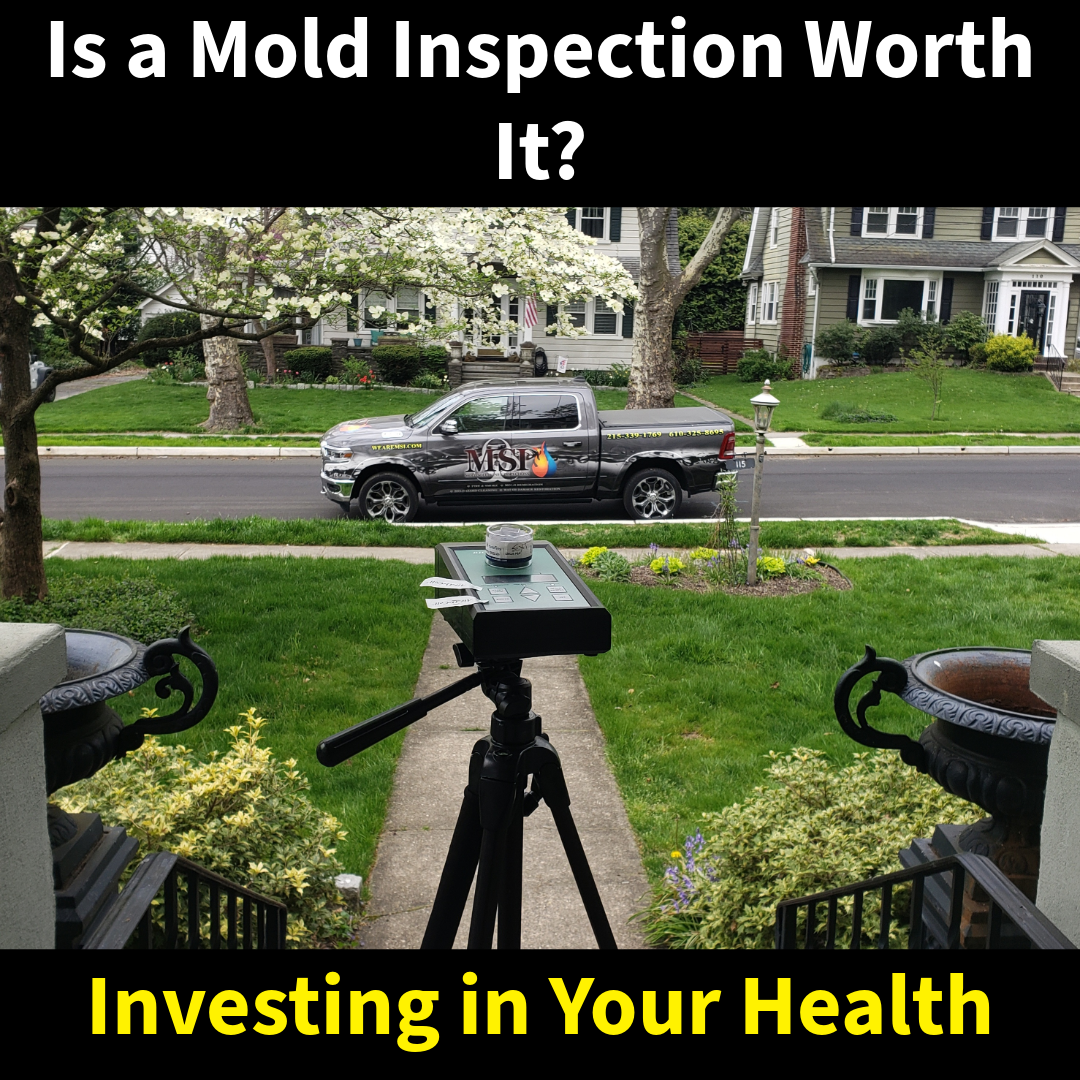
When it comes to safeguarding your home and health, few things are as important as ensuring a mold-free environment. Mold is not just an unsightly problem; it can cause serious structural damage and pose significant health risks. At Mold Solutions & Inspections, we often hear the question, “Is a mold inspection really worth it?” The short answer is yes, and here’s why.

Understanding the Risks of Mold

Mold thrives in damp environments and can grow unnoticed behind walls, under flooring, and in HVAC systems. Left untreated, mold can:

  • Damage Your Property: Mold feeds on organic materials like wood and drywall, potentially leading to costly repairs.
  • Affect Your Health: Exposure to mold can cause respiratory issues, allergic reactions, and worsen asthma or other pre-existing conditions.
  • Lower Property Value: Homes with mold issues can become difficult to sell or rent.

What Happens During a Mold Inspection?

A professional mold inspection is a thorough evaluation of your property to identify mold growth and the conditions that allow it to thrive. At Mold Solutions & Inspections, our process includes:

  1. Visual Assessment: We inspect for visible signs of mold, water damage, and moisture issues.
  2. Moisture Mapping: Using advanced tools, we pinpoint areas of high humidity and hidden water intrusion.
  3. Air and Surface Sampling: Lab testing of samples determines the type and concentration of mold present.
  4. Detailed Report: We provide a comprehensive report with findings and recommendations for remediation if needed.

Benefits of a Mold Inspection

  1. Peace of Mind: Knowing the condition of your property ensures you’re making informed decisions.
  2. Early Detection: Identifying mold early can prevent minor issues from becoming major (and costly) problems.
  3. Tailored Solutions: Professional inspectors, like the team at Mold Solutions & Inspections, provide customized remediation plans based on your property’s unique needs.
  4. Compliance: If you’re buying, selling, or renting a property, inspections ensure you’re meeting legal and safety standards.

When Should You Get a Mold Inspection?

  • After Water Damage: Leaks, floods, or plumbing issues create ideal conditions for mold growth.
  • Before Buying or Selling a Home: A mold inspection can protect your investment.
  • If You Notice Symptoms: Musty odors, visible spots, or unexplained health symptoms may indicate mold.
  • Routine Maintenance: Periodic inspections help catch problems before they escalate.

Why Choose Mold Solutions & Inspections?

Mold Solutions & Inspections is your trusted partner in mold testing and remediation. Our team combines expertise with state-of-the-art technology to deliver accurate results and effective solutions. We prioritize your safety and satisfaction, ensuring your home or business remains healthy and mold-free.

Conclusion

A mold inspection is an investment in your property and well-being. With potential risks to health, home value, and repair costs, the benefits of a professional inspection far outweigh the expense. If you’re concerned about mold in your property, contact Mold Solutions & Inspections today. Let us help you protect what matters most.