How Seasonal Changes Affect Indoor Air Quality

As temperatures shift, many homeowners focus on keeping their homes comfortable — sealing windows, adjusting thermostats, and using heating or cooling systems more often. What most people don’t realize is that these seasonal changes can have a major impact on indoor air quality, often trapping pollutants, allergens, and moisture that affect both health and comfort.

The Winter Problem: Sealed Homes and Stale Air

When cold weather hits, windows stay closed, and ventilation decreases. While that keeps warmth in, it also traps contaminants like dust, pet dander, and volatile organic compounds (VOCs) from cleaning products or furniture.
Heating systems can worsen the issue by circulating old air through dusty ducts and filters, leading to respiratory irritation, headaches, and fatigue — especially in homes with inadequate filtration or high humidity levels.

Spring and Summer: Humidity and Mold Growth

As outdoor humidity rises, so does the risk of moisture buildup indoors. Basements, crawl spaces, and attics are especially vulnerable. Warm, damp air encourages mold and bacteria growth, which can spread through HVAC systems and lower overall air quality.
Even air conditioning systems can contribute to the problem if condensation builds up on coils or inside ducts. Regular maintenance and dehumidification become crucial during these months.

Fall: The Overlooked Transition Season

Fall is when air quality problems often start quietly. Temperature swings cause condensation in walls, attics, and windows, and as heating systems kick on for the first time, they stir up dust and dormant allergens. Homeowners who haven’t replaced filters or cleaned vents since summer often notice an uptick in allergy symptoms right around this time.

How to Protect Your Home Year-Round

Keeping indoor air healthy isn’t complicated — it just requires consistent awareness and maintenance.

✅ Replace HVAC filters every 1–3 months depending on use and household size
✅ Keep humidity between 40–50% to discourage mold and bacteria
✅ Schedule professional duct or air quality testing if odors or respiratory symptoms appear
✅ Clean and inspect attic, basement, and crawl space areas before seasonal changes
✅ Use proper ventilation when painting, cleaning, or remodeling

Breathing Easier All Year Long

Every season presents different challenges for indoor air quality, but they all share one common theme — when air stops moving and moisture builds, contaminants multiply. Understanding how seasonal shifts affect your home helps you stay proactive rather than reactive.

MSI provides professional environmental testing and restoration services throughout Pennsylvania, New Jersey, and Delaware, helping homeowners keep their properties clean, safe, and healthy year-round.
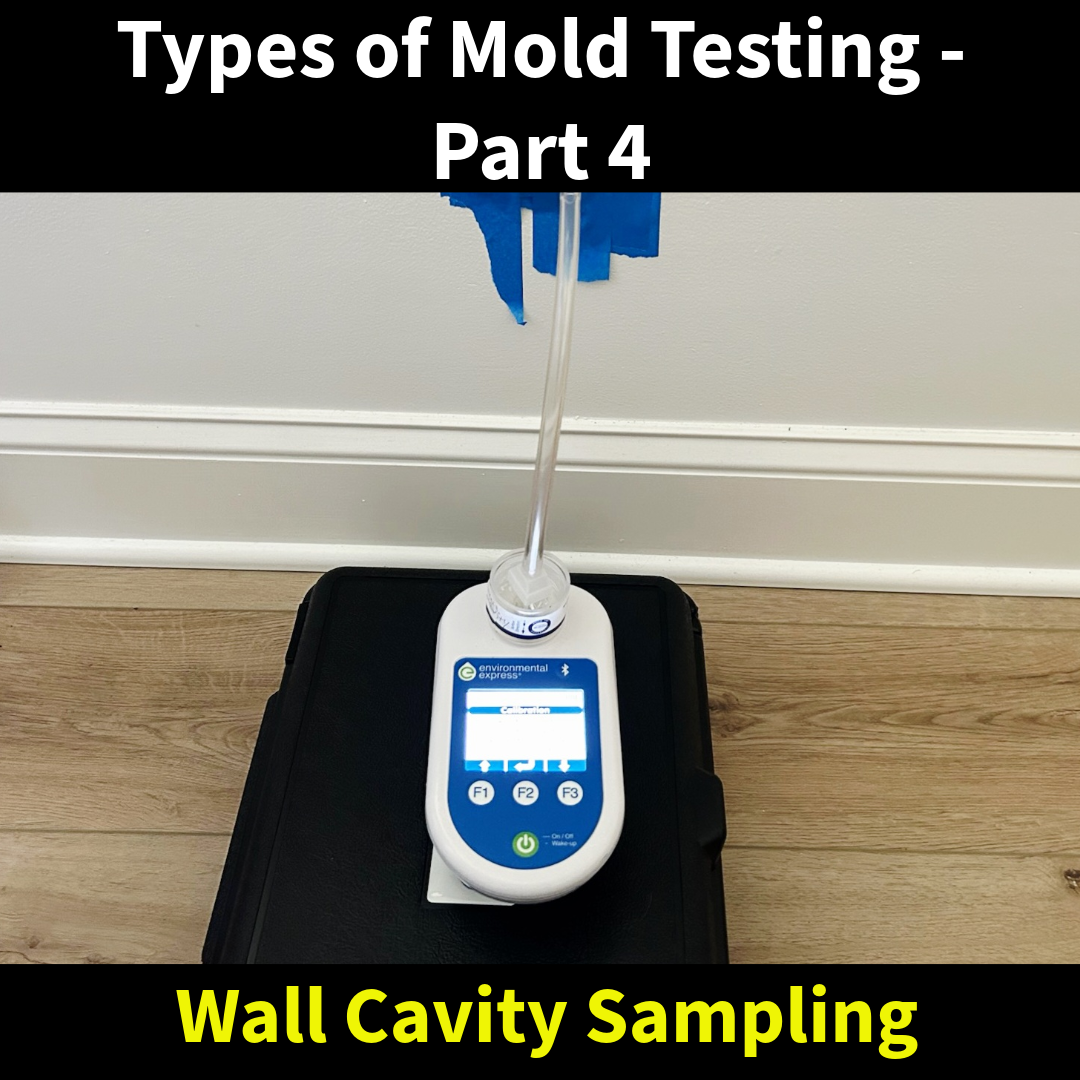
Types of Mold Testing: Part 4 – Wall Cavity Testing

Not all mold problems grow in plain sight. Some of the most damaging infestations hide inside walls, under floors, or behind cabinets. These hidden areas stay damp long after a leak or flood, creating perfect conditions for mold growth. That’s why inspectors often use inner-wall cavity testing to confirm whether mold is present where you can’t see it.

How Cavity Testing Works

  • A trained inspector drills a small, discreet hole into the wall or ceiling near the suspected area.
  • A sterile tube or cassette is inserted to pull an air sample from inside the cavity.
  • The sample is sent to a certified laboratory, where spore counts are compared to baseline indoor and outdoor levels.

This process gives a direct look at what’s happening behind the surface — without having to tear down entire sections of drywall.

When It’s Used

  • Insurance Claim Disputes: Homeowners are often told “no visible damage, no problem.” Cavity testing can prove hidden mold exists and help validate claims.
  • Follow-Up to Positive Tests: If a surface or air sample in the room already showed elevated spores, cavity testing helps confirm whether mold is also thriving behind the walls.
  • Suspected Leaks: When there’s a history of plumbing issues, roof leaks, or water intrusion but no obvious staining, cavity testing can identify hidden moisture damage.
  • Mystery Odors: A persistent musty smell is often the first clue that mold is active behind finished surfaces.

Why It Matters

Mold hidden inside walls can spread unchecked for months, making remediation more invasive and expensive. By detecting the problem early, inner-wall cavity testing provides homeowners with clear answers — and the documentation they need when dealing with insurance companies, landlords, or contractors.

Protect Your Property with Expert Mold Testing

If you suspect hidden mold in your home or business, don’t wait for the damage to spread. At MSI, we use industry-standard testing methods, including cavity sampling, to uncover mold where it hides and provide you with a clear plan for remediation.

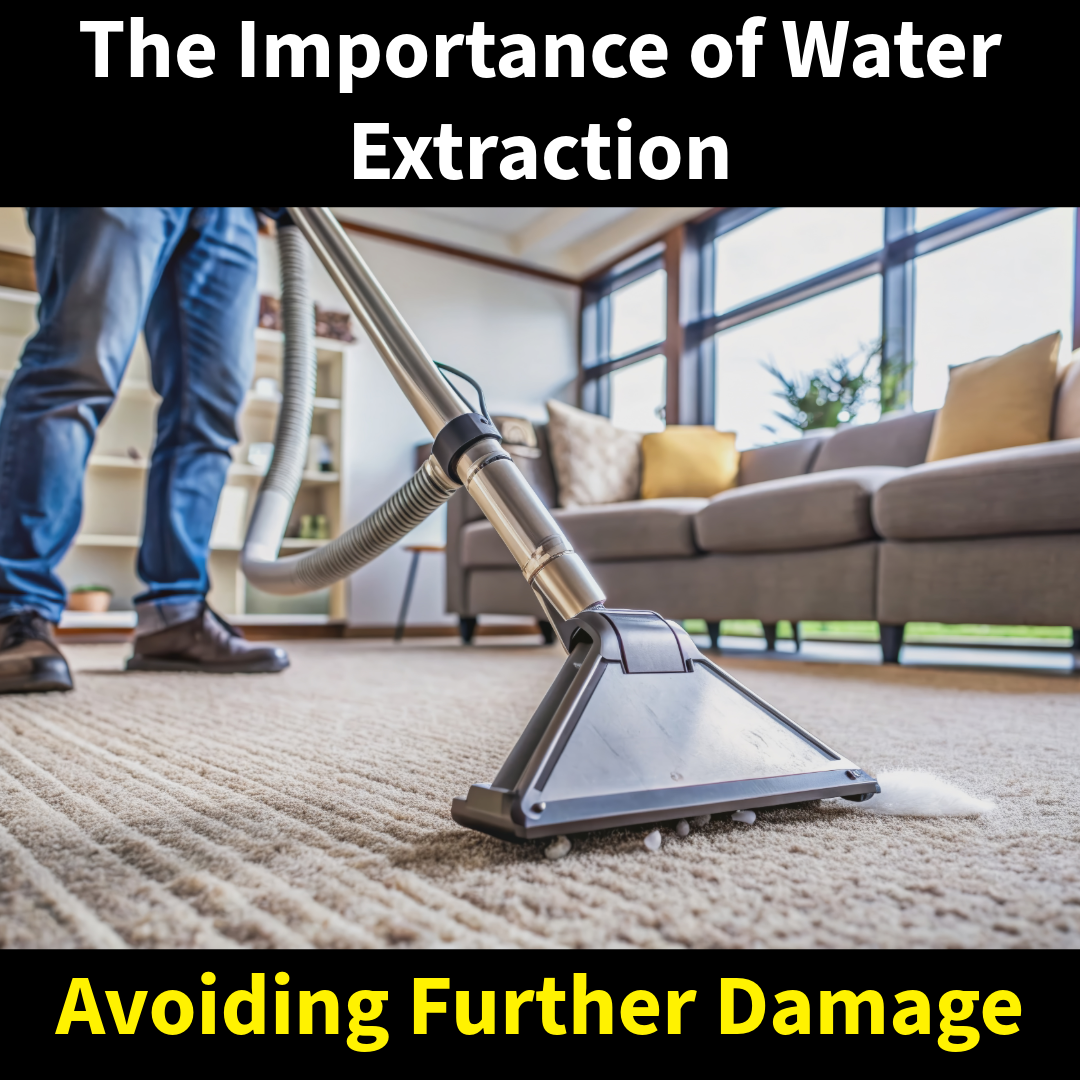
The Importance of Water Extraction

When it comes to water damage restoration, one of the most critical steps is water extraction. Prompt and effective water removal can significantly reduce the extent of damage to your property and prevent further issues, such as mold growth. In this blog, we’ll discuss what water extraction is, its importance, and the process involved.

What is Water Extraction?

Water extraction is the process of removing standing water from a property following a water damage event. This can result from various sources, including flooding, burst pipes, or appliance leaks. The goal of water extraction is to eliminate as much water as possible to minimize damage and set the stage for effective drying and restoration.

Why is Water Extraction Important?

  1. Prevents Structural Damage: Standing water can weaken structural elements of your home, such as walls, floors, and foundations. Prompt extraction helps maintain the integrity of your property.
  2. Reduces Mold Growth: Mold can begin to develop within 24 to 48 hours after water exposure. Efficient water extraction reduces moisture levels, helping to prevent mold and mildew infestations.
  3. Improves Air Quality: Excess moisture can lead to poor indoor air quality and health issues. By removing water quickly, you can help ensure a healthier living environment.
  4. Minimizes Loss of Personal Belongings: The longer water remains, the more likely personal items and furnishings will be damaged. Swift extraction can save your valuables from irreparable harm.
  5. Facilitates the Restoration Process: Water extraction is a crucial first step in the overall restoration process, allowing other recovery efforts, like drying and sanitizing, to proceed more effectively.

The Water Extraction Process

  1. Assessment: A professional will assess the damage, determining the extent of the water intrusion and identifying the source.
  2. Water Removal: Using specialized equipment like submersible pumps and wet vacuums, professionals will remove standing water quickly and efficiently.
  3. Drying: After extraction, high-powered fans and dehumidifiers are used to dry out the affected areas, ensuring no moisture remains in walls, floors, or other materials.
  4. Cleaning and Sanitizing: The final step involves cleaning and disinfecting to eliminate bacteria and prevent mold growth.

Conclusion

Water extraction is a vital part of the water damage restoration process. Acting quickly and effectively can save your home from significant damage and help restore it to its pre-loss condition. Some water damage restoration companies do not have the appropriate equipment and training, thusly leaving wet materials behind and mold to grow at a later date. Be sure to do your due diligence when hiring a water damage restoration company, as poor workmanship and over billing can lead to massive issues down the road.

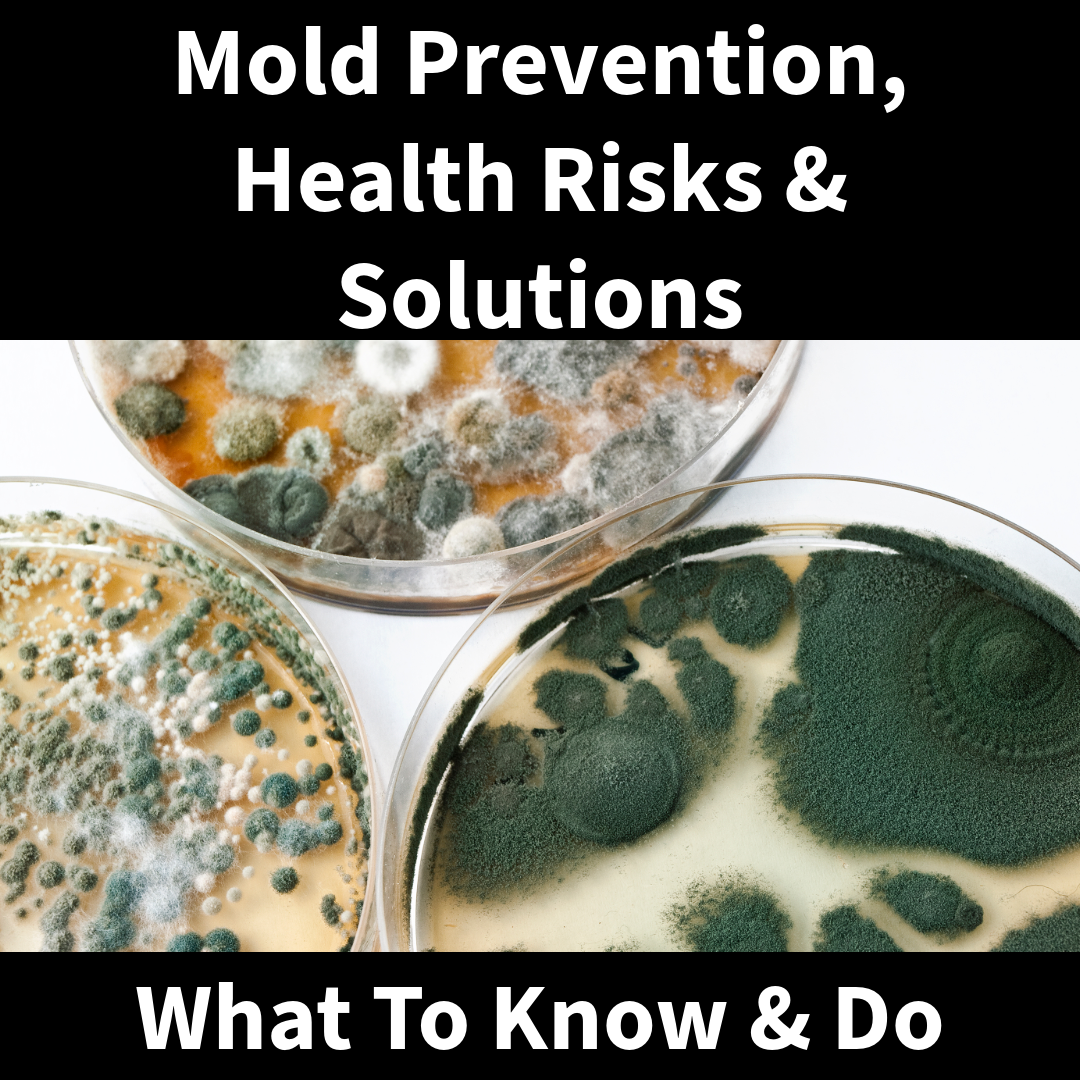
Mold Prevention, Health Risks, and Solutions

Mold is a common yet troublesome issue for any home or business owner. Understanding mold, its effects, and how to manage it can save you from health problems, costly repairs and downtime from running your business. This quick guide covers essential information about mold, including what it is, why it grows, and how to prevent and address it effectively.

What is Mold?

Mold is a type of fungus that thrives in moist environments. It reproduces through tiny spores that float in the air and settle on damp surfaces. Common types of mold include:

  • Aspergillus/Penicillium 
  • Cladosporium
  • Chaetomium 
  • Stachybotrys (Black Mold)

These molds can grow on various materials like wood, paper, and fabric when conditions are right.

How Does Mold Grow?

For mold to thrive, it requires three primary conditions:

  1. Moisture: Mold needs water to grow. Common sources of moisture include leaks, high humidity, and poor ventilation.
  2. Organic Material: Mold feeds on organic substances. Common household items such as wood, drywall, and fabric can provide a food source.
  3. Temperature: Mold grows best in warm environments, though it can also survive in cooler conditions.

Health Risks Associated with Mold

Exposure to mold can cause a range of health issues, particularly for individuals with allergies or respiratory conditions. Potential health effects include:

  • Allergic Reactions: Symptoms such as sneezing, itchy eyes, and runny nose.
  • Respiratory Problems: Coughing, wheezing, and difficulty breathing.
  • Skin Irritations: Rashes and itching.

In severe cases, mold can lead to chronic respiratory conditions and infections. It’s important to address mold problems promptly to minimize health risks.

How to Prevent Mold Growth

Preventing mold involves controlling moisture and maintaining a clean environment. Follow these tips to keep mold at bay:

  1. Control Indoor Humidity: Use dehumidifiers and air conditioners to maintain humidity levels below 60%.
  2. Fix Leaks: Repair any leaks in roofs, pipes, or walls immediately to prevent water accumulation.
  3. Ventilate Properly: Ensure good ventilation in areas like bathrooms and kitchens to reduce moisture buildup.
  4. Clean and Dry: Promptly clean and dry any spills or leaks within 24-48 hours.
  5. Regular Inspections: Check areas prone to moisture, such as basements and attics, for signs of mold growth.

How to Remove Mold

If you discover mold in your home, it’s essential to address it promptly. Here’s a basic guide to mold removal:

  1. Small Areas: For minor mold issues, clean affected areas with a mixture of water and detergent. Use protective gear like gloves and a mask.
  2. Large Areas: For extensive mold growth, it’s best to consult a professional mold remediation service. They have the expertise and equipment to handle large infestations safely and effectively.

Conclusion

Understanding mold and taking proactive measures to prevent its growth can protect your home and health. By controlling moisture, maintaining proper ventilation, and addressing issues quickly, you can minimize the risk of mold and its associated problems. For persistent or severe mold issues, seek professional help to ensure a thorough and effective remediation process.