A Flooded Basement in Doylestown, PA: A Real Emergency Response

Homeowners are often told that help is only a phone call away when water damage strikes. Unfortunately, that isn’t always the case.

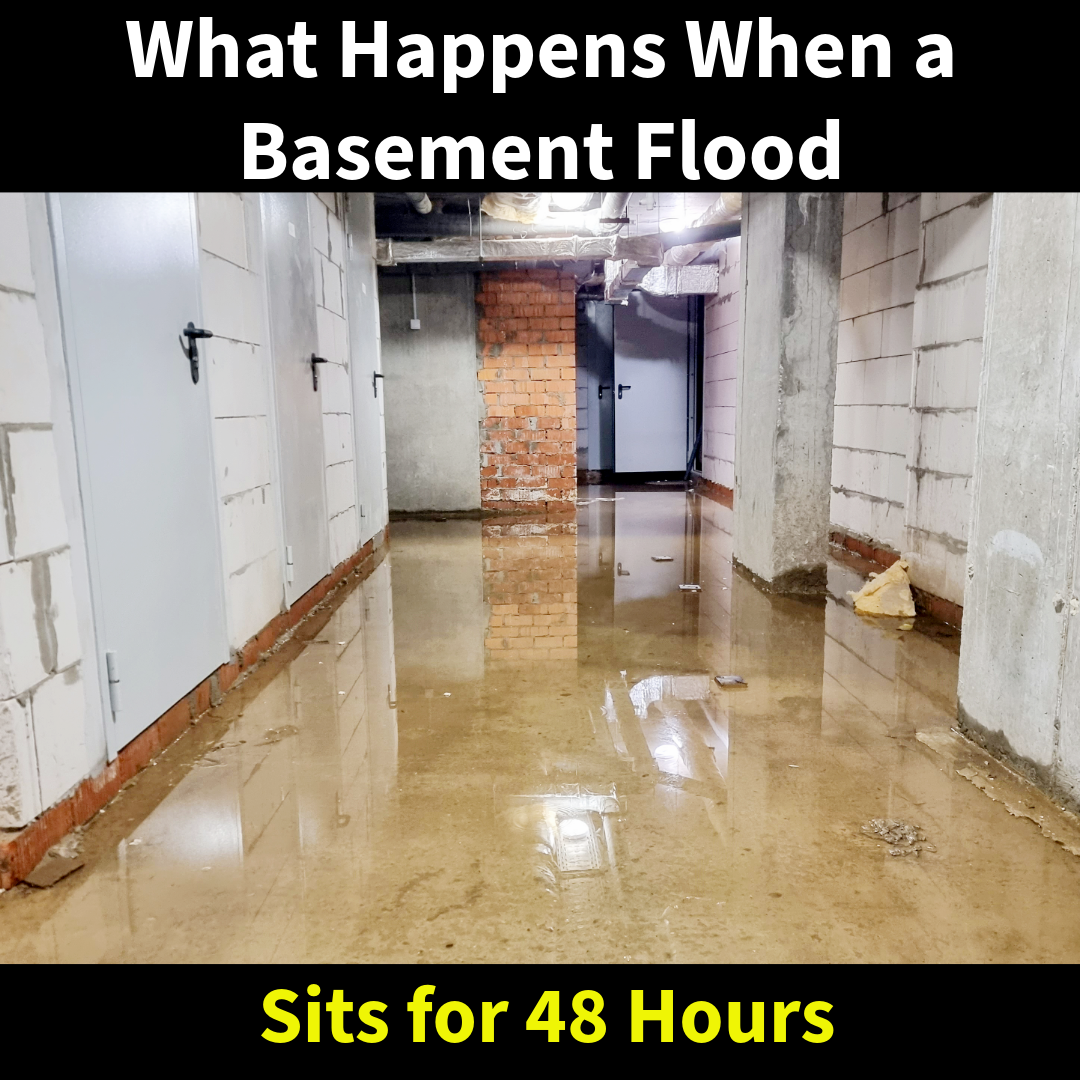
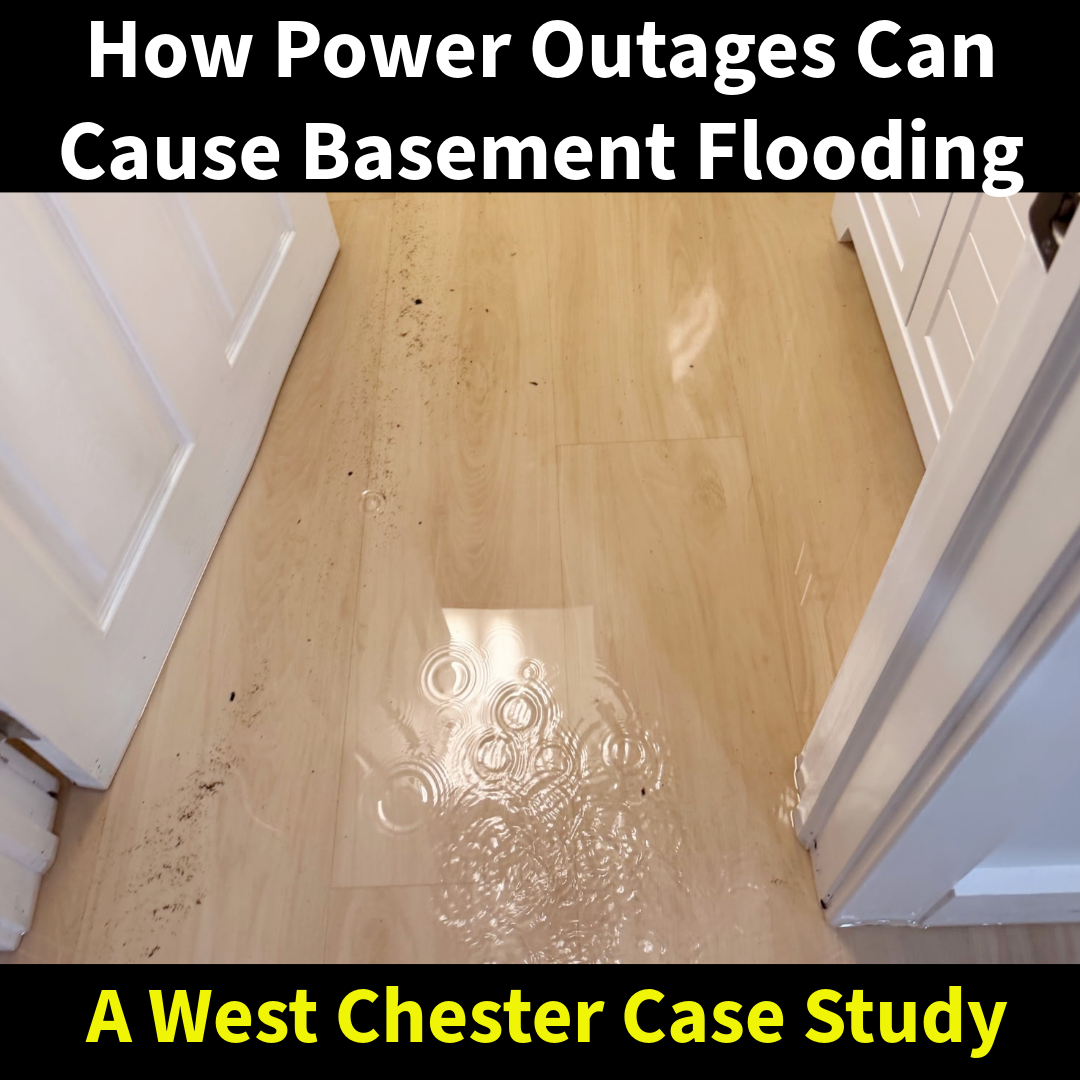
Recently, a homeowner in Doylestown, PA experienced a flooded basement after a supply line burst. What followed is a situation we see far too often — multiple companies advertising “emergency water damage restoration,” but no one actually provides the service they claim.


As water continued to spread through the basement, the homeowner began calling local companies that claimed to offer emergency water damage services. Three different companies told her they could not come out that day, or that it would be many hours before anyone could respond.

By that point, frustration had set in. Water damage is stressful enough on its own, and being told repeatedly that help isn’t available only makes the situation worse. When she finally contacted our team, we responded immediately. Despite a 45-minute drive, we arrived within an hour and a half and began addressing the situation right away.


Upon arrival, our priority was to stabilize the loss. We extracted the standing water, removed damaged materials, and began proper structural drying of the basement. Quick response matters in water damage situations. The longer moisture remains in building materials, the greater the risk of secondary damage, including mold growth and structural deterioration.


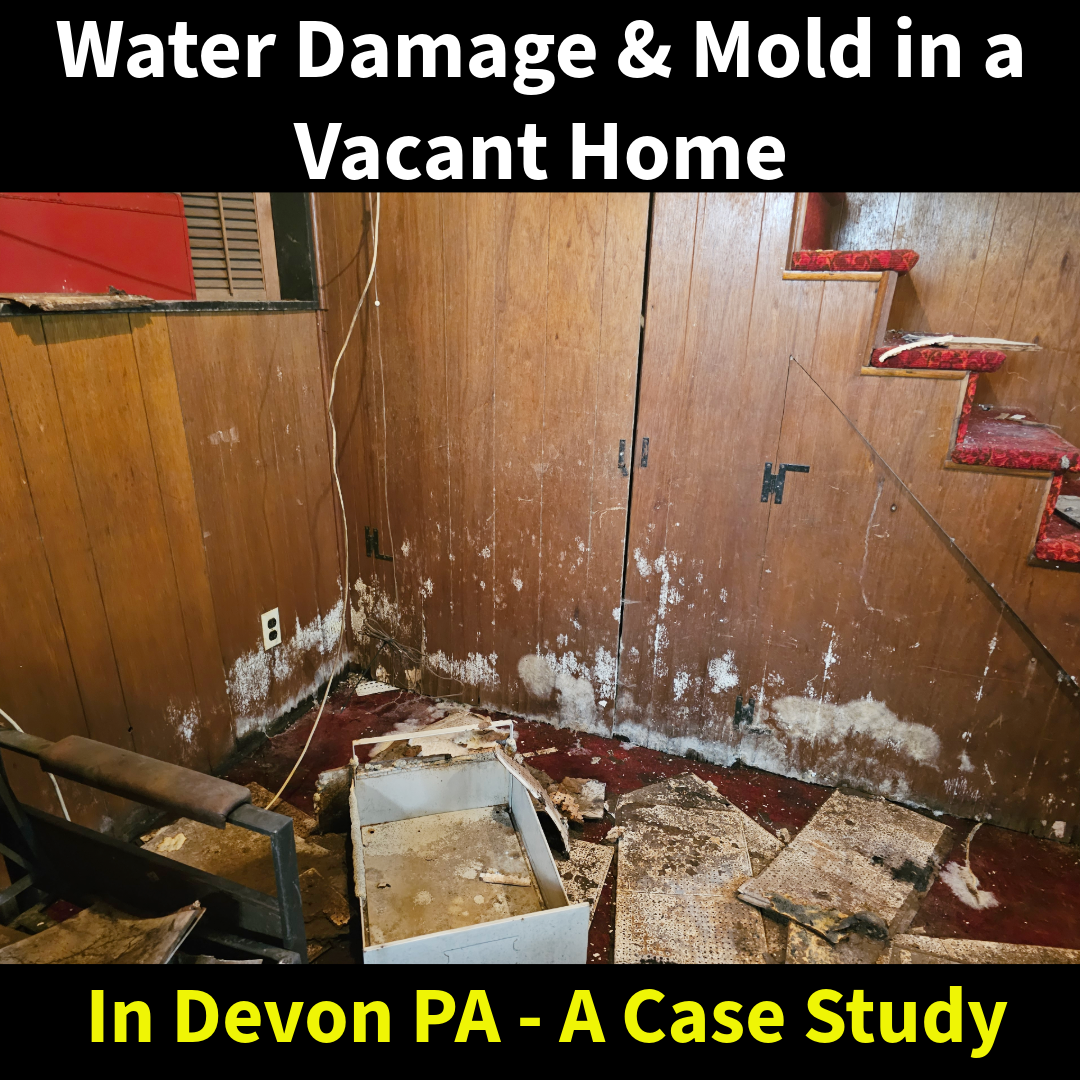
As drying progressed, we discovered hidden mold growth that had not been disclosed during the home’s sale. The homeowner had mentioned that she often felt unwell when spending time in the basement, and the presence of mold helped explain those symptoms.

This is not uncommon in basements that have experienced past moisture issues that were never properly addressed. Mold is frequently hidden behind finished walls, flooring, or insulation and may not be visible or noticeable without a thorough evaluation.


In addition to the mold, we identified poor electrical lines and unsafe connections in the basement. These conditions posed a potential fire hazard, especially in an area that had just been exposed to water. Water damage often reveals problems unrelated to the original loss. Addressing these issues early can prevent much more serious problems down the road.


Another major source of stress for the homeowner was insurance. She had no idea that the damage from the burst supply line could be covered under her policy. We explained the process, helped her document the loss properly, and assisted her in filing the claim. The claim was approved, and she was ultimately paid for both the remediation work and the reconstruction. Understanding what is and isn’t covered can make a significant difference in how a homeowner experiences a loss.


What began as an extremely frustrating situation — with no companies able to respond — turned into a manageable experience once the right team became involved. Water damage is always stressful, but having someone take responsibility for the process, explain each step, and help carry the loss through to a paid-out claim can make a major difference for homeowners.

This Doylestown case is a good reminder that not all “emergency services” are actually available when emergencies happen, and that fast response, thorough evaluation, and proper documentation matter just as much as the cleanup itself.

The 3 Categories of Water Damage: What You Should Know

Not all water damage is created equal. When water enters your home, the source and level of contamination determine how dangerous it is — and how it should be handled. In the restoration industry, we classify water into three categories. Knowing the difference is crucial for your health and your home.

Category 1 – Clean Water
This is water from a clean source, like a broken pipe, a leaking faucet, or rainwater.

  • Typically safe if addressed quickly.
  • If left untreated, it can degrade into Category 2 or 3.
  • Still requires professional drying to prevent mold growth.

Category 2 – Gray Water
This water is contaminated and may cause illness or discomfort.

  • Sources include washing machines, dishwashers, or toilet overflows without solid waste.
  • Contains bacteria and chemicals that pose health risks.
  • Requires proper protective equipment and disinfecting measures during cleanup.

Category 3 – Black Water
The most hazardous category of water.

  • Includes sewage, floodwater from rivers/streams, and water from backed-up toilets with feces.
  • Contains harmful pathogens, toxins, and biohazards.
  • Requires full protective gear and often removal of affected materials like carpet, drywall, and insulation.

Why the Category Matters
Each category of water damage requires different safety protocols, equipment, and procedures. What might seem like a minor issue can become a serious health hazard if misjudged or ignored.

Don’t Guess — Call the Experts
At MSI, we don’t just remove water — we assess the situation, determine the water category, and ensure your home is restored safely and completely. Your health depends on it. Whether you’re dealing with a leaking appliance or a sewage backup, knowing what kind of water you’re dealing with is the first step to protecting your home and your family. MSI is here 24/7 to help you navigate the mess safely and professionally.