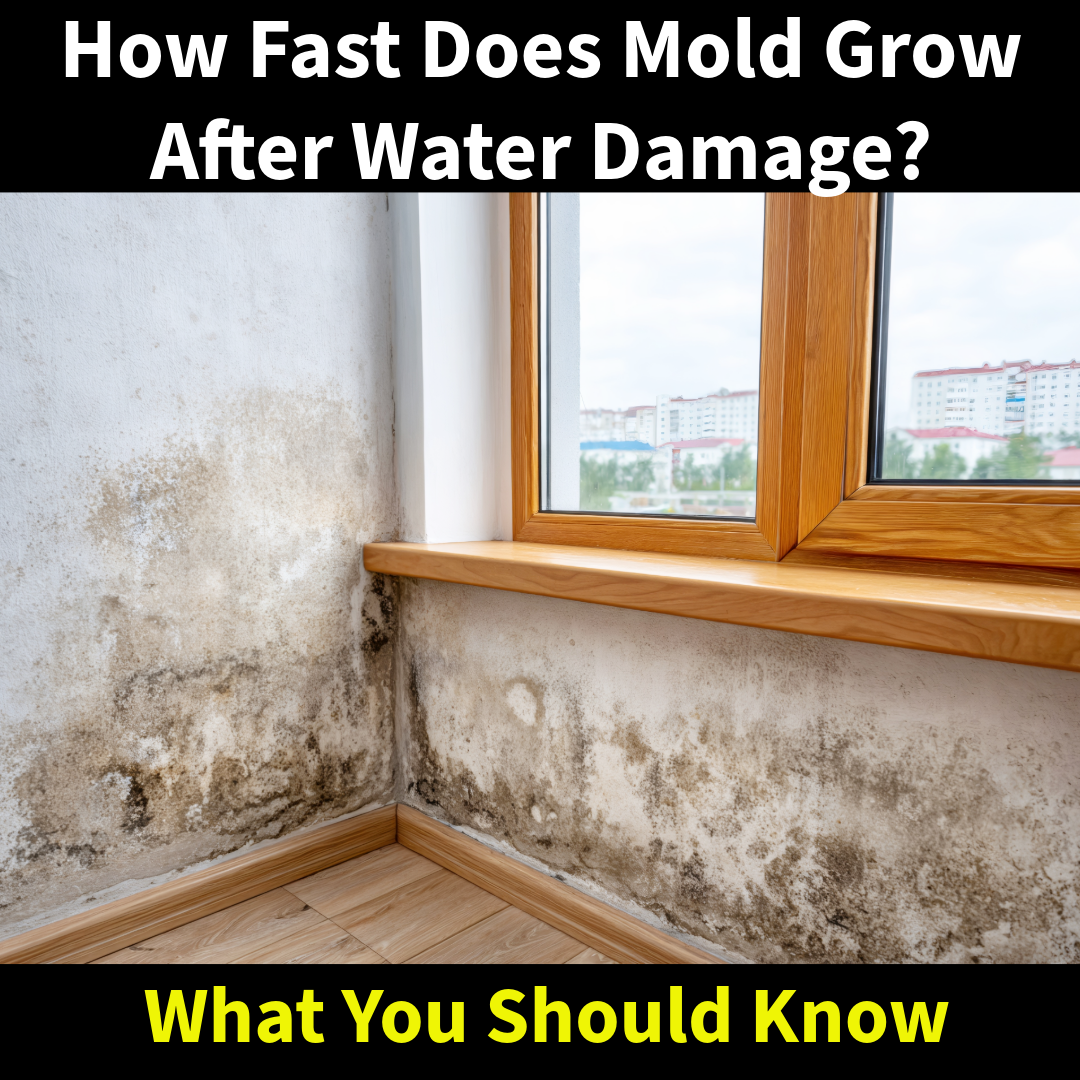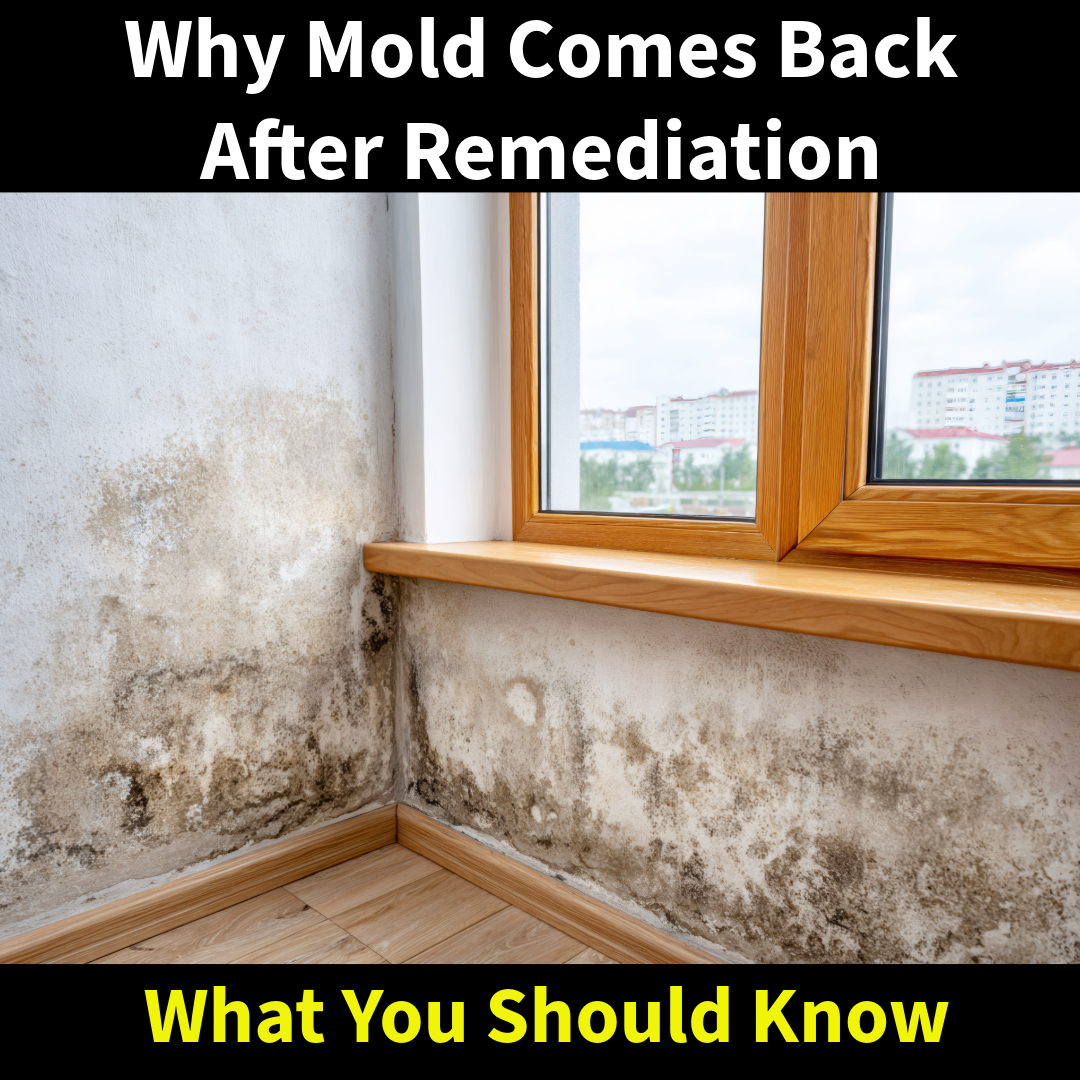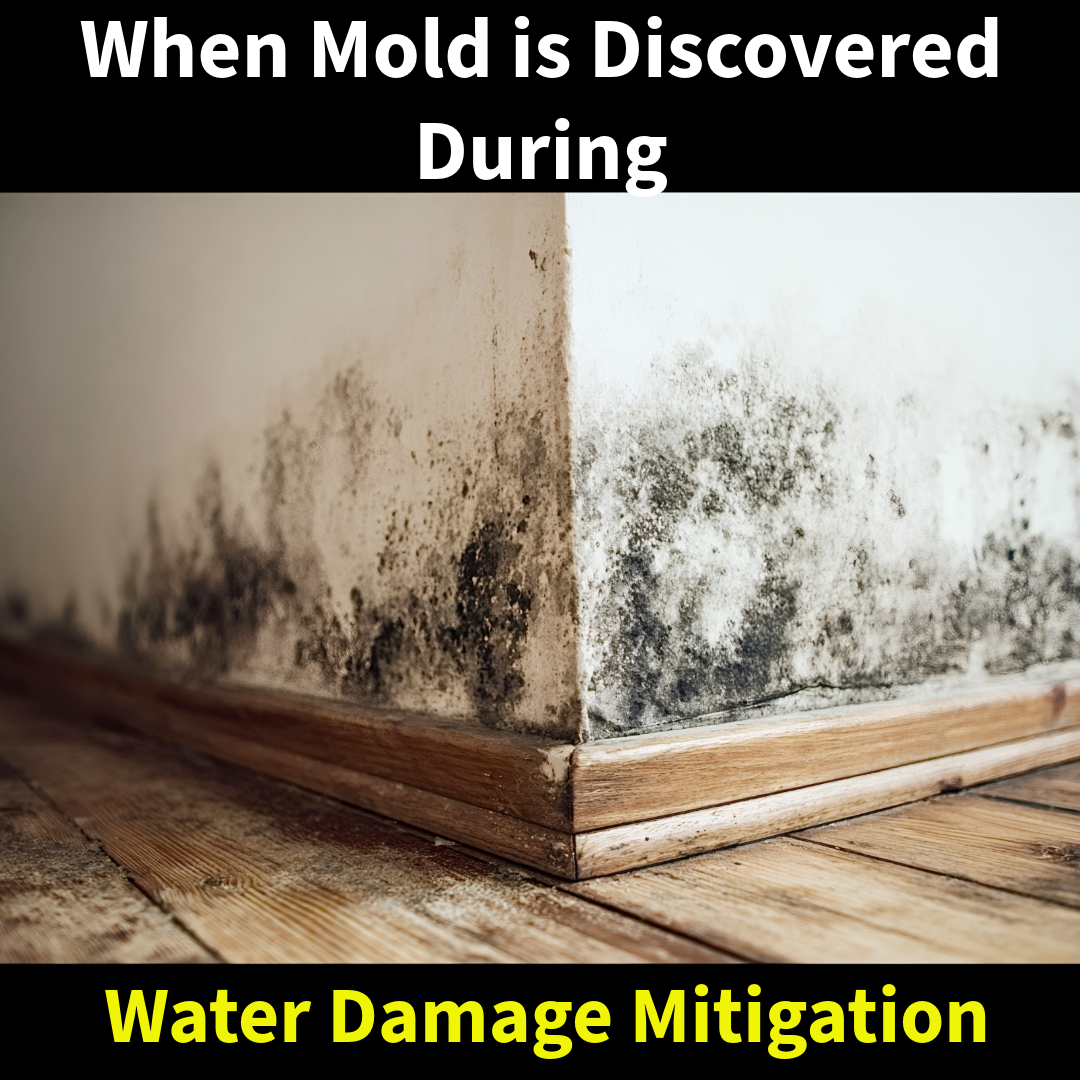
When most people think about mold, they immediately think of “black mold” and assume it is the only type that poses a risk. In reality, this is one of the most common misconceptions we encounter during inspections.
The truth is, all mold should be taken seriously, not just so-called “black mold.”
What People Mean by “Black Mold”
The term “black mold” is commonly used to describe Stachybotrys, a type of mold that can grow on materials like drywall, wood, and insulation when they remain wet for extended periods of time. While Stachybotrys has received a lot of attention, it is just one of many types of mold that can be found in a home.
Other common molds we encounter include:
- Aspergillus
- Penicillium
- Cladosporium
These can develop much more quickly and are often found after water damage, humidity issues, or hidden moisture problems.
Why All Mold Matters
Mold growth indoors is always an indication of a moisture problem. Regardless of the type, mold can:
- Impact indoor air quality
- Spread throughout affected areas
- Damage building materials
- Continue growing if the moisture source is not corrected
Focusing only on “black mold” can cause homeowners to overlook other types of contamination that may be just as significant.
Color Doesn’t Determine Severity
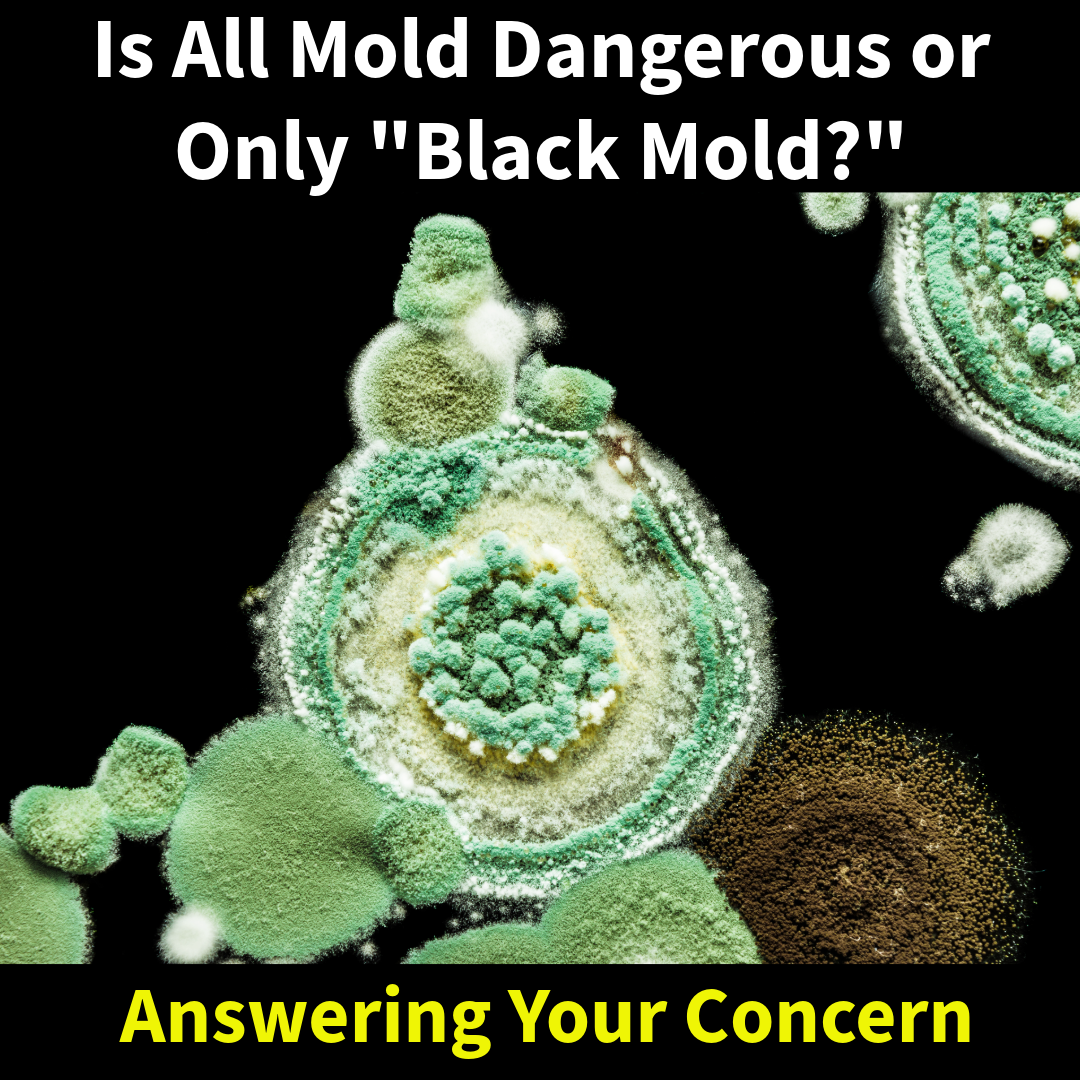
One of the biggest misunderstandings is that the color of mold determines how dangerous it is.
Mold can appear:
- Black
- Green
- White
- Gray
The appearance alone does not determine the level of concern. Proper identification requires inspection, and in some cases, sampling to understand what is actually present.
The Real Issue Is Moisture
The most important factor in any mold situation is not the type or color — it is the source of moisture that allowed the mold to grow.
Common causes include:
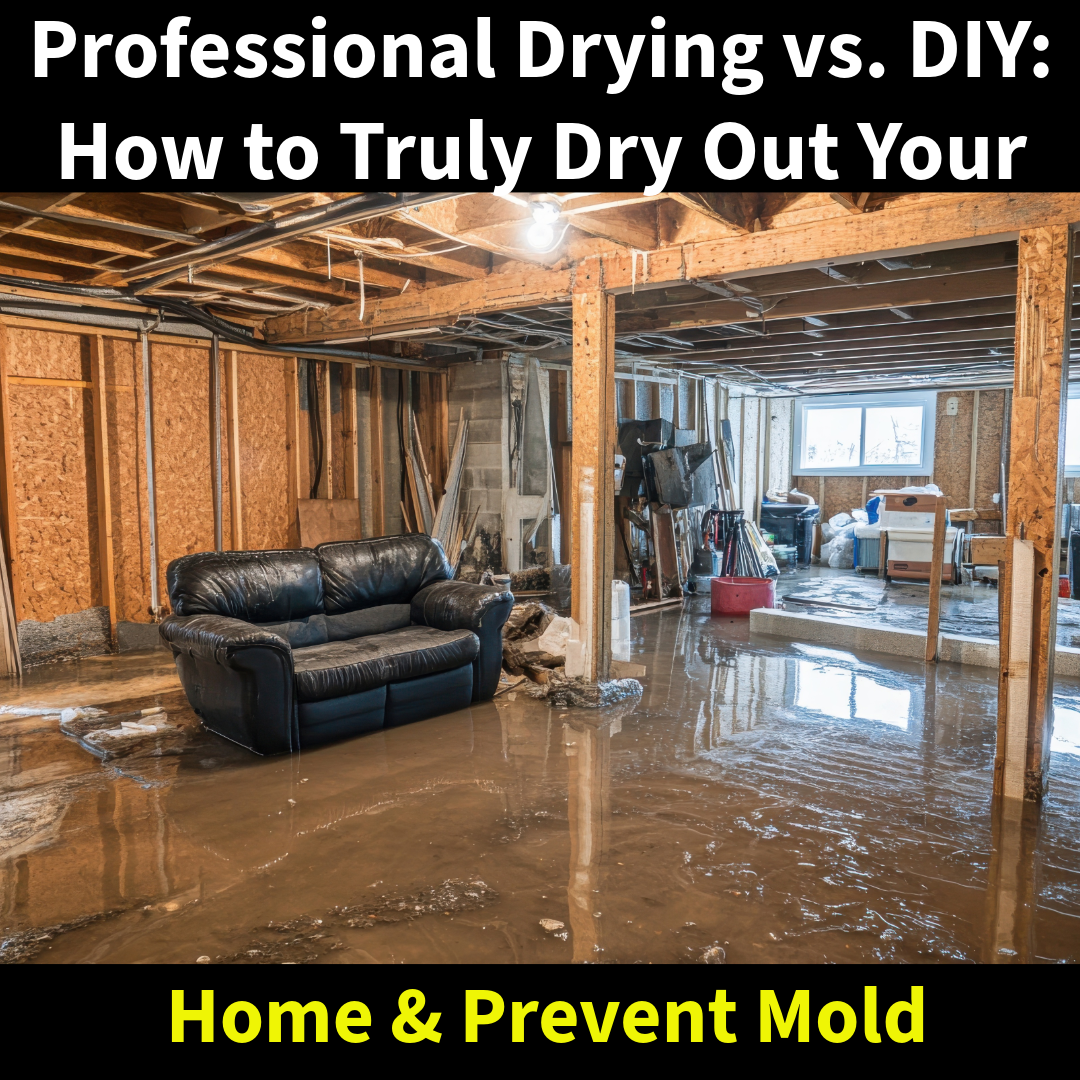
- Water damage from leaks or flooding
- High humidity
- Poor ventilation
- Roof or plumbing issues
If the moisture problem is not corrected, mold will continue to return regardless of cleanup efforts.
When Mold Should Be Evaluated
Mold should be evaluated when:
- There is visible growth
- There has been recent or past water damage
- There are persistent musty odors
- You are buying or selling a home
- The extent of the issue is unknown
A proper evaluation helps determine the scope of the problem and the best way to address it.
The Bottom Line
There is no such thing as “safe mold” growing inside a home. While certain types receive more attention than others, any mold growth indoors should be properly evaluated and addressed. Understanding that mold is a moisture-driven issue, rather than just a specific type like “black mold,” is key to solving the problem correctly.