Unattended Death Cleanup: What Families Need to Know

When a loved one passes away and the death goes undiscovered for a period of time, families are often left with more than just grief—they’re faced with a situation no one is ever prepared for. Unattended death cleanup is one of the most sensitive and complex services in the restoration industry, and it’s something no family should attempt to handle on their own.

At MSI, we’ve spent over 25 years helping families through these moments with compassion, professionalism, and discretion. Here’s what you need to know.


What Is an Unattended Death?

An unattended death occurs when someone passes away and the body is not discovered for hours, days, or even longer. This is most common with individuals who live alone, the elderly, or those with limited contact with friends and family. Unfortunately, by the time someone finds them, biological decomposition has already begun.


Why Professional Cleanup Is Essential

Death triggers a natural process of decomposition that releases bodily fluids, bacteria, and gases into the surrounding area. This can lead to:

  • Biohazard contamination on flooring, walls, and furniture
  • Airborne bacteria and lingering odors
  • Structural damage to subfloors and surrounding materials
  • Emotional trauma for family members who attempt to clean the space themselves

Standard household cleaning products are not designed to safely handle this type of contamination. Proper remediation requires specialized chemicals, equipment, and safety protocols.


The Health Risks Involved

Attempting to clean an area affected by decomposition without the right PPE and procedures can expose you to serious health hazards, including:

  • Bloodborne pathogens
  • Bacteria like E. coli or MRSA
  • Insect activity and infestations
  • Airborne contaminants from fluids absorbed into materials

It’s not just unpleasant—it’s dangerous.


What MSI Does Differently

At MSI, we understand this isn’t just a cleanup job—it’s someone’s home, someone’s loss. Our approach is built around discretion, respect, and thoroughness.

Our process includes:

  • Discreet, unmarked vehicles to respect your privacy
  • Hazard assessment and containment of affected areas
  • Full biohazard remediation, including flooring, walls, and hidden materials
  • Odor neutralization at the molecular level
  • Restoration-ready cleanup so contractors can safely restore the space
  • Compassionate service with clear communication every step of the way

Will Insurance Cover It?

In many cases, homeowners’ insurance does cover unattended death cleanup, but every policy is different. MSI can help guide you through the claims process and provide the documentation your carrier will need.


You Don’t Have to Face This Alone

Experiencing an unattended death in the family is heartbreaking—and overwhelming. Let MSI take the burden of cleanup off your shoulders so you can focus on what truly matters: grieving and healing.

We’re available 24/7 and respond quickly, discreetly, and professionally.
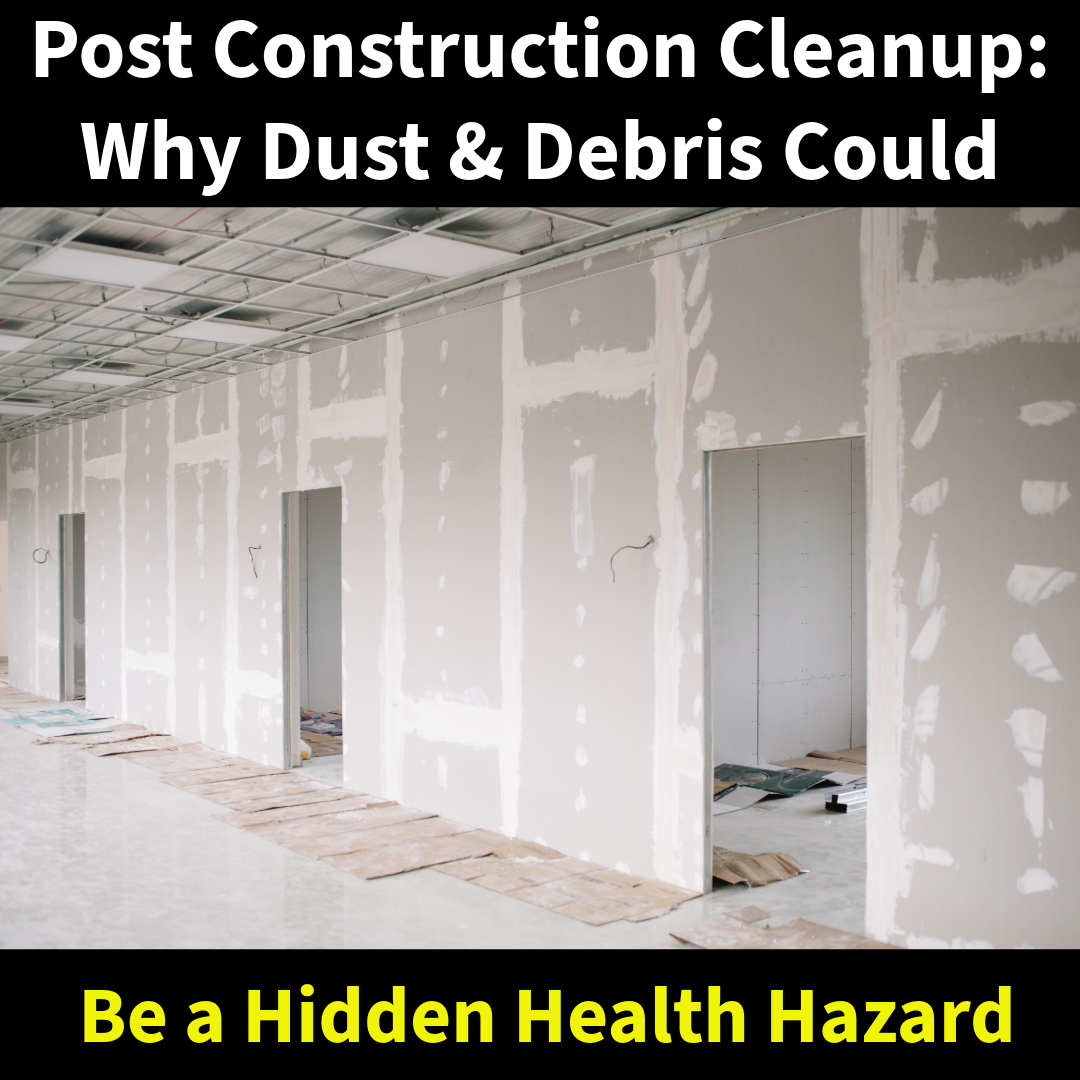
Post-Construction Cleaning: Why Dust and Debris Could Be a Hidden Health Hazard

Finishing a renovation or new construction project is exciting—but that “new space” shine can hide some serious health and safety concerns. Leftover drywall dust, wood particles, and even hidden moisture can pose risks that most homeowners and contractors don’t anticipate.

That’s where professional post-construction cleanup comes in—and it’s about more than just sweeping floors.

What’s Really Left Behind?

After construction, most cleanup crews focus on visible debris and surface dirt. But underneath the cosmetic layer are contaminants that settle deep into air ducts, behind trim, and in wall cavities:

  • Drywall dust: Extremely fine and easily airborne, it can irritate lungs and settle into vents and HVAC filters.
  • Sawdust and silica: Can trigger respiratory problems if inhaled.
  • Moisture trapped in new building materials: Creates a perfect environment for mold growth.
  • Paint and chemical residues: Can off-gas VOCs (volatile organic compounds) into your indoor air.

Without proper cleaning and air filtration, your new or renovated space might be harboring more than just style upgrades.

Why DIY Isn’t Enough

A general contractor or cleaning crew may mop and wipe down surfaces, but they’re not equipped to deal with:

  • Fine particulate removal
  • Duct cleaning
  • Air quality concerns
  • Moisture detection and mold testing
  • Biohazard remediation if contamination is found

MSI technicians use HEPA-filtered vacuums, professional air scrubbers, and safe decontamination solutions to remove what basic cleaning can’t. We also check for early signs of water intrusion or microbial growth—issues that could cost thousands if ignored.

Ideal Times for Post-Construction Cleaning Services

  • Before moving into a newly built home
  • After a major remodel or addition
  • Following water damage repairs or fire restoration
  • When drywall, tile, or insulation work has been completed

Final Thought: Clean Doesn’t Mean Safe—Let a Pro Take a Look

That fresh coat of paint may look perfect, but if the air you’re breathing is full of construction dust and contaminants, your home isn’t truly ready. Post-construction cleanup is an important final step that protects your property and your health.

At MSI, we make sure that “finished” really means finished—and safe.

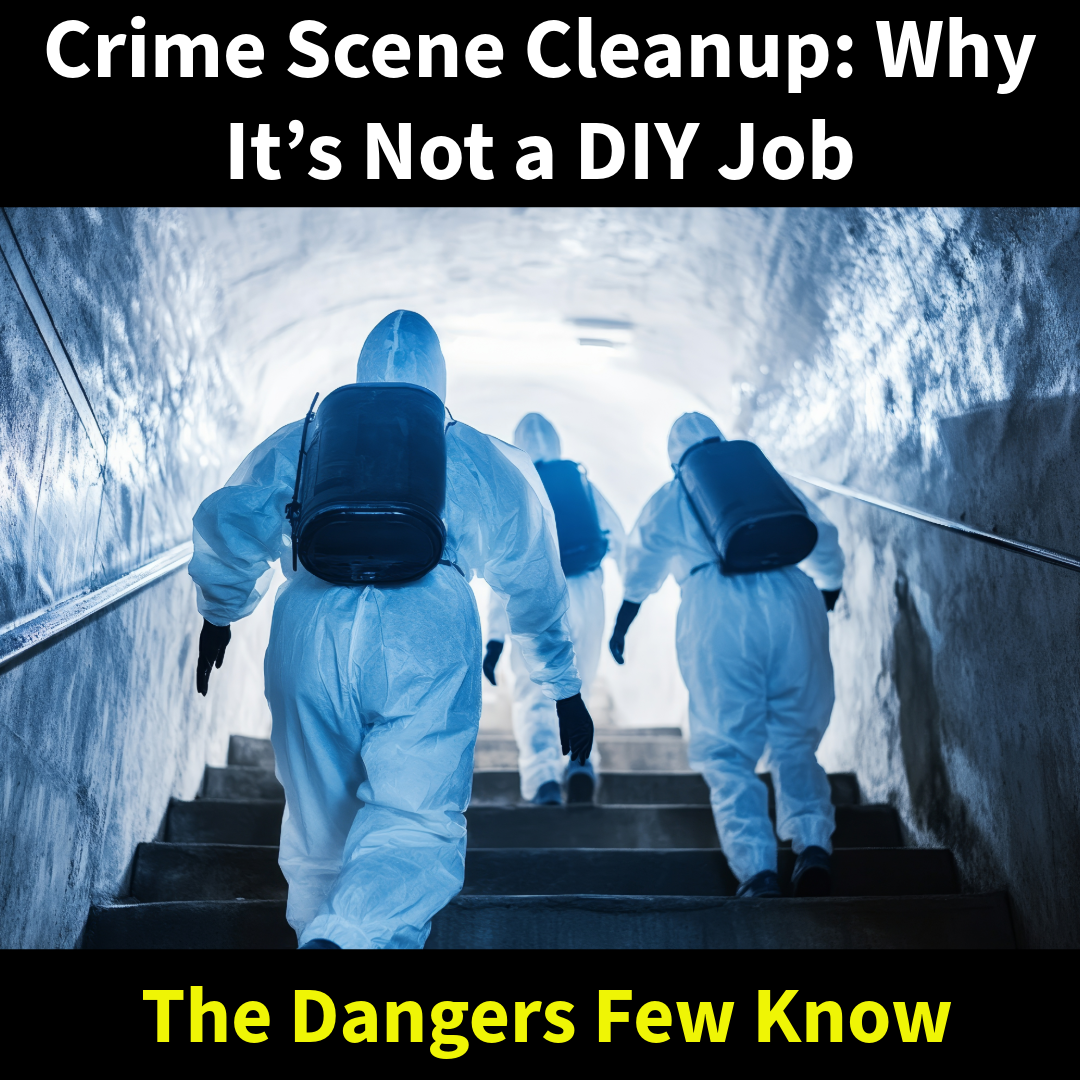
Crime Scene Cleanup: Why It’s Not a DIY Job

When people hear the term “crime scene cleanup,” they often imagine something out of a TV show—neatly taped-off areas and professionals in hazmat suits working behind the scenes. The truth is far more complex, and far more critical to public health and safety.

At MSI, we’ve handled countless biohazard cleanup situations—from unattended deaths to trauma scenes—and we can tell you firsthand: this is not a job for amateurs or general cleaners.

What Falls Under Crime Scene and Biohazard Cleanup?

This specialized service includes:

  • Unattended deaths (including decomposition)
  • Homicides and suicides
  • Accidental injuries or industrial accidents
  • Drug lab decontamination
  • Blood and bodily fluid cleanup
  • Vehicle trauma scenes
  • Infectious disease exposure (such as COVID-19 or MRSA)

Each of these scenarios poses serious risks to health and requires legally compliant disposal of biohazardous waste.

Why You Should Never Attempt This Yourself

Here’s what most people don’t realize until it’s too late:

  • Exposure to bloodborne pathogens like HIV, Hepatitis B/C, and bacteria is a real and present danger.
  • Improper cleanup can lead to lingering odors, stains, or contamination, putting future occupants at risk.
  • Biohazard waste cannot be thrown in the trash. It must be packaged, labeled, and transported according to federal and state regulations.
  • Insurance can often cover the cleanup, but only if performed by a certified professional.

What Professional Cleanup Really Involves

A certified biohazard team follows strict protocols to ensure the property is truly safe:

  • Full PPE (including respirators, face shields, and suits)
  • ATP surface testing to confirm cleanliness
  • Use of hospital-grade disinfectants
  • Removal and safe disposal of contaminated materials
  • Deodorization and air purification
  • Documentation for insurance and legal purposes

This work is not just technical—it’s emotional. Families going through a traumatic event should never be left to clean up the aftermath themselves.

Final Thoughts

If you or someone you know is dealing with a crime scene or biohazard situation, don’t make the mistake of calling a janitor or doing it yourself. This isn’t cleanup—it’s remediation.

MSI is certified in trauma and biohazard restoration and approaches every job with discretion, professionalism, and compassion. When lives are disrupted, we restore peace of mind—safely and legally.

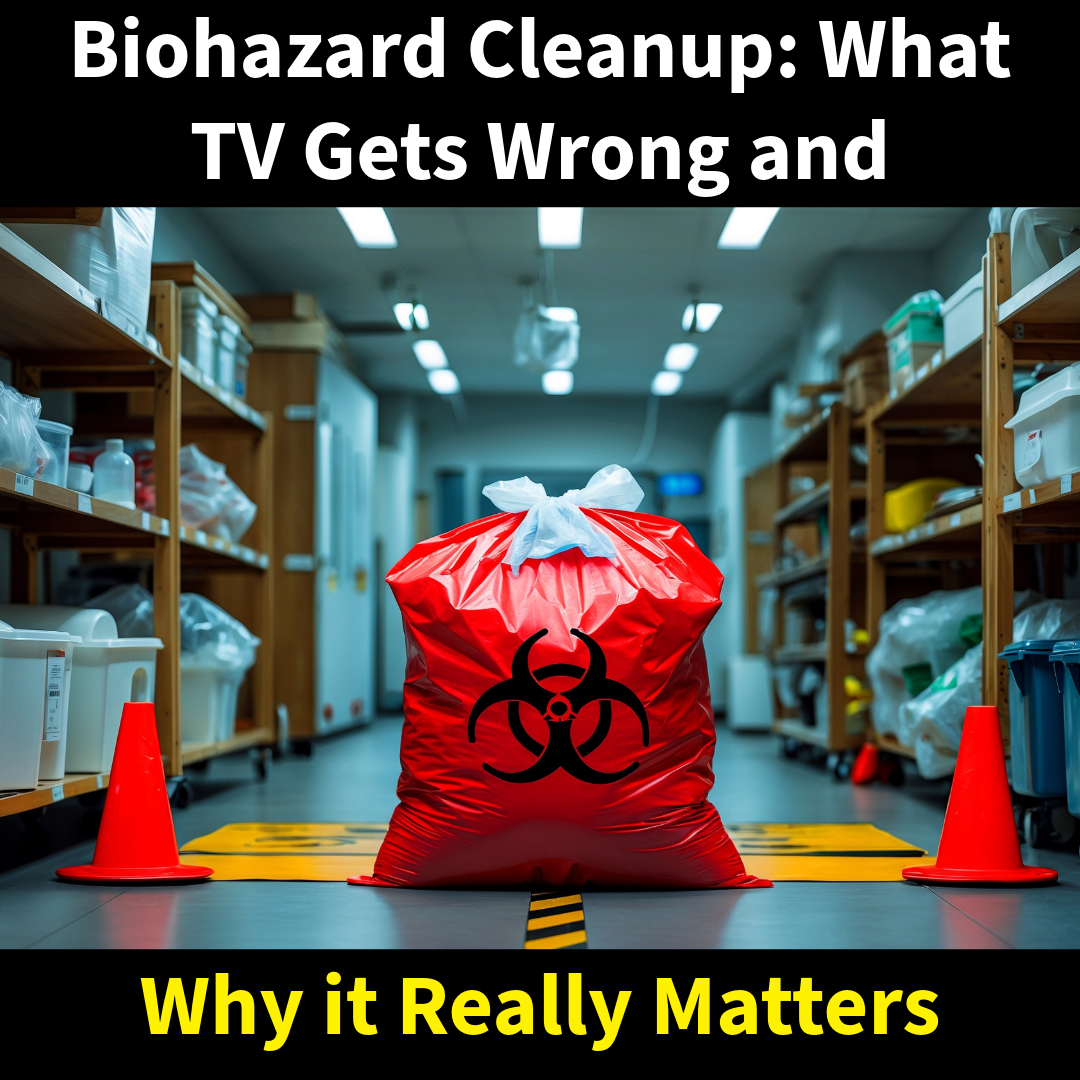
Biohazard Cleanup: What TV Gets Wrong and Why It Really Matters

When most people hear “biohazard cleanup,” their mind jumps straight to what they’ve seen on TV—guys in hazmat suits mopping up blood, dramatic lighting, maybe a suspenseful soundtrack in the background. Crime scene shows and true crime documentaries often gloss over the reality of trauma and biohazard cleanup, presenting it as fast, easy, and—worse—something the average person could handle themselves. The truth? Biohazard cleanup is nothing like what you see on screen. And trying to clean it yourself can be not only emotionally damaging but physically dangerous.

TV Myth #1: “A mop and bleach will take care of it.”

One of the most dangerous misconceptions is that standard household cleaners are enough to disinfect a scene involving blood, bodily fluids, or other hazardous biological matter. Reality: Biohazard cleanup requires hospital-grade disinfectants, specialized equipment, and trained professionals who know how to safely decontaminate and dispose of hazardous waste according to state and federal regulations. Bloodborne pathogens like Hepatitis B, Hepatitis C, and HIV can survive on surfaces for days—sometimes longer—if not properly cleaned.

TV Myth #2: “You can clean it up and move on like nothing happened.”

TV often skips the aftermath of a tragedy, moving right past cleanup and into the next storyline. But for families affected by an unattended death, suicide, or violent crime, the trauma doesn’t end when law enforcement leaves. Reality: Cleaning up after a traumatic event isn’t just a technical task—it’s an emotional minefield. The psychological toll of seeing, smelling, or handling biological remnants of a loved one’s passing can lead to long-term emotional distress or even PTSD. Hiring trained, compassionate professionals protects families from that burden.

TV Myth #3: “There’s no harm in doing it yourself.”

Some shows depict family members or landlords just rolling up their sleeves and handling the cleanup themselves. Not only is this wildly inaccurate—it’s also unsafe. Reality: DIY cleanup exposes you to serious risks, including:

  • Bloodborne pathogens and communicable diseases
  • Airborne contaminants from decomposition
  • Cross-contamination through improper handling
  • Legal consequences for improper disposal of biohazard waste
    Professionals are trained not just in cleaning, but in containment, disinfection, PPE use, and waste transport.

What Makes a Real Biohazard Cleanup Team Different

At MSI, we approach every trauma or biohazard scene with three goals:

  • Disinfect and restore the space to a safe, habitable condition
  • Protect the emotional well-being of those affected by handling the job with discretion and empathy
  • Ensure full compliance with OSHA, EPA, and state health department guidelines
    We’ve seen what happens when people try to handle these scenes without proper training—and it’s never worth the risk.

Biohazard cleanup isn’t just a cleaning job—it’s a health hazard, a legal responsibility, and an emotional trauma all rolled into one. TV might make it look easy, but the reality is far more serious. If you’re ever faced with the aftermath of a traumatic event, don’t go it alone. Let trained professionals handle it safely, thoroughly, and respectfully.

How to Handle Your Property Following a Crime or Trauma Scene Investigation

The aftermath of a crime or trauma on your property can be overwhelming, both emotionally and logistically. As you navigate this difficult time, it’s crucial to understand the steps involved in restoring your space to safety. This guide provides essential advice on handling the aftermath responsibly and with care.

Understanding the Process

When a crime or traumatic event occurs on your property, it becomes a scene of investigation. Authorities may need to keep the area secured for some time, which can delay cleaning and restoration efforts. Knowing what to expect during these investigations can help you prepare for the next steps.

Immediate Steps to Take Post-Investigation

Once the police have cleared your property, your first step should be to secure the space to prevent further damage or intrusion. Contacting a professional crime scene cleanup team like MSI is crucial, as they are trained to handle biohazards and other risks safely. If staying in your home is unsafe, consider arranging temporary accommodations.

The Role of Professional Cleanup Services

Crime and trauma scenes can contain biohazards such as bloodborne pathogens, which pose health risks. Professional cleanup teams are equipped with the necessary tools and knowledge to clean and disinfect the area thoroughly, ensuring it is safe for you and your family to return.

Dealing with Emotional Impacts

The emotional impact of a crime or trauma scene can be profound. It’s important to acknowledge these feelings and seek support. Professional counseling, community support groups, or talking to loved ones can be vital during this time.

Insurance and Legal Considerations

Handling insurance claims might be necessary after such incidents. Document all damages and correspondence carefully. Some policies cover crime scene cleanup, so it’s important to understand the specifics of your coverage. Additionally, keep all records in case of future legal needs.

Conclusion

The importance of professional cleanup services and emotional support cannot be overstated in times of such distress. Ensuring that your property is safely and thoroughly restored is as crucial as taking care of your psychological health.

Call to Action

If you’re facing the challenge of restoring your property after a crime or trauma scene, contact MSI. Our team offers expert and compassionate service, ensuring your space is safely returned to a peaceful state.

Unattended Death Cleanup: Why Professional Help is Essential

Discovering an unattended death is a distressing and overwhelming experience. Beyond the emotional toll, there are serious health risks and legal responsibilities to consider. Understanding the necessary steps and why professional biohazard cleanup is essential can help make a tragic situation more manageable.

Immediate Steps to Take

  1. Call 911 – Authorities must be notified to confirm the cause of death and conduct any necessary investigations.
  2. Avoid the Area – Decomposition begins quickly, leading to biohazards such as bloodborne pathogens and airborne bacteria.
  3. Contact a Professional Cleanup Service – Once law enforcement and medical personnel have completed their procedures, a specialized biohazard remediation company like MSI should be called to handle the cleanup safely and effectively.

Health & Safety Risks of an Unattended Death

When a person passes away and remains undiscovered for an extended period, the body undergoes natural decomposition, leading to:

  • The release of hazardous bodily fluids
  • Strong odors that can permeate walls, floors, and furniture
  • Biohazards like bacteria, viruses, and potential bloodborne pathogens
  • Structural damage from bodily fluids seeping into flooring and substructures

Attempting to clean these materials without professional-grade equipment and specialized training puts individuals at serious risk of exposure to harmful contaminants.

Why DIY Cleanup is Dangerous

Many assume that household cleaners or personal protective equipment (PPE) are sufficient for biohazard cleanup, but this is far from the truth. Standard cleaning solutions do not eliminate hazardous pathogens, and improper handling of affected materials can lead to cross-contamination. Additionally, improper disposal of biohazardous waste may violate state and federal regulations, leading to legal consequences.

The Professional Cleanup Process

At MSI, we follow a meticulous process to ensure complete decontamination:

  • Assessment & Containment – We evaluate the affected area and establish barriers to prevent contamination spread.
  • Removal of Biohazards – All blood, bodily fluids, and contaminated materials are safely removed and disposed of per OSHA and EPA guidelines.
  • Deep Cleaning & Disinfection – We use hospital-grade disinfectants and specialized techniques to eliminate all pathogens.
  • Odor Neutralization – Advanced deodorization methods ensure the space is free of lingering odors.
  • Restoration Recommendations – If structural damage has occurred, we provide guidance on necessary repairs.

How MSI Can Help

MSI understands that dealing with an unattended death is a traumatic event. Our team is trained in compassionate, discreet, and professional biohazard remediation. We handle every step of the cleanup process with care, ensuring your property is restored to a safe and sanitary condition.

If you or someone you know is facing an unattended death situation, contact MSI for professional and respectful assistance. Our priority is your safety and peace of mind.

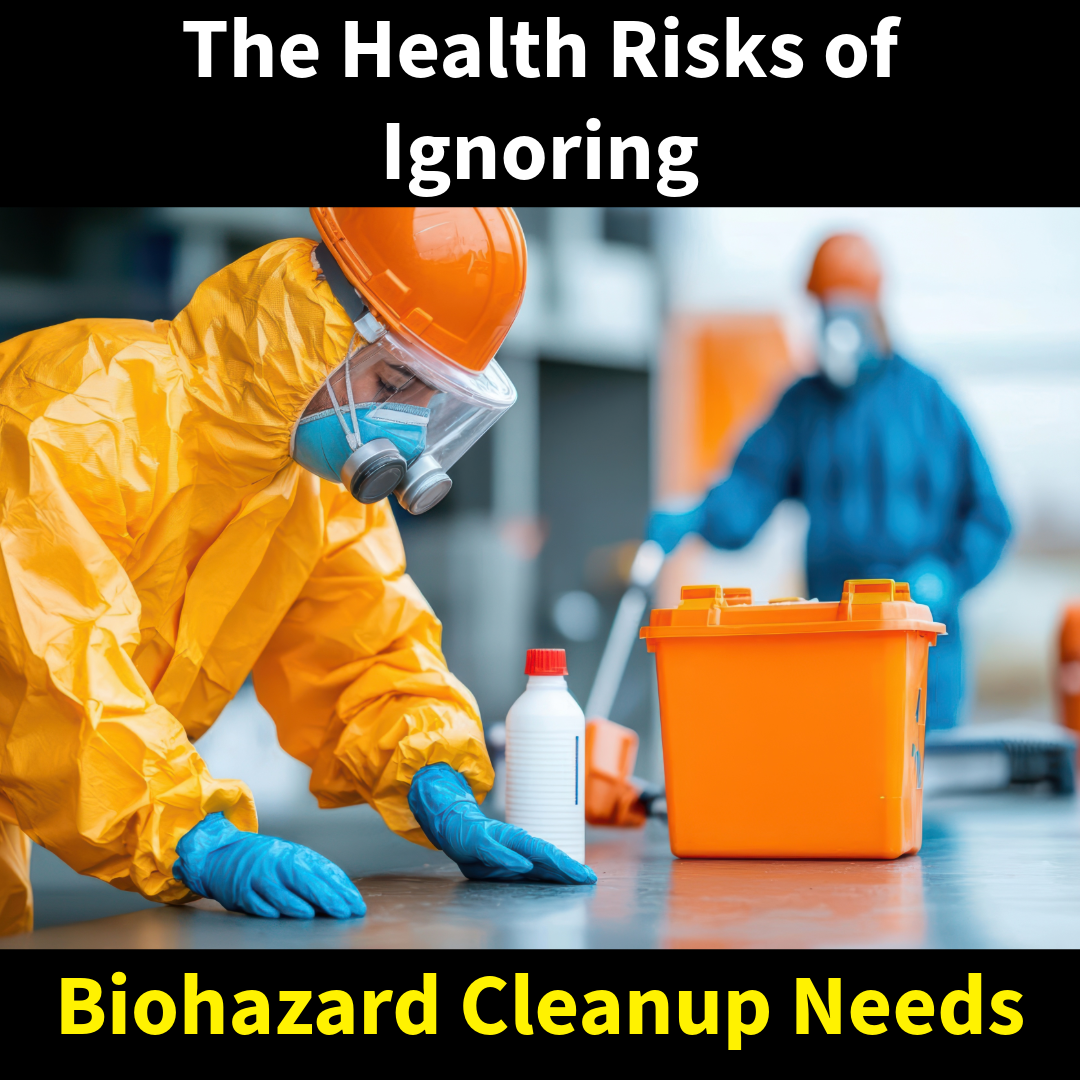
The Health Risks of Ignoring Biohazard Cleanup Needs

When faced with biohazardous materials, it’s crucial to understand the risks and act swiftly. Ignoring the need for proper biohazard cleanup can have severe health consequences and long-term repercussions for your safety and property. Let’s explore the dangers of exposure and the value of expert biohazard cleaning.

Understanding Biohazards and Their Risks

Biohazardous materials include substances like blood, bodily fluids, human waste, and chemicals that pose significant health threats. These materials can carry harmful pathogens such as bacteria, viruses, and fungi, leading to severe illnesses, including:

  • Infections: Exposure to bloodborne pathogens like Hepatitis B, Hepatitis C, and HIV can occur if contaminated materials aren’t handled properly.
  • Respiratory Issues: Mold spores and other airborne toxins associated with biohazards can trigger asthma, allergies, and respiratory infections.
  • Toxic Exposure: Chemicals from spills or waste can lead to skin burns, poisoning, or other dangerous health conditions.

Ignoring these hazards puts not only the immediate environment but also your health and the health of others at significant risk.

The Importance of Expert Biohazard Cleanup

1. Comprehensive Cleaning and Sanitization

Professional biohazard cleanup services ensure all contaminated areas are thoroughly cleaned and sanitized. This minimizes the risk of lingering pathogens that can continue to spread infection.

2. Adherence to Safety Standards

Certified biohazard cleanup professionals are trained to follow stringent safety and disposal regulations. They use industry-grade equipment and protective gear to prevent exposure during the cleanup process.

3. Prevention of Cross-Contamination

Without proper containment and cleaning, biohazards can easily spread to other areas of a property. Professionals employ advanced techniques to isolate and decontaminate the affected zones.

4. Emotional and Physical Relief

Biohazard incidents, such as crime scenes or traumatic events, can be emotionally overwhelming. Hiring experts allows property owners to focus on healing while ensuring the environment is restored safely.

Why You Shouldn’t Delay Cleanup

Delaying biohazard cleanup increases the risk of contamination, structural damage, and legal liabilities. For example, bloodborne pathogens can survive outside the body for days, and improper handling can expose individuals to life-threatening diseases. Acting quickly protects everyone involved and preserves the integrity of your property.

Choose Professional Help for Biohazard Cleanup

Mishandling biohazardous materials can lead to devastating consequences, but expert cleanup services offer a safe and reliable solution. Trained professionals understand the unique challenges of each situation and ensure every hazard is addressed thoroughly.

Ignoring biohazard cleanup needs is not just a risk—it’s a gamble with your health and safety. Prioritize professional cleaning to protect yourself, your loved ones, and your property from the unseen dangers of biohazards.