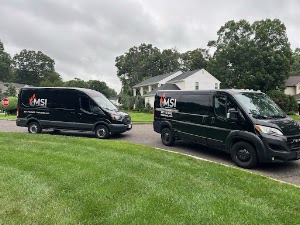

Storm Water Damage Cleanup
When a storm damages your property, removing the visible water is only the beginning.
We dry and verify with real moisture data, so your property is truly dry, not just dry on the surface.
- IICRC-Certified Water Damage Specialists
- Advanced Moisture Evaluation & Structural Drying
- Direct Insurance Claims Assistance
- 28+ Years of Water Damage Experience
Because MSI has specialized in mold inspection and remediation since 1998, we understand what can happen when hidden moisture is missed.
Contact Our Certified Experts
Trust our 5 Stars For Your Emergency Water Extraction


In a time when it can be hard to get service providers to even call you back, MSI is a real standout. No one wants to deal with water damage or mold, but knowing this team is out there doing high‑quality, reliable work has been a game changer for us as homeowners.



They were able to start the remediation within a week of contacting them, which gave us huge peace of mind. The team was professional, respectful of our home, and explained what they were doing each step of the way. Knowing our baby’s health and safety were a priority to them made such a difference.
Should we need further remediation, we will definitely continue using them. I’m so grateful we found MSI and would recommend them to anyone who needs mold remediation.
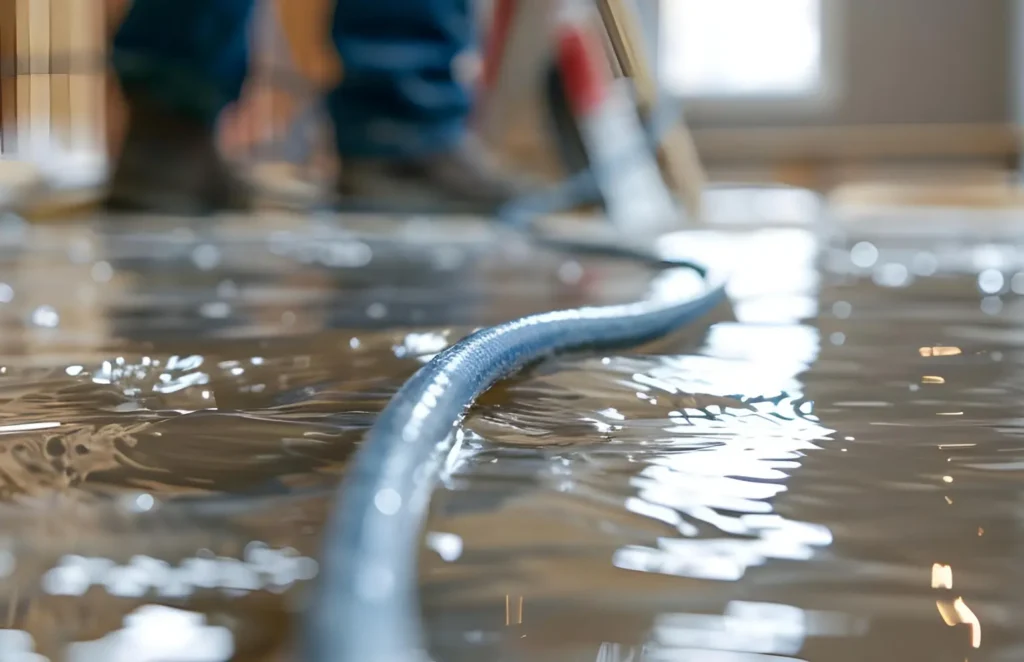
The Storm Passed. The Water Damage Hasn't.
When a storm damages your property, removing the visible water is only the beginning. True storm water damage cleanup means finding every place the water went, not just the puddle you can see.
Wind-driven rain can enter around roofs, windows and doors. Heavy rainfall can overwhelm drainage systems. Groundwater can seep into basements. Water can move through insulation, walls, ceilings and flooring long before it becomes visible.
And if outside floodwater enters the building, you’re dealing with more than moisture. Contamination may also influence how affected materials should be handled.
Mold Solutions & Inspections (MSI) approaches every project by answering three critical questions:
- Where did the water enter?
- Where did it travel?
- What needs to happen before the property can be considered dry?
Our IICRC-certified technicians identify affected areas, extract water, evaluate materials, establish controlled drying conditions, monitor moisture and verify drying. We don’t just clean up where the storm water appeared. We investigate everywhere it went.
Storm Damage? Safety Comes First
Storm-related water losses create conditions that differ from an ordinary plumbing leak. Before you enter the affected area, protect yourself.
Watch for Electrical Hazards
01
Don’t step into standing water when electrical outlets, appliances, equipment or wiring may have been affected.
Avoid Unstable Areas
02
Storms can damage roofs, ceilings and other building components. Stay clear of sagging ceilings, fallen materials and anything that looks structurally unsafe.
Don't Assume Floodwater Is Clean
03
Water entering from outside can carry soil, microorganisms, chemicals and other contaminants. Avoid unnecessary contact until conditions have been evaluated.
Stop Additional Water Intrusion When Safe
04
Roof openings, broken windows or other damage may require temporary stabilization by an appropriate contractor before effective interior drying can begin.
Call MSI for the Water Damage
05
Once immediate hazards and active water intrusion are addressed, MSI can evaluate and mitigate the resulting water damage.
Storm Water Doesn't Always Take One Path
A burst pipe usually gives you a fairly clear starting point. Stormwater is different.
During a severe weather event, water may enter through several locations at the same time. For example:
- Roof leak → attic insulation → ceiling
- Wind-driven rain → window opening → wall cavity
- Groundwater → basement → flooring and finished walls
What looks like one water-loss event may actually involve multiple moisture paths across multiple areas of the property. That’s why MSI doesn’t simply start where the biggest puddle is. We look at the building as a whole and follow the water.
The MSI Difference: Follow the Damage Before Assuming the Scope
Most water-damage companies have pumps, air movers, and dehumidifiers. Equipment matters, but equipment doesn’t answer the most important questions after a storm:
- How far did the water travel?
- Did it enter concealed spaces?
- Is the water potentially contaminated?
- What materials can appropriately be dried?
- What should be removed?
- Are the materials actually getting drier?
MSI uses moisture investigation and measurement to answer those questions. Our drying strategy follows the real conditions inside your property, not assumptions based on what’s visible. That investigative approach is what separates thorough storm water damage cleanup from a quick surface fix.
Our Storm Water Damage Cleanup Process
Every step below has a purpose: understand the loss, control it, and prove the structure is dry before repairs begin.
Identify How Water Entered the Property
Before we develop a plan, we evaluate the nature of the intrusion. Storm-related water damage may result from:
- Roof leaks
- Wind-driven rain
- Damaged roofing materials
- Broken windows
- Door openings
- Groundwater intrusion
- Basement flooding
- Drainage failures
- Sump pump failures
- Flash flooding
- Sewer or drain backups
- Water entering through building-envelope openings
The source matters, because it affects both the extent of the loss and the potential for contamination.
Determine Where the Water Traveled
The visible waterline doesn’t define the affected area. Water migrates beneath flooring, wicks into drywall, enters insulation and moves through wall or ceiling cavities. MSI evaluates potentially affected materials including:
- Drywall
- Ceilings
- Insulation
- Wood framing
- Subflooring
- Flooring systems
- Baseboards
- Wall cavities
- Cabinets
- Basement finishes
- Attic materials
We don’t assume the edge of the puddle is the edge of the damage.
Evaluate Water Conditions
Not every storm-related loss should be treated the same way. Rain entering directly through a newly damaged roof presents different conditions from surface floodwater that has traveled across soil, streets or other exterior environments. Sewer or drain backups raise another level of concern. The water source influences decisions about:
- Safety
- Cleaning
- Contamination control
- Material removal
- Drying
- What can potentially remain
Before deciding what can be saved, understand what the water touched.
Extract Standing Water
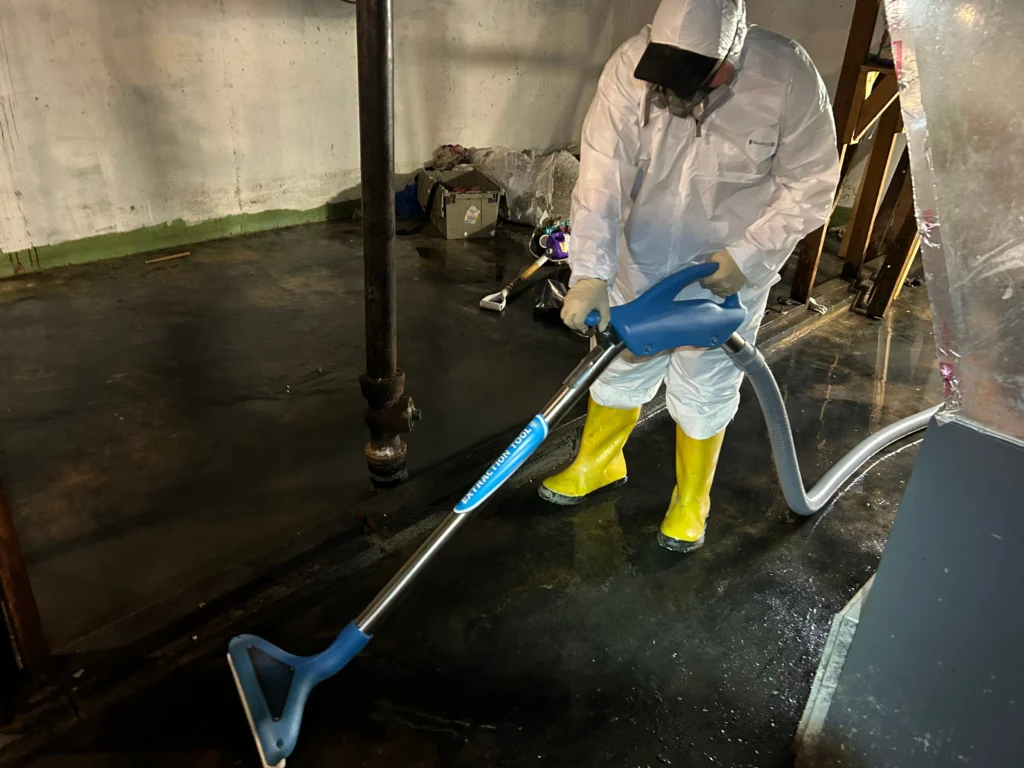
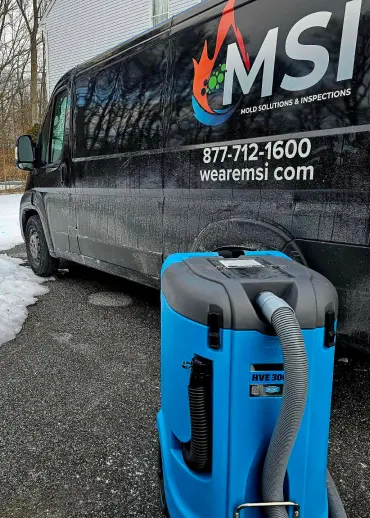
When appropriate, MSI uses professional extraction equipment to remove standing and excess water. Removing liquid water quickly reduces the amount that later has to evaporate. But here’s the important distinction: extraction removes the water you can see—it doesn’t prove the structure is dry. Extraction is one stage of the process, not the finish line.
Measure Moisture
After a storm, appearance alone can be misleading. A wall may look dry while insulation behind it stays wet. A floor may feel dry while moisture lingers in the assembly below. A ceiling stain may be the final point of a much larger moisture path.
MSI uses professional moisture-detection methods to evaluate affected and potentially affected materials. These measurements help establish:
- What became wet
- How far moisture traveled
- Where additional investigation may be needed
- Whether drying is progressing
- When appropriate drying goals have been reached
If you don’t measure it, you’re guessing.
What Can Be Dried and What Needs to Be Removed?
Storm damage doesn’t automatically mean everything needs demolition. But drying everything in place isn’t always appropriate either. MSI weighs factors such as:
- Water source
- Potential contamination
- Material type
- Degree of saturation
- Duration of exposure
- Material condition
- Accessibility
- Ability to effectively clean and dry the material
Porous materials exposed to contaminated exterior floodwater may require a different approach from materials affected by rain through a damaged roof. The objective isn’t maximum demolition. It’s making informed decisions based on the actual loss.
Structural Drying After Storm Damage
Once standing water, contamination concerns and necessary material removal have been addressed, structural drying begins. MSI may use professional:
- Air movers
- Dehumidification equipment
- Moisture meters
- Atmospheric monitoring equipment
But the equipment isn’t the strategy; the measurements are. MSI monitors moisture and environmental conditions throughout the drying process. If materials aren’t responding as expected, we investigate why and adjust. We don’t decide a building is dry because several days have passed. We evaluate the drying data.
Roof Damage After a Storm
High winds, heavy rain and falling debris can create roof openings that let water into:
- Roof assembly
- Attic
- Insulation
- Framing
- Ceiling
- Walls
The stain inside your building may sit several feet away from where the water originally entered. A roofing contractor should address the damaged roof. MSI addresses the resulting interior water damage.
Your roofer stops the next rain. MSI addresses the water that already got inside.
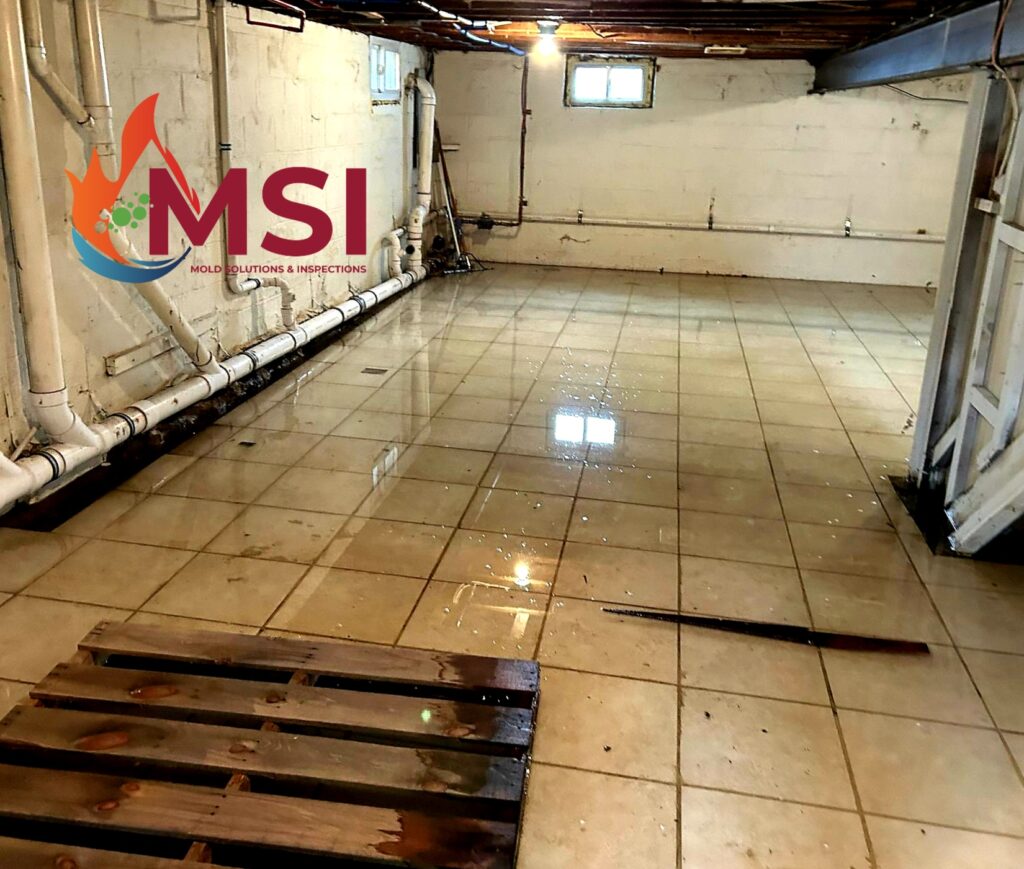
Basement Flooding After Heavy Rain
Basements are especially vulnerable during major storms. Water may enter because of:
- Groundwater
- Foundation intrusion
- Window wells
- Sump pump failure
- Drain backups
- Exterior flooding
Finished basements can hide moisture behind walls and beneath flooring long after standing water is extracted. MSI evaluates the basement beyond the visible waterline. Getting the water out isn’t the same as getting the basement dry.
Wind-Driven Rain Damage
Wind can push rain through areas that stay dry during normal weather. Water may enter around:
- Windows
- Doors
- Roof interfaces
- Flashing
- Exterior penetrations
- Damaged siding
- Other building-envelope openings
Because water can enter through small or concealed pathways, interior damage isn’t always immediately obvious. If staining, bubbling paint, wet drywall or unexplained moisture appears after a severe storm, further investigation is warranted.
Outside Floodwater Changes the Cleanup Strategy
When stormwater travels across the ground before entering your property, contamination becomes an important consideration. Exterior floodwater can pick up contaminants along the way, which affects decisions about:
- Porous materials
- Flooring
- Drywall
- Insulation
- Cleaning
- Material removal
- Contamination control
This is why proper stormwater damage cleanup begins with evaluating what kind of water entered the building, rather than treating every loss like a broken supply line. Same amount of water. Different source. Different mitigation decisions.
Storm Water Damage & Mold
Storm damage creates another challenge: you may not discover every leak right away. A storm can push water into an attic, wall cavity or other concealed space without producing an obvious puddle—and repeated storms can create recurring moisture conditions.
That’s where MSI’s mold expertise becomes especially valuable. Because we specialize in both water damage and mold inspection and remediation, we approach storm losses knowing what can happen when hidden moisture goes overlooked.
We look beyond the immediate cleanup and ask:
- Could moisture be concealed?
- How long might the material have been wet?
- Is this evidence of a previous water problem?
- Are the affected materials actually drying?
Today’s storm shouldn’t become tomorrow’s hidden mold problem.
Commercial Storm Water Damage Cleanup
Storm damage can create significant operational challenges for commercial properties. Water may affect:
- Offices
- Multifamily properties
- Retail spaces
- Warehouses
- Common areas
- Tenant spaces
- Equipment
- Inventory
- Building systems
For businesses, the immediate question isn’t always “How quickly can we tear everything out?” It’s often “How do we understand the damage, control the loss and make informed decisions without unnecessary disruption?”
MSI helps commercial owners and property managers understand affected areas, moisture conditions, drying progress and mitigation activities. Our commercial storm water damage cleanup creates clearer communication among property management, ownership, contractors, tenants and insurance representatives.
Storm Water Damage & Insurance
Storm-related coverage depends on both the cause of the damage and your policy. Coverage for wind-driven rain entering through storm damage may differ from coverage for rising surface floodwater. Flood insurance may be separate from a standard property policy, and sewer or drain backups may carry different requirements.
MSI doesn’t determine whether your loss is covered. But we can document applicable aspects of the mitigation, including:
- Photographs
- Affected areas
- Moisture readings
- Material conditions
- Material removal
- Drying activities
- Drying progress
MSI documents the damage and mitigation. Your insurance carrier determines coverage.
Storm Water Damage Cleanup FAQs
What should I do immediately after storm water enters my property?
Prioritize safety. Avoid standing water when electrical, structural or contamination hazards may exist. Stop additional water intrusion when it’s safe to do so, and contact the appropriate professionals.
Is storm water considered contaminated?
Yes, but rain entering directly through roof damage presents different conditions from exterior floodwater that traveled across the ground before reaching your property.
Is removing the standing water enough?
No. Water can remain inside drywall, insulation, flooring, framing and other materials even after standing water has been extracted.
How does MSI find hidden storm water damage?
Effective storm water damage cleanup relies on professional moisture-detection methods. MSI uses them to evaluate affected and potentially affected materials and trace moisture well beyond visible damage.
Does wet drywall always need to be removed?
No. Material decisions depend on the water source, contamination, saturation, condition, duration of exposure and whether the material can be appropriately dried.
Can storm water damage cause mold?
Persistent excess moisture can create conditions favorable to microbial growth. Repeated or undiscovered storm leaks deserve particular attention—another reason our combined water-damage and mold expertise matters.
Does MSI repair roofs?
MSI focuses on water-damage mitigation and mold-related services. An appropriate roofing contractor should address damage to the roof itself.
How long does storm water damage take to dry?
There’s no universal timeline. Materials, saturation, humidity, accessibility and the extent of the loss all affect drying. MSI monitors actual conditions rather than relying on a predetermined number of days.
Can MSI help document the damage for insurance?
Yes. MSI can document applicable aspects of the mitigation project, including affected areas, photographs, moisture conditions and drying activities. Coverage decisions remain with the carrier.
The Storm Is Over. The Investigation Isn't.
Once the rain stops and the standing water disappears, it’s tempting to assume the emergency is finished. But the most important water may now be the water you can’t see:
- Inside the wall
- Under the floor
- Above the ceiling
- Within the insulation
That’s why MSI approaches storm water damage cleanup differently—with the trained eye of a team that understands both water and mold.
- Find where it entered
- Follow where it traveled
- Evaluate contamination
- Extract
- Dry
- Measure
- Verify
When you need dependable, thorough stormwater damage cleanup, trust the professionals who don’t stop at the surface.
Mold Solutions & Inspections (MSI)
- 24/7 Emergency Water Damage Response
- IICRC-Certified Technicians
- 27+ Years of Experience | 9,000+ Projects
Storm Water Inside Your Property? Don’t just remove what’s visible. Find out everywhere the storm water went.
CALL MSI NOW FOR 24/7 STORM WATER DAMAGE CLEANUP