
24/7 Content Drying and Pack-Out
After water damage, the building isn’t the only thing that needs attention. Everything inside it becomes part of the recovery plan.
- IICRC-Certified Water Damage Specialists
- Advanced Moisture Evaluation & Structural Drying
- Direct Insurance Claims Assistance
- 28+ Years of Water Damage Experience
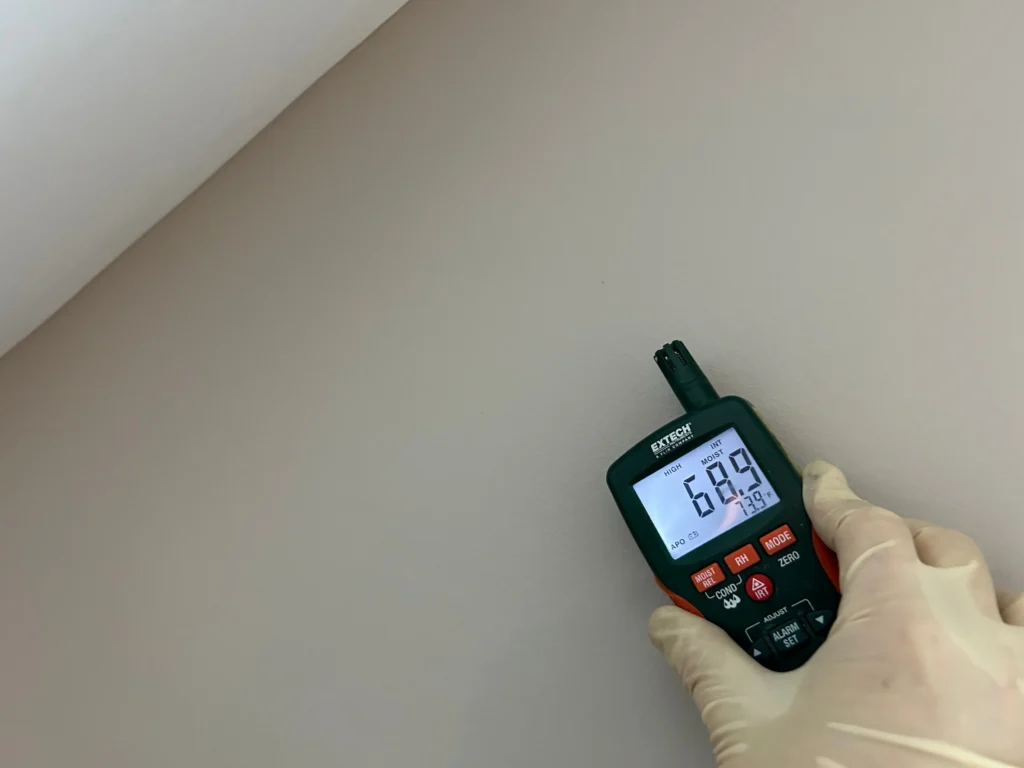
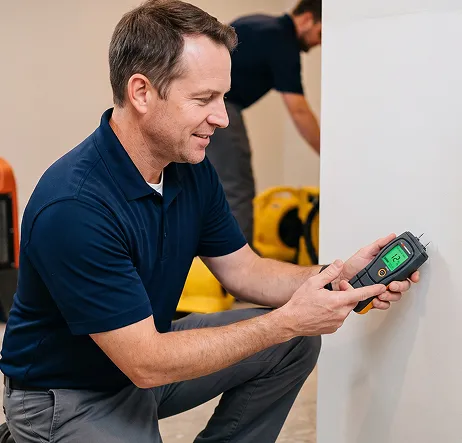
Because MSI has specialized in mold inspection and remediation since 1998, we don’t guess when your building is dry. We measure it.
Contact Our Certified Experts
Trust Our 5-Star Rating


In a time when it can be hard to get service providers to even call you back, MSI is a real standout. No one wants to deal with water damage or mold, but knowing this team is out there doing highāquality, reliable work has been a game changer for us as homeowners.



They were able to start the remediation within a week of contacting them, which gave us huge peace of mind. The team was professional, respectful of our home, and explained what they were doing each step of the way. Knowing our babyās health and safety were a priority to them made such a difference.
Should we need further remediation, we will definitely continue using them. Iām so grateful we found MSI and would recommend them to anyone who needs mold remediation.
Content Drying & Pack-Out Coordination After Water Damage
After water damage, the building isn’t the only thing that needs attention. Everything inside it becomes part of the recovery plan.
Furniture may block access to wet flooring. Boxes may sit against damp walls. Office equipment may need protection. Personal belongings may have taken direct water exposure. And some items may be perfectly fine, but still need to be moved so the structure can dry.
The answer isn’t automatically “pack everything out.”
Mold Solutions & Inspections (MSI) evaluates the situation, protects unaffected belongings, identifies water-affected contents, and coordinates content drying and pack-out only when it’s needed. The goal isn’t to move everything. It’s to make the right call about what needs to move, what needs attention, and what can safely stay.
Your Contents Are Part of the Water-Damage Project
Picture a finished basement after a water loss. Wet carpet under a sofa. Boxes stacked against damp drywall. A bookcase blocking part of the wall. Stored belongings sitting directly on the floor.
Some contents are wet. Some are dry. Some simply need to move.
Before structural drying can happen effectively, those contents have to be accounted for. That’s why MSI never treats contents as separate from the mitigation project. Where your belongings are and what happened to them directly affects how the building gets dried.
The MSI Difference: Don't Pack Everything. Make a Plan
A pack-out can be necessary after significant water damage. But it shouldn’t be the automatic first answer.
MSI starts with the conditions inside your property. We ask questions like:
- Were the contents actually affected by water?
- Do they block access to wet building materials?
- Can they stay safely in an unaffected area?
- Do they need to be relocated within the property?
- Would removing them improve the drying process?
- Do affected items need specialized cleaning, drying or restoration?
- Does the loss call for outside contents specialists?
This creates a more deliberate approach: Move what needs to move. Protect what can stay. Coordinate specialized care when needed.
Our 7-Step Contents & Pack-Out Coordination Process
Each step below has a purpose: understand the loss, protect what matters, and give the structure the access it needs to dry.
Evaluate the Water Loss
Before making any decisions about your belongings, MSI evaluates the water event itself. We consider:
- Source of the water
- Areas affected
- Potential contamination
- Depth or extent of water
- Moisture migration
- Structural materials affected
- Access required for mitigation
This context matters. Contents affected by a clean-water event call for a different response than belongings exposed to contaminated floodwater or sewage.
Determine What Was Actually Affected
Not everything in the room is water damaged. MSI helps distinguish between contents that are:
Directly affectedā items that came into contact with water.
Indirectly affectedā items exposed to elevated moisture or conditions created by the loss.
Unaffected but obstructing accessā dry belongings blocking technicians from wet building materials.
Unaffected and able to remainā items that can stay in place without interfering with mitigation.
This distinction prevents unnecessary handling while still creating the access effective drying requires.
Not Everything Wet Is Automatically Lost
Seeing water around your belongings can make it feel like everything’s destroyed. That’s not always the case. Whether an item can be restored depends on factors like:
- Material
- Water source
- Contamination
- Degree of saturation
- Duration of exposure
- Pre-loss condition
- Ability to appropriately clean or dry it
- Economic and sentimental considerations
- Availability of specialized restoration methods
“Wet” and “unsalvageable” aren’t the same thing. The right decision depends on the item and the circumstances.
But Not Everything Should Be Saved Either
The opposite mistake is assuming every item can simply be dried. Highly porous contents exposed to contaminated water raise very different concerns than hard, nonporous items from a clean-water loss.
Some materials deteriorate significantly after saturation. Others need specialized treatment that goes beyond ordinary structural drying. The goal isn’t to promise everything can be restored. It’s to make informed decisions rather than assumptions.
Protect Unaffected Contents
A key priority during mitigation is keeping unaffected belongings from becoming part of the loss. Depending on the project, this may mean relocating contents away from:
- Wet floors
- Damp walls
- Active work areas
- Demolition areas
- Drying equipment
- Contaminated areas
Sometimes that means moving items elsewhere within the property. Other times, off-site storage or professional pack-out services make more sense.
Create Access for Structural Drying
Contents can physically prevent a building from drying. A large cabinet against wet drywall limits access. Boxes on a wet concrete floor trap moisture. Furniture can block technicians from saturated carpet, flooring or baseboards. Stored belongings can even conceal water damage that wasn’t visible at first.
Moving selected contents gives our team access to the materials that actually need attention. Sometimes the reason for moving your belongings isn’t that they’re damaged; it’s that the building behind them is.
Document Affected Areas & Contents
Documentation becomes especially important when a water loss involves substantial contents. Depending on scope, this may include:
- Photographs
- Affected rooms
- General contents conditions
- Items requiring relocation
- Water-damaged areas
- Mitigation activities
For larger or more complex losses, specialized contents inventory services can be coordinated when appropriate. That creates a clearer record of what happened during the project.
Coordinate Specialized Contents Services When Needed
Some belongings need expertise beyond ordinary water-damage mitigation. Depending on the item and loss, specialized providers may handle:
- Electronics
- Fine furniture
- Artwork
- Documents
- Textiles
- Specialty equipment
- Valuable collections
- Large inventories
- Off-site cleaning
- Controlled storage
MSI coordinates the contents component of your water-damage project whenever specialized resources are required, the right specialist for the right material.
Begin Structural & Content Drying
Once affected areas are accessible, structural drying proceeds. For contents suitable for content drying as part of the mitigation process, the strategy depends on the material and circumstances. At the same time, MSI monitors moisture conditions inside the building itself.
The distinction is important. Drying the room doesn’t automatically mean every item in it is dry. And drying an item doesn’t prove the wall or floor beneath it is dry. Both sides of the loss need attention.
Why the Water Source Matters for Contents
The source of water can dramatically change decisions about your belongings. A supply-line leak and a sewage backup shouldn’t be treated the same way. Contents exposed to potentially contaminated water may need different handling, cleaning or disposal decisions.
This matters most for porous materials such as:
- Cardboard
- Paper
- Upholstery
- Mattresses
- Fabric
- Certain wood products
- Other absorbent materials
MSI evaluates the conditions of the loss before determining the next step. Before asking “Can we dry it?” we ask “What was it exposed to?”
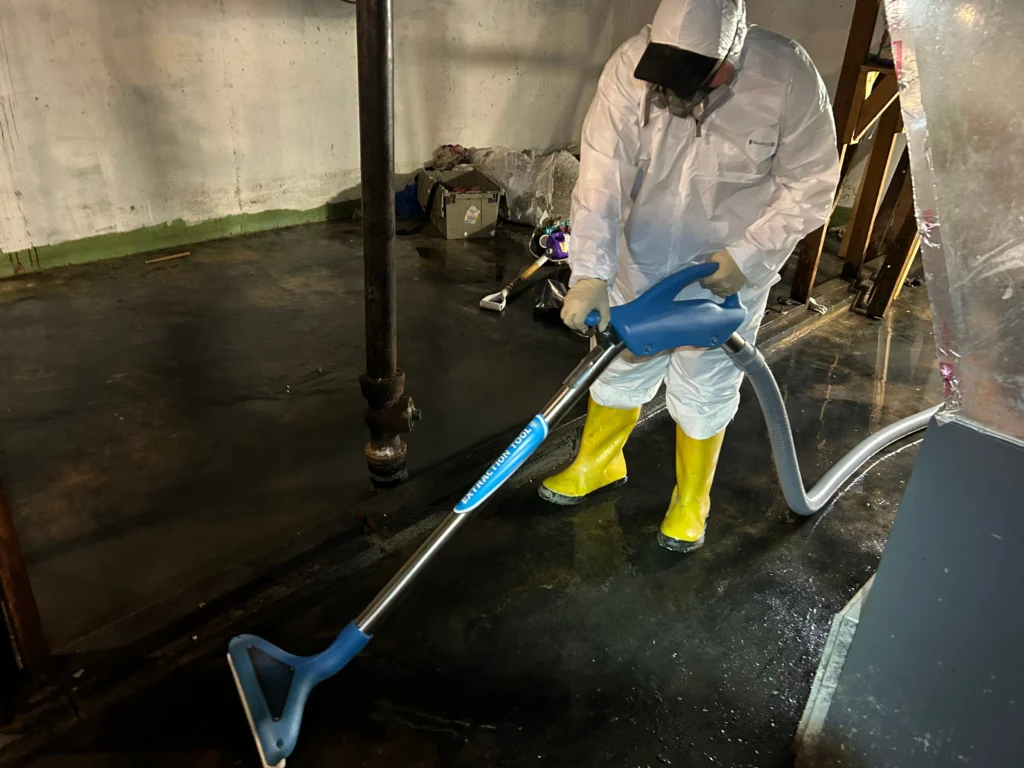
Content Drying After a Basement Flood
Basements often hold a high concentration of stored belongingsāboxes, furniture, seasonal decorations, documents, electronics, clothing, tools and family keepsakes.
When a basement floods, these items may also block access to wet walls and flooring. Effective content drying here starts with priorities:
Protect unaffected belongings ā identify affected contents ā create access ā address the structure ā coordinate contents care where needed.
That approach turns a room full of wet belongings into a more manageable recovery process.
Content Drying After a Roof Leak
A roof leak may affect belongings before the full extent of structural damage is understood. Water can drip onto:
- Furniture
- Bedding
- Office equipment
- Stored boxes
- Clothing
- Flooring
- Electronics
But remember: the wet belongings may only show where the water ended up. That’s why MSI also investigates the ceiling, insulation, walls and other building materials along the moisture path. Protect the contents, but never forget to investigate what’s above and behind them.
Contents After a Sewage Backup or Exterior Flood
Contaminated water changes the decision-making process entirely. Belongings that come into direct contact with sewage or contaminated exterior floodwater require careful evaluation.
Porous materials pose particular challenges, because contaminants can penetrate beyond the surface. Some items won’t be appropriate for ordinary drying or cleaning. Other nonporous or specialized items may be handled using appropriate restoration methods.
The decision should be based on water source + material + exposure + condition + available restoration methodānot simply whether the item looks clean afterward.
Residential Content Drying & Pack-Out Coordination
A residential water loss is different, because your “contents” aren’t just inventory. They’re your belongingsāfurniture, photographs, children’s items, books, clothing and family keepsakes with sentimental value that replacement cost can’t capture.
MSI approaches these decisions with that reality in mind. The objective isn’t to empty your home unnecessarily. It’s to protect your belongings while giving the water-damage project the access it needs.
Commercial Contents & Pack-Out Coordination
For commercial properties, contents present a different challenge. A loss may involve:
- Office furniture
- Computers
- Documents
- Inventory
- Shelving
- Tenant property
- Equipment
- Supplies
- Records
- Specialized assets
Moving everything unnecessarily creates disruption. Leaving everything in place prevents proper mitigation. MSI coordinates contents decisions around the needs of the water-damage project.
For property managers and business owners, that means answering key questions:
- What needs to move immediately?
- What can stay operational?
- What needs specialized attention?
- What needs documentation?
- What blocks access to affected building materials?
Here, contents management becomes part of operational recoveryānot just cleanup.
Why MSI's Mold Expertise Matters
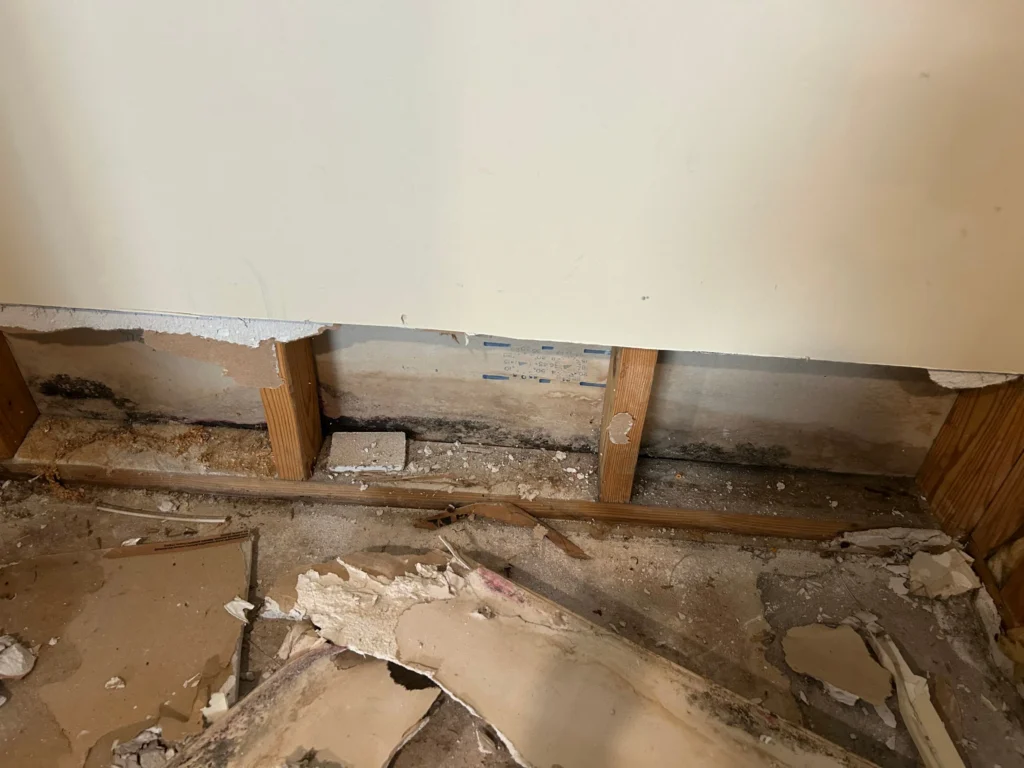
Wet contents can contribute to prolonged moisture conditions. Boxes pushed against a wet wall limit airflow. Damp materials retain moisture. Stored belongings can conceal water damage no one noticed. And slow appliance or roof leaks may have been affecting an area long before discovery.
Because MSI specializes in water damage, mold inspection and mold remediation, our technicians are trained to look past the visible puddle. We ask:
- What's wet?
- What's blocking drying?
- What's been wet longer than expected?
- Could there be concealed moisture behind the contents?
- Are the structural materials actually drying?
That broader perspective connects contents management and content drying to the overall moisture problem.
Do All Contents Need to Leave the Property?
A complete pack-out isn’t automatically necessary after every water loss. Depending on conditions, belongings may be:
- Left safely in place
- Shifted within the room
- Relocated to an unaffected area
- Temporarily moved elsewhere in the property
- Packed out for off-site handling or storage
- Referred for specialized restoration
The right solution depends on the extent and type of loss. Pack out what needs to leaveānot automatically everything you own.
Content Drying & Insurance Documentation
Water losses involving substantial contents can become complicated insurance projects. Coverage for individual belongings depends on the policy, cause of loss, contents coverage, limits and other factors.
MSI does not determine coverage. Our role is to document applicable aspects of the mitigation project and coordinate the content drying and related work required to address the water damage.
When specialized inventory, valuation, cleaning, restoration or storage services are required, additional contents professionals may become involved. MSI keeps the contents component connected to the larger mitigation project. Your insurance carrier determines coverage.
Content Drying FAQs
What is content drying?
Content drying refers to addressing excess moisture in belongings affected by a water loss. The right method depends on the material, water source, degree of exposure and condition of the item.
What is a water-damage pack-out?
A pack-out involves removing selected belongings from an affected area so they can be protected, evaluated, cleaned, dried, stored or otherwise handled while mitigation occurs.
Does everything need to be packed out?
No. Some belongings can stay safely in place or be relocated within the property. The scope of the pack-out should depend on the conditions and the access required.
Can wet belongings be saved?
Some can. Salvageability depends on the material, water source, contamination, exposure, condition and available restoration methods.
What happens to items exposed to sewage?
Items exposed to contaminated water require a different evaluation than contents from a clean-water loss. Porous materials can raise particular concerns.
Why do dry belongings sometimes need to be moved?
They may be blocking access to wet walls, flooring, baseboards or other building materials that need mitigation.
Does MSI store my belongings?
MSI coordinates contents needs as part of the mitigation project. When specialized off-site cleaning, restoration, inventory or storage is required, appropriate service providers can be coordinated.
Can electronics be dried?
Electronics need specialized evaluation and should never simply be powered on after water exposure. Specialized electronics-restoration services may be appropriate, depending on the circumstances.
Does MSI decide what my insurance company will replace?
No. Coverage and replacement decisions rest with your carrier and policy. MSI’s role is mitigation, content drying and applicable project documentation.
Your Belongings Shouldn't Become an Afterthought
After water damage, it’s tempting to focus entirely on the building. But contents and structure affect each other. Belongings can hide wet materials. They can block airflow. They can restrict access. They can retain moisture. And they may themselves need protection, content drying, cleaning or specialized restoration.
That’s why MSI builds contents planning into the overall water-damage strategy:
Mold Solutions & Inspections (MSI)
- IICRC-Certified Technicians
- Water Damage & Mold Specialists
- 27+ Years of Experience | 9,000+ Projects
Water Damage Affecting Your Belongings? Don’t start moving everything without a plan. Let MSI evaluate the loss and protect what you hold dear.