
John Runyen
3 months ago
These guys are great. Joe went above and beyond with talking through my specific situation. Mike did the actual mold inspection and he was great too - prompt, knowledgeable, and fast. I had the report in my inbox 2 days later. Highly recommend

Mathy Stanislaus
4 months ago
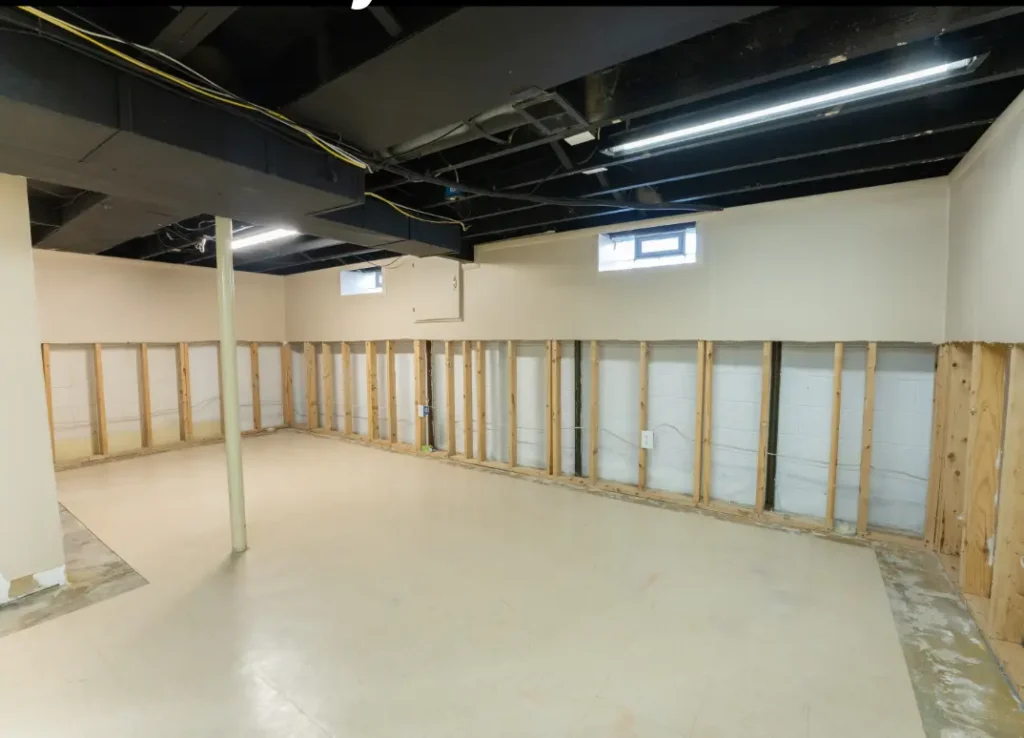
Joe and his team were great to work with - Joe responded to all my questions - his team was very organized and diligent and did a great job addressing my mold issues. They removed wallboard and vanity. Joe also recommended a very good person to handle the replacement for the wallboard

Rachael Clinton Chen
5 months ago
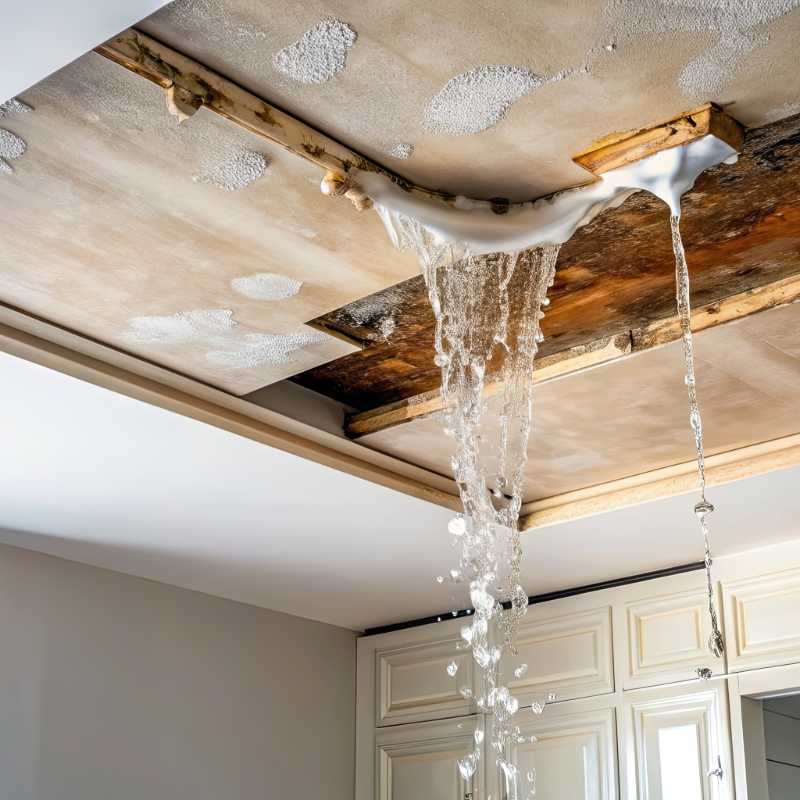
How could I possibly express in words my gratitude to Joe, Mike and the entire team at MSI?! When to our horror, water damage brought mold to our home, Joe and the team at MSI came highly recommended from a neighbor and I will be forever grateful. From the first phone call until the insurance claim was processed and the remediation paid for, Joe was kind, informative, and incredibly helpful at connecting us to the other resources (a public adjuster, duct cleaning, etc.) we would need to take care of our home. They got to us quickly and our job was quite extensive. The team was highly professional, communicative, and efficient. They took care of the mold and kept us safe and informed every step of the way. Should you ever need mold remediation work done, MSI is the only team I would call!

Natalie Campanile
5 months ago
I recently worked with Mold Solutions and Inspections following a water loss insurance claim, and I couldn't be more pleased with the experience. Joe was incredibly helpful, taking the time to explain every step of the process and providing support from start to finish. The entire team was punctual, professional, respectful, and kept the work area clean throughout the project. Their attention to detail and commitment to customer service made a stressful situation much easier to navigate. I've already recommended them to a coworker and would highly recommend them to anyone dealing with a water loss or insurance claim.

Amanda Sternberg
5 months ago
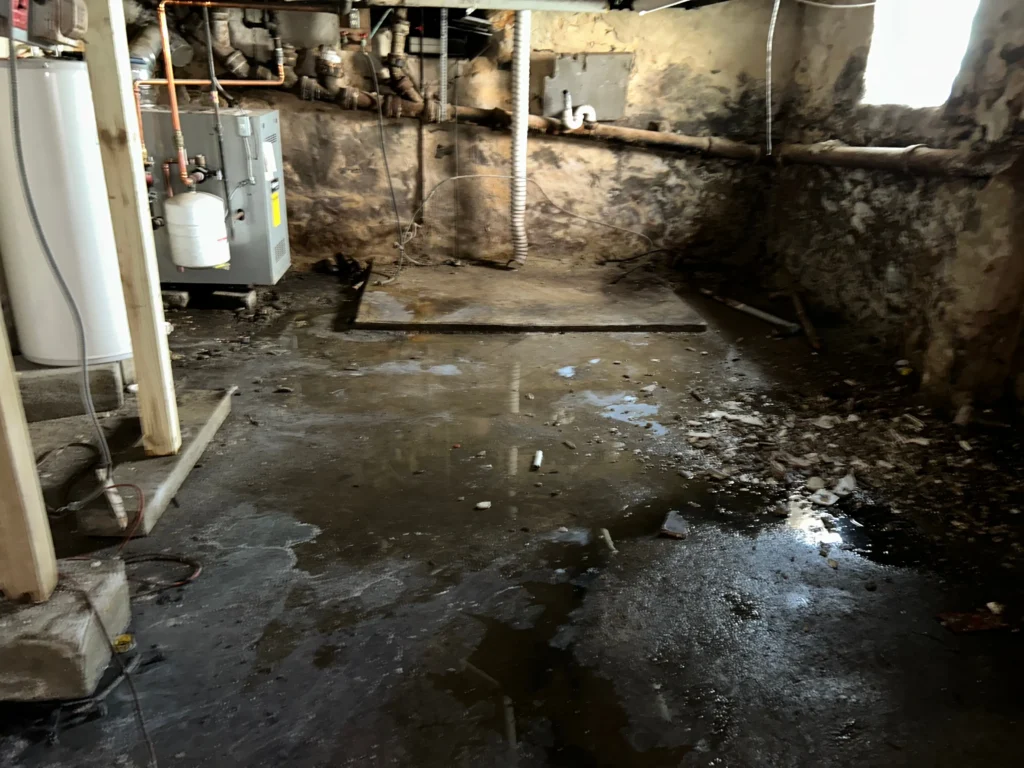
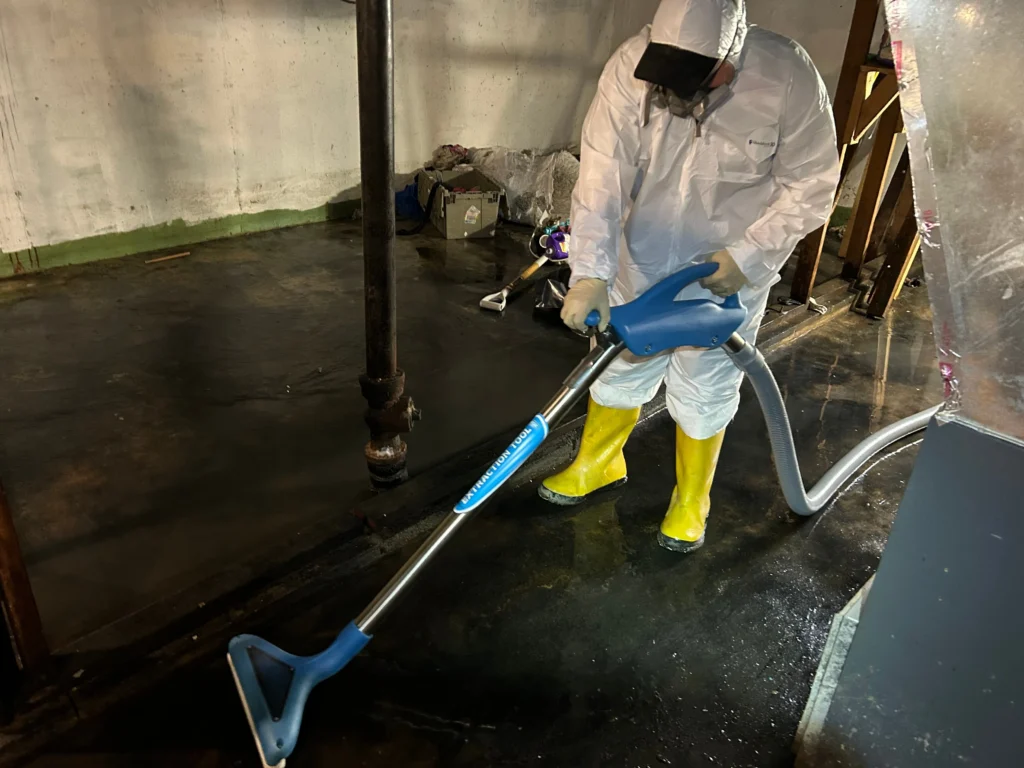
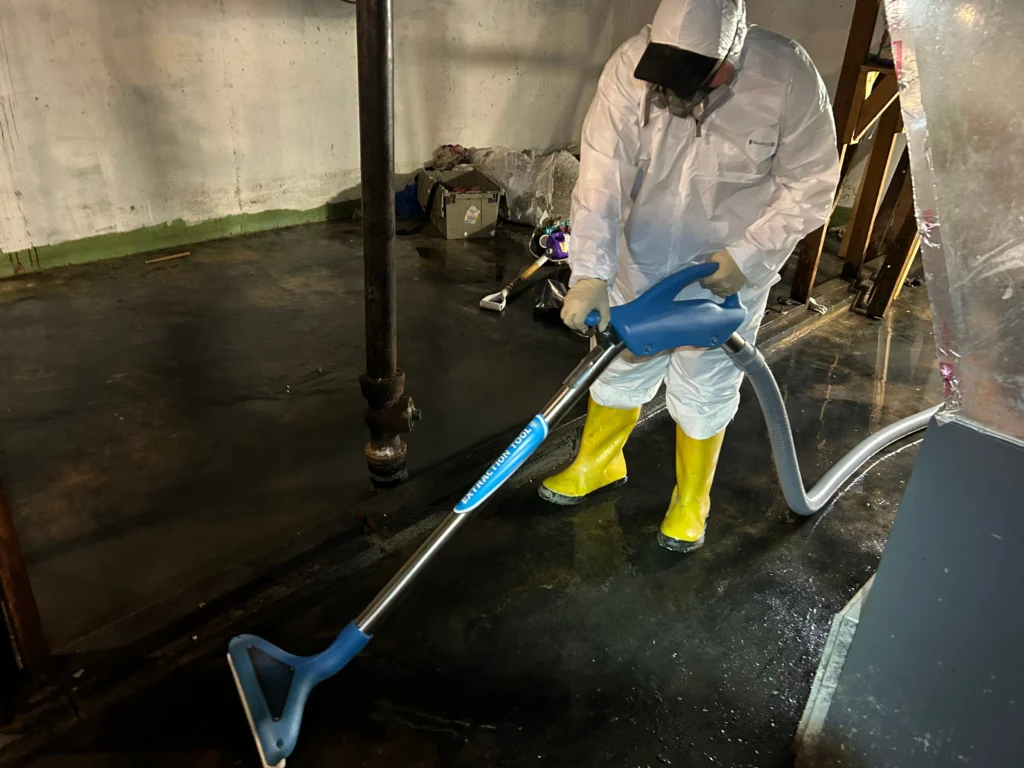
Joe and his team at MSI were fantastic! They helped us clear up a water damage issue in our basement in Point Breeze. The guys who came buy were efficient and professional. Joe himself has been great, even going above and beyond to provide guidance and recommendations for next steps after his job was done. I highly recommend this company!

Stephanie Wolff
6 months ago
We’ve lived in our home for almost 20 years and have (unfortunately) needed MSI’s services four different times. Each time, Joe and his team have been outstanding. From the first phone call to the final follow‑up, every step is handled with genuine friendliness and true professionalism. Joe even remembered us after more than a decade between jobs.
In a time when it can be hard to get service providers to even call you back, MSI is a real standout. No one wants to deal with water damage or mold, but knowing this team is out there doing high‑quality, reliable work has been a game changer for us as homeowners.
In a time when it can be hard to get service providers to even call you back, MSI is a real standout. No one wants to deal with water damage or mold, but knowing this team is out there doing high‑quality, reliable work has been a game changer for us as homeowners.

Khyra Lammers
7 months ago
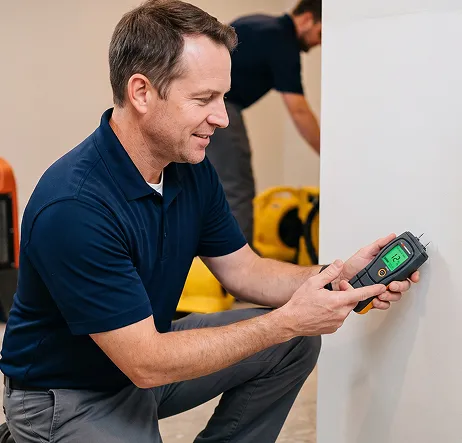
Fast, Reliable and Straight to the Point! I called for a mold inspection quote and within minutes, Joe returned my call and scheduled my inspection. Mike was able to come out the next day, and the tests took no time at all. After the tests, Joe reviewed the results with me and clearly answered my questions about them. I appreciate their professionalism, and I highly recommend MSI if you need a mold inspection.

Dylan Thompson-Sevcik
8 months ago
Joe and his team were excellent. Immediately responded and started the job within 24 hours. Extremely communicatative; explained everything in detail.

Scott Wushesnky
9 months ago
MSI is excellent! They were professional, reliable, and incredibly supportive. They did a phenomenal job taking care of my home and making sure that I was involved and understood the process. Highly recommend!

Billy Hayes
10 months ago
These guys have 5 stars for a reason. We had an issue with bathroom mold that needed to be treated and I had to cancel after setting a date. Joe was understanding, communicative, and helpful along the way. Once we rescheduled, the team was full of professionals that diligently remediated the affected area and cleaned up everything nicer than when they first arrived. I highly recommend them to anyone and everyone.

Lee Klein
10 months ago
Joe arrived on time, entertained me with tales of traditional deep South Philly, where up means down (south) and down means up (north) -- or maybe vice versa? -- and educated me unsurprisingly on mold (you can't just buy the machine that tests for it, for example, you need certification). And he taught me something I will never forget about footwear (won't share this important and memorable lesson here, however). Generally, a pleasant, efficient process to ensure that some roof leak damage hadn't developed into something nasty/pathological. He called to discuss the results he shared via email a few days after the testing and explained everything clearly. Fully confident in his expertise -- and will call again without hesitation if it comes down to it.

Brittany Clarke
11 months ago
Joe is the absolute best. We needed to find someone to help test for mold during our inspection process. Joe and his team provided exceptional and timely service. Joe’s candor and willingness to talk you through the issues is exactly what we needed as first time home buyers. We 100% recommend MSI.

Jacob Neumann
11 months ago
I recently purchased by first home and discovered there was mold in the crawl space. I closed on this home Friday of one week and had roommates moving in the very next Thursday. Joe, the owner of MSI, came out on Saturday, gave me a quote, and MSI was able to start on that Monday and get the job done in time! Joe is an amazing person that carries himself in a very disciplined and professional way, and he stands behind his company's work! The crew was equally as amazing and professional. Very kind, respectful, and a thorough job done top to bottom. After the job was completed, Joe was kind enough to explain to me how to set up my dehumidifier in my crawl space so the mold has a snowball's chance in hell of coming back. MSI is an amazing company, a quality brand, and a pleasure to interact with. Should the need arise, they'll be hearing from me again for more business! Thank you MSI!

John OBrien
1 year ago
I can’t say enough good things about MSI and especially Joe, the owner. From the very first phone call, he was incredibly kind and understanding of my anxiety about having mold in our home with an 8-month-old baby. I reached out with a lot of questions (probably more than most!) and Joe was always patient and never made me feel like I was bothering him.
They were able to start the remediation within a week of contacting them, which gave us huge peace of mind. The team was professional, respectful of our home, and explained what they were doing each step of the way. Knowing our baby’s health and safety were a priority to them made such a difference.
Should we need further remediation, we will definitely continue using them. I’m so grateful we found MSI and would recommend them to anyone who needs mold remediation.
They were able to start the remediation within a week of contacting them, which gave us huge peace of mind. The team was professional, respectful of our home, and explained what they were doing each step of the way. Knowing our baby’s health and safety were a priority to them made such a difference.
Should we need further remediation, we will definitely continue using them. I’m so grateful we found MSI and would recommend them to anyone who needs mold remediation.