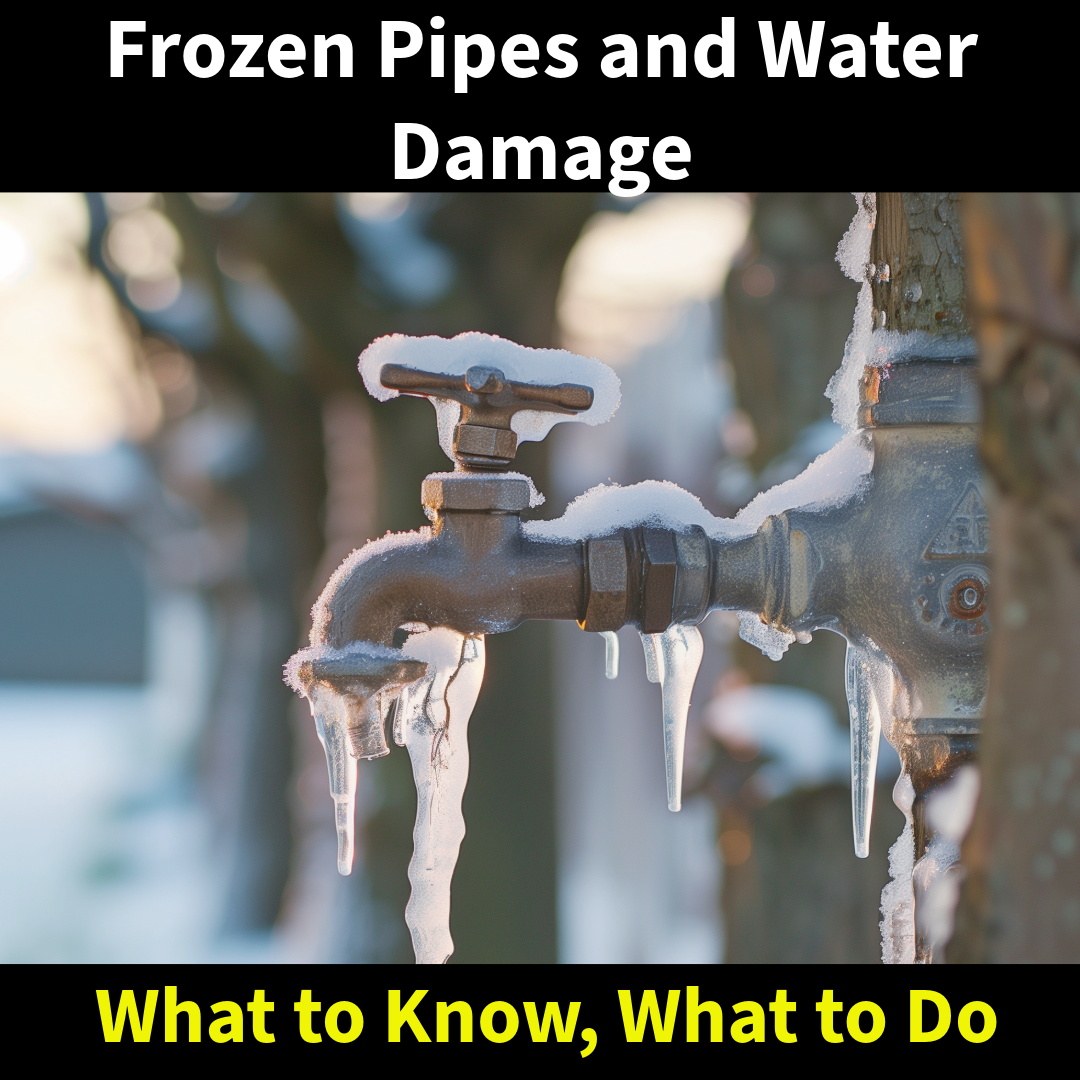
When winter temperatures drop, most homeowners worry about frozen pipes bursting and flooding their homes. But in reality, some of the most serious water damage from frozen pipes doesn’t show up right away — and often doesn’t look like a typical “burst pipe” situation at all.
In many homes across Philadelphia, Delaware County and throughout New Jersey, frozen pipes crack or split inside walls, ceilings, or floor systems. Instead of flooding a room, they leak slowly, allowing water to soak into building materials where it can remain hidden for days or even weeks.
Why Frozen Pipe Damage Is Often Missed
Frozen pipe damage doesn’t always come with an obvious emergency. In many cases:
- Pipes freeze and partially crack rather than fully burst
- Leaks occur inside walls or ceilings
- Water spreads into insulation, framing, and drywall
- The pipe may stop leaking once temperatures rise
By the time homeowners notice stains, odors, or peeling paint, significant water damage has already occurred.
Common Areas Where Frozen Pipes Cause Hidden Damage
We frequently see damage from frozen pipes in:
- Exterior walls
- Basement ceilings
- Crawl spaces
- Attics and knee walls
- Behind cabinets and vanities
These areas are harder to access and often go unchecked after a cold snap.
Signs of Delayed Water Damage After Freezing Weather
Watch for:
- Discoloration on ceilings or walls
- Soft or bubbling drywall
- Musty or damp odors
- Warped trim or flooring
- Mold growth appearing weeks later
If your home experienced prolonged freezing temperatures, these signs may point to water damage caused by frozen pipes, even if no major leak was ever seen.
How Frozen Pipe Water Damage Leads to Mold
When moisture remains trapped inside walls or ceilings, it creates ideal conditions for mold growth. This is why mold problems often appear weeks or months after winter weather, long after homeowners believe the risk has passed. What started as a small freeze-related leak can turn into a much larger remediation issue if the moisture isn’t properly identified and dried.
What Homeowners Should Do
If your home went through a hard freeze:
- Don’t assume no flooding means no damage
- Pay attention to new stains or odors
- Avoid ignoring minor changes in walls or ceilings
- Consider a professional inspection if something seems off
Proper moisture detection can reveal hidden water damage before it turns into a bigger problem.
Don’t Ignore Subtle Signs After a Freeze
Frozen pipes don’t always announce themselves with flooding or obvious leaks. In many cases, the damage happens quietly and out of sight — until repairs become far more costly. If your home experienced freezing temperatures and something doesn’t feel right, it’s worth taking a closer look before hidden water damage spreads further.