Why Insurance Companies Deny Water Loss Claims—and How to Protect Yourself

When water damage strikes, many homeowners assume their insurance policy will cover the loss. Unfortunately, that isn’t always the case. Insurance companies frequently deny water damage claims, often leaving families with unexpected repair bills and stressful disputes. Understanding why these denials happen can help you avoid pitfalls and strengthen your position if you ever need to file a claim.


Common Reasons Insurance Denies Water Damage Claims

1. “Long-Term” or “Gradual” Leaks
Most standard homeowners’ policies only cover sudden and accidental water damage. If an adjuster determines the loss was caused by a slow leak—such as a dripping pipe behind a wall over months or years—they may call it a “maintenance issue” and deny coverage.

2. Lack of Documentation
If you can’t prove when the damage happened or how it occurred, insurers may claim there’s not enough evidence to tie it to a covered event. Photos, videos, and professional inspection reports are critical in supporting your claim.

3. Excluded Sources of Water
Not all types of water damage are treated equally. For example, many policies exclude flood damage, water backing up through drains, or sewer/septic overflows unless you purchased separate coverage.

4. Mold Resulting from Water Damage
Even when water damage itself is covered, mold growth caused by that damage is often excluded—or capped at very low limits. This leaves homeowners responsible for expensive remediation. Insurance companies frequently argue that “mold takes a long time to grow,” labeling it as long-term damage. In reality, mold can begin germinating in as little as 24 to 48 hours after water intrusion, making this a common but misleading excuse for denial.


How to Protect Yourself Before and After a Loss

  • Know Your Policy: Take the time to read your coverage details, especially exclusions related to water damage, mold, sewer backups, and floods.
  • Act Quickly: The longer you wait to report or address water damage, the more likely your insurer will call it “long-term.” Contact a restoration professional immediately.
  • Document Everything: Photograph the damage from multiple angles, keep damaged materials, and request a professional inspection. Independent reports can make all the difference in disputes.
  • Request Clarification in Writing: If your claim is denied, ask for the specific policy language being used against you. This can give you leverage if you need to appeal.
  • Use Your Right to Choose a Contractor: Insurance companies may recommend preferred vendors, but you are legally allowed to hire the restoration company of your choice. Choosing a qualified, experienced team ensures the work is done right—not rushed to save the insurer money.

Final Thoughts

Water damage is stressful enough without fighting your insurance company. By understanding the most common reasons for claim denials and taking proactive steps to document and protect your property, you can strengthen your case and improve your chances of a successful payout.

If you’ve experienced water damage and want expert help not just with cleanup, but also with the documentation insurers demand, MSI is here to guide you through every step.

Can Insurance Tell You Who to Hire? The Truth You Need To Know

When property damage strikes, homeowners often feel pressured to follow the insurance company’s recommendations. It’s common to hear: “We’ll send out our preferred contractor.” But here’s the truth — your insurance company cannot force you to use their contractor.


Why Insurance Companies Push “Preferred Vendors”

Insurance companies often have deals with certain contractors. These partnerships are designed to keep costs low for the insurer, not necessarily to ensure the best restoration for your home. While some preferred vendors do quality work, others may cut corners to keep costs down, leaving you with hidden damage that causes bigger problems later.


You Have the Right to Choose

No matter what the insurance adjuster says, you are free to hire the restoration company you trust. In Pennsylvania, New Jersey, and Delaware, consumer protection laws support your right to choose. Your insurance policy covers the work based on the damage, not the contractor.


Risks of Letting Insurance Dictate

Relying only on the insurance company’s pick can lead to:

  • Incomplete drying after water damage, which can trigger mold growth weeks later.
  • Surface-only soot cleaning, leaving behind harmful residues and odors.
  • Mishandled biohazard or hoarding cleanups, creating liability risks for the property owner.

How to Choose the Right Restoration Company

When damage happens, focus on choosing a company that puts your home first:

  • Look for certifications such as IICRC.
  • Choose experienced professionals who regularly handle insurance claims.
  • Ask for transparency in estimates, photos, and reports.

The Bottom Line

Your home is your responsibility — not your insurance company’s property. Don’t let them steer you toward contractors who might not serve your best interest. You have the right to decide who restores your home.

At MSI, we’ve been helping homeowners navigate claims and restore their properties since 1998. If disaster strikes, call us first — we’ll work with your insurance, but we’ll always work for you.

Should You Hire a Public Adjuster After Property Damage? The Pros, the Cons, and the Conflicts You Should Know

When disaster strikes—whether it’s water damage, fire, or mold—the insurance claim process can be overwhelming. That’s where public adjusters often step in, offering to handle the paperwork and negotiate on your behalf. While some homeowners feel relief having someone on their side, others find the involvement of a public adjuster adds more confusion, delays, and in some cases, serious conflict of interest.

If you’re considering hiring a public adjuster, here’s what you need to know before signing any agreement.


The Pros of Hiring a Public Adjuster

  • They work for you—not the insurance company.
    A public adjuster is licensed to represent the policyholder, not the insurer, which can help balance the scales during a claim.
  • They can help with complex claims.
    For large losses or confusing policies, a knowledgeable adjuster may help interpret coverage and present the claim in a way that maximizes payout.
  • They may help prevent denied or underpaid claims.
    In theory, having a professional submit documentation and estimates can strengthen your case.

⚠️ The Cons (and Hidden Risks) of Hiring a Public Adjuster

While those benefits sound good, there are downsides—some of which homeowners don’t find out until it’s too late.

1. Conflict of Interest: Restoration or Construction Ownership

Some public adjusters don’t just advocate for you—they also own restoration or construction companies that they recommend for the work. That creates a massive conflict of interest. The person “helping” you get a bigger payout may be doing so only because they plan to profit from the repairs themselves.

When an adjuster stands to benefit financially from the claim and the work, objectivity often goes out the window.

2. Kickbacks and Pushy Referrals

Have you ever been told you “must” use a certain contractor because they “know how the process works”? Be cautious. In many cases, that recommendation isn’t about quality or speed—it’s about kickbacks.

Some public adjusters have backdoor agreements with contractors who give them a cut for every job they land. That’s not in your best interest. It’s your home, your claim, and your choice.

3. They Take a Percentage—Even When It’s Simple

Public adjusters typically take 10–20% of your total settlement—even if your claim didn’t need their help to begin with. For straightforward water damage or fire claims, that fee can eat into your restoration budget and force you to cut corners during repairs.


🛠️ What Restoration Contractors See Behind the Scenes

As a company that works directly with both insurance companies and homeowners, we’ve seen it all:

  • Claims held up for weeks while a public adjuster argues over trivial line items
  • Homeowners pressured to use specific contractors they didn’t feel comfortable with
  • Adjusters inflating scopes or changing documentation to maximize their own profit

While some adjusters are professional and ethical, we’ve unfortunately encountered many who make the process harder—not easier—for the people they’re supposed to help.


🤝 The Bottom Line: It’s Your Claim. Don’t Give Away Control

If you’re dealing with a complex claim or feel your insurance company isn’t being fair, a public adjuster might be helpful. But always do your research:

  • Ask if they own or are affiliated with any restoration or construction companies
  • Get a clear breakdown of their fees and how they’re paid
  • Never feel pressured to use a specific contractor—you have the right to choose

At MSI, we’ve been helping homeowners recover from damage since 1998. We work directly with your insurance, with full transparency, and we never offer or accept kickbacks. We let our work speak for itself.

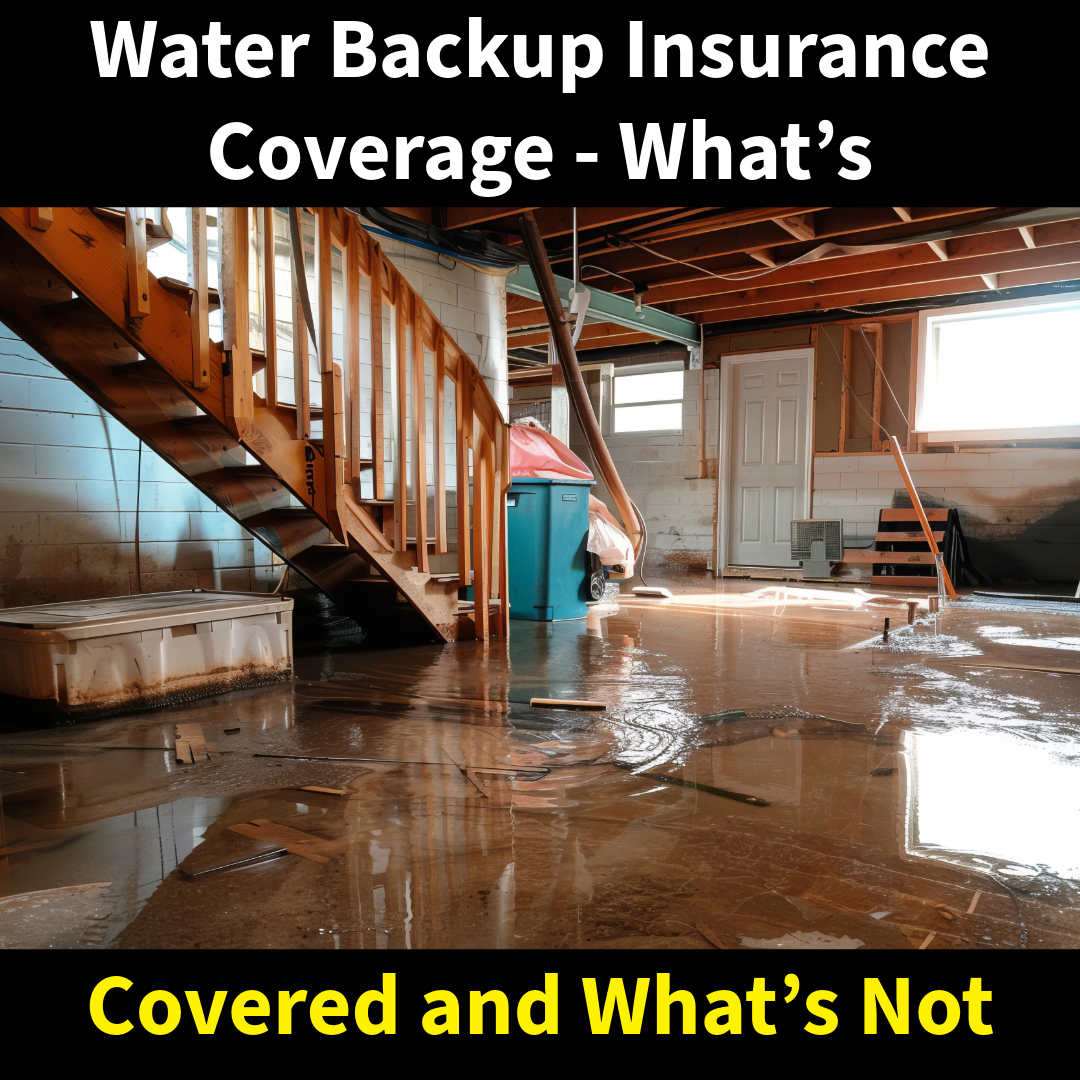
Water Backup Insurance Coverage – What’s Covered and What’s Not

When it comes to protecting your home, water damage is one of the most common — and costly — risks. While many homeowners carry insurance, there’s a specific type of protection that often goes overlooked until it’s too late: water backup insurance.

At MSI, we regularly help clients who discover the hard way that their standard policy doesn’t cover sewer backups or sump pump failures. Here’s what every homeowner should know about this critical coverage, what’s included, what isn’t — and how to protect yourself from a very unpleasant (and expensive) surprise.

What Is Water Backup Insurance?

Water backup insurance is an optional endorsement — not typically included in standard homeowners policies. It covers water damage resulting from:

  • Sump pump failures
  • Water backing up through sewers or drains
  • Some types of localized sewer line issues

However, there’s a catch: If the source of the backup is outside your property line — such as a municipal sewer blockage in the street — most policies will not cover the damage. This exclusion is particularly common in row homes or urban areas, where backups often originate in the shared city sewer system.

What It Typically Covers

If your water backup coverage is triggered, it generally pays for:

  • Emergency water extraction and cleanup
  • Sanitizing and mold prevention
  • Repairs to walls, flooring, and structural materials
  • Replacement of damaged personal items (furniture, electronics, clothing, etc.)

Some policies include coverage for sewer backups — but only if the issue is proven to originate on your property. Coverage will not apply if the root cause lies beyond your home’s plumbing system.

What It Doesn’t Cover

Many homeowners are shocked to learn that their water backup coverage has strict exclusions. Most policies will not cover:

  • Flooding from outside sources (requires flood insurance)
  • Municipal sewer system blockages (common in city row homes)
  • Gradual seepage through foundation cracks
  • Damage due to lack of maintenance or neglect

Even if your basement floods with sewage or gray water, your claim can be denied if the cause traces back to a public line or an unmaintained pump.

Coverage Limits Are Often Too Low

Even if you have water backup coverage, you may not have enough.

Most policies cap this endorsement between $5,000 and $10,000. While that may sound sufficient, keep in mind that this amount must cover:

  • Emergency mitigation
  • Structural repairs
  • Drying and sanitizing
  • Mold remediation
  • Personal content replacement
  • Labor and material costs

In today’s market, a serious backup can easily exceed $10,000 in total costs. If you have a finished basement, home office, or expensive electronics in the affected area, the gap between what’s covered and what’s lost can be substantial.

Common Misconceptions

There are a few frequent assumptions that leave homeowners exposed:

  • “My homeowners insurance covers sewer backups.” → Not by default. This requires the water backup endorsement.
  • “Flood insurance covers everything.” → It only covers external flooding — not interior plumbing or sewer backups.
  • “$10,000 in coverage is enough.” → Maybe for minor incidents, but not for full basement reconstruction and content loss.
  • “Sump pump failure won’t happen to me.” → They fail more often than people think, especially during heavy rain or power outages.

Why This Matters in PA, NJ, and DE

Our region is especially prone to water backup problems for a few reasons:

  • Older city infrastructure leads to frequent sewer overloads
  • Tight row home construction increases the chance of backups from neighboring lines
  • Heavy seasonal storms overwhelm sump pumps and storm drains
  • Finished basements are common, increasing the financial impact of a backup

We’ve responded to countless calls from homeowners who had insurance but not the right kind, or not enough of it. In most cases, just a small change in their policy would have saved them thousands.

How Homeowners Can Protect Themselves

Here’s what we recommend:

  • Confirm you have water backup coverage — don’t assume.
  • Ask your agent to explain what’s excluded (especially sewer line origins).
  • Increase your coverage limit — ask for $25,000 or more if you have finished spaces.
  • Install a battery backup sump pump — essential during power outages.
  • Use check valves to prevent backflow through drains.
  • Regularly inspect plumbing and drainage systems for wear and blockages.
  • Keep valuables off the floor and use shelving in basements.
  • Document your belongings in case of future claims.

MSI Can Help

At MSI, we specialize in water damage restoration — including sewage and drain backups. When disaster strikes, we respond quickly to extract water, sanitize the area, prevent mold, and rebuild. We also help homeowners document losses and navigate insurance claims to ensure they receive the compensation they deserve.

If you’ve had a backup or just want to prepare for the worst, contact MSI today. We’ve seen firsthand how devastating these events can be — and how much worse it is when insurance doesn’t come through.