When Sellers Hide Water & Mold Damage: A Costly Court Case in Radnor PA

I want to discuss a recent court case I was involved in that shows just how costly it can be when sellers fail to disclose water and mold damage.

This case took place in Radnor, PA, and it centered on a home that was listed for $1.2 million but ended up selling for $1.36 million. The sellers walked away with more than they were asking for, but instead of being upfront, they hid major problems that would eventually cost them dearly.

What the Buyers Didn’t See

From the very beginning, the buyers were rushed through walk-throughs. Both realtors created short, pressured windows that left little time to really evaluate the property. Behind the quick tours were years of water intrusion problems:

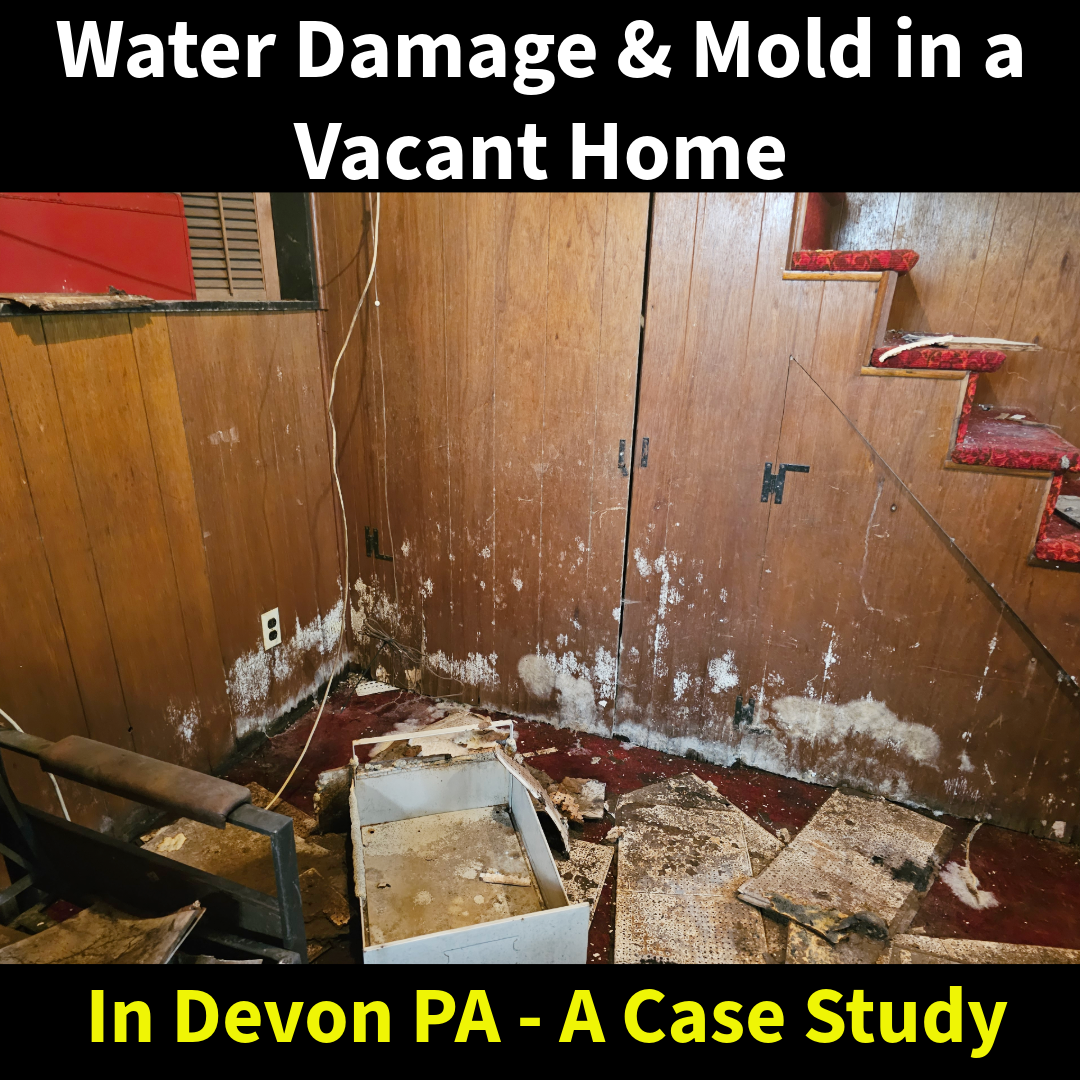
  • A leaking basement.
  • Roof failures that damaged three bedrooms.
  • Wall issues from poorly installed stucco and windows.

These weren’t surprises to the sellers. In fact, their own old social media posts—later uncovered by the buyers’ attorney—showed them talking about water problems in the basement.

The Lawsuit

After closing, the buyers realized the scope of the damage. They had used everything they had to purchase the property and couldn’t afford the massive repair costs. Their attorney filed a lawsuit seeking rescission—essentially asking the court to unwind the deal because the house had been misrepresented.

I testified in this case alongside other expert witnesses. We all confirmed the same thing: the damage wasn’t new and didn’t suddenly appear. It was long-term, ongoing, and deliberately covered up.

It wasn’t just the sellers who paid the price. The realtors were also sued and ultimately settled before the trial. They were found to be complicit in rushing the buyers through and not allowing proper inspection windows, and together they lost about $50,000.

The Outcome

Faced with overwhelming evidence, the sellers agreed to settle. They were forced to pay $230,000 plus more than $100,000 in legal fees. What looked like a profitable sale quickly turned into a financial disaster—all because of dishonesty.

The Lesson

The moral is simple: when selling a home, disclosure matters. Water damage and mold don’t just disappear, and covering them up is never worth the risk. Buyers may still move forward if issues are disclosed properly, but hiding them almost always ends in lawsuits and financial loss.

And for realtors, this case is a reminder that your actions matter too. Pushing buyers through rushed walkthroughs or glossing over concerns doesn’t just put your clients at risk—it can put you in the courtroom as well.

From my perspective, having been directly involved in this case, it’s clear that honesty and transparency protects everyone in the long run.

How Mold and Water Damage Can Affect Legal Disputes in Real Estate

When it comes to real estate transactions, unforeseen issues like mold and water damage can significantly complicate matters. These problems not only impact the value and safety of a property but also often lead to legal disputes between buyers, sellers, landlords, tenants, or even contractors. Understanding the legal implications of mold and water damage and knowing how professional expertise can support these cases is crucial for resolving disputes effectively.

The Role of Mold in Legal Disputes

Mold growth in a property can become a major source of contention in real estate deals. Here are some common scenarios where mold can lead to legal disputes:

  1. Disclosure Failures
    • Sellers are typically required to disclose known issues with a property, including mold. If a buyer discovers mold after the sale and believes it was hidden or not disclosed, it could result in lawsuits for fraud or breach of contract.
  2. Landlord-Tenant Disputes
    • Tenants may file claims against landlords if mold makes a property uninhabitable or causes health issues. This is particularly true if the landlord failed to address water leaks or humidity problems that led to the mold growth.
  3. Construction and Renovation Claims
    • Faulty construction or poor ventilation systems can lead to mold issues. In such cases, lawsuits may arise against builders or contractors for negligence.

Water Damage and Legal Challenges

Water damage often precedes mold growth and can lead to structural issues, electrical hazards, and other significant problems. The legal ramifications of water damage include:

  1. Failure to Mitigate
    • Property owners have a responsibility to address water damage promptly. Failure to do so can lead to disputes over who is liable for resulting damages, especially in cases involving shared properties or multi-unit buildings.
  2. Insurance Disputes
    • Many homeowners and property insurance policies have specific clauses regarding water damage. Disputes may arise over whether the damage was sudden and accidental or due to long-term neglect, impacting claim payouts.
  3. Disputes Over Repairs
    • Buyers or tenants might argue that repairs were insufficient or improperly executed, leading to further damage or health concerns.

The Importance of Expert Testimony

Mold and water damage cases often require expert testimony to establish liability and damages. Here’s how our expertise at Mold Solutions & Inspections can support legal disputes:

  1. Accurate Assessment
    • Our team provides thorough mold and water damage inspections, offering detailed reports that can be used as evidence in court. These reports identify the extent of damage, causes, and remediation needs.
  2. Health and Safety Impacts
    • We can highlight how mold or water damage affects indoor air quality and occupant health, which can strengthen claims related to uninhabitable conditions or negligence.
  3. Clear Documentation
    • Detailed documentation of our testing and remediation processes can help clarify timelines, responsibilities, and whether appropriate actions were taken to resolve the issue.
  4. Expert Witness Services
    • Our experts can serve as witnesses, providing professional opinions on mold and water damage causes, prevention, and remediation standards. This adds credibility to legal arguments.

Preventative Steps to Avoid Legal Issues

To minimize the risk of disputes, property owners and stakeholders should:

  • Conduct professional mold and water damage inspections before buying, selling, or renting properties.
  • Promptly address any signs of leaks, flooding, or humidity issues.
  • Keep clear records of maintenance, repairs, and inspections.
  • Use trusted professionals for remediation and testing.

Conclusion

Mold and water damage are not just property concerns—they are often at the center of complex legal disputes in real estate. By understanding these challenges and leveraging the expertise of a professional restoration company like Mold Solutions & Inspections, you can navigate these cases effectively and achieve better outcomes. Whether you’re a buyer, seller, landlord, or tenant, having the right experts on your side can make all the difference.

Need help with mold testing, water damage restoration, or expert testimony for a legal case? Contact us today to learn how we can assist you.